

Only 1 left to order
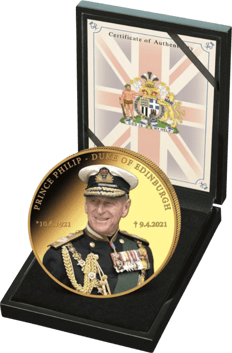
5 oz Gold Prince Philip 2021 PP (Mintage: 50 | Proof | coloured)
£18,441.86£18,475.39
VAT-free and excl. shipping
Available in 2–3 business days

 More than 310,000
 Over 30 years
 Secure shipping
 Google: 4.9/5


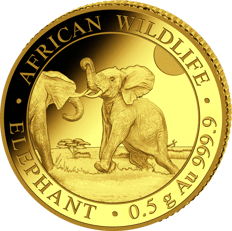
The Bavarian State Mint, also known as the Bayerische Münze, is responsible for minting the "African Wildlife" series, including the popular Somalia Elephant coin. This activity encompasses the production of high-quality collector's coins and bullion coins made from precious metals, with new designs introduced each year to celebrate the diversity of African wildlife. The limited mintage and exquisite craftsmanship make these coins attractive to both collectors and investors.


Authenticity
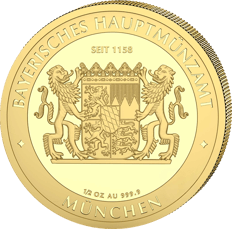
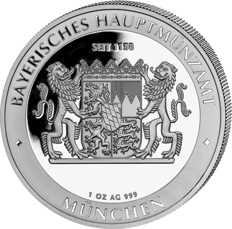
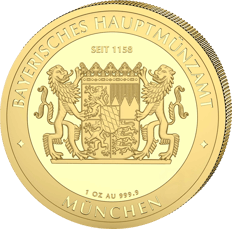
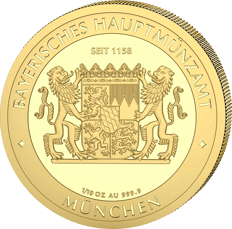
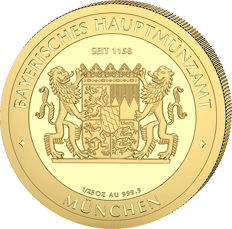
Every piece bears the mark of the Bayerisches Hauptmünzamt. Before it goes out to you, we check it ourselves.
 Germany
Every coin from Munich bears the mint mark D, so you can see at a glance where it was struck.
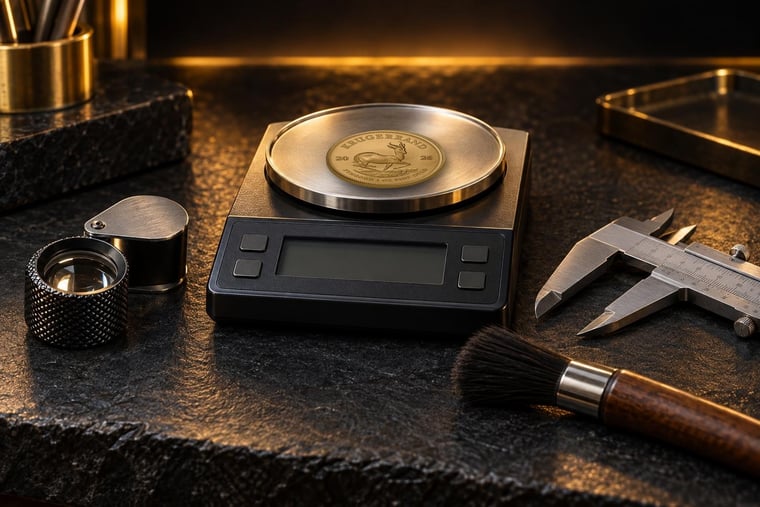
In our CCTV-monitored high-security area, two specialists check every order following the four-eyes principle, including its weight and, by X-ray, its authenticity.
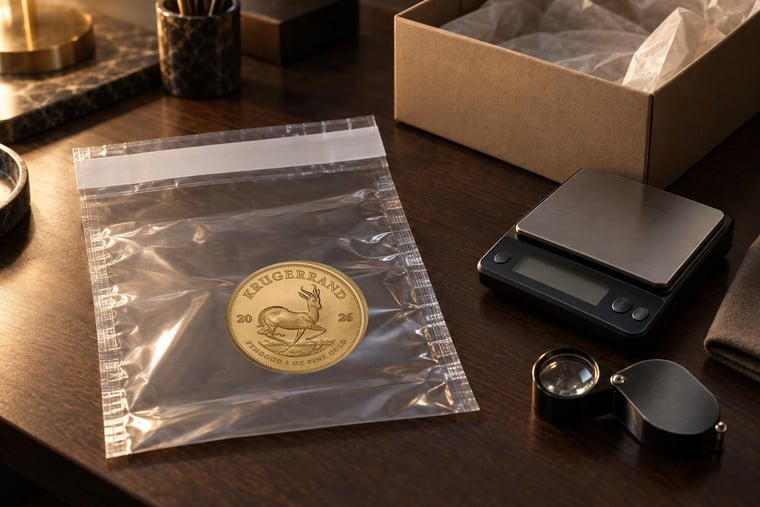
We then seal your order in a security bag that can only be opened once. You will be the first to open it.
Our testing methods
The house
The Bayerisches Hauptmünzamt in Munich is one of Germany’s five mints, and its coins carry the mint mark D. It traces its tradition back to 1158, the year Munich itself was founded, and is a state enterprise of the Free State of Bavaria.
Sources: manufacturer’s details, as of 14 November 2026
The Bayerisches Hauptmünzamt is one of Europe's most tradition-rich mints, with a history stretching back to the 12th century. As the state mint in Munich, it not only strikes German euro circulation coins bearing the mint mark „D“, but is also responsible for numerous internationally sought-after bullion and collector's coins in gold, silver and platinum. This guide sheds light on the history, areas of responsibility, best-known coin series, authenticity features, tax particulars and buying criteria relating to coins of Bavarian manufacture.
The roots of the Bavarian Mint go back to the era of Henry the Lion, who established coin minting in Munich in the 12th century. Over the centuries, the mint developed from a ducal mint into one of Germany's central state mints. Today, the Hauptmünzamt is an authority within the remit of the Bavarian Ministry of Finance and is thus firmly anchored in the public sector.
As one of Germany's five mints, the Munich institution contributes to the production of euro circulation coins. Each of the five mints is identified by its own letter: Munich traditionally uses the mint mark „D“. Anyone interested in the variety of German coinage will find further renowned names in the overview of manufacturers and mints, from Münze Deutschland to private manufactories.
The long continuity of Munich coin striking is rare in Europe. While many historic mints closed down over the centuries, Munich remained consistently a centre of the art of minting. This tradition is reflected in the quality of modern collector's coins, which use technically demanding processes such as high relief, partial gilding and colouring. An overview of German coinage can also be found in the German gold coins category.

The Bayerisches Hauptmünzamt fulfils a broad public and economic mandate. Its activities can be divided into four central areas:
This breadth makes the Munich institution a versatile contract mint that carries out both sovereign and private-sector minting on behalf of customers.
Of particular relevance to investors and collectors are the internationally sought-after series that are produced or co-struck in Munich. They combine appealing designs with a high precious metal content, thereby appealing to two target groups at once.
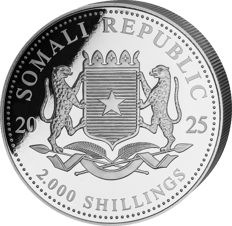
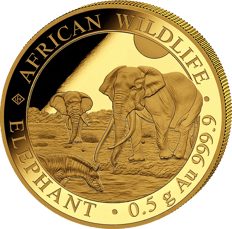
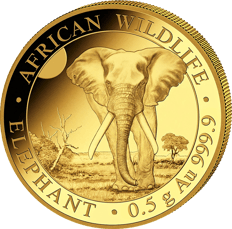
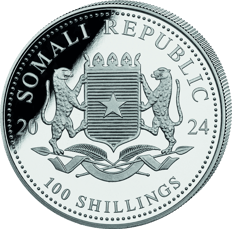
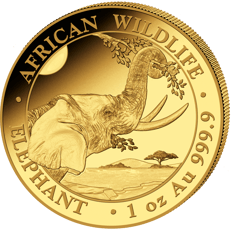
Among the best-known designs is the series devoted to African wildlife. The Somalia Elephant in gold and the corresponding silver issue are among the most popular representatives of modern African Wildlife coinage. A characteristic feature is the design, which changes every year and shows the elephant in its natural habitat: a feature that makes these issues highly sought after among collectors. The series is complemented by predator designs such as the leopard, which broaden the theme of African fauna.
Anyone interested in further animal designs will find a wide selection of related coins in the thematic section Land animals as well as under African wildlife coins in silver.
A design with a strong regional connection is the Bayern Thaler, which features well-known Bavarian landmarks such as Neuschwanstein Castle. These issues appear in both gold and silver and in various denominations, from fractional weights to the heavy kilo coin. They combine regional symbolism with investment-grade precious metal, appealing to both locally connected collectors and investors alike. Matching German issues can be found in the German gold coins category.
Alongside classic bullion coins, the Munich institution produces elaborately enhanced collector's pieces. These include partially gilded silver coins, coloured coins as well as issues in high relief and in Proof quality. These techniques highlight individual design elements and turn each piece into an object of craftsmanship. Anyone specifically looking for such editions will also find what they need in the enhanced exclusive products section.

Coins of Bavarian minting are available in all major precious metals. The choice of metal and denomination depends on the goal: pure investment or a passion for collecting.
Denominations range from fractions of an ounce to the kilo coin. Smaller weights offer more flexibility when it comes to later resale, while larger units tend to carry a lower percentage premium above the pure metal value. Anyone wishing to build a collection in a structured way will find suggestions in the savings plan products section.
Bullion coin or collector's coin?
Bullion coins track the precious metal value closely and are suitable for diversifying wealth. Collector's coins with a limited mintage, colouring or Proof quality are additionally shaped by their design and rarity. Both categories follow different pricing logics that should be understood before purchasing.
Coins from a state mint are characterised by clearly defined authenticity features. These include precise edge design, sharp strike edges, exact weight and dimensional tolerances, and, with many collector's issues, an accompanying certificate of authenticity stating the mintage figure.
Buying from an established dealer with documented authenticity verification significantly reduces the risk of counterfeits. Kettner Edelmetalle relies on ISO-compliant testing and a fully automated high-security logistics centre. Anyone who values a verified provenance will find exclusively clearly specified issues in the bullion coins category.
The tax treatment differs significantly depending on the precious metal. In Germany, investment gold is exempt from VAT under §25c UStG, provided it meets the criteria for investment gold. Silver coins, on the other hand, are generally subject to the margin scheme or the standard VAT rate.
Tax note
Investment gold is exempt from VAT under §25c UStG. Different rules apply to silver, platinum and palladium coins. After a holding period of more than one year, a private capital gain can be tax-free. This information does not replace tax advice.
For preserving value over longer periods, the one-year speculation period is a key factor. Anyone looking into wealth protection will find further categories such as inflation hedge and retirement provision.
Proper storage is essential if coins are to retain their condition, and hence their value. Especially with collector's issues in Proof quality, even fingerprints or scratches can diminish the grade.
Further accessories for proper storage can be found together in the accessories category.
When purchasing coins of Bavarian minting, it is worth considering several factors. With bullion coins, the premium above the pure metal value and later tradability are the main focus. With collector's coins, the mintage figure, grade and the completeness of a series play a greater role.
Popular designs such as the Somalia Elephant are issued anew each year, which allows complete year-of-issue sequences to be built up. Anyone specifically looking for current minting years will find them in the Somalia Elephant by year of issue section, as well as under new coins and bars. For getting started with physical precious metals, the overview of gold bullion coins provides good guidance.
The mint mark „D“ identifies coins struck in Munich. Germany has five mints, each distinguished by its own letter. The Bayerisches Hauptmünzamt traditionally uses the „D“.
Coin minting in Munich dates back to the 12th century, making it one of Europe's oldest continuous minting traditions. Over the centuries, the ducal mint developed into today's state minting institution.
Among the most sought-after designs are the Somalia Elephant and other issues from the African Wildlife theme, as well as the Bayern Thaler featuring Neuschwanstein Castle. These are issued in gold and silver and often in limited mintages.
No. Investment gold is exempt from VAT under §25c UStG, while different rules, such as the margin scheme, apply to silver, platinum and palladium coins. For specific cases, tax advice is recommended.
Bullion coins track the pure precious metal value and are suitable for diversifying wealth. Collector's coins are additionally shaped by their design, mintage figure, grade and enhancements such as colouring or partial gilding, and can therefore carry a higher premium.
Important criteria include weight, diameter, strike sharpness and, with collector's issues, an accompanying certificate of authenticity with a mintage number. Buying from an established dealer with documented verification significantly lowers the risk of counterfeits.
 Bavarian State Mint

Personal advice
Our client advisers know the range of the Bayerisches Hauptmünzamt and help you choose, by phone or at an appointment that suits you.
Monday to Friday, 8 am to 8 pm
Stay informed with product launches, financial news and exclusive offers. Sign up for our free newsletter today.
By entering your email address and clicking the "Submit" button, you give the following consent: "I agree to be informed by email about new products, financial news and exclusive offers, and therefore consent to the processing of my email address for the purpose of sending the newsletter. I can revoke this consent at any time without giving reasons, with effect for the future. The lawfulness of processing carried out prior to revocation remains unaffected."