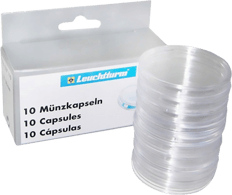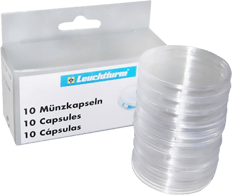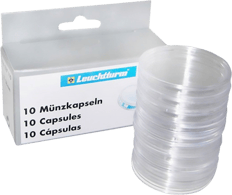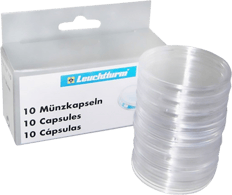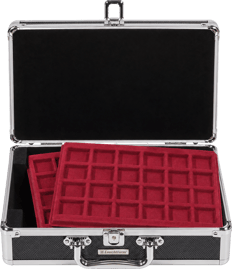
Coin Case Cargo (S6) for 144 Coins
£37.72
excl. UK import VAT and shipping
Available in 2–3 business days

 More than 300,000
 Over 30 years
 Secure shipping
 Google: 4.9/5
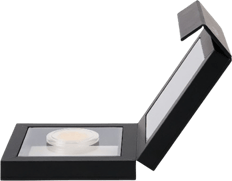
Good coin accessories are essential for every collector and investor to preserve the value of their own coins. As a foundation, we recommend the appropriate coin gloves and a pair of tweezers for every coin. These tools help prevent dirt, stains, and other contaminants on your coins and bars. Also take a look at the coin frame.


Anyone who buys precious metals is investing in assets meant to last for decades or even generations. Yet gold, silver and platinum are sensitive materials: a single fingerprint, a scratch or corrosion can noticeably reduce the collector's and resale value of a coin. The right coin accessories protect these assets, make sorting and presentation easier and help verify the authenticity of coins and bars. This guide explains which accessories make sense for collectors and investors, how the individual product groups differ, and what to look out for when storing, measuring, weighing and caring for your pieces.
Precious metals are soft and react sensitively to mechanical and chemical influences. Fine gold with a fineness of 999.9/1,000 in particular can be deformed or scratched by even slight pressure. If several coins are stacked on top of one another without protection, unsightly scratches quickly appear on both the obverse and reverse. Silver, in turn, tends to tarnish when it comes into contact with humidity and sulphur compounds. The right accessories are therefore essential to preserving the condition, and thus the value, of a collection over the long term.
As a general rule, a distinction should be made between investment items and collector's pieces. With pure bullion coins, the material value is paramount, while for collector's and commemorative coins, the grade of preservation significantly influences the market value. For both groups, the same principle applies: proper storage prevents loss of value. This applies to individual gold coins just as much as to extensive collections of silver coins or entire holdings of bars.
A well-thought-out accessory system fulfils three tasks: it protects against external influences, it organises the collection clearly and it enables control over dimensions, weight and authenticity. Depending on the size of the collection, the range extends from simple protective sleeves to a fully equipped coin case with testing devices.
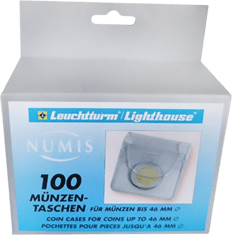
The first layer of protection is always the packaging of the individual coin. Several solutions are available here, differing in material, precision of fit and price.
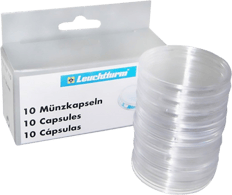
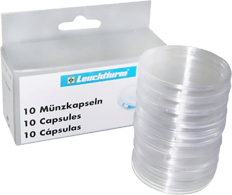
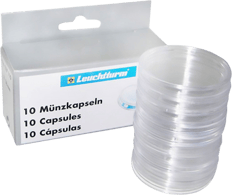
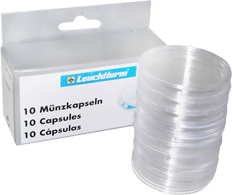
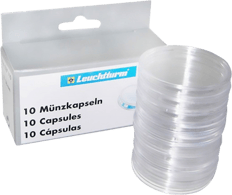
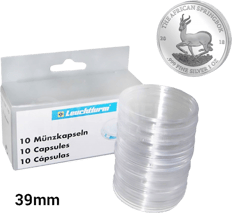
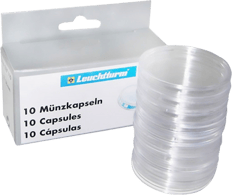
A coin capsule made of crystal-clear, acid-free plastic encloses the coin completely and protects it from scratches, dust and fingerprints. The decisive factor is the correct inner diameter, which must match the coin's diameter exactly; common sizes range from around 16 mm to over 40 mm. Specially matched capsules are available for well-known series, such as for the 1 oz issues of Maple Leaf or American Eagle. Capsules can easily be opened and reused and form the basis for further storage in boxes or cassettes.
More affordable and space-saving are coin flips made of crystal-clear PVC. They are particularly suitable for larger quantities and for secure transport, for example of circulated coins. They are available individually or in practical bulk packs. It is important that the flips are made of plasticiser-free material so that the coin's surface is not affected in the long term.
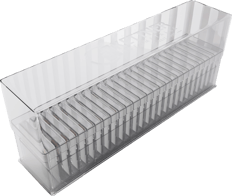
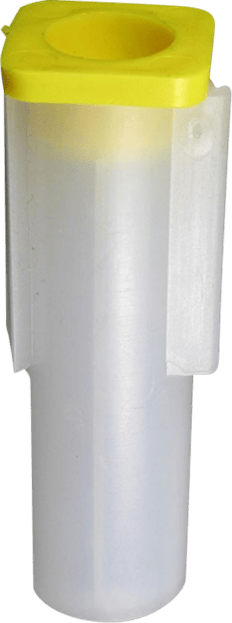
Anyone owning several identical coins of one denomination should opt for coin tubes. These tube-shaped containers hold a fixed number of equally sized coins, for example fifty pieces of a particular ounce size, and protect them compactly in a stackable way. Tubes are ideal for investors holding the same issue in larger quantities, for example smaller Krugerrand denominations.

For the orderly storage of several coins, various systems are available, differing in capacity, material and presentation value. The choice depends on whether a collection is to be displayed representatively or stored space-savingly in a safe.
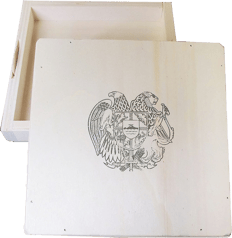
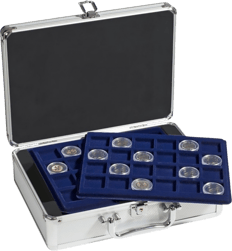
A coin cassette with removable trays is suitable for clear sorting and presentation. The individual inserts are usually lined with soft velvet or velour, so the coins rest gently. For transport or larger collections, a sturdy coin case is recommended, which holds several trays and can be lockable. Aluminium models impress with their stability and low weight, while wooden versions offer an elegant appearance.
So-called master boxes are the original packaging from the mints, in which bullion coins and bars are delivered in fixed quantities. They are particularly suitable for investors who store bullion coins such as the Vienna Philharmonic or the silver Vienna Philharmonic in larger quantities. An expandable, compatible system makes sense here so the collection can grow accordingly.
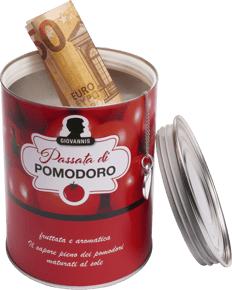
For discreet home storage of smaller holdings, there are can safes disguised as everyday objects. They do not replace a certified safe, but offer an inconspicuous addition. As a general rule: the more valuable and extensive a collection, the more advisable it is to store it in a tested security cabinet or a bank safe deposit box. When storing in a safe deposit box, practical, space-saving accessories matter more than representative presentation.
Practical tip on storage
Silver should be stored dry and airtight, as moisture and sulphur-containing materials accelerate tarnishing. Capsules and tubes offer effective basic protection here. Gold is chemically much more resistant but reacts sensitively to mechanical abrasion; here, protection against scratches is the priority.

In addition to protection and storage, checking dimensions and weight is one of the central tasks when handling precious metals. It not only helps in selecting suitable capsules but also serves as the first step in verifying authenticity.
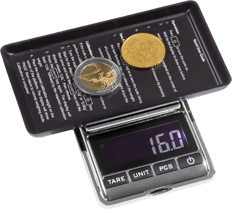
A digital calliper measures the diameter and thickness of a coin quickly and precisely. A model with a measuring range of around 0 to 150 millimetres and the ability to switch between millimetres and inches is recommended. Equally important is a precise precision scale: digital scales suitable for coins typically cover a range of around 0.01 to 500 grams, with a tolerance of a few hundredths of a gram. Suitable measuring tools can be found in the collector's utensils category.
Why this is crucial: every genuine bullion coin has an exactly defined ratio of diameter, thickness and weight. If a piece deviates from the official specified values, this is a clear warning sign. This simple combination of measuring and weighing already exposes a large proportion of possible forgeries.
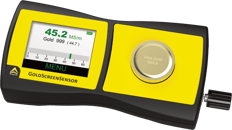
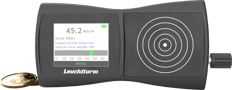
For a more in-depth check, electronic testing devices are available that analyse the precious metal non-destructively. Such devices measure physical properties such as electrical conductivity and can thus also detect forgeries with correct weight and diameter. They are aimed primarily at investors with larger holdings or anyone wishing to safely assess circulated coins. At Kettner Edelmetalle, every product additionally undergoes an ISO-compliant authenticity verification before leaving the logistics centre.
Careful handling begins already when removing a coin from its packaging. Coins should generally only be held by the edge, never on the obverse or reverse, as skin oils and acids can leave permanent stains.
Safe handling requires pure cotton coin gloves, which reliably prevent fingerprints. For very small coins, plastic-coated tweezers are recommended, allowing the piece to be gripped gently without touching the surface. This basic equipment can also be found under collector's utensils and is recommended for every collection.
Extreme caution is called for when cleaning. Improper polishing destroys the original surface and significantly reduces the value of a collector's coin. Historical and rare pieces should generally not be cleaned. For robust bullion items, there are special impregnated polishing cloths intended for occasional, very gentle use.
A cleaned coin often loses more value than any visual improvement could ever make up for; for collector's pieces, the original patina is part of its history.
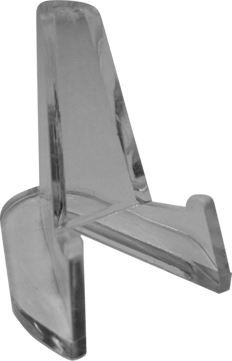
A jeweller's-quality pocket magnifier helps to spot fine details, minting errors or security features. A coin stand or coin frame can also be useful for displaying individual pieces decoratively without having to handle them constantly.
There are no fundamental differences between accessories for gold and those for silver, yet the respective material properties deserve attention. Silver tarnishes over time and therefore particularly benefits from airtight storage in capsules and tubes. Anyone owning a larger number of silver bars or silver coins should ensure dry storage.
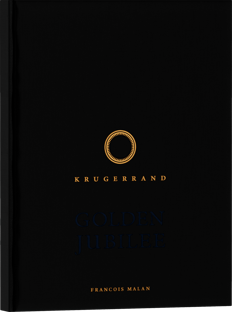
Gold is chemically almost inert and does not tarnish, but as a soft metal it is prone to mechanical damage. For gold bars in blister packaging, the following applies: never open the original assay card, as it is part of the proof of authenticity. For platinum and palladium, similar principles apply as for gold. Anyone wishing to complete their accessory collection will also find suitable specialist literature in the books category, providing background on mintings, series and valuation.
For beginners, a coordinated accessory set is recommended as a basic kit: it combines gloves, tweezers and capsules, thereby covering the most important requirements. It is also worth taking a look at gift ideas if the accessories are intended as a present for a collector.
Cotton coin gloves, tweezers and suitable coin capsules for the coin sizes you own are recommended as a basis. Anyone wishing to organise their collection should add a coin cassette or a coin case. For checking dimensions and weight, a digital calliper and a precision scale are useful.
The decisive factor is the diameter of the coin in millimetres, which must match the inner diameter of the capsule exactly. The easiest way to measure the diameter is with a digital calliper. For many well-known series, specially matched capsules are also available, cut precisely to fit the respective issue.
Cleaning is generally not recommended, particularly for collector's and historical coins. Improper polishing destroys the original surface and can significantly reduce the value. If gentle treatment is sufficient for robust bullion items, only suitable, impregnated polishing cloths should be used for this purpose.
Silver tarnishes due to humidity and sulphur-containing environments. Dry, airtight storage in coin capsules or coin tubes significantly slows down this process. In addition, the storage location should be cool and have a stable temperature, and sulphur-containing materials such as certain papers or rubbers should be avoided.
For smaller holdings, callipers, a precision scale and a magnet test are usually sufficient. An electronic testing device is particularly worthwhile for larger holdings, when regularly buying circulated coins, or when the origin of pieces is unclear. When buying from a certified specialist dealer, authenticity is already guaranteed.
A coin cassette is used for clear sorting and presentation with padded trays. A master box is the original packaging from the mints for larger quantities of bullion coins. A coin case holds several trays, is usually lockable and is suitable for transport and extensive collections.
Stay informed with product launches, financial news and exclusive offers. Sign up for our free newsletter today.
By entering your email address and clicking the "Submit" button, you give the following consent: "I agree to be informed by email about new products, financial news and exclusive offers, and therefore consent to the processing of my email address for the purpose of sending the newsletter. I can revoke this consent at any time without giving reasons, with effect for the future. The lawfulness of processing carried out prior to revocation remains unaffected."