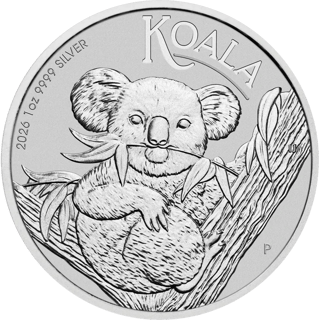
1 Ounce Silver Koala 2026
£62.94
excl. UK import VAT and shipping
Available in 2–3 business days

 More than 300,000
 Over 30 years
 Secure shipping
 Google: 4.9/5

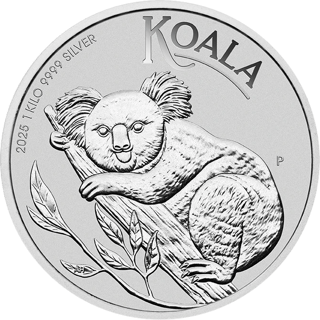
Since 2007, the Australian Perth Mint has been releasing the Silver Koala, which has been gaining increasing significance ever since. The latest versions were produced using a unique minting technique that gives this silver coin a shimmering brilliance. The coin is generally offered at only a small premium over the silver spot price and is therefore attractive to both collectors and investors. Find the Koala in gold here.


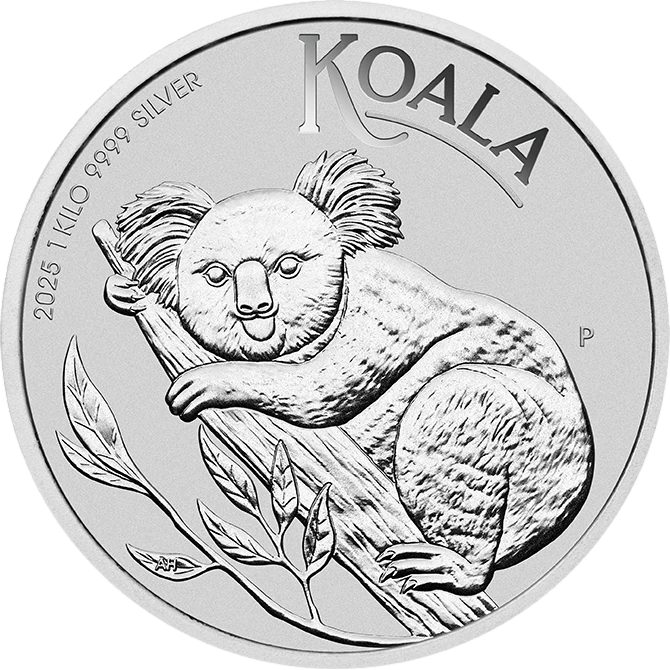
A koala spends most of its time in eucalyptus trees. It sleeps for about 18 hours a day, writes the New South Wales Government: an adaptation to its low‑nutrient diet.
Most feeding happens between 17:00 and 24:00, in bouts of about 20 minutes; some animals also feed at other times. On average a koala changes trees once a day and as a rule feeds in every tree it occupies.
Two Perth Mint issues show the rest and the feeding time of this day.

A koala eats almost nothing but eucalyptus, about 400 grams of leaves a day, according to the Australian Museum. Of the more than 900 eucalyptus species, as far as is known, it eats only 60, writes the New South Wales Government. Which ones it prefers varies from region to region.
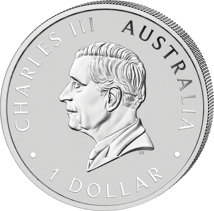
The magnifying glass shows the Royal Australian Mint’s coin of 2026.
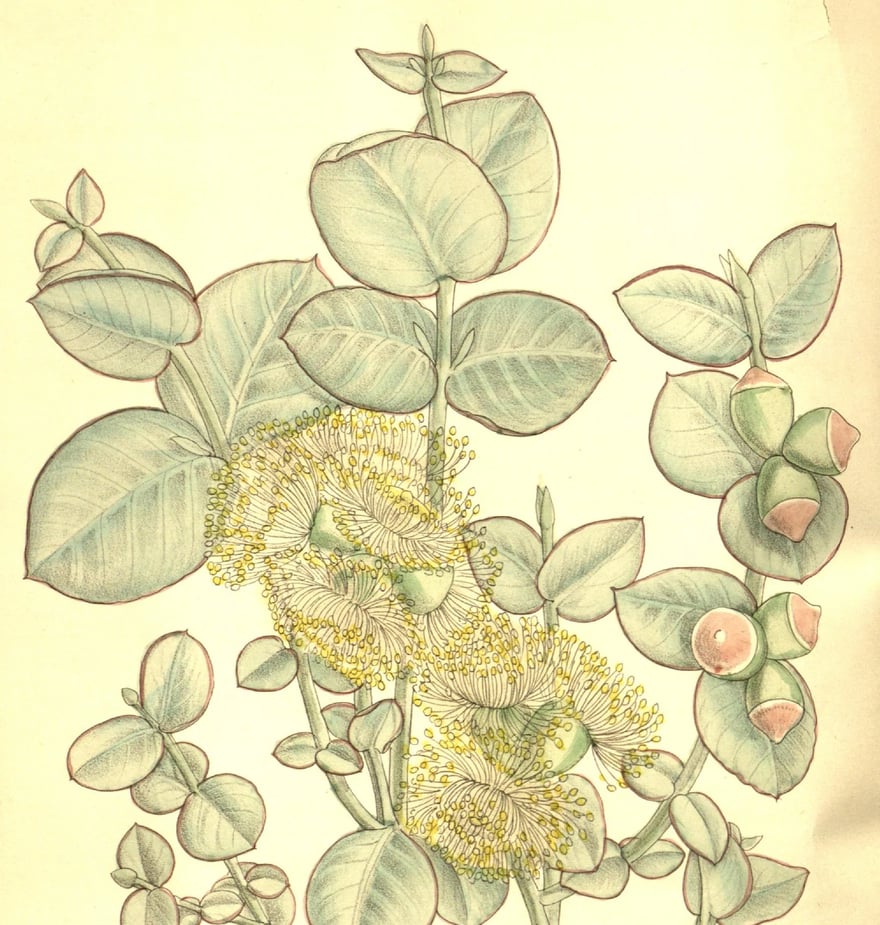
The leaves are meagre fare, “poor quality food”, as the Museum writes. The koala chews them very finely, and its caecum is, in proportion, the largest of any mammal. It gets most of its water from the leaves, but it can drink too.
After a gestation of about 35 days the joey is born. It weighs less than half a gram and climbs into its mother’s pouch on its own. There it grows for 6 to 8 months.
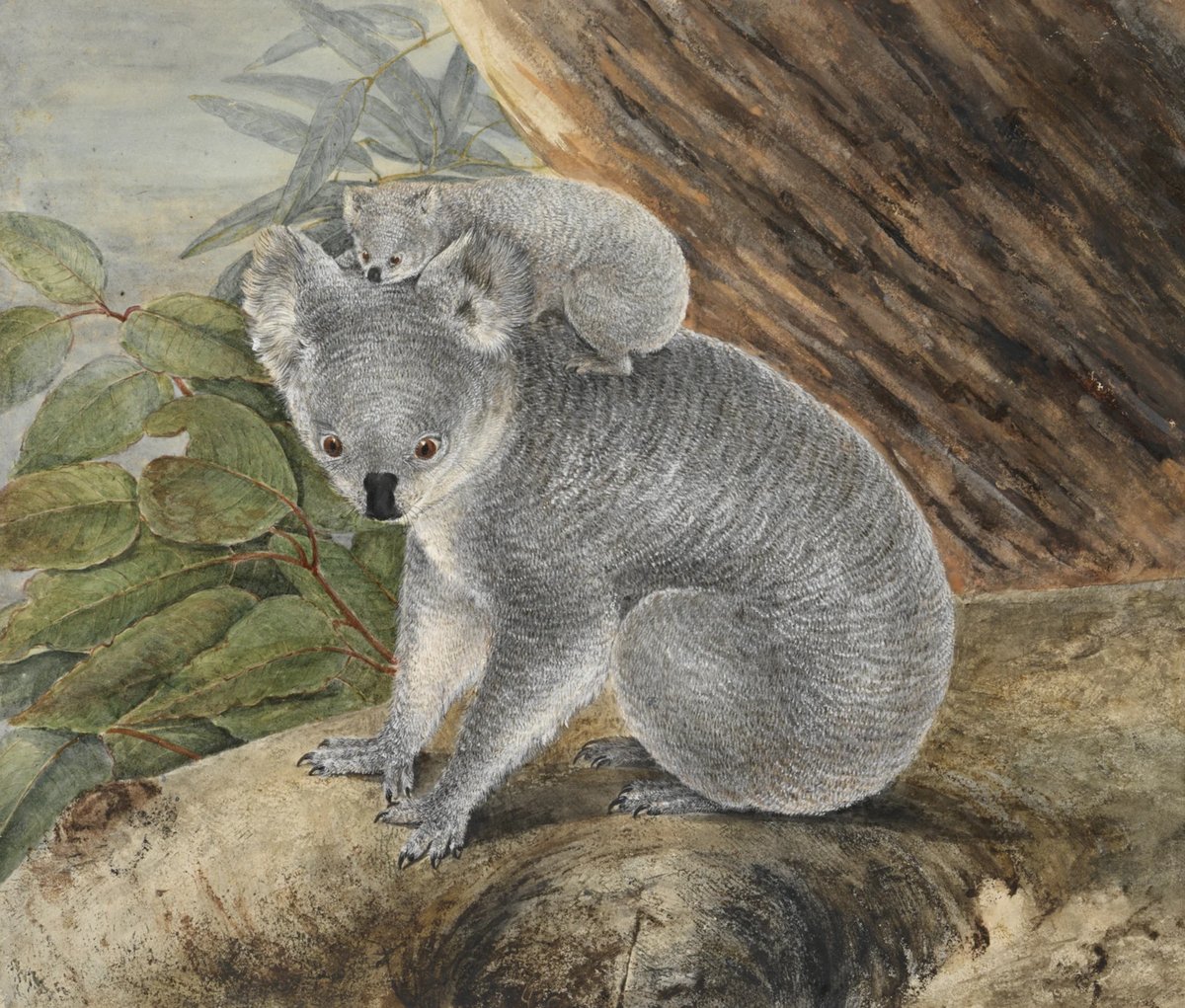
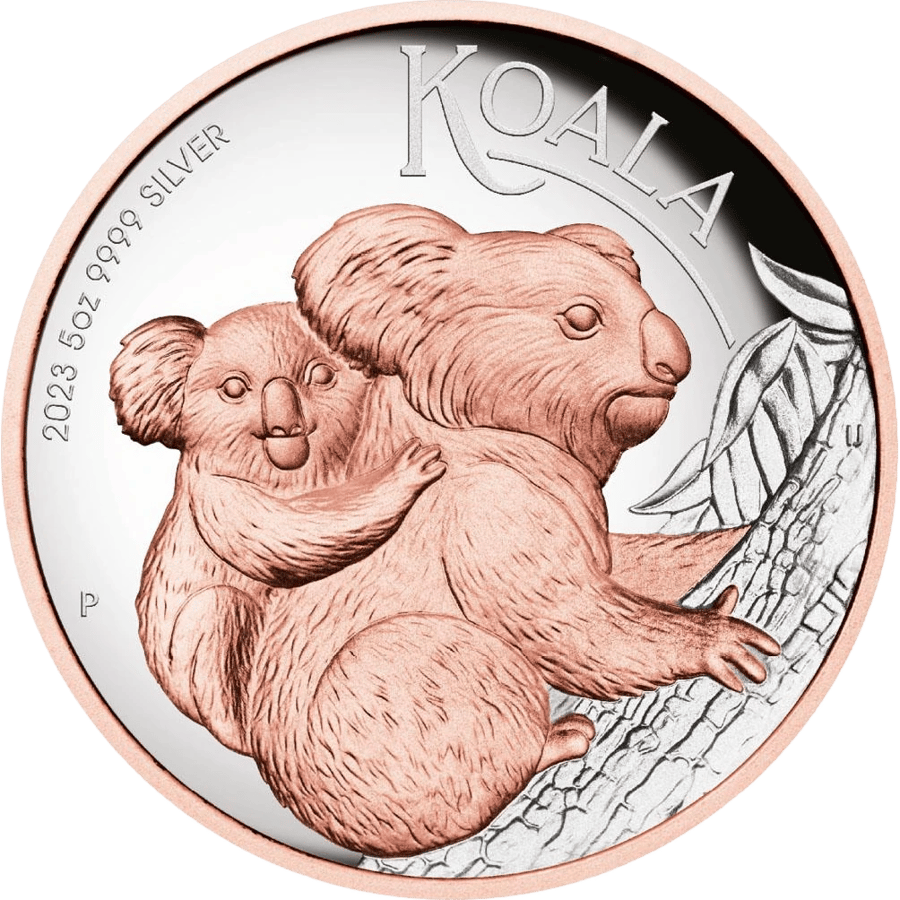
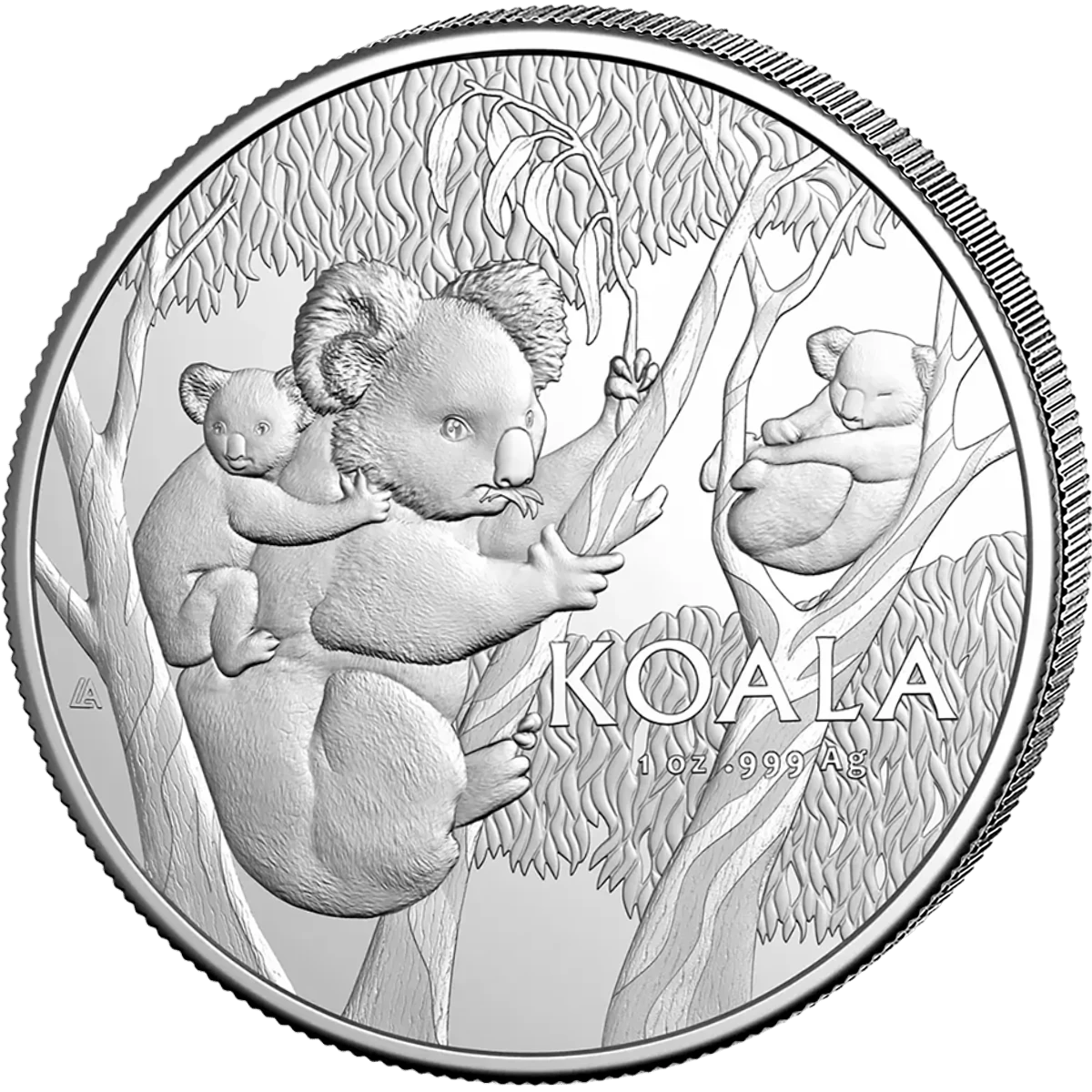
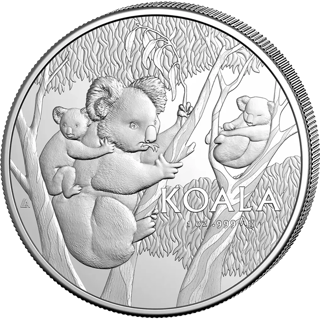
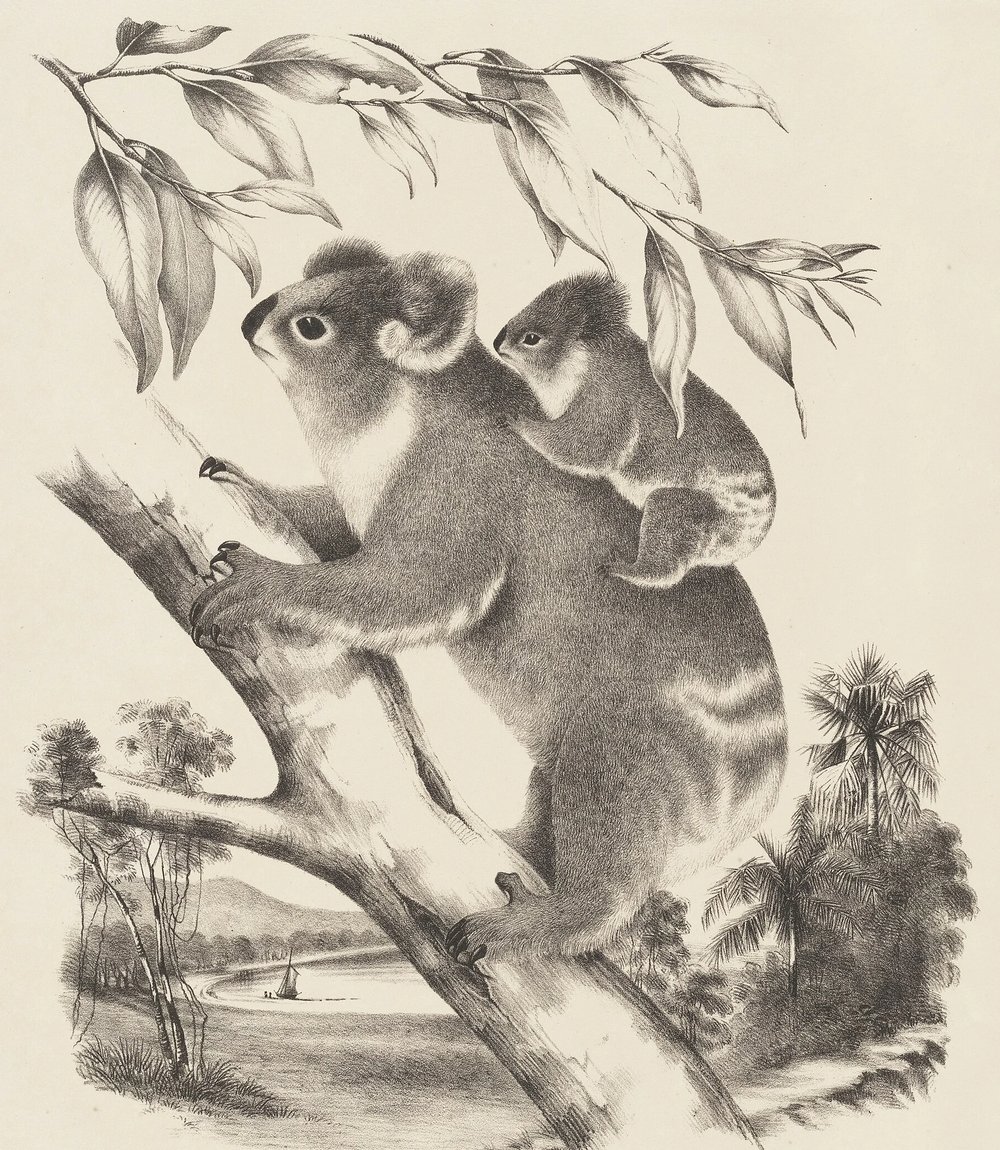
In 1803 John William Lewin painted a koala mother with her joey on her back. The Perth Mint’s coin of 2023 shows the mother climbing, her joey holding on to her.
Painted in 1803, struck in 2023.
Koalas live across about one million square kilometres in the east of Australia, not in Tasmania and not in Western Australia. Their range is patchy and reaches from northern Queensland to southern Victoria and south‑eastern South Australia.

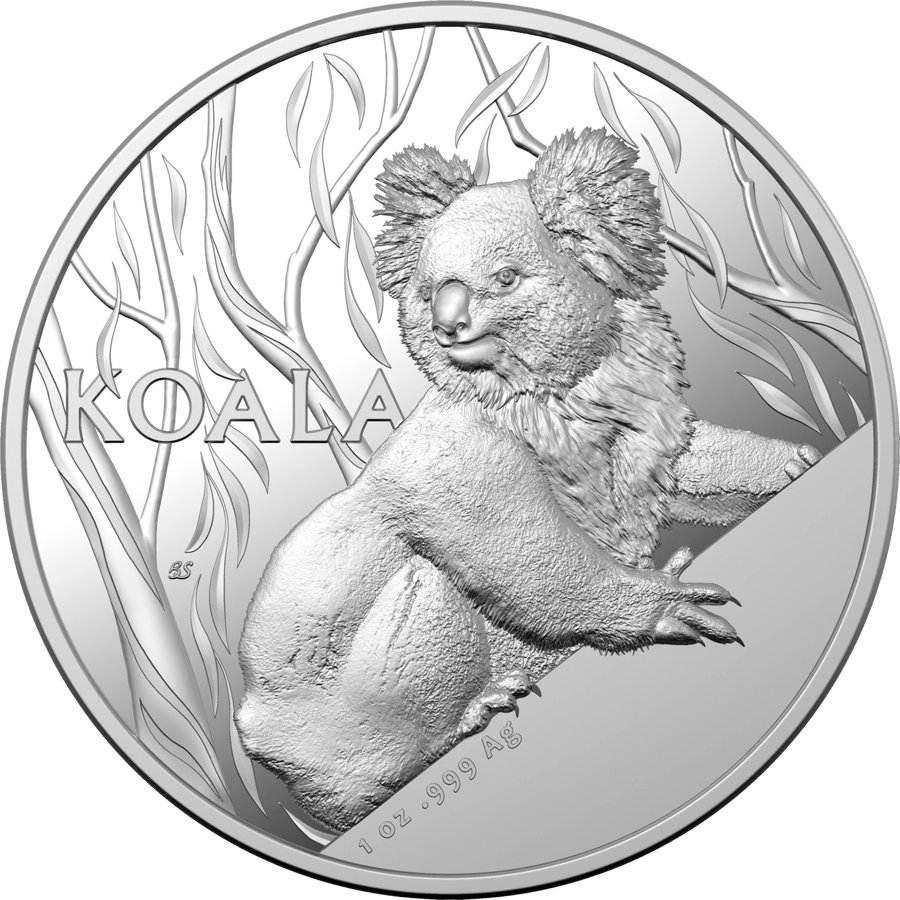
Royal Australian Mint, 2024
It belongs to the Royal Australian Mint’s first Koala series of 2024: a koala sits on a sloping trunk, holding on, with eucalyptus foliage behind it.
Distribution, schematic
Based on the Australian Museum, not an exact boundary. Outline: Natural Earth.
How densely they live varies greatly. For French Island in Victoria the Australian Museum gives 600 to 900 animals per square kilometre, for south‑eastern Queensland about 40.
Each dot stands for one animal. The faint dots show the range up to 900.
Since February 2022 the populations in Queensland, New South Wales and the Australian Capital Territory have been listed as Endangered under Australian federal law.
What is said about the koala, checked against information from the museum, the authorities and research.
“The koala is a bear.”
No.
It is a marsupial, distantly related to the wombats. Early Europeans called it “Native Bear”, and its genus name Phascolarctos also means pouched bear.
“It never drinks.”
Overstated.
It gets most of its water from the leaves. But it does drink, if only rarely.
“It sleeps 22 hours a day.”
Usually less.
The New South Wales Government gives about 18 hours.
“It has fingerprints like ours.”
True.
In 1997 researchers at the University of Adelaide found dermal ridges on its fingers that are very similar to those of humans, in a study of about 20 animals.
Where does the word “koala” come from?
Not entirely clear.
Probably from an Aboriginal language of eastern New South Wales. The first records near Sydney, between 1798 and 1803, included “cullawine”, “colo” and “koolah”.
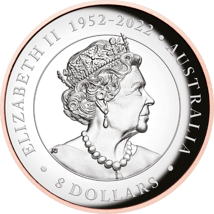
Five Koala coins at the same scale, with the diameters the Perth Mint gives for them.

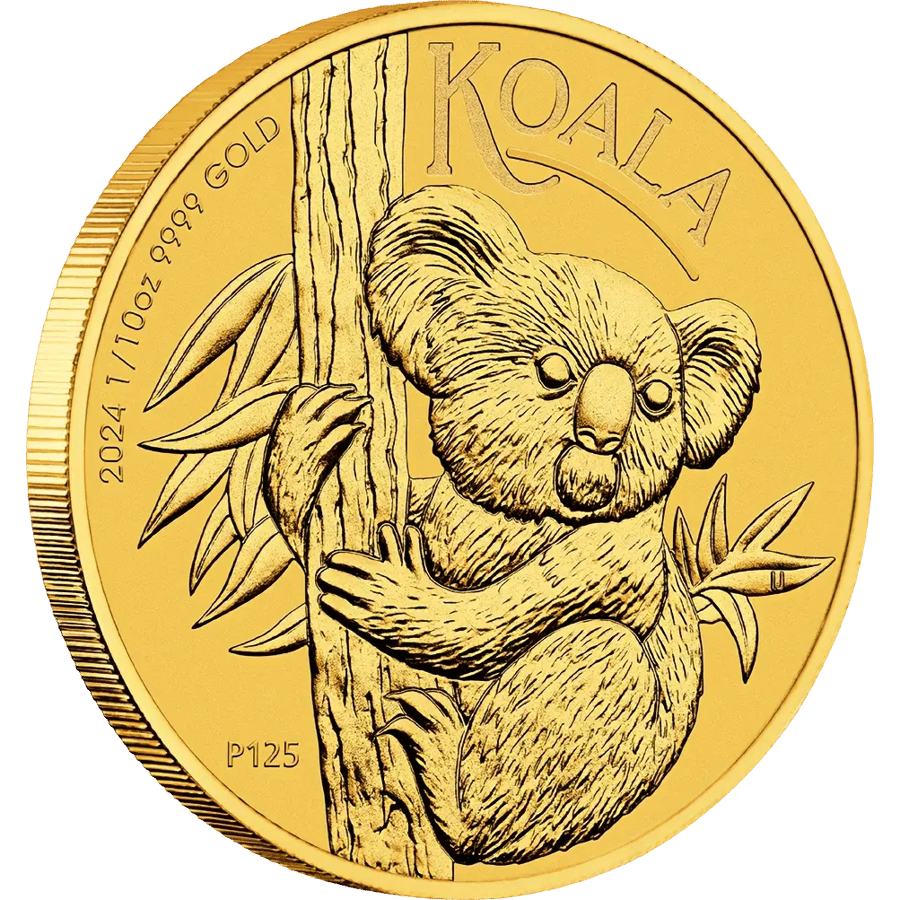
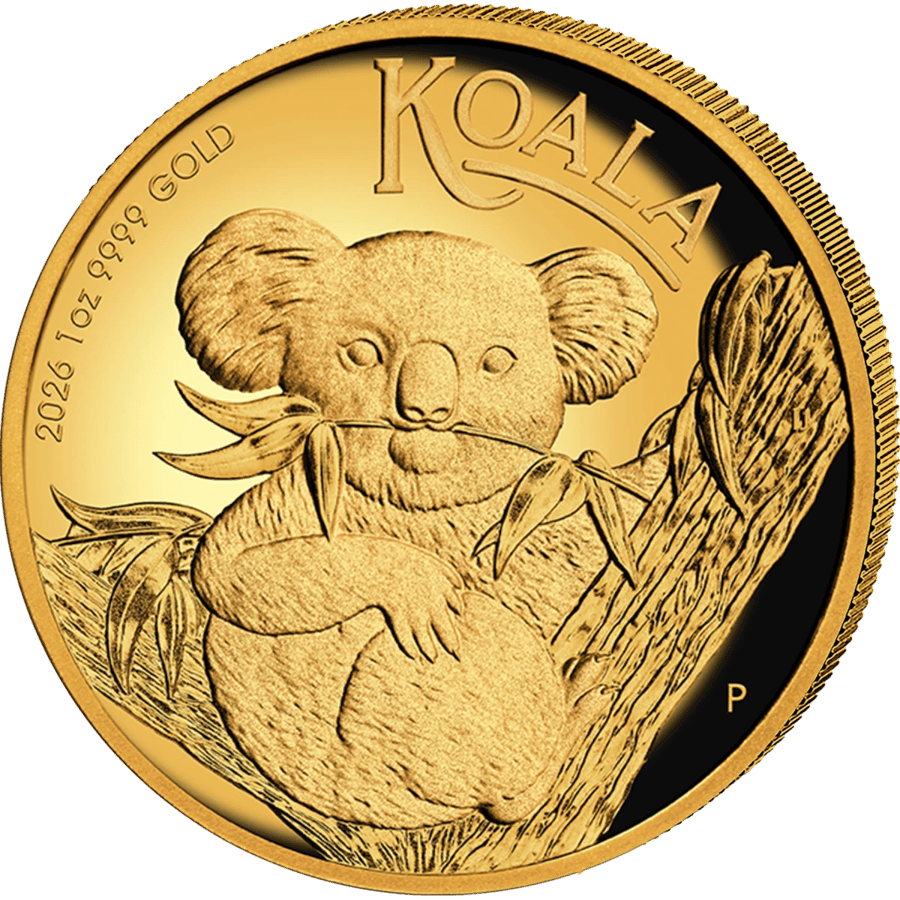
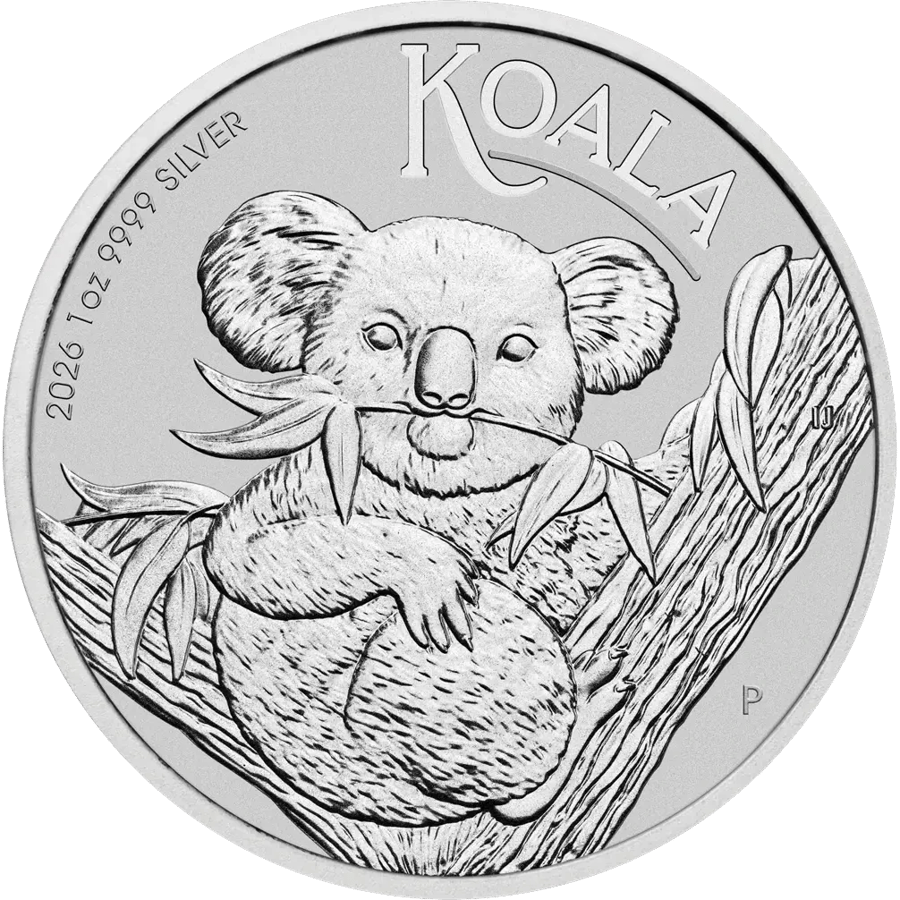
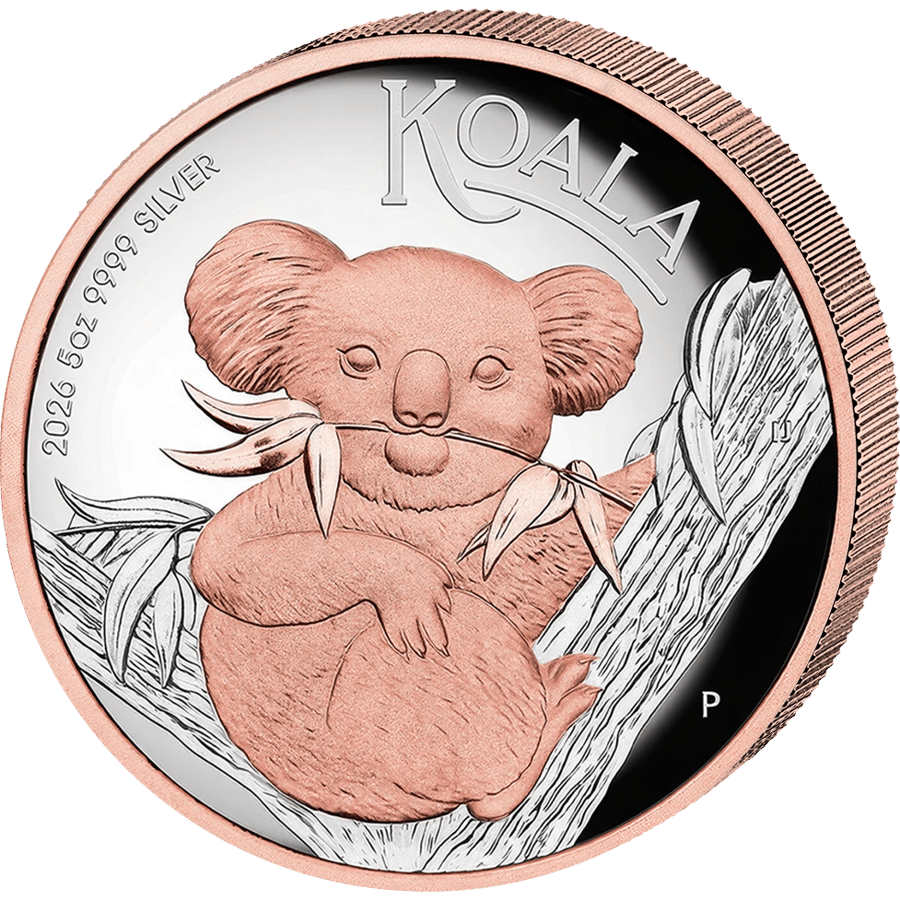
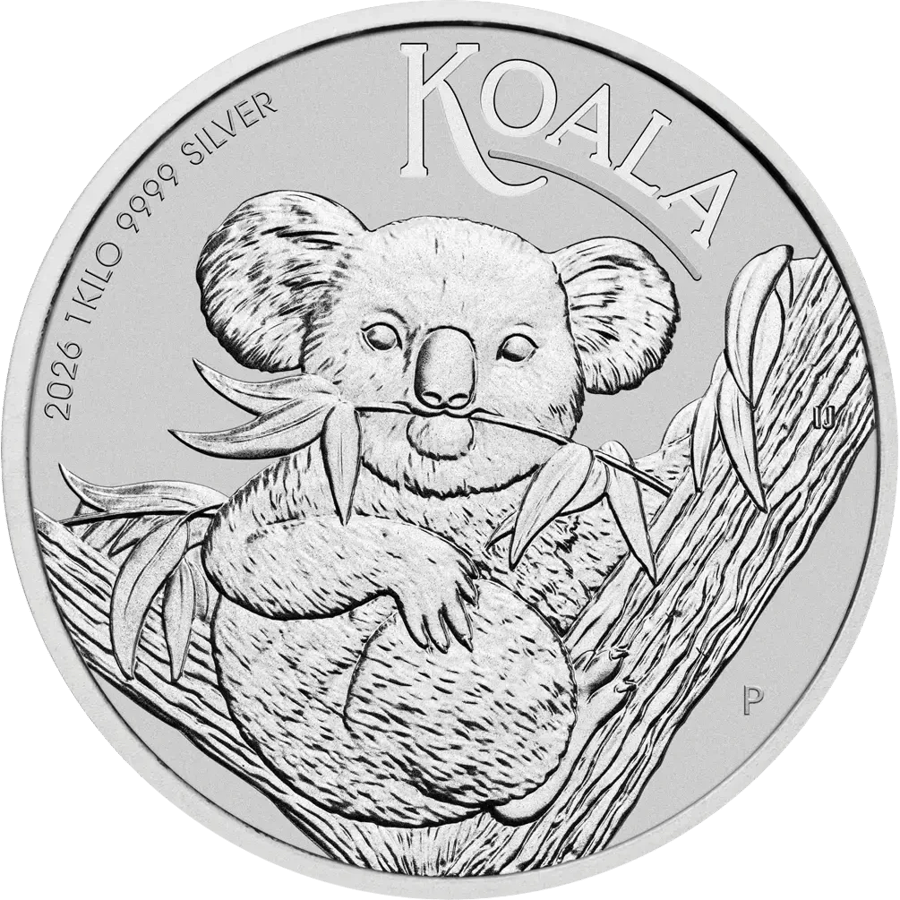
Koalas have sat on the coins of the Royal Australian Mint since 2024: one in 2024, two in 2025, three in 2026.
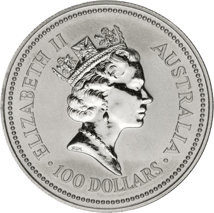
The Koala also comes in platinum.
 Koala
Stay informed with product launches, financial news and exclusive offers. Sign up for our free newsletter today.
By entering your email address and clicking the "Submit" button, you give the following consent: "I agree to be informed by email about new products, financial news and exclusive offers, and therefore consent to the processing of my email address for the purpose of sending the newsletter. I can revoke this consent at any time without giving reasons, with effect for the future. The lawfulness of processing carried out prior to revocation remains unaffected."