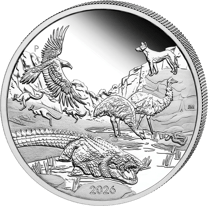
Only 1 left to order
Deutsche Mark 4 Gold Coins Fractional Set Reverse Proof 2026 (Mintage: 99 | Proof Design)
£2,925.55
VAT-free and excl. shipping
Ships from 05/03/2027

 More than 310,000
 Over 30 years
 Secure shipping
 Google: 4.9/5
Collector's coins typically include limited gold and silver coins with regularly changing designs. Coin collectors appreciate their beauty and the potential for increasing collector's value.


Old coins became collections, and collections became a science.

The poet Petrarch gives Charles IV some ancient gold coins and tells him about the Caesars.
Petrarch, French school, 17th century, Versailles, Musée du Château
In 1649, the holdings of the Electors’ Kunstkammer in Berlin comprise around 5,000 mostly ancient coins.
Each dot is one coin, each band 1,000: around 5,000 in Berlin, 1649.
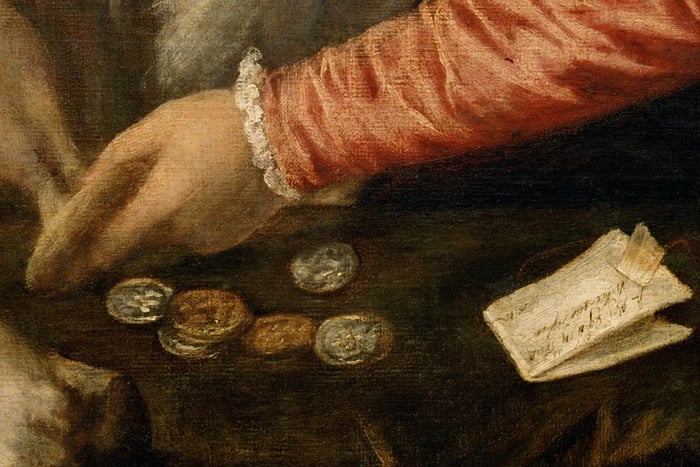
Detail: the coins on the table
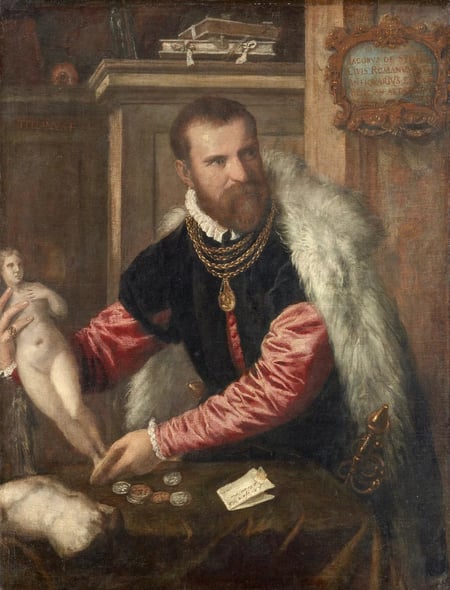
Around 1567/68, Titian paints Jacopo Strada, according to the museum above all an antiquities dealer working internationally. Coins lie in front of him.
Titian, Jacopo Strada, around 1567/68, Kunsthistorisches Museum Vienna
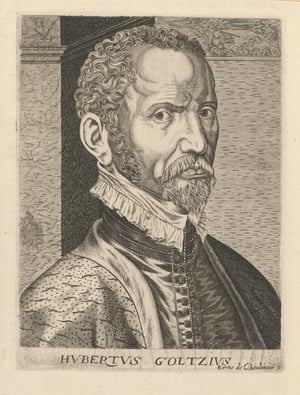
In 1557, Hubert Goltzius publishes a book with portraits of almost all the emperors, based on their coins.
Vivae omnium fere imperatorum imagines
Hubert Goltzius, copperplate engraving by Edme de Boulonois, Brussels 1682, Rijksmuseum Amsterdam
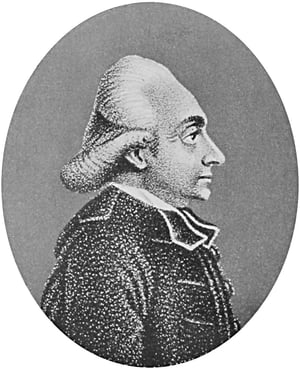
Joseph Hilarius Eckhel arranges the coins by place and date. He is regarded as the founder of scientific numismatics, the study of coins.
Doctrina numorum veterum, 1792 to 1798
Joseph Hilarius Eckhel, anonymous engraving, from Alfred Gudeman, Imagines philologorum, 1911

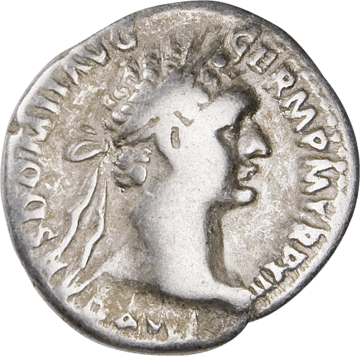
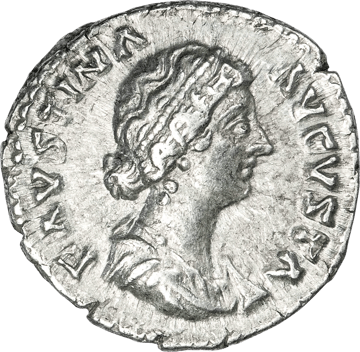
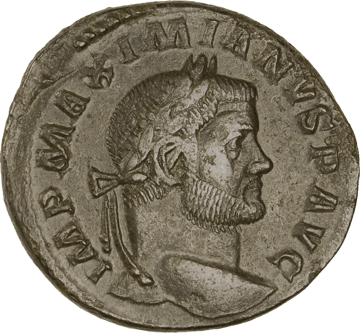
Both coins name the country that issues them and the face value, the amount of money struck on the coin. The issuing country and the maker can be the same, but they need not be.
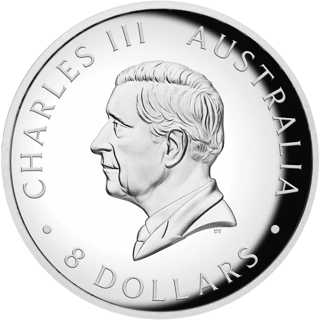
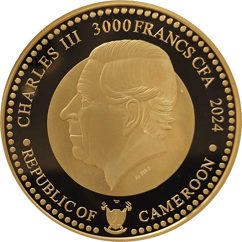
For the euro countries, a regulation of the European Union governs collector coins. It states:
“Collector coins shall have the status of legal tender only in the issuing Member State.”
Regulation (EU) No 651/2012, Article 5(1)
In Germany, nobody has to accept more than 200 euros per payment in such coins, and the Bundesbank exchanges them. The face value is set by the state that issues the coin; according to the Bundesbank, it sets it anew for each issue and on its own responsibility.
A coin begins as a drawing. It is struck with dies, the tools that press its image into the metal.
For the 5‑euro coin Ariane 6, the 2026 annual programme of German collector coins gives two names: Sascha Morawetz designed the picture side, Till Mainz the value side.
A metal copy of the large model, the electrotype, goes onto the reducing machine. It transfers the image at a smaller size onto a tool the size of a coin.
This is how long work on a Janvier reducing machine usually took at the Royal Mint:
The Chief Engraver, the most senior engraver at the Royal Mint, approved the tool.
Only he could declare it ready for use in the next stage of production.
Royal Mint Museum, Janvier reducing machine
Today, computerised machines no longer need electrotypes.
Coins by Münze Österreich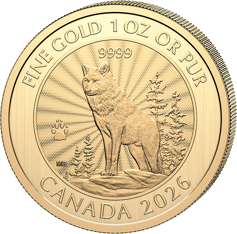
Coins are struck on the flan, the coin blank. Three plates from the Encyclopédie show the work in the 18th century.
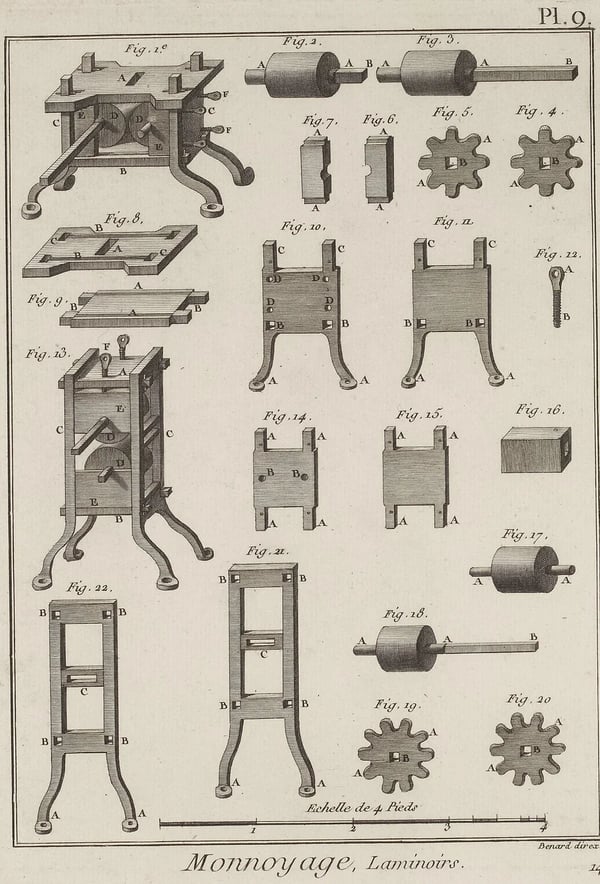
Rolling: the rolling mill presses the metal into flat strips.
Monnoyage, Laminoirs.
Coining, rolling mills
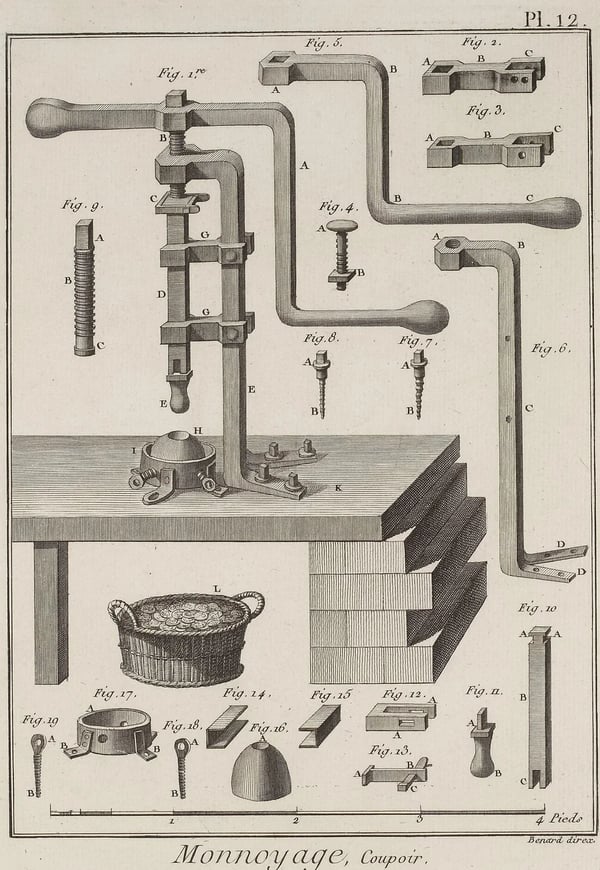
Cutting: a cutting press cuts the round blanks out of the strips.
Monnoyage, Coupoir.
Coining, cutting press
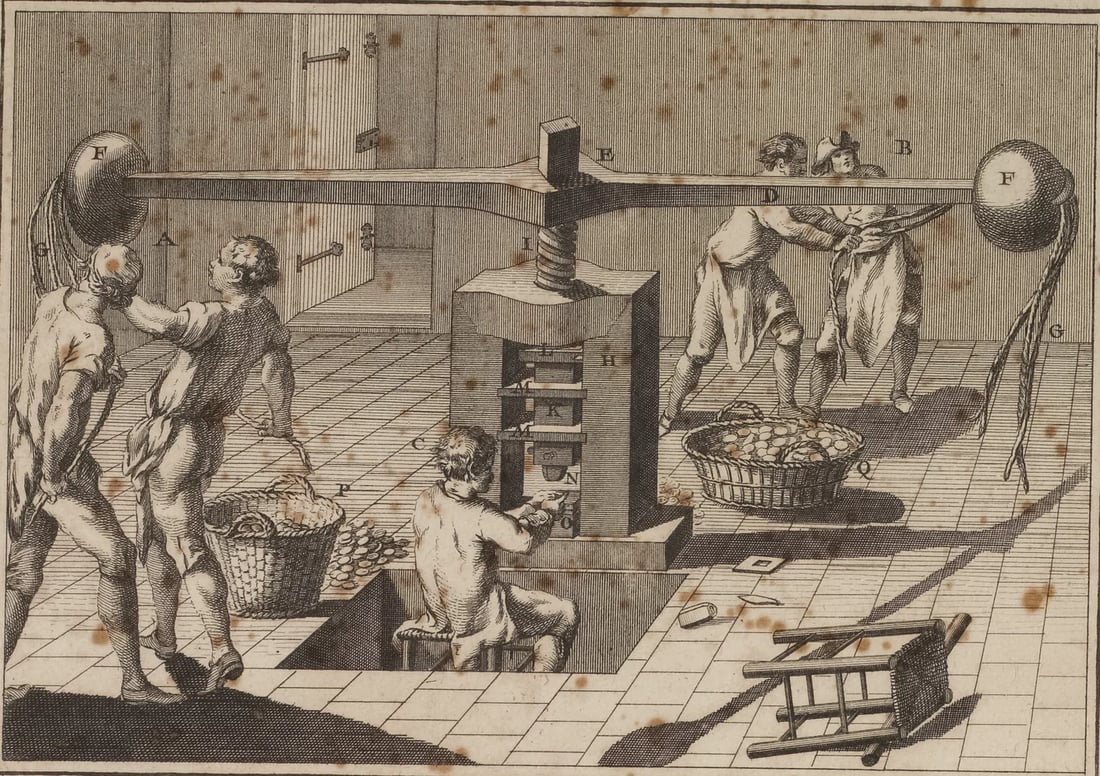
Striking: four men pull the swinging arm round, and a man in the pit feeds in the blanks.
Monnoyage, Balancier.
Coining, screw press (Detail)
Robert Bénard, Encyclopédie, 18th century, Musée Carnavalet
Striking by hand took place between two dies. The upper one was held in the hand or with tongs.
From the middle of the 16th century, machines took over step by step. This is how many coins a machine strikes in one minute:
The edge is given a form too: plain, milled or with lettering. The plate “Castaing” shows a machine that strikes lettering onto the edge.
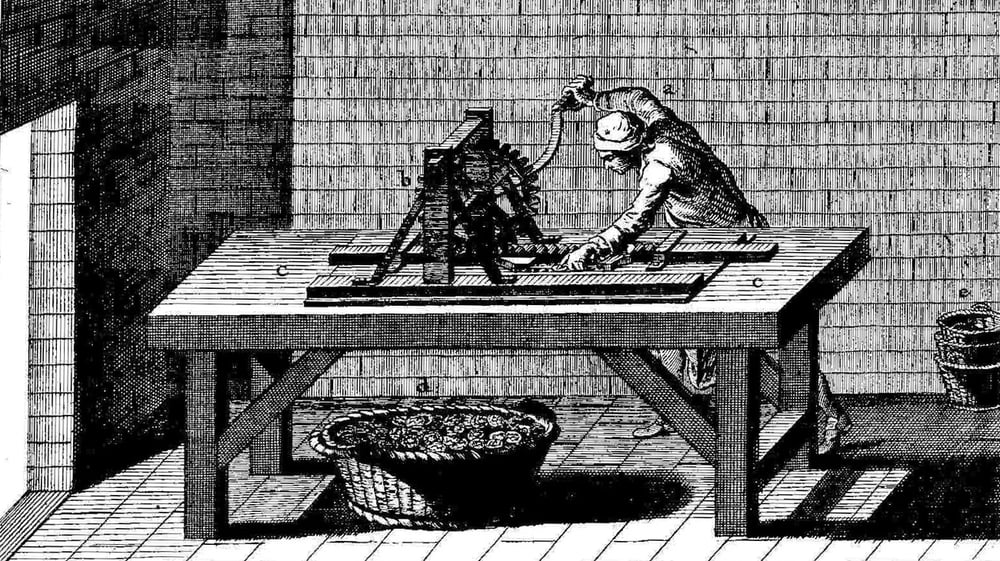
Castaing
Machine for edge lettering
Robert Bénard, Encyclopédie, 18th century
Collector coins of the euro countries must be easy to tell apart from circulation coins. This is why the following applies:
… they must not have a shaped edge with fine scallops or a “Spanish flower” shape.
Regulation (EU) No 651/2012, Article 5(2)(d)The edge of the 10‑ and 50‑cent coins has the fine scallops, and the “Spanish flower” is the shape of the 20‑cent coin.
50 euro, fine silver
20, 50 and 100 euro, gold
5 euro
ERFORSCHUNG DES WELTRAUMS ✦
10 euro
IM DIENST DER GESELLSCHAFT ∙
35 euro
VOHWINKEL BIS OBERBARMEN BIS
Diagram, not to scale. Edges and edge lettering per the 2026 annual programme.
These two coins have a milled edge too.
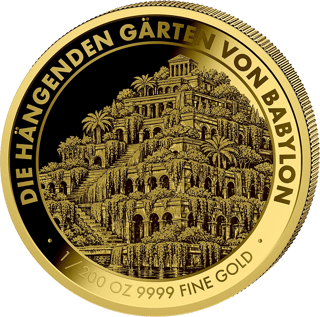 Hanging Gardens of Babylon 2026Gardens of Babylon 2026Gold, 1/200 ounce (0.16 g)Gold, 1/200 ounce
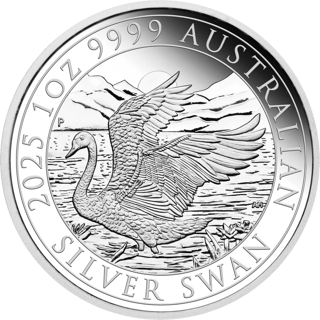
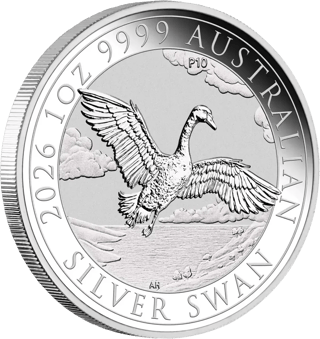 Swan 10th Anniversary 2026Swan 10th AnniversarySilver, 1 ounce (31.1 g)Silver, 1 ounce
Eckhel arranged the coins by place and date. Country and year are still two of the ways to build a collection today. There are three more.
Collector's coins are more than precious metal in coin form: they tell stories, capture moments and fascinate generations of collectors. In finely crafted designs made of gold, silver and platinum, they combine the appeal of the material with artistic minting craftsmanship and strict limitation. The following overview shows what defines a collector's coin, how its value is determined, which series are particularly sought after, and what really matters when buying.
Collector's coins are coins struck with special designs, inscriptions or finishes, clearly setting them apart from ordinary circulation coins. Their designs reference memorable events, popular animals, historic buildings or well-known personalities and are often part of a world-renowned series. Unlike a pure bullion coin, whose value follows the material price, a collector's coin combines two dimensions: the precious metal value and an additional collector's value arising from mintage, design and minting quality.
The low mintages are characteristic. While classic bullion coins are issued in the millions, many collector's editions are minted in only a few hundred or thousand pieces. It is precisely this scarcity that makes them so appealing to silver coin enthusiasts and gold coin collectors alike. Anyone who completes a series over the years collects not just metal, but a coherent piece of contemporary history.
Both types of coin are made of precious metal, but pursue different goals. A bullion coin such as the Canadian Maple Leaf or the Krugerrand lives from its material value and fluctuates with the gold and silver price. A collector's coin, on the other hand, is limited, elaborately designed and often an enhanced special edition of these very same classics. Frequently it is even the same base coin in a special version, for example as a privy mark edition or in Proof quality.
The quality of the strike is decisive for the appeal and the value of a collector's coin. The most important grade for collectors is Proof, also known as mirror finish, the highest minting quality there is. Considerable differences in value can exist between a normal strike in Mint State and the same coin in Proof quality.
The process is elaborate and requires craftsmanship precision. Before striking, both the coin blanks and the die are polished to a high gloss. After striking, the relief and lettering are frosted with a sandblasting gun so that they stand out against the mirrored background. Work is carried out in a meticulously clean environment, usually wearing cotton gloves, and each die is used for only a few hundred strikes before being replaced. The result is the characteristic depth effect that makes a Proof coin an eye-catcher.
In the past, mirror-finish coins were so exclusive that they were given exclusively to state guests and high-ranking dignitaries.
Besides the minting quality, numerous finishes enhance the collector appeal: partial gilding, coloured editions, high-relief strikes with an especially pronounced relief, antique finish, as well as coatings with rhodium or ruthenium. Such versions almost always appear in even smaller mintages and are correspondingly sought after by collectors.
The range extends from individual commemorative coins to series continued over many years. Animal designs, cultural themes and special editions of well-known bullion classics are especially popular. Many collectors have a fixed collecting focus, a core principle among experienced numismatists: specialising in one theme rather than spreading broadly.
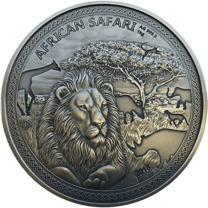
Series centred on African wildlife are among the most popular of all. The Big Five series from the South African Mint depicts the elephant, lion, rhino, buffalo and leopard and enjoys worldwide recognition. The Somalia Elephant, with a design changing annually, as well as marine and wildlife series such as Ocean Five, also have a loyal following. They are usually available in several denominations, from the 1 oz gold coin to the 1 kilogram silver coin.
Many mints use the renown of their bullion coins for limited annual editions. The Krugerrand, for example, regularly appears as a special edition with a privy mark and in Proof quality, as do the American Eagle, China Panda, Kookaburra and the Lunar series with the Chinese zodiac signs. For newcomers, these editions are ideal because they combine a well-known classic with the collector appeal of a limited strike.
German collector's coins are issued by the Federal Ministry of Finance as the official coin issuer, as laid down in the Coinage Act. They are regarded as an expression of cultural and historical identity and honour personalities and themes from science, politics, culture, society and sport. As a rule, ten to twelve German collector's coins are issued each year, with their designs decided by the Federal Cabinet. The designs emerge from design competitions, so that renowned artists shape the motifs; the mint responsible for production can be identified by the stamped mint mark.
They are issued with the euro currency sign in face values from 5 to 100 euros and are official legal tender. A look at recent history shows the creative range: the 5 euro collector's coins in the "Climate Zones of the Earth" series, for example, received a coloured polymer ring that changed colour each year. Historical strikes from the era of the German Empire, by contrast, derive their value from considerable age, low mintage and the material value of the gold and silver coins used at the time.
Good to know
Coins in Mint State quality are issued by the Deutsche Bundesbank at face value. Editions in mirror finish (Proof), on the other hand, are sold at a selling price above face value, with the collector's value already factored into the price.
Whether an inherited collection or a targeted purchase, the decisive question is often: what is the coin worth? The basis for any assessment is correct identification. Most features are struck directly on the coin and can be recognised partly with the naked eye, partly under a magnifying glass.
Once this information is available, comparison with reputable sources helps. An up-to-date coin catalogue and current sales offers from specialist dealers show which trend the price development is following. For particularly valuable or extensive collections, an assessment by an expert or an auction house is worthwhile. Coins without particular collector's value always retain their material value, a gold coin is then valued according to gold content and weight. It is important to avoid dubious private trading platforms, where coins are often traded below their value.
When buying, the classic principles of numismatics apply: buy from specialist dealers, insist on complete authenticity and place value on good condition. New strikes are issued via the Deutsche Bundesbank and reputable specialist dealers, while editions already in circulation should be purchased through experienced dealers to ensure a fair price. As the official German partner of the South African Mint, Kettner Edelmetalle offers certified collector's editions with ISO-compliant authenticity verification and insured shipping.
Condition determines the price of collector's coins; even a fingerprint can reduce the value of a Proof coin. Coins should therefore remain in their original packaging or in suitable coin capsules and be touched as little as possible. For larger collections, coin cassettes or a coin case are recommended. Valuable pieces belong in a safe or a safe deposit box; anyone displaying expensive coins openly may, under certain circumstances, risk their insurance cover and should check with their insurer beforehand.
Unlike with a pure material investment, selling collector's coins for the bare metal price is rarely worthwhile, as this would forfeit the collector's value. It is more sensible to use commission trading through a dealer with wide reach, who sells the coin on behalf of the owner. Depending on market conditions and demand, this takes some time, so anyone wanting to sell should allow sufficient lead time.
Collector's coins appeal to two motivations at once: the joy of a beautiful object and the interest in a valuable addition to a portfolio. Because there are editions in all price ranges, entry is possible even with a small budget, for example with a 1 oz silver coin with a low mintage. Those with more capital available will find a special rarity in rare 5 oz gold editions with mintages of sometimes only a few dozen pieces.
For many, collecting is also a hobby that grows over the years, whether as a gift idea, a memento of an event, or a showcase piece. The emotional appeal and the real precious metal value make up the special charm of these coins. Understood as information and not as investment advice: value performance depends on demand, design and rarity and cannot be guaranteed.
Bullion coins live from their material value and are minted in high quantities; their price follows the precious metals market. Collector's coins are limited, elaborately designed and often enhanced; in addition to the metal value, a collector's value is added, which depends on mintage, design and minting quality.
Proof, also known as mirror finish, is the highest minting quality. The blank and the die are polished to a high gloss, after which the relief is frosted. This creates the characteristic contrast between the mirrored background and the matte design. Proof coins are usually issued in low mintages and are correspondingly sought after.
Collector's coins feature elaborately designed motifs, often coloured, partially gilded or struck in special relief. For precise identification, the country of origin, face value, mint, year of minting and series are decisive; most of these features are struck directly on the coin.
Editions with very low mintages, high-quality minting and popular designs are especially sought after. Historic coins as well as special editions marking social or political events can also increase significantly in value. Alongside the collector's value, the material value always remains an important factor.
Ideally in their original packaging or in coin capsules, touched as little as possible, since even fingerprints can reduce the value. Larger collections can be organised in coin cassettes, while valuable pieces belong in a safe or safe deposit box. It is worth checking insurance cover beforehand.
Numismatics is the study of coins: the scholarly study of coins, money and their history. In everyday usage, collecting coins is also referred to as numismatics.
Stay informed with product launches, financial news and exclusive offers. Sign up for our free newsletter today.
By entering your email address and clicking the "Submit" button, you give the following consent: "I agree to be informed by email about new products, financial news and exclusive offers, and therefore consent to the processing of my email address for the purpose of sending the newsletter. I can revoke this consent at any time without giving reasons, with effect for the future. The lawfulness of processing carried out prior to revocation remains unaffected."