

1 oz Platinum Kangaroo Nugget 2026
£1,881.54
excl. UK import VAT and shipping
Available in 2–3 business days
 +49 7930-2699

 More than 300,000
 Over 30 years
 Secure shipping
 Google: 4.9/5
From nugget to kangaroo.
Stuart Devlin’s 1989 design, now in platinum.


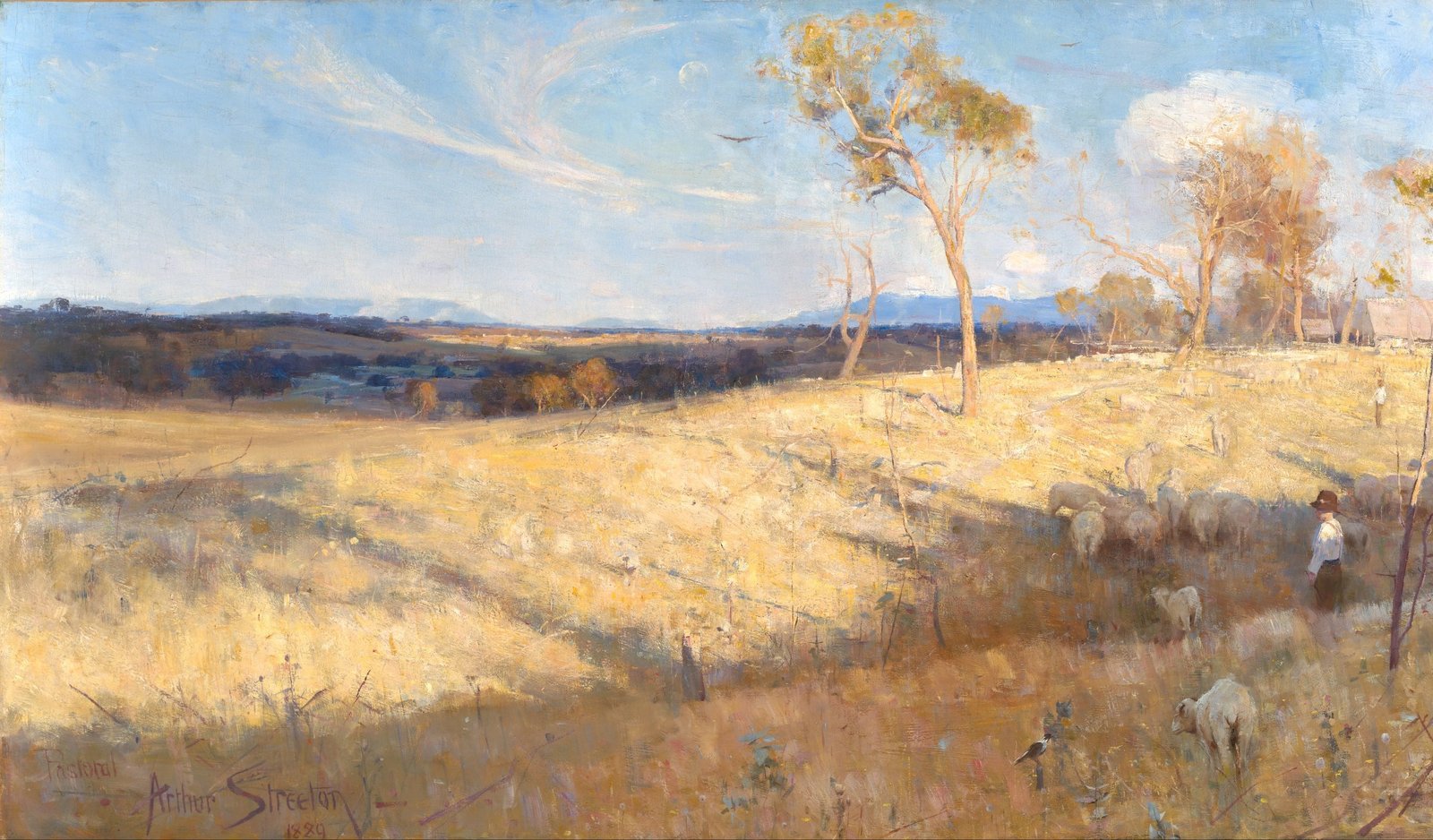
Moliagul, Victoria, 5 February 1869
In Bulldog Gully the Cornish miner John Deason came upon a lump of gold, only a few centimetres below the surface. It yielded about 70 kilograms of gold. To this day the “Welcome Stranger” is regarded as the largest known alluvial gold nugget.
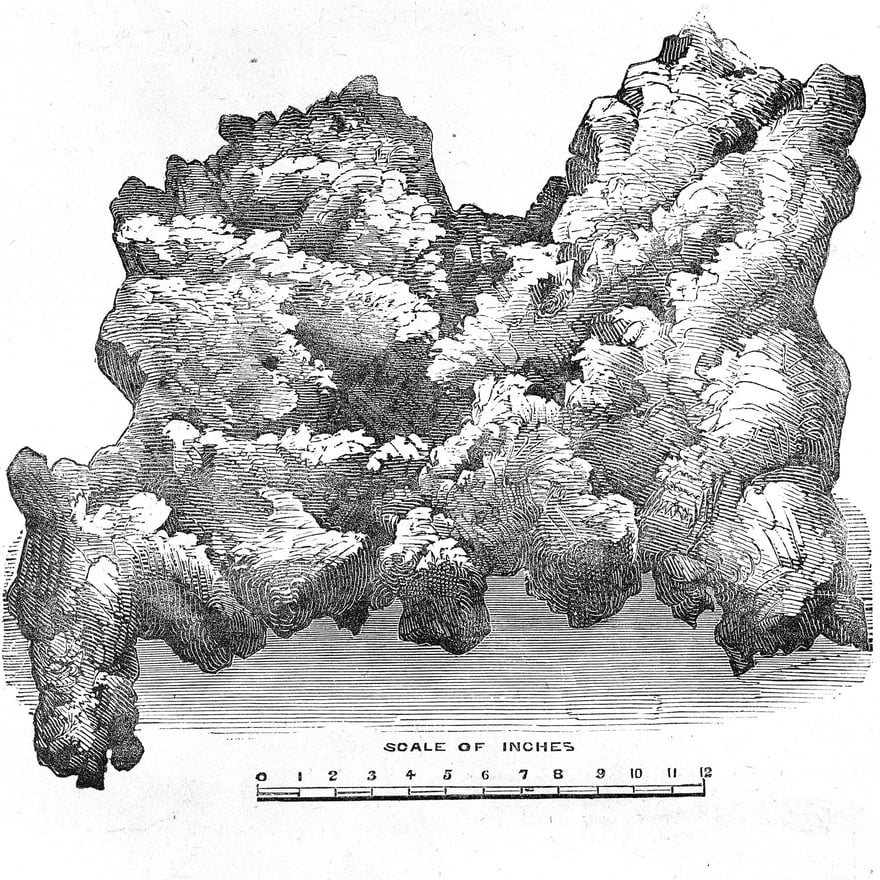
The Perth Mint, opened in 1899 as a branch of the Royal Mint for the gold of Western Australia, issued gold coins in 1986 for the first time since 1931. The series was meant to evoke gold even in its name: it was called the Australian Nugget. Stuart Devlin drew four famous finds for it, one for each size:
In 1989 came the kangaroo. The coin still read THE AUSTRALIAN NUGGET, which is why the German trade knows the series to this day as the Känguru Nugget.
Stuart Devlin, 1989
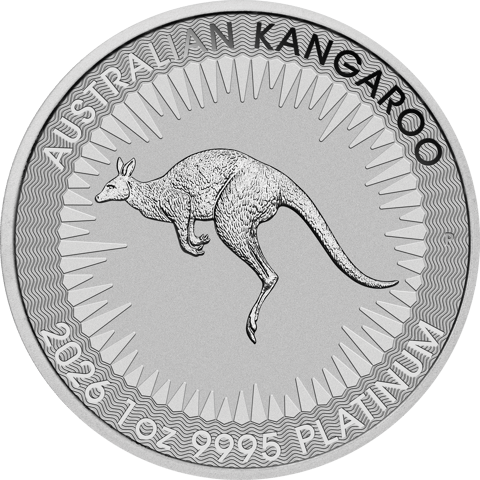
The Perth Mint wanted a design that would be recognised all over the world. The first kangaroo design came from Stuart Devlin: a red kangaroo in mid‑leap, first on the Proof coins and from 1990 on the bullion coins as well.
In 1966 Devlin had already designed the animals on Australia’s cent coins, from the echidna to the platypus. Since 2018 his kangaroo against the rays of the sun has also appeared on the platinum coin.
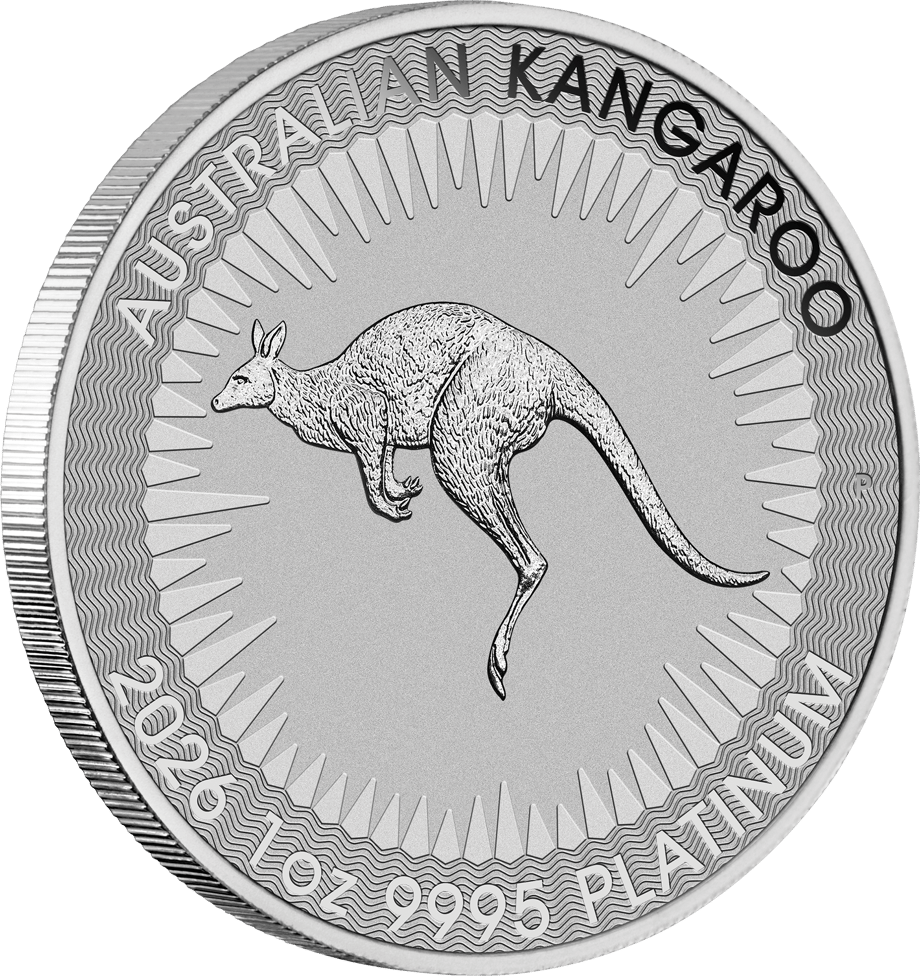
The reverse stayed the same, while portrait and inscription changed on the obverse:
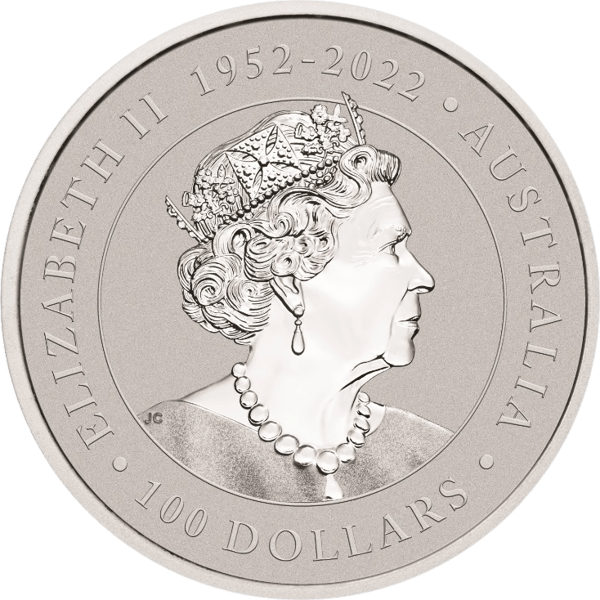
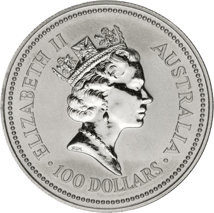
Elizabeth II, portrait by Jody Clark, with the years of her reign, 1952 to 2022
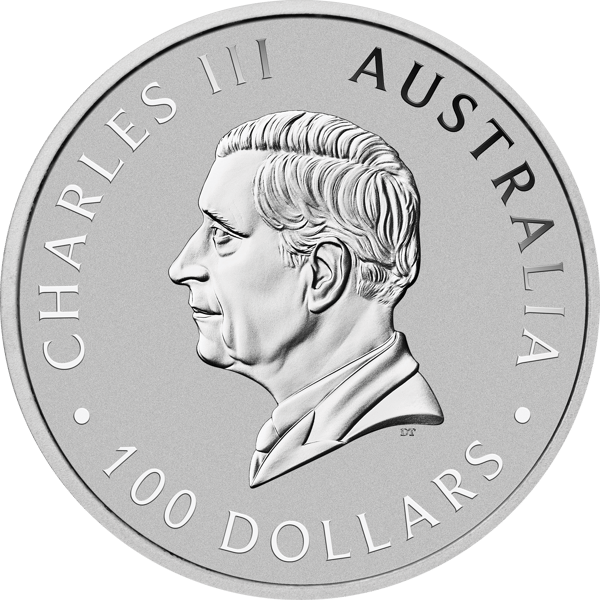
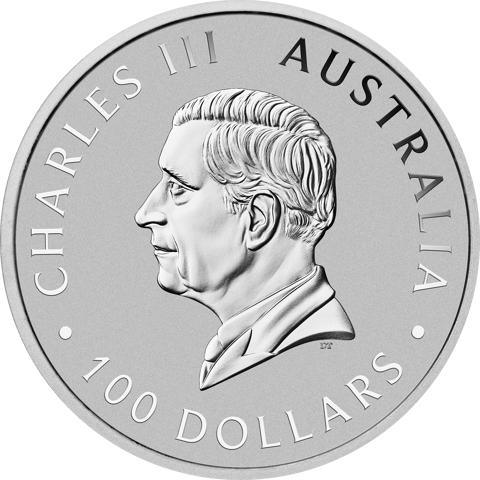
Charles III, portrait by Dan Thorne
View the coinThe Queen faced right; the King faces left. On coins the direction changes with each monarch, following a tradition that goes back at least to the 17th century.
Australian Treasury, 7 December 2023Endeavour River, 1770; London, 1772
The word kangaroo comes from the Guugu Yimidhirr gangurru. The crew of the Endeavour heard it on the Endeavour River in 1770, and on 4 August James Cook wrote “Kangooroo or Kanguru” in his journal.
In London in 1772, George Stubbs painted the animal from sketches and a pelt. He had never seen a living one. His picture is regarded as the earliest painting of a kangaroo in Western art.
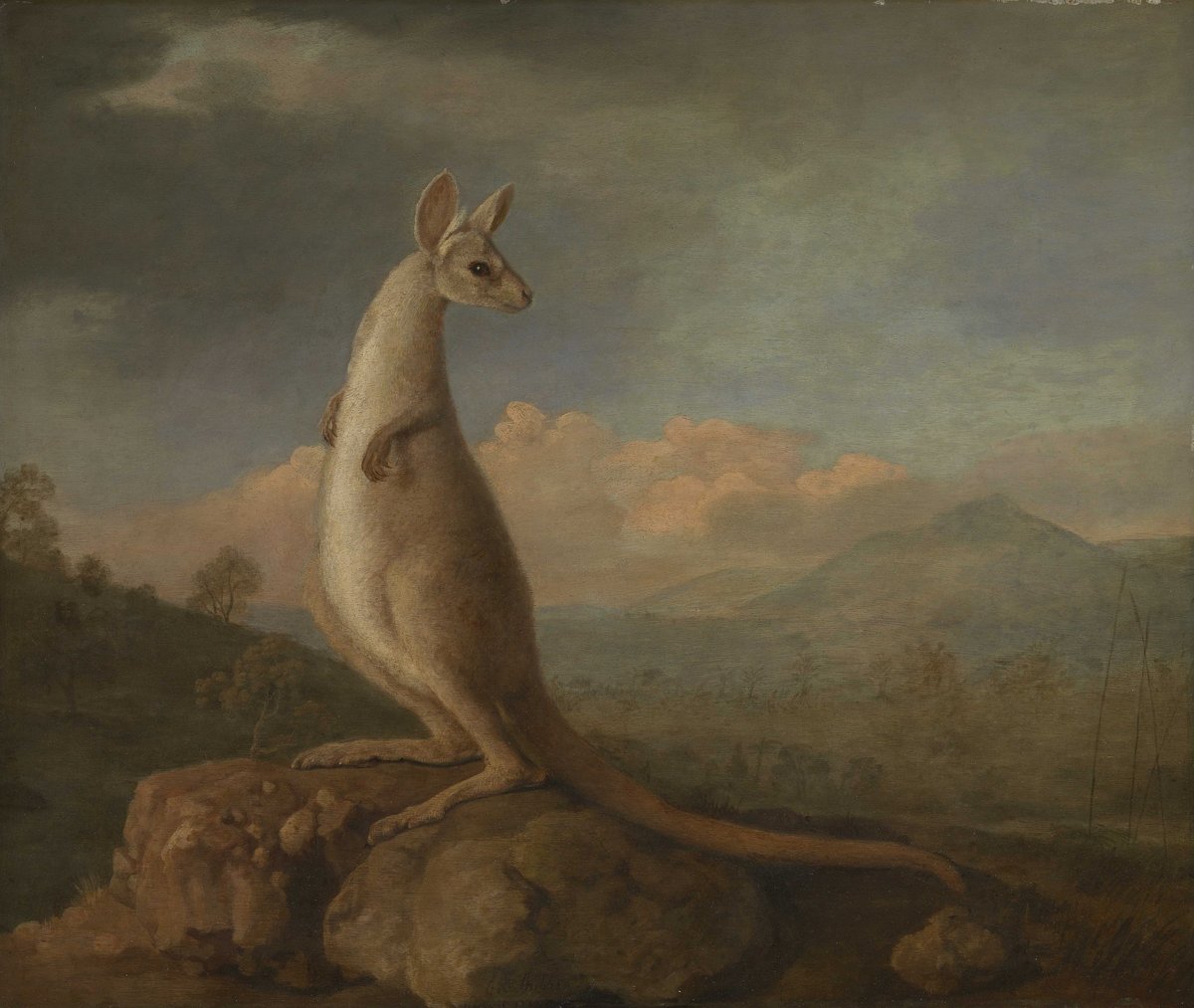
Since 1908 the kangaroo, together with the emu, has held the coat of arms of Australia. Since 1984 five kangaroos by Stuart Devlin have leapt across the dollar coin.
1986 to 2026
For the anniversary, two kangaroos leap across the water on the 2026 gold coins, with mountains in the distance. The privy mark “40” recalls the first issue of the Australian Nugget in 1986. The design is by Neil Hollis.
The gold coins carry the privy mark; the platinum coin does not. It still shows Devlin’s kangaroo.
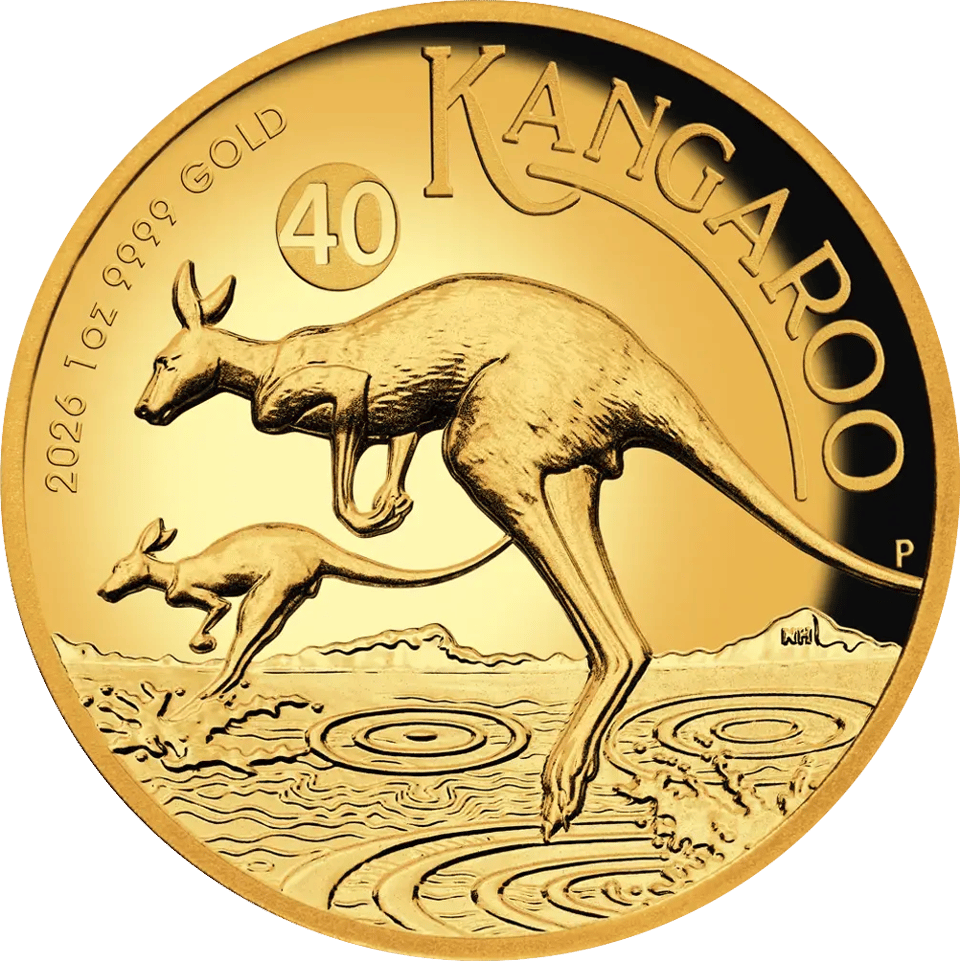 The privy mark 40
 1/10 ounce gold16.60 mm, a maximum of 500 coins
 1/4 ounce gold20.60 mm, a maximum of 500 coins
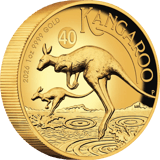 1 ounce gold, high relief27.60 mm on an especially thick blank, a maximum of 200 coins
Proof, fine gold 999.9, in a case with a numbered certificate of authenticity.
In Perth since 1988
The Spanish called the white metal platina, little silver. In 1748 Antonio de Ulloa described it from the gold washings of the Chocó, in what is now Colombia, where it got in the way of the gold seekers.
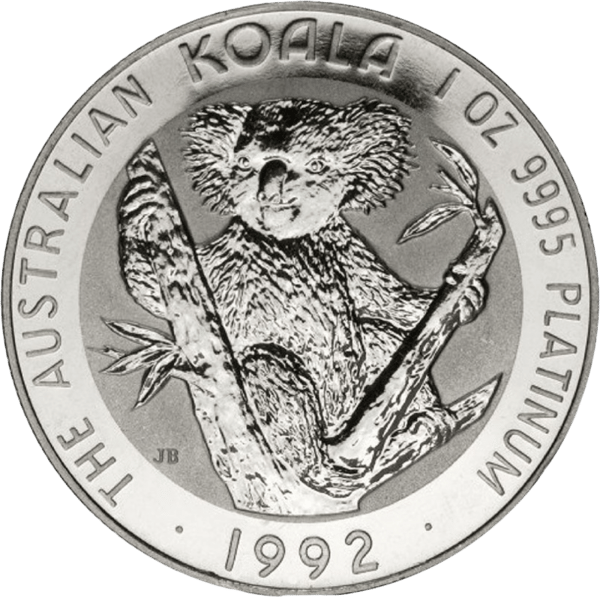
Platinum is denser than gold, and yet The Perth Mint strikes both one‑ounce bullion coins 32.60 millimetres across. Its first platinum coin, in 1988, was the Koala.
 Kangaroo Nugget
Stay informed with product launches, financial news and exclusive offers. Sign up for our free newsletter today.
By entering your email address and clicking the "Submit" button, you give the following consent: "I agree to be informed by email about new products, financial news and exclusive offers, and therefore consent to the processing of my email address for the purpose of sending the newsletter. I can revoke this consent at any time without giving reasons, with effect for the future. The lawfulness of processing carried out prior to revocation remains unaffected."