Only 1 left to order
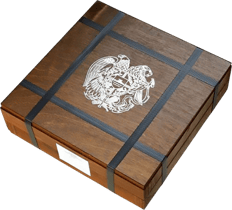
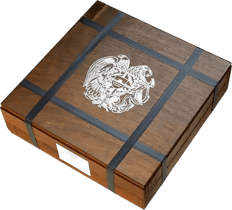
Masterbox 500 x 1 oz Silver Noah's Ark
£42.18
excl. UK import VAT and shipping
Available in 2–3 business days

 More than 310,000
 Over 30 years
 Secure shipping
 Google: 4.9/5


A Masterbox is the original packaging unit in which mints ship bullion coins straight from the factory: a robust container made of plastic, cardboard or wood that bundles several coin tubes and thereby combines 250 or 500 coins of one type into a single, stackable unit. Anyone who accumulates silver and gold coins over the years eventually notices: from a certain quantity onward, it is no longer just the purchase price that determines long-term value retention, but the packaging. The following sections cover formats and capacities, materials and colour codes, protection against scratches and milk spots, suitable boxes and cases for small bars, as well as storage, handling and resale.
Masterboxes originate from the wholesale trade. Mints such as the Royal Canadian Mint, the Münze Österreich, the Perth Mint or the United States Mint do not package their bullion coins individually, but in tubes, and these tubes in turn go into a larger outer packaging. This exact factory packaging unit is the Masterbox. It is built to withstand intercontinental transport, pallet stacking and warehouse handling, without a single coin inside suffering so much as an edge knock.
For investors and collectors, this industrial origin is the real appeal: you get a storage solution designed for far harsher conditions than anything a home safe will ever face. Accordingly, a dedicated market for empty Masterboxes has developed, for everyone who gradually builds up their own holdings of silver coins into a full box.
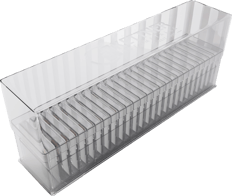
Several different terms circulate in the trade for the same thing. Monsterbox is the Anglo-American term for the 500-coin format, while coin box is used more generally and occasionally also refers to smaller collecting boxes without tube compartments. Masterboxes should be clearly distinguished from coin cassettes and coin cases: these present individual pieces on display trays, whereas the Masterbox is designed for quantity, stackability and transport protection.
A Masterbox is not decoration. It is the decision not to leave a growing holding to chance.
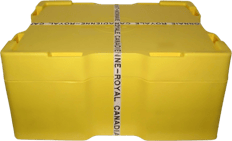
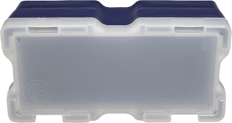
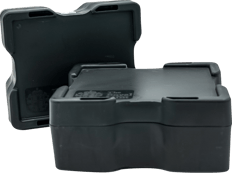
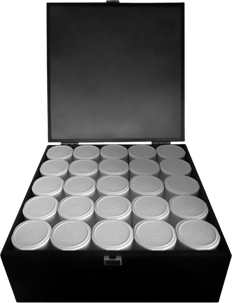
By far the most common format holds 500 troy ounces of fine silver, either as 20 tubes of 25 coins each or as 25 tubes of 20 coins each. That equates to around 15.55 kilograms of pure silver in a container roughly the size of a shoebox. There are also 250-coin boxes, 300-coin cardboard packs and special formats for fractional ounces or 2-ounce coins. It is important to note that each mint follows its own logic, and the boxes are not interchangeable between one another.
| Coin series (1 oz silver) | Breakdown | Total | Typical material |
|---|---|---|---|
| Maple Leaf | 20 tubes of 25 coins | 500 | Plastic, yellow |
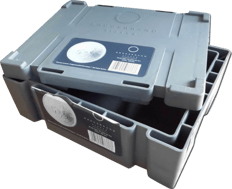
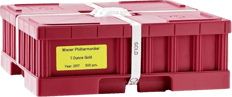
| Vienna Philharmonic | 25 tubes of 20 coins | 500 | Cardboard, grey |
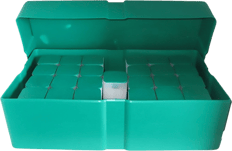
| American Eagle | 25 tubes of 20 coins | 500 | Plastic, green |
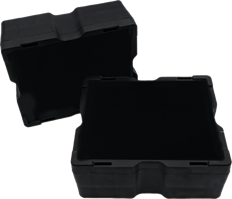
| Britannia | 20 tubes of 25 coins | 500 | Plastic, black |
| Krugerrand | 20 tubes of 25 coins | 500 | Plastic, dark grey |
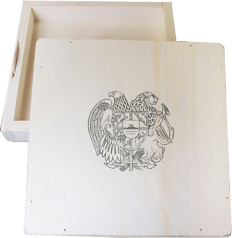
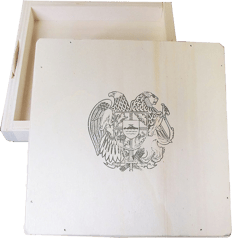
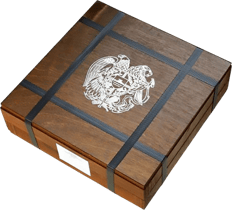
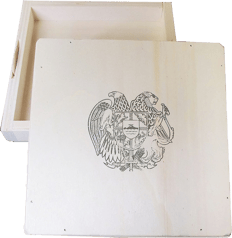
| Noah's Ark | 25 tubes of 20 coins | 500 | Wood, natural |
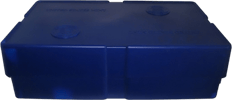
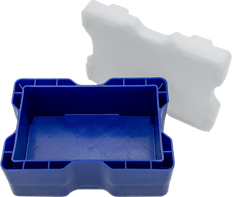
| Kangaroo | 10 tubes of 25 coins | 250 | Plastic, blue and white |
Figures for guidance only: breakdown and design may vary depending on year of issue and mint.
No Masterbox works without coin tubes. The transparent hard plastic tubes hold the coins as a neat stack, keep them in position and prevent any friction between them. It is only the combination of tube and box that delivers the dual protection the system is known for: the tube secures the individual coin, while the box protects the tubes against pressure and drops. Anyone just starting out sensibly begins with individual tubes and adds the box once enough rolls have been collected.
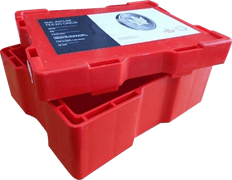
The colour scheme is no accident but an established practice in the trade: yellow traditionally stands for Canadian coins, green for American ones, black for British ones. Anyone collecting several series in parallel can recognise their holdings on the shelf from a distance, a seemingly trivial but, in everyday use, surprisingly practical advantage over neutral storage containers from the collector accessories range.
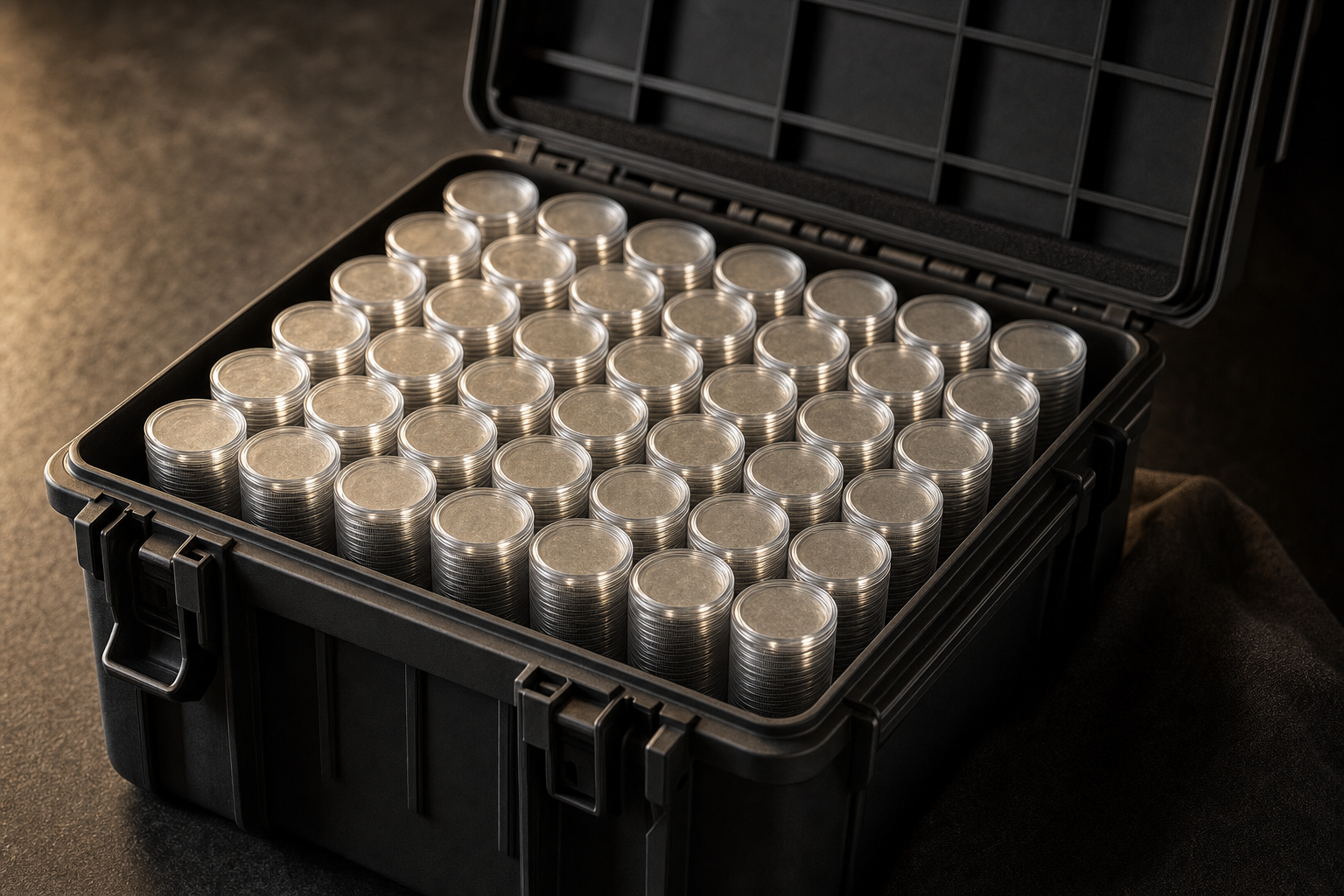
The choice of material determines durability, appearance and price. All three variants have their place, but they meet different requirements.
For pure storage in a safe, plastic is perfectly adequate. Anyone who occasionally displays their holdings or plans to pass them on at some point tends to choose the wooden version, an argument that also applies to high-value gold coins, where the packaging is part of the overall impression.
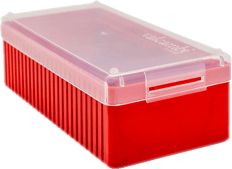
Masterboxes are not limited to coins. With the emergence of divisible small bars and bar series in the gram range, a second segment has established itself: collection and transport boxes as well as cases that hold bars in blister packs or clip systems. They work on the same principle: many identical units, neatly sorted and secured against shifting.
The benefit is the same as with coins: anyone holding many small units, for example built up gradually through savings plan products, needs a system that creates an overview and protects the sensitive surfaces.
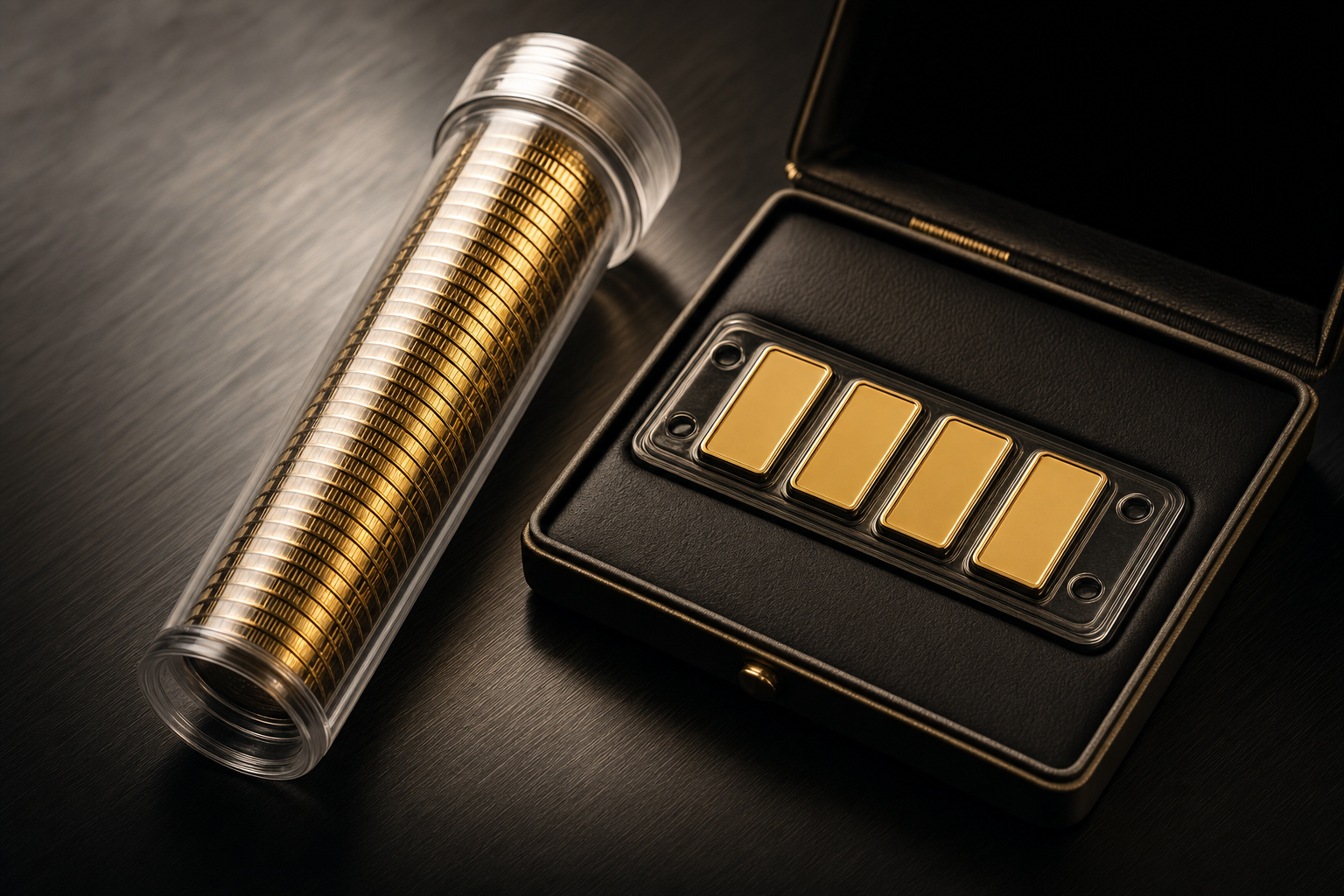
The most common loss of value in bullion coins does not happen in the market, but in the drawer. Silver reacts with atmospheric humidity and sulphur compounds, tarnishing and forming the dreaded milk spots, permanent, cloudy-looking discolourations on the coin's surface. A closed tube inside a sealed box significantly reduces air exchange and keeps dust, textile fibres and fingerprints away.
The mechanical side is equally important. Loose ounces lying on top of one another create fine hairline scratches on the coin's fields with every movement. On a Maple Leaf coin with its finely milled radial lines, or on the Vienna Philharmonic with its large smooth surfaces, this is immediately noticeable. Three basic rules have proven effective:
A full 500-coin box weighs about as much as a well-packed suitcase for a long weekend. Anyone who owns two or three of them quickly has considerable material value concentrated in a very small space, with all the consequences this has for load-bearing capacity, security and insurance cover.
For smaller holdings, lockable containers such as can safes are sufficient, as they remain discreet and do not stand out in everyday life. From several boxes upwards, there is hardly any way around a properly anchored safe or a bank safe deposit box. Home contents insurance only covers valuables up to certain limits; it is worth checking the policy before a holding grows further. For transport between storage locations, padded coin pouches are the more practical choice than the bulky box itself. The journey to your front door is covered in any case: Kettner Edelmetalle ships 100 per cent insured from a fully automated, high-security logistics centre.
Practical tip: leaving it sealed pays off
A factory-sealed Masterbox is easier to trade on resale, because the buyer does not have to check the contents piece by piece. Once the seal is broken, the box is considered opened in the trade and is often valued like loose goods. Anyone who foresees wanting to take out individual coins is better off buying separate tubes for that purpose.
When selling, traceability matters alongside the metal value. Closed units in original packaging signal to the buyer that content and condition match the factory shipment, which shortens the inspection process and generally has a positive effect on the terms offered. Globally established bullion coins such as the Britannia or the silver Krugerrand are the most liquid in this respect, because every dealer knows them and can price them.
From a tax perspective, the box itself is unremarkable: it is an accessory and is subject to the standard VAT rate. What matters is how the contents are treated. In Germany, investment gold is exempt from VAT under § 25c UStG, whereas, since 1 January 2025, newly minted imported silver coins are generally subject to standard taxation; the former margin scheme now mainly applies to older stock and private purchases. The one-year holding period for gains from the sale of physical precious metals continues to apply unchanged. This information is general in nature and does not replace tax advice; anyone comparing quantities and formats will find the applicable taxation listed in the ranges of silver bullion coins and silver bars.
Because boxes are mint-specific, the right approach is through the coin, not the appearance. Five criteria help with the selection:
Not every series is even shipped in tubes: strongly collector-oriented programmes such as the Lunar series come individually capsuled in cardboard boxes, which is why no classic Masterbox exists for them. A look at the packaging unit of the respective coin in the accessories section helps avoid mispurchases here.
The standard format holds 500 one-ounce coins, either as 20 tubes of 25 or as 25 tubes of 20 pieces each. That equates to around 15.55 kilograms of fine silver. There are also 250-coin and 300-coin formats, as well as special versions for fractional ounces and 2-ounce coins.
Generally not. Internal dimensions, tube diameter and compartment layout are matched to the specific coin. Only in exceptional cases do tubes from another mint fit inside, and this is then explicitly noted in the listing. What always matters is the coin series the box was built for.
The Masterbox is bulk packaging for tubes of identical bullion coins and is designed for transport, stackability and protection. A coin cassette, by contrast, displays individual pieces visibly on trays and is aimed at collectors of numismatic items. For mixed collections, cassettes or cases are the better choice.
It significantly slows down the process, because the tube and box greatly reduce air exchange and keep away dust, moisture and skin contact. No packaging offers complete chemical protection. What remains decisive is a dry, temperature-stable storage location without aggressive indoor air.
Measured against the amount of precious metal they hold, Masterboxes are among the most inexpensive accessories there are. Anyone building up their holdings gradually through individual tubes has a clean structure right from the start with the right box, and a visible milestone to work towards.
Yes, although less common. For gold, boxes for fractional-ounce tubes are particularly widespread, for example with British coins. In the bar sector, cases and clip systems for small gram-range formats have become established, fulfilling the same organising and protective function as the classic coin Masterbox.
For pure value retention, a great deal argues against it. An unopened box is considered verified and untouched in the trade and can be passed on more easily as a single unit. Anyone wishing to take out individual pieces or give them as gifts is better off keeping separate tubes or capsuled individual coins ready for that purpose.
 Master Boxes
Stay informed with product launches, financial news and exclusive offers. Sign up for our free newsletter today.
By entering your email address and clicking the "Submit" button, you give the following consent: "I agree to be informed by email about new products, financial news and exclusive offers, and therefore consent to the processing of my email address for the purpose of sending the newsletter. I can revoke this consent at any time without giving reasons, with effect for the future. The lawfulness of processing carried out prior to revocation remains unaffected."