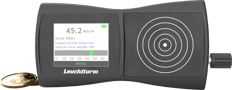
Testing Device for Coins and Bars (AurumXpert Precious Metal Tester)
£839.13
excl. UK import VAT and shipping
Available in 2–3 business days

 More than 300,000
 Over 30 years
 Secure shipping
 Google: 4.9/5
We naturally also offer a wide range of collector's accessories that are indispensable for any collector. With our diverse selection of accessories, you can examine, analyse and evaluate your coins in detail. For example, a scale can be used to determine the weight and carry out an authenticity verification.
Our range is specifically aimed at professional coin collectors.


Collector accessories are the inconspicuous yet decisive foundation of every precious metals collection: gloves, tweezers, a magnifying glass, scales, callipers and a polishing cloth determine whether a coin or bar remains in collector quality for years or irretrievably loses value. This guide explains which numismatic accessories are genuinely needed, how handling, cleaning and authenticity verification can be carried out safely, and what matters when choosing each tool.

Alongside metal value, minting and rarity, the condition of a coin is the most important price factor in numismatic trading. A single fingerprint, a scratch or a layer of grease can permanently diminish the collector value of a coin. Anyone who handles gold coins or silver coins improperly causes microscopic damage that can no longer be corrected later.
Every detail counts, especially with Proof coins and Mint State (MS) issues. The grease on fingers reacts with the metal surface and leaves visible discolouration over time. A well-thought-out set of collector accessories protects against exactly this and preserves the original minting quality. Anyone building up high-quality bullion coins should therefore take long-term value preservation seriously from the very beginning.
The condition of a coin can be protected, but it cannot be recovered: value preservation therefore begins with the very first touch.
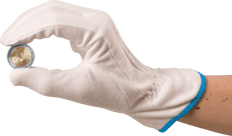
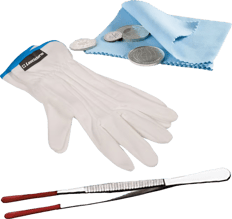
The basic rule of every experienced collector is: a coin is never touched on its surface with bare fingers but is held exclusively by the edge. Three tools have become established for everyday handling, and hardly any collection should be without them.
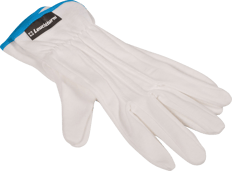
Soft cotton gloves are the single most important entry-level tool. They prevent skin grease and moisture from reaching the surface while also providing a secure grip. Pure cotton sheds little lint and leaves no residue on sensitive precious metal surfaces. They are suitable for gold bars as well as for delicate collector's coins.
For very small coins and small bars, coin tweezers with plastic-coated or rounded tips are ideal. They allow items to be gripped without pressure marks and are particularly useful for fractional denominations such as 1 g gold bars or small gold coins. Metal tweezers with sharp edges are unsuitable, as they cause scratches.
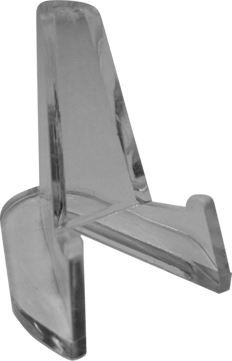
Coin stands and frames are used to display individual pieces. They hold a coin or bar upright without putting any strain on the surface and are suitable for the decorative presentation of special pieces. For permanent, dust-protected storage, however, coin capsules are the better choice.

Authenticity verification is a key topic for anyone who collects precious metals or holds them as an investment. Counterfeits can often already be detected through the combination of weight and dimensions, since every official coin has precisely defined values.
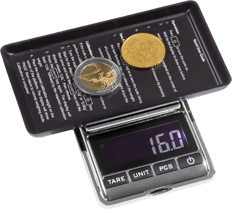
A digital scale with a resolution of 0.01 grams belongs to the basic equipment. Every genuine coin and every bar has a precisely defined target weight: if the measured weight deviates, this is a clear warning sign. This allows the fine weight of issues such as the Krugerrand or the Maple Leaf to be quickly checked.
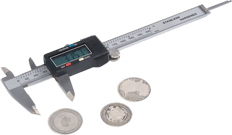
Callipers (a sliding gauge) measure diameter and thickness to within a tenth of a millimetre. Combined with the weight, this produces a very reliable test result, since counterfeits made from base metals almost always deviate in at least one of these dimensions. The target dimensions are publicly documented, especially for standardised bullion products such as the Vienna Philharmonic.
For professional testing, there are electronic testing devices that use conductivity and electromagnetic properties to analyse even the interior of an object, without damaging the surface. They can detect even high-quality counterfeits with a core made of a different metal. Such devices are a worthwhile investment for anyone wanting to regularly check larger holdings of silver bars or gold holdings.
Practical tip on authenticity verification
The most reliable everyday test is the combination of weight and dimensions. If the weight, diameter and thickness match the official target values of the respective coin exactly, a counterfeit is extremely unlikely. An electronic testing device supplements this check but does not replace it.
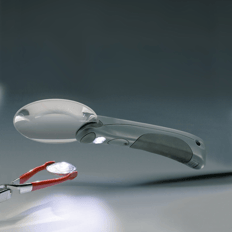
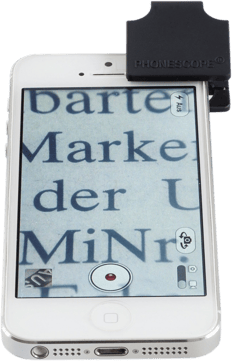
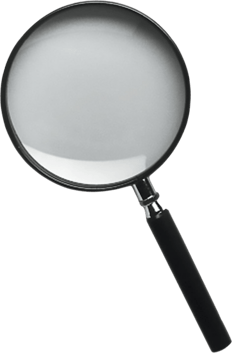
Fine details such as the year of minting, mint marks, edge lettering or microscopic striking errors only become visible under magnification. A good magnifying glass is therefore indispensable for assessing condition and recognising authenticity features.
Anyone assessing collector's coins and limited editions benefits from strong magnification. With classic collector's pieces from the collector's coins range, this makes it possible to reliably assess mint freshness and any potential damage.
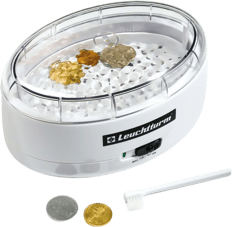
When it comes to cleaning, an important principle applies for collectors: less is more. Improper cleaning can cause more damage than years of proper storage. Aggressive agents, scrubbing or even blades irrevocably destroy the patina and the original surface.
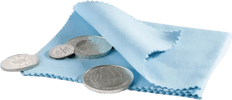
A special coin polishing cloth gently removes loose dirt and light tarnish. It should only be used with gentle pressure and without circular movements. Even the polishing cloth should be used sparingly on valuable collector's pieces, as any mechanical treatment leaves microscopic traces.
Household remedies, chemicals or mechanical cleaning methods are strongly discouraged for collector's coins. An original patina is often considered value-enhancing in numismatic trading and should not be removed. For pure bullion products such as 1 kg silver bars, the metal value is paramount, but even here the rule applies: no scratches, no aggressive treatment.
Tools for handling and testing only realise their full benefit in combination with proper storage. Anyone who handles coins carefully but then stores them unprotected risks scratches, moisture damage and oxidation all over again.
For larger holdings of investment silver, coin tubes and master boxes are also practical. A complete overview of suitable equipment can be found in the Accessories category.
Many collector accessories are not limited to precious metals. Magnifying glasses and tweezers also render valuable service with stamps, banknotes and other collectables when it comes to recognising fine details and authenticity features. Anyone who pursues several collecting fields can cover multiple areas at once with a solid basic set of equipment.
Organised handling and testing also help to keep track of one's own collection when building structured holdings, for example as part of long-term wealth building with savings plan products. Further knowledge on numismatics can also be found in the Books category.
Not every item is needed from the very beginning. A manageable basic set, which can be expanded over time, is sufficient to get started.
Advanced collectors supplement this basic set with an electronic testing device, high-magnification optics and special storage systems. A ready-made accessory set that bundles the most important tools is practical. Anyone expanding their collection with classic bullion pieces such as the gold Maple Leaf will then have the right equipment ready to hand right from the start.
To begin with, coin gloves, a magnifying glass and a precision scale are sufficient. These three tools protect the surface, make it possible to assess condition and allow an initial weight check. Callipers, a polishing cloth and testing devices can be added later.
Intensive cleaning of collector's coins is strongly discouraged. An original patina is often considered value-enhancing, whereas aggressive cleaning causes scratches and loss of value. Loose dirt can only be removed very gently with a polishing cloth.
The most reliable everyday check is the combination of a precision scale and callipers. If the weight, diameter and thickness match the official target values of the coin exactly, a counterfeit is very unlikely. Electronic testing devices offer additional security.
The grease on fingers reacts with the metal surface and leaves visible discolouration and fingerprints over time. Cotton gloves prevent this direct contact, shed little lint and thus permanently protect the collector value.
Yes. Magnifying glasses and tweezers can be used excellently with stamps, banknotes and other collectables to recognise details and authenticity features. A solid basic set of equipment therefore covers several collecting fields at once.
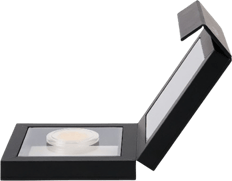
After handling, coins should be stored protected. Coin capsules offer airtight protection for individual pieces, while coin cassettes and coin cases enable organised storage for entire collections. This way, the carefully protected quality is permanently preserved.
 Collector's Accessories
Stay informed with product launches, financial news and exclusive offers. Sign up for our free newsletter today.
By entering your email address and clicking the "Submit" button, you give the following consent: "I agree to be informed by email about new products, financial news and exclusive offers, and therefore consent to the processing of my email address for the purpose of sending the newsletter. I can revoke this consent at any time without giving reasons, with effect for the future. The lawfulness of processing carried out prior to revocation remains unaffected."