Only 5 left to order
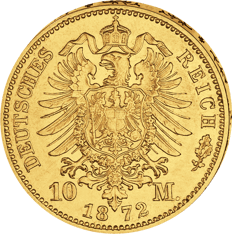
1/4 oz Gold Kaiser Wilhelm I 155 Years of the Gold Standard 2026 (Mintage: 99 | Proof)
£1,668.15£2,087.28
VAT-free and excl. shipping
Ships from 18/12/2026

 More than 310,000
 Over 30 years
 Secure shipping
 Google: 4.9/5
Join us on a fantastic journey through the past! Coin mintings have always sought to commemorate special episodes in history. Yet never before have they been as creative as they are today – modern finishing techniques make it possible to bring designs and reliefs to life more vividly than ever before.


Coins are small time capsules. Anyone holding a historic coin in their hand is also touching the era that produced it: the splendour of the pharaohs, the glamour of antiquity, the turmoil of German monetary history. It is precisely this combination of precious metal and narrative that makes historic coins so fascinating: they preserve memories, honour significant figures and capture momentous events in gold and silver for eternity. The following sections shed light on the most important eras and designs, the differences between collector's and bullion pieces, authenticity and quality features, as well as tax and practical questions surrounding historic coins.
A journey through the past is not only possible through history books. Bullion coins and collector's coins with historic designs also make bygone times visible and tangible. In just a few square centimetres, they tell of rulers, battles, discoveries and cultural upheavals, often more vividly than any description. In doing so, the emotional significance of the design combines with the real material value of the precious metal.
Coin minting has always been intended to commemorate special historic moments. Even ancient advanced civilisations used coins to demonstrate power and spread messages. Today, modern finishing techniques, such as partial gilding, colouring or high-relief minting, bring the old designs to life more vividly than ever. From the golden shine of gold coins to the fine relief work on silver coins, a wide arc spans across the history of humankind.
The variety of designs is as vast as the past itself: Egyptian pharaohs, ancient Greek and Roman coinage, medieval Vikings, the age of discovery or the history of German currency. For collectors, the keepsake aspect is often the main focus, while investors are drawn to the precious metal content; both can be combined within this category.
Historic coins can be classified by era and cultural region. Each region and age brings its own visual language, symbols and stories, a diversity that makes collecting so appealing.
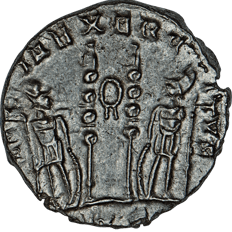
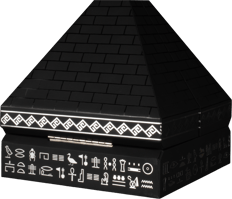
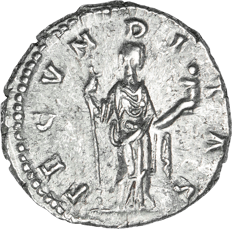
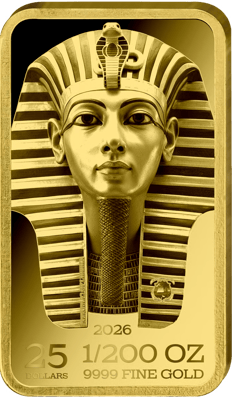
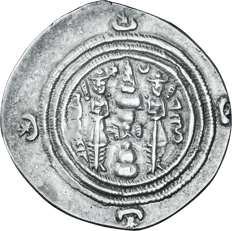
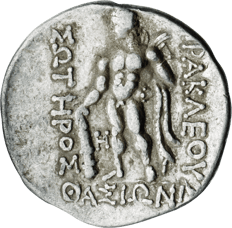
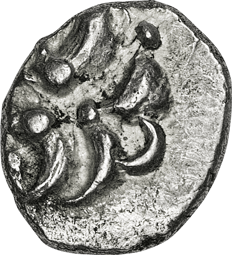
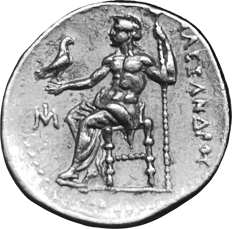
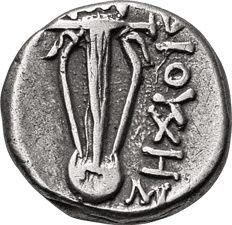
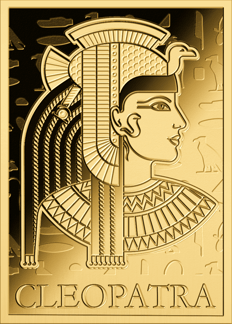
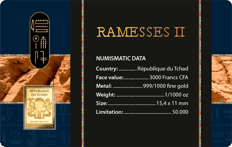
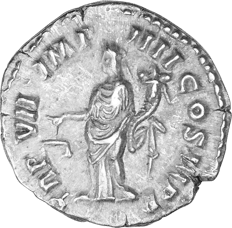
Hardly any era fascinates as much as antiquity. Ancient Egypt, with pharaohs such as Tutankhamun and Ramesses or rulers such as Cleopatra and Nefertiti, offers iconic designs that still inspire awe today. Golden death masks, scarabs and hieroglyphs are artfully recreated on modern coins. Ancient Greece, in turn, is regarded as the cradle of European coin culture: the classic tetradrachm ranks among the most significant coins in history. The Romans spread their coinage across an entire empire, minting imperial portraits that made power and authority visible.
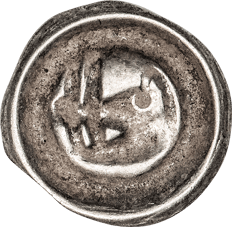
The Middle Ages evoke images of knights, castles and fearless seafarers. Viking designs, with their rugged symbolism, are highly popular, especially in elaborate high-relief versions. On another continent, coins about indigenous peoples, such as the native peoples of North America with totem poles, feather headdresses and wild horses, tell of cultures whose legacy still resonates today.
Also Asia looks back on thousands of years of coin traditions. The spectrum ranges from Chinese history and Japanese samurai to the advanced civilisations of Central America, such as the famous Aztec calendar. These designs combine foreign mythologies and worldviews with the familiar form of the precious metal coin, opening up a view for collectors far beyond the European horizon.
Anyone wishing to trace their own history will find a particularly emotional field in German monetary history. The founding of the German Empire in 1871, the German Empire under Wilhelm I and Wilhelm II, the turbulent Weimar Republic, the Reichsmark, the Deutsche Mark and finally the euro: each era has left behind its own coins.
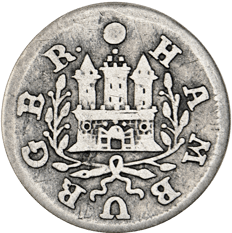
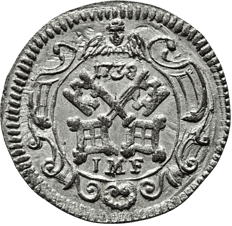
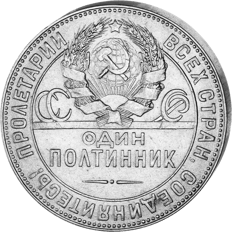
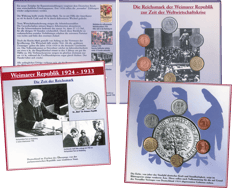
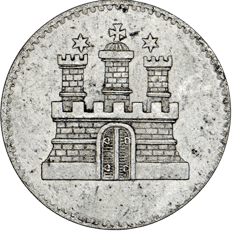
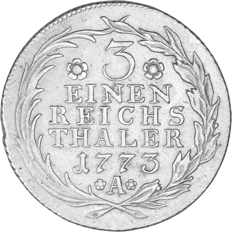
Gold coins from the German Empire are particularly sought after, as are historic German gold coins, which embody the gold standard of that time. Even before the empire's founding, the German states minted their own currencies: from the silver thaler to smaller denominations such as the Pfennig, through to issues from individual duchies, kingdoms and the Free Hanseatic Cities. Coins bearing portraits of rulers such as Wilhelm I or Frederick tell the story of old Germany's federal patchwork. Complete sets that bring together several eras or denominations connect this history into a continuous arc, from the Empire through the Reichsmark and Weimar Republic to the Federal Republic. For many collectors, the familiar Deutsche Mark is a nostalgic anchor in particular: a piece of everyday life that accompanied entire generations.
A coin is memory cast in metal: it outlasts regimes, crises and currency reforms, yet always remains a tangible piece of history.
Historic designs can be found both on pure collector's items and on classic bullion products. The difference determines how a coin's value is made up.
Anyone seeking the collector's aspect should look for small mintages and high-grade condition. Anyone wishing to invest primarily in precious metal should turn to classic bullion coins or to a broader spread across different precious metals such as gold, silver and platinum.
Authenticity and quality are particularly crucial for historic design coins. Several features provide guidance and protect against disappointment.
At Kettner Edelmetalle, products undergo an ISO-compliant authenticity verification before being dispatched by insured shipping. For long-term storage, suitable accessories are recommended: coin capsules protect delicate surfaces from scratches and environmental influences, while coin cases organise an entire collection clearly and securely.
Historic coins raise typical questions about taxes, value preservation and storage. A few basics help with orientation, though they do not replace individual advice.
Tax Notice
Investment gold is generally exempt from VAT in Germany under §25c UStG. For silver coins, however, the margin scheme may apply. The exact treatment depends on the material, origin and finish; in case of doubt, professional advice should be sought.
The value of a historic coin is drawn from two sources: the current precious metal price and the collector's value. Gold in particular is traditionally regarded as a stable tangible asset that is in demand during uncertain times, an idea that links topics such as inflation hedge and retirement provision with collecting. For limited collector's items, the numismatic premium can also grow if demand increases over the years. However, returns are never guaranteed.
A safe or a bank safe deposit box is suitable for secure storage. It is important to protect coins from moisture, touch and mechanical stress. Anyone wishing to specifically expand their collection will also find suitable additions under collector's coins and among the thematic commemorative coins.
The following selection shows how broad this field of topics is, ranging from ancient advanced civilisations to more recent history:
Many of these designs appear in different denominations and metals, from the small 1/200 oz gold bar as an affordable entry point to the 1 oz collector's coin in Proof quality. This means a suitable piece can be found for almost every budget and every passion for collecting.
With bullion coins, the pure precious metal value is the main focus; they closely track the gold or silver price. Collector's coins with historic designs additionally carry a numismatic value derived from mintage, grade of preservation, design and finish. Many historic coins combine both aspects.
Designs from ancient Egypt, Greek and Roman antiquity, the Middle Ages including Vikings, as well as the history of indigenous peoples and Asia, are highly sought after. German monetary history, from the Empire through the Reichsmark to the Deutsche Mark, is also very popular.
Coins with historic designs have a real precious metal value and, in the case of limited mintages, additional collector's potential. Gold is traditionally regarded as a stable tangible asset. However, there is no guaranteed return, as precious metal prices and collector demand can fluctuate.
Coin capsules are recommended to protect the surface, along with coin cases or a safe for the collection. Coins should be protected from moisture, direct contact and scratches in order to preserve their grade of preservation and thus their value.
Proof refers to the highest minting quality, featuring mirror-like fields and frosted design elements. Such coins are struck with particular care, usually in low mintages, and are especially sought after by collectors.
Investment gold is generally exempt from VAT in Germany under §25c UStG. For silver coins, the margin scheme may apply. The exact tax treatment depends on the material and finish; for individual questions, professional advice is recommended.
 History
Stay informed with product launches, financial news and exclusive offers. Sign up for our free newsletter today.
By entering your email address and clicking the "Submit" button, you give the following consent: "I agree to be informed by email about new products, financial news and exclusive offers, and therefore consent to the processing of my email address for the purpose of sending the newsletter. I can revoke this consent at any time without giving reasons, with effect for the future. The lawfulness of processing carried out prior to revocation remains unaffected."