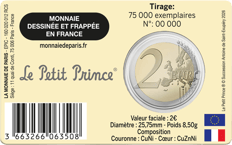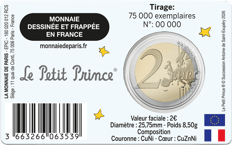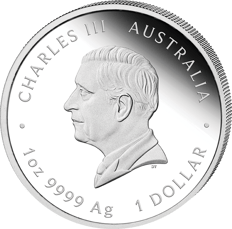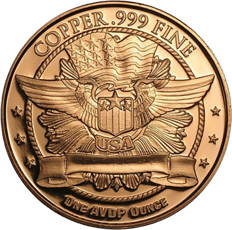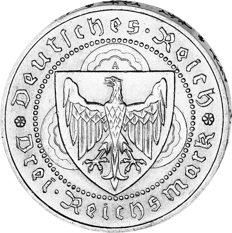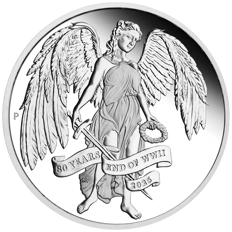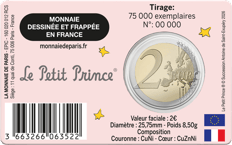
2 Euro 80 Years The Little Prince Book 2026 (Mintage: 75,000)
£20.91
excl. UK import VAT and shipping
Available in 2–3 business days

 More than 300,000
 Over 30 years
 Secure shipping
 Google: 4.9/5
New commemorative coins are released annually for various occasions – not necessarily by public institutions. In addition to honouring UNESCO World Heritage Sites and historical events, great works of art and artists are also celebrated through these minted pieces.


A commemorative coin captures a moment that would otherwise fade: an anniversary, a personality, an event that shaped a generation. Unlike pure bullion coins, these mintages tell a story in precious metal, and that is exactly what gives them their special appeal. This guide explains what defines commemorative coins, what occasions exist for them, how minting qualities and materials differ, and what matters for collecting, storage and long-term value retention.
Commemorative coins are mintages that recall a specific event, person or anniversary. Unlike classic circulation coins, they are not created for payment transactions but as a collector's coin with a clear narrative occasion. Issuers include state mints as well as private mints that realise special themes in limited mintages.
The emotional value often stands equal alongside the material value. A coin marking the fall of the Berlin Wall, the moon landing, or a composer's round birthday combines tangible precious metal with a piece of memory. Anyone passionate about history will find related pieces in the collector's coins section or among the great classics of silver coins.
A commemorative coin is cast memory: it makes an event tangible in the truest sense of the word.
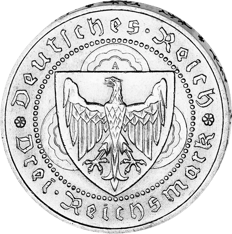
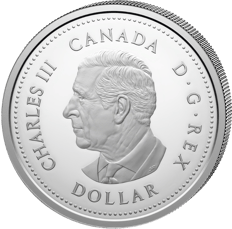
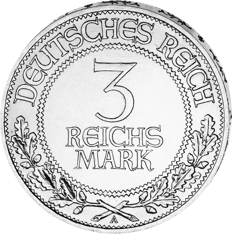
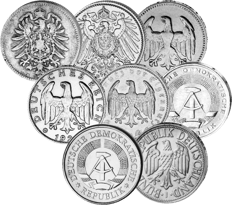
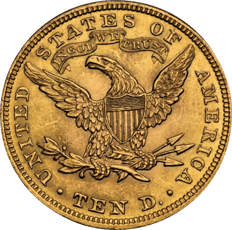
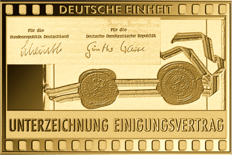
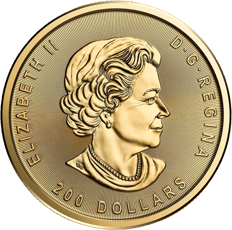
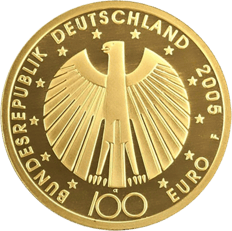
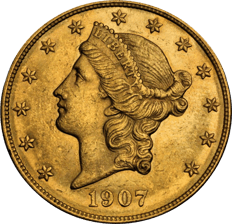
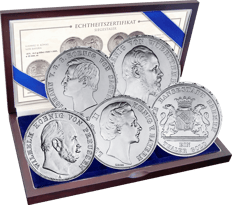
The range of occasions is enormous. The spectrum runs from the founding of the German Empire in 1871 through German reunification to literary anniversaries such as The Little Prince. International themes, too, from the Klondike gold rush to major heads of state, are immortalised in precious metal. Within this category, the subcategories Anniversary, Death Anniversary and Events help you find the right design in a targeted way.
Anyone looking for a design chiefly because of the person depicted will also find what they need in the Personalities theme section; history-rich eras are explored further in the History category.
A distinct and very widespread category is the 2-euro commemorative coin: legal tender with a fixed face value, issued by EU member states for national occasions. They are a popular entry point into collecting, because they are affordably available and clearly organised by theme. In addition, many precious-metal commemorative coins appear as an ongoing series, for instance on historic trade routes, heads of state or literary classics, whose appeal lies in completing the set over several years. Classic 2-euro issues are grouped together in the 2-euro commemorative coins section.
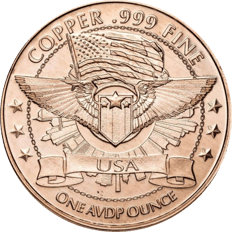
Commemorative coins are minted in various metals, and the choice determines price, value stability and collecting character. Silver is the most popular material for detail-rich designs and offers a good entry point. Gold stands for the highest value density and long-term durability, while copper enables affordable design series for beginners.
For a pure investment without a narrative occasion, it can also be worth looking at bullion coins, whose price tracks more closely to the pure precious metal value.
Hardly any feature influences collector's value as strongly as minting quality. Commemorative coins are frequently issued in particularly high-quality finishes that stand out clearly from everyday circulation coins.
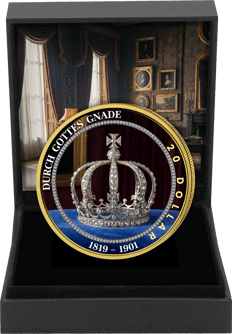
Finishes such as partial gilding, colouring or a high relief further increase the visual appeal. Important for value retention: a coin in Proof quality should never be touched with bare fingers, as traces of grease permanently affect the mirrored surfaces.
The term mintage refers to the maximum number of pieces struck for an issue. It is the central lever for desirability: the smaller the mintage, the scarcer the supply. Strictly limited editions of only a few hundred or thousand pieces are often sold out quickly.
Besides mintage, condition, the popularity of the design and the completeness of a series determine a piece's appeal to collectors. Collectors who wish to complete entire year sequences or series value self-contained thematic worlds, an aspect that distinguishes historical commemorative issues from investment products geared purely towards value appreciation. A small mintage, however, is no guarantee: what always matters is the actual demand for a given design.
What collectors should look out for when buying
Tax classification depends on the material. Investment gold is exempt from VAT in Germany in accordance with the regulations on investment gold, which includes many gold commemorative coins with recognised fineness. Silver, copper and enhanced commemorative coins, on the other hand, are subject to VAT, with imported silver coins frequently taxed under the margin scheme.
For private individuals, the following also applies: a capital gain from precious metal coins is generally tax-free after a holding period of more than one year. Anyone who prefers gold without a collector's premium will find a VAT-free alternative in the gold bars section. These notes do not replace tax advice; in individual cases, expert consultation should be sought.
For a commemorative coin to retain its appeal over decades, proper storage is essential. Precious metals are sensitive to skin oils, moisture and friction, particularly with polished surfaces.
Valuable pieces can additionally be secured in a bank safe deposit box or a suitable safe; further storage accessories can be found under accessories.
Many people begin their collection with a personal connection: their own birth year, an admired personality, or an event that shaped the family. This is exactly where a commemorative coin unfolds its effect: it is tangible, value-stable and carries a story forward. As a gift for round-number birthdays, weddings or anniversaries, it combines sentimental and material value.
As a German family business, Kettner Edelmetalle carries a wide selection of sought-after designs in various metals and qualities. Anyone still undecided will find inspiration in the gift ideas section and, for thematic preferences, can also browse related worlds such as Art and Culture.
Commemorative coins recall a specific event, person or anniversary and are usually issued in limited mintages and high minting quality. Bullion coins serve primarily as an investment, are issued in large quantities and are priced closely in line with the pure precious metal value.
The mintage states the maximum number of pieces struck for an issue. A low mintage means scarcer supply and can increase desirability, but what always remains decisive is the actual demand for the respective design.
Proof, also known as mirror finish, is the highest minting quality. It shows a mirrored background with frosted relief. Such coins should only be handled by the edge and never with bare fingers, as traces of grease permanently affect the sensitive mirrored surfaces.
Gold commemorative coins with recognised investment gold status are generally exempt from VAT in Germany. Silver, copper and enhanced coins, on the other hand, are subject to VAT. A private capital gain is usually tax-free after a holding period of more than one year. This cannot replace individual tax advice.
Ideal are coin capsules to protect individual pieces, as well as coin cases for larger collections, stored in a dry, dark place. This way, surface and shine are preserved in the long term. Particularly valuable pieces can additionally be secured in a safe or bank safe deposit box.
Yes, commemorative coins are a popular gift for round-number birthdays, weddings or anniversaries. They combine a personal occasion with a lasting precious metal value and can be individually selected via the right design.
 Commemorative Coins
Stay informed with product launches, financial news and exclusive offers. Sign up for our free newsletter today.
By entering your email address and clicking the "Submit" button, you give the following consent: "I agree to be informed by email about new products, financial news and exclusive offers, and therefore consent to the processing of my email address for the purpose of sending the newsletter. I can revoke this consent at any time without giving reasons, with effect for the future. The lawfulness of processing carried out prior to revocation remains unaffected."