Only 4 left to order
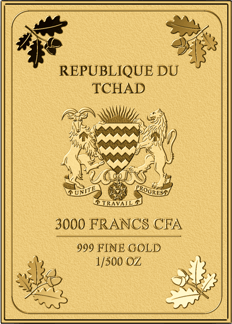
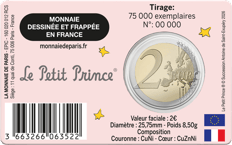
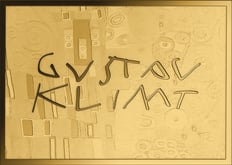
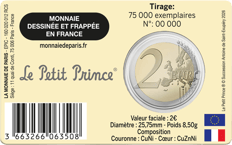
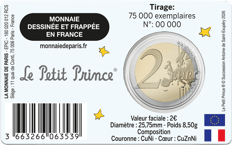
Gold Little Prince 3-Piece Set 2026 (Mintage: 250 | Proof)
£207.44£332.40
VAT-free and excl. shipping
Ships from 18/12/2026

 More than 300,000
 Over 30 years
 Secure shipping
 Google: 4.9/5
Humans are cultural beings. Unlike instinct-driven animals, we adopt the cultural norms and achievements of our ancestors. Whether we indulge in Rock 'n' Roll, create breathtaking works of art or magnificent palaces – we shape the world according to our vision. We would like to present to you the finest cultural achievements that have been selected for special coin editions.


Coins from the Art and Culture theme combine two worlds: the lasting material value of gold and silver and the cultural appeal of great masterpieces. Whether a world-famous painting, an iconic rock band, a classical musical instrument or a literary figure such as the Little Prince, the designs of these coins tell cultural history in miniature. This guide explains which themes and series are gathered in this category, how the collector's and investment aspects differ, what the tax treatment looks like and what to look out for when buying.
Humans are cultural beings. For thousands of years, coinage has documented the state of art, science and society: the ancient coin was always both an image carrier and a means of propaganda. Modern art and culture coins continue this tradition: they transfer famous paintings, buildings and musical icons onto precious metal and turn them into lasting keepsakes. Unlike a reproduction print, such a coin also possesses a physical material value that is recognised worldwide.
The thematic spectrum is broad, ranging from Renaissance painting through Impressionism to classical modernism, from opera to rock 'n' roll, from monumental architecture to key works of world literature. Anyone interested in the artistic design of coins will find points of contact with coins featuring personalities and with the History category, where historical events find their reflection.
Within the category, four dedicated focus areas have been set up as subcategories to make targeted searching easier:

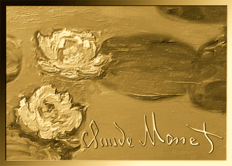
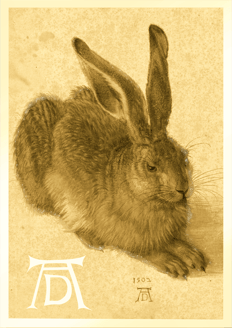
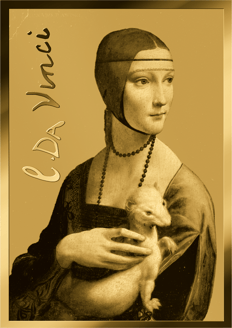
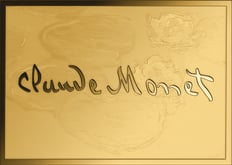
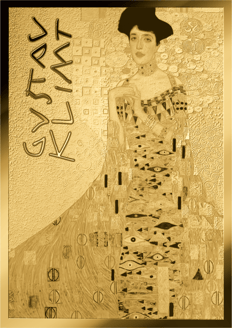
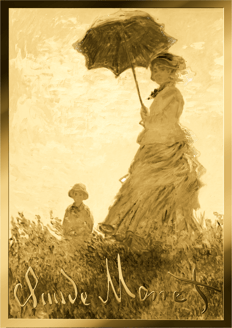
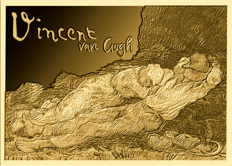
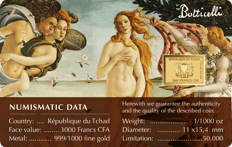
A large proportion of these coins are devoted to painting. The coins take up iconic works and translate colour and composition into relief, colouring or partial gilding. Frequently featured names include Gustav Klimt, Vincent van Gogh, Leonardo da Vinci, Rembrandt, Sandro Botticelli, Claude Monet, Pierre-Auguste Renoir, Jan Vermeer, Carl Spitzweg, as well as representatives of classical modernism such as Franz Marc and August Macke.
The selection of designs covers several eras. Works of the Italian Renaissance stand alongside Dutch Baroque, French Impressionism and German Expressionism. This range makes it possible to build a collection either chronologically by art era or according to personal favourite artists. Anyone wishing to focus on individual painters will find a bundled overview in the Fine Art subcategory.
For a painting to work as a coin design, various finishing techniques are used. Colouring transfers the original colours, partial gilding sets accents against a silver background, and high-relief minting creates sculptural depth. Minting qualities such as Proof or Prooflike provide contrast-rich mirror-finish surfaces that highlight fine details. Comparable techniques can also be found in coloured silver coins from other theme worlds.

Musical culture forms a second major thematic block. It ranges from serious music to pop culture and appeals to classical collectors and music fans alike.
Great composers and orchestral traditions shape this area. Designs include famous orchestras as well as individual orchestral instruments, from strings to brass to the timpani. A dedicated series honouring the composer Wolfgang Amadeus Mozart is gathered in the Mozart series. Anyone interested in Austria's musical tradition will also find the best-known bullion coin with a musical design in the Vienna Philharmonic. A thematic deep dive is offered by the Classical Music subcategory.
Popular culture is represented by series dedicated to legendary bands and solo artists. These coins are mostly issued in silver, often coloured, and appeal equally to fans and design collectors alike. Because the mintages of such music editions are often limited, individual issues develop a pronounced collector's character. The bundled selection can be found in the Rock Music subcategory. Collectors specifically looking for musicians will also find what they need among the musician designs.
Alongside image and sound, the written word and the built monument form further pillars of this category.
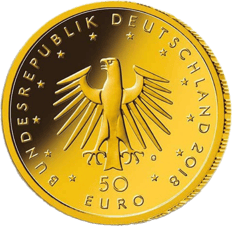
Coins on literary themes honour poets, novels and unforgettable characters. One example is the official German gold euro issues dedicated to Masterpieces of German Literature, which appear as official collector's coins with a legal face value and are dedicated to the classical German canon. These official coins are gathered in the Gold Euro category. The literary figure of the Little Prince also enjoys particular popularity and has been realised in several gold and silver issues. The thematic bundling takes place in the Literature subcategory.
Architecture is culture made solid. Coins depicting monumental buildings, such as sacred buildings and landmarks like the Sagrada Família by architect Antoni Gaudí, bring famous silhouettes onto precious metal. Anyone enthusiastic about built culture will find complementary designs in the Cities and Landscapes and Buildings categories.
Art and culture coins are mostly issued in gold and silver, more rarely in copper-nickel. The choice of material affects price, appearance and value retention alike.
For the pure collector, the design is the main focus; here it is worth orienting oneself by personal taste. Anyone with a stronger focus on value retention will find in classic bullion coins a complement to design-oriented collecting. As a general rule: art and culture coins are primarily collector's items, not pure investment products.
Collector's Value and Mintage
With limited editions, a collector's value is added to the pure material value, fed by the popularity of the design, the mintage size and the condition. Small mintages of a few hundred pieces are only available on the secondary market once sold out. However, no particular performance can be derived from this: not every design is equally in demand.
Art and culture coins move between two poles. The investment aspect is based on the precious metal content: gold and silver are physical tangible assets whose price is formed on the world market and which can serve as a building block for wealth diversification. The collector's aspect is fed by the design, the mintage, the minting quality and the emotional connection.
Both aspects can be combined. An ideally broadly diversified collection contains both design-strong collector's pieces and value-retaining standard products. Anyone who prioritises long-term wealth building can combine design-related purchases with a savings plan for classic precious metals. Topics around value retention and diversification are also covered by the guide pages on inflation hedge and retirement provision.
An art coin unites two levels of value: the lasting precious metal and the cultural statement of the design.
Tax treatment differs depending on the metal and the holding period. Investment gold is exempt from VAT in Germany under the applicable regulations, provided it meets the statutory criteria for investment gold. Silver coins, on the other hand, are generally subject to VAT, and for imported collector's coins often via the so-called margin scheme taxation.
For private sales transactions, the one-year speculation period also applies: if a coin is held for longer than one year, profits from the sale are, under current law, exempt from income tax. If sold within this period, profits may be taxable and must be declared in the income tax return.
Note
The tax information presented serves as general guidance and does not replace tax advice. The individual situation and the applicable legal position are always decisive. Further ranges can be found under Gold Bullion Coins.
When acquiring art and culture coins, several factors determine enjoyment and value retention. The following criteria are worth a close look:
Proper storage preserves the design and surface. Sensitive minting qualities such as Proof are particularly reactive to fingerprints and scratches. Suitable accessories can be found in the Coin Capsules and Coin Cassettes categories; for larger collections, Coin Cases are recommended. For the secure storage of valuable pieces, canister safes or a bank safe deposit box are also suitable.
Kettner Edelmetalle is a German family business founded in 2011, based in Villingen-Schwenningen, and one of the larger online dealers for precious metals. The range in the Art and Culture area includes gold, silver and copper-nickel coins on painting, music, literature and architecture, from affordable design coins to limited collector's editions. Every order is shipped insured. Anyone wishing to expand their collecting field will find connections in related theme worlds such as Symbolism or in the overall overview of all Themes.
Art and culture coins are precious metal coins whose designs are dedicated to famous paintings, musical works, literary themes or significant buildings. They combine the material value of gold or silver with cultural symbolism and are mostly traded as collector's items.
The precious metal content provides a physical tangible asset that can serve as a building block for wealth diversification. However, the collector's aspect is the main focus of these coins. Anyone primarily seeking value retention will find more suitable products in classic bullion coins and bars. A particular performance cannot be guaranteed.
Colouring and partial gilding serve to transfer a painted original onto the coin as effectively as possible. Colours reproduce paintings true to life, while partial gilding sets targeted accents against a silver background. High-relief minting additionally creates sculptural depth.
Investment gold is exempt from VAT if it meets the statutory criteria; silver coins are generally subject to VAT, often via the margin scheme. After a holding period of more than one year, gains on the sale of privately held assets are, under current law, exempt from income tax. This information does not replace tax advice.
Important criteria are the design and series, the mintage size, the condition, and the presence of a certificate of authenticity and original case. For limited editions, a small mintage increases rarity. For value retention, the precious metal content forms the lower limit.
High-quality minting qualities such as Proof should not be touched with bare fingers, as fingerprints attack the surface. Coin capsules protect individual pieces, coin cassettes and coin cases are suitable for entire collections. For particularly valuable objects, a safe or a bank safe deposit box is additionally recommended.
 Art and Culture
Stay informed with product launches, financial news and exclusive offers. Sign up for our free newsletter today.
By entering your email address and clicking the "Submit" button, you give the following consent: "I agree to be informed by email about new products, financial news and exclusive offers, and therefore consent to the processing of my email address for the purpose of sending the newsletter. I can revoke this consent at any time without giving reasons, with effect for the future. The lawfulness of processing carried out prior to revocation remains unaffected."