Only 1 left to order
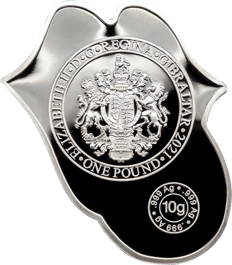
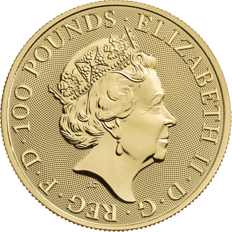
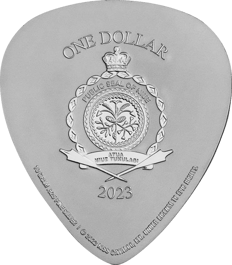
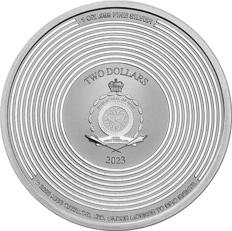
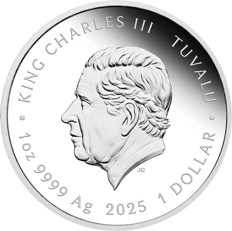
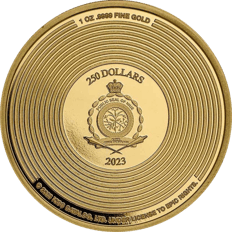
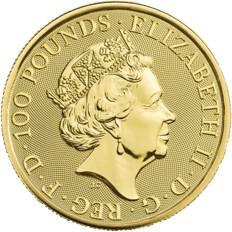
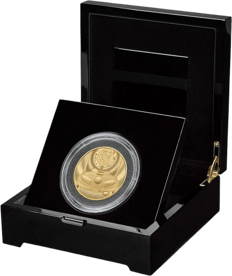
5 oz Gold The Who Music Legends 2021 PP (Mintage: 64 | Proof)
£18,441.86
VAT-free and excl. shipping
Available in 2–3 business days

 More than 310,000
 Over 30 years
 Secure shipping
 Google: 4.9/5


Rock music on precious metal combines two worlds that at first glance have little in common: the rebellious energy of legendary bands and the timeless value stability of gold and silver. Since the Royal Mint 2020 set the starting point with its Music Legends series, a distinct collecting field has emerged that appeals equally to fans, numismatists and investors. This guide examines the history of rock music coins, the most important editions and designs, the available denominations and minting qualities, tax particulars, as well as criteria for buying and storage.
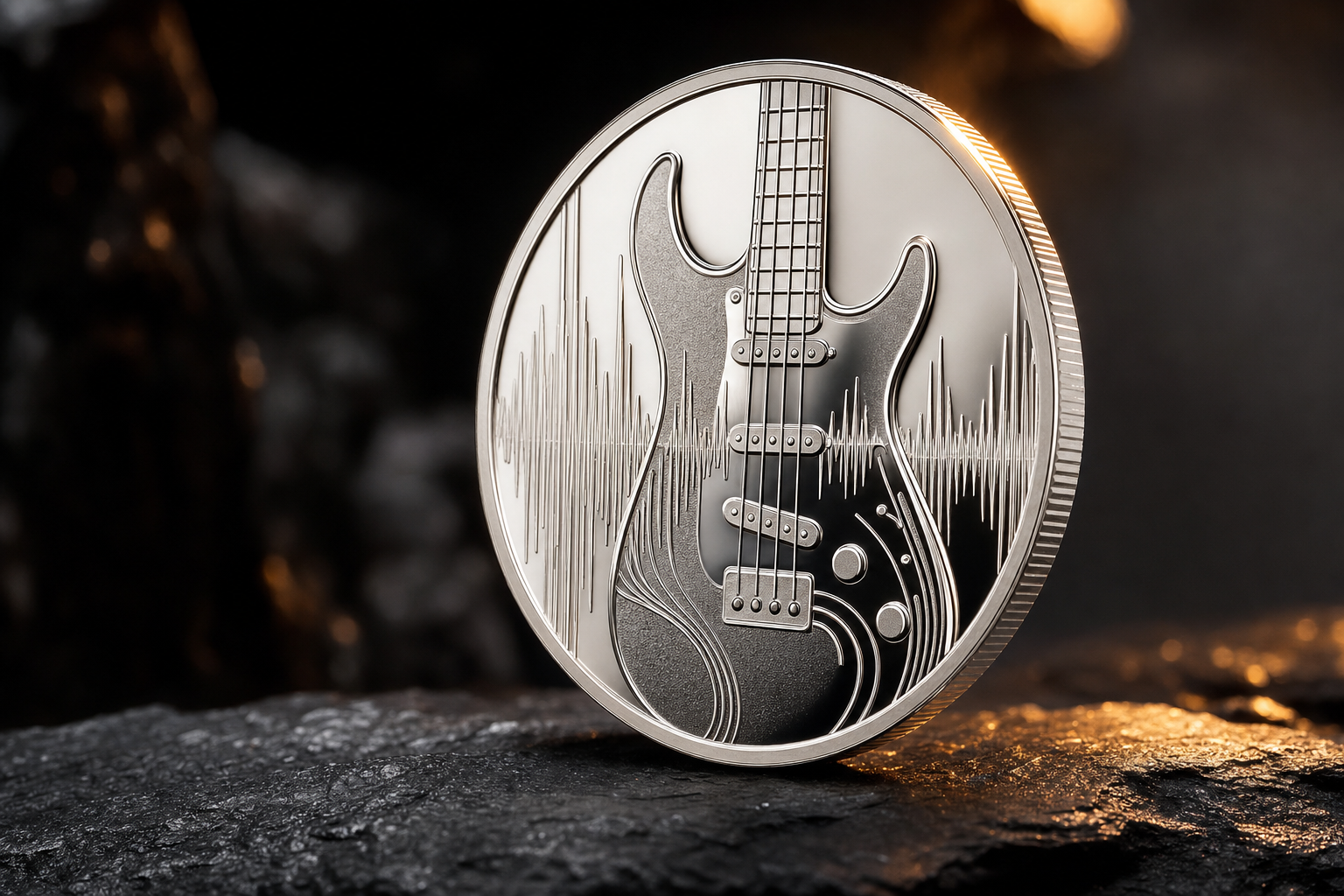
Coins honouring music legends form a comparatively young but rapidly growing niche within modern numismatics. Unlike classic bullion coins, which primarily reflect the metal value, these mintings tell a cultural story. They capture defining moments in music history and appeal to an audience that values the connection to the band just as much as the material worth in fine silver or fine gold.
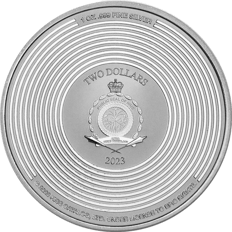
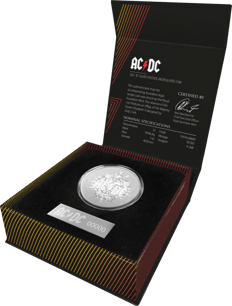
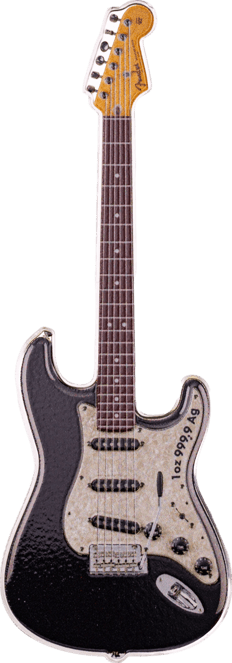
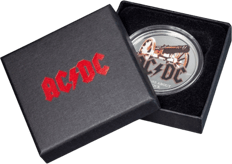
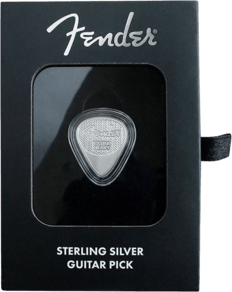
The designs draw on iconic elements: band logos, album covers, instruments and stylised portraits. Characteristic is the close interplay of licensing rights and minting artistry, since every edition is produced in official collaboration with the rights holders of the respective band. This clearly distinguishes rock music coins from plain silver coins featuring animal or landscape designs.
Round-number anniversaries are the most common occasion. A 50th band anniversary, for example, has given rise to several editions, as have commemorative issues marking notable albums. Such references turn these mintings into tangible historical documents and explain why they are often released in small, strictly limited mintages. Readers interested in the historical context of such themed coins will also find related collecting fields under commemorative coins.
The range of rock music coins has diversified considerably in just a few years. Several series have established themselves as fixtures and continue to shape the collecting field today.
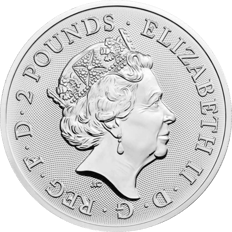
Many of these issues come from renowned mints such as the British Royal Mint, the Perth Mint and B.H. Mayer. The combination of a well-known mint and a licensed design contributes significantly to their appreciation on the secondary market.
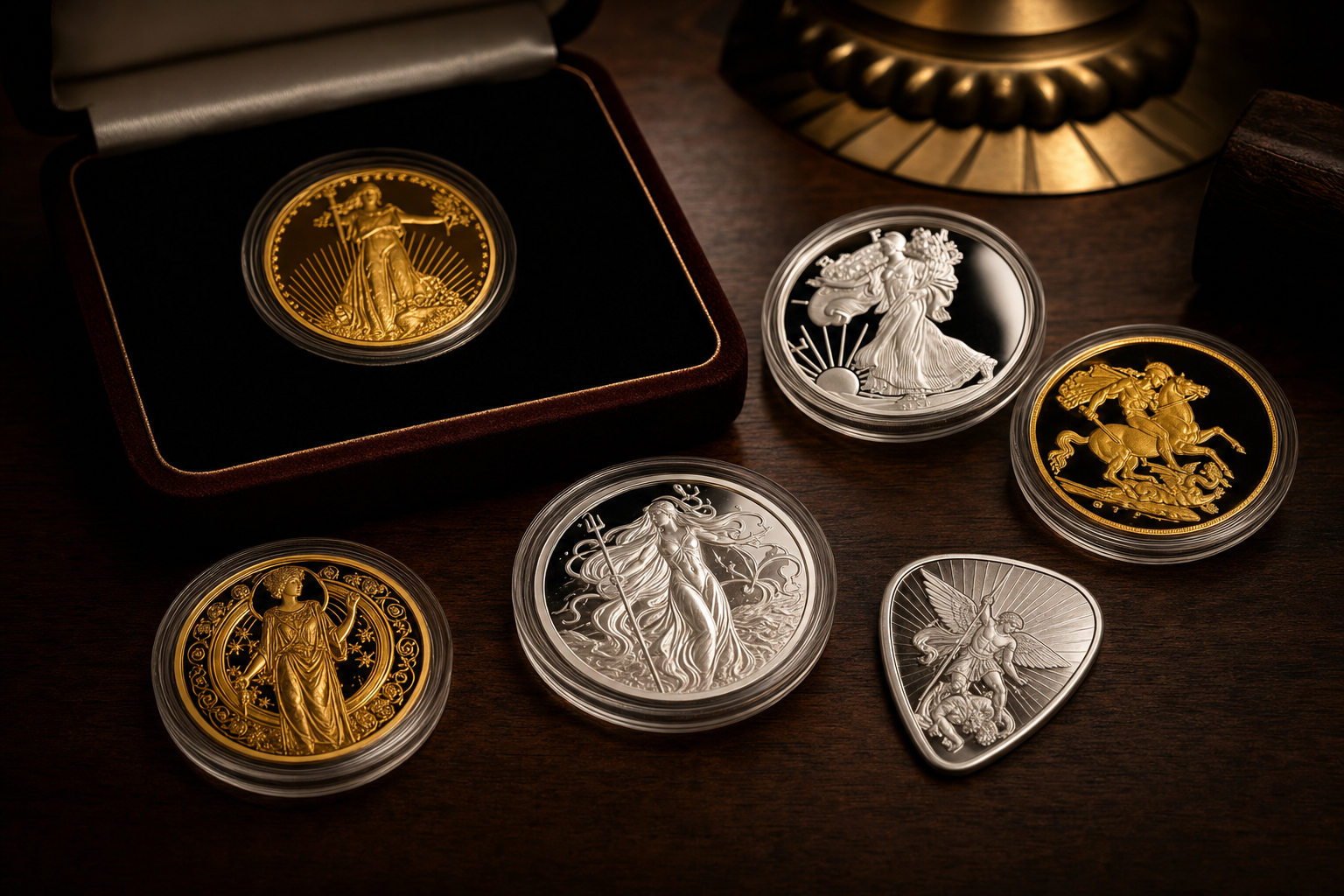
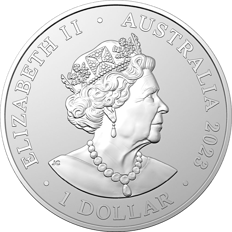
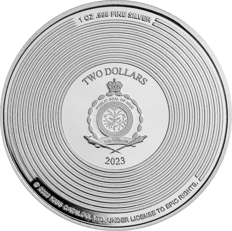
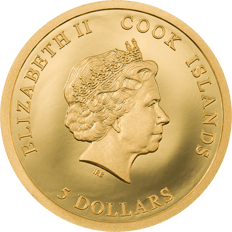
The nominal origin of the coins is international in character. Besides issues from Great Britain, rock music designs also appear with face values from issuing countries such as Tuvalu, Niue, the Cook Islands or Gibraltar. The issuing state determines the face value struck on the coin, while the design and minting usually come from Western European or Australian mints. This arrangement is widespread among modern collector's coins.
Rock music coins are issued in both silver and gold, more rarely in other metals. The range extends from small fractional formats for beginners to heavy multi-ounce mintings for ambitious collectors.
Among the grades of preservation, Proof dominates, brilliant with mirrored fields and matte designs. Alongside this, issues can also be found in Mint State (MS), Prooflike, antique finish and ultra high relief. Additional finishes such as colouring or partial gilding are often added, techniques also used for coloured silver coins and partially gilded issues.
A rock music coin thrives on the interplay between a familiar design and masterful minting artistry, it is both a keepsake and a precious metal asset at the same time.
For collector value, the mintage is the decisive criterion. While some standard issues are produced in mintages of 25,000 to 50,000 pieces, enhanced or high-grade variants are often limited to a few hundred or even fewer than a hundred pieces. This scarcity explains why some issues on the secondary market move well beyond their pure material value.
Those specifically targeting rarity should pay attention to the interplay of low mintage, elaborate finishing and unbroken demand. Similar mechanisms apply to other limited themed series in the rarities category.
For tax purposes, a distinction must be made between gold and silver. Investment gold is exempt from VAT in Germany under §25c UStG, provided the coin meets the criteria for investment gold. Many gold issues in the rock music series are accordingly traded free of VAT, which puts the price in perspective compared with silver.
Tax note
Silver coins are generally subject to VAT, often under the margin scheme. Gold, when it meets the statutory criteria, qualifies as investment gold and is exempt from VAT. For private sales, the one-year speculation period may also be relevant. This is general information and does not replace tax advice.
Since rock music coins are often traded as collector's items, sentimental value and rarity value play a major role alongside the metal value. Those who prefer to focus more on the precious metal value will find alternatives closely tied to the spot price in classic Vienna Philharmonic or Krugerrand issues.
Especially with enhanced and coloured mintings, proper storage is essential for lasting value preservation. Fingerprints, moisture and airborne pollutants can permanently damage sensitive surfaces, particularly on Proof coins, whose mirrored fields reveal even the slightest touch.
For long-term safekeeping, depending on the value of the collection, a home safe, a bank safety deposit box or special storage solutions are all suitable options. Additional collector's accessories help preserve condition and keep an overview over the years.
When buying a rock music coin, it is worth looking beyond the design. The combination of mintage, grade of preservation, completeness of the packaging and precious metal content is decisive.
As a gift, rock music coins are especially popular because they combine a personal passion with a lasting tangible asset. Suitable suggestions can also be found in the gift ideas and gifts made of gold sections. Those wishing to broaden their thematic focus will find further issues related to well-known artists in the musicians category.
Rock music coins are part of a larger cultural collecting field. Thematically, they stand alongside mintings dedicated to classical music, literature and fine art. Together they form the overarching theme area art and culture, which captures cultural milestones in precious metal.
This classification makes clear why rock music coins are far more than mere fan merchandise: they document a defining part of 20th and 21st century pop culture in a material that endures across generations. For collectors who prefer cultural themes, these series combine ideally with other design worlds from the themes section.
Rock music coins combine a cultural and emotional connection to well-known bands with the tangible asset value of gold or silver. They are produced under official licence with the rights holders and are usually issued in limited mintages, which makes them attractive to both fans and collectors.
The starting point was the Music Legends series launched by the British Royal Mint in 2020, honouring numerous British and international artists in gold and silver. It is still regarded today as the reference series for rock music designs on precious metal.
This depends on the precious metal. Gold issues are exempt from VAT under §25c UStG when they meet the statutory criteria, while silver coins are generally subject to VAT, often under the margin scheme. This information is general in nature and does not replace tax advice.
For beginners, the 1-ounce silver coin is a good choice. It combines a generous design area with a moderate price and is widely available across many series. Small gold formats such as 0.5 grams offer an affordably priced alternative in the precious metal gold.
Enhanced mintings should be kept in their original packaging or in close-fitting coin capsules and never touched on the design surface. Dry, cool storage protects sensitive surfaces from tarnishing and damage. The case and certificate should always be kept.
For collector's coins, besides the metal value, the price is primarily determined by mintage, grade of preservation, finishing and demand for the particular band. Strictly limited, elaborately enhanced variants therefore often move well beyond the pure material value on the secondary market.
 Art and CultureRock Music
Stay informed with product launches, financial news and exclusive offers. Sign up for our free newsletter today.
By entering your email address and clicking the "Submit" button, you give the following consent: "I agree to be informed by email about new products, financial news and exclusive offers, and therefore consent to the processing of my email address for the purpose of sending the newsletter. I can revoke this consent at any time without giving reasons, with effect for the future. The lawfulness of processing carried out prior to revocation remains unaffected."