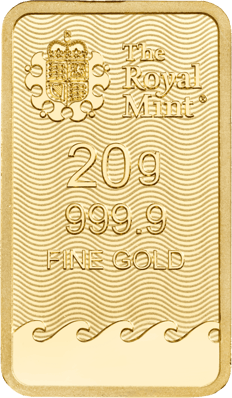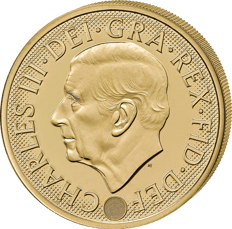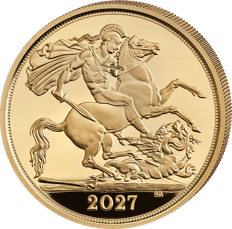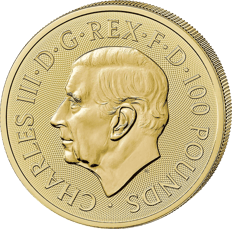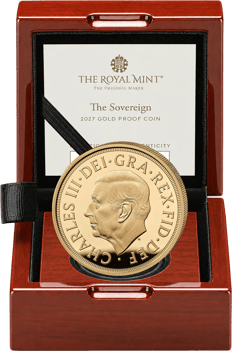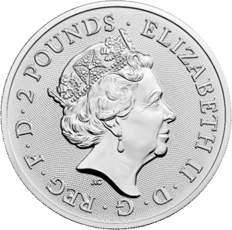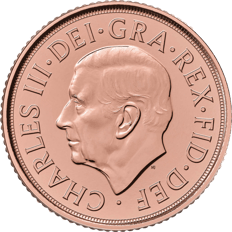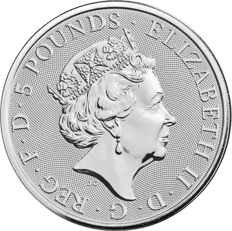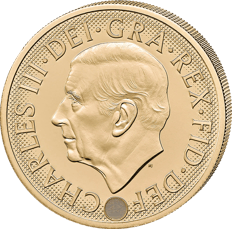


1/10 oz Silver Britannia 2026
£12.99
excl. UK import VAT and shipping
Available in 2–3 business days

 More than 300,000
 Over 30 years
 Secure shipping
 Google: 4.9/5
The Royal Mint has been striking British coins for more than 1,100 years and is owned by HM Treasury.


The Royal Mint, the royal mint of the United Kingdom of Great Britain and Northern Ireland, was established as far back as 886 in London, under Alfred the Great. As the London Mint, it was at that time just one of many mints in England. In addition to countless circulation coins, this venerable yet ever-evolving institution produces high-quality medals of commemorative or honorary character.


Authenticity
Every piece bears the mark of The Royal Mint. Before it goes out to you, we check it ourselves.
Every bullion coin bears the design of its mint and the year it was struck, and almost every one its weight and fineness.
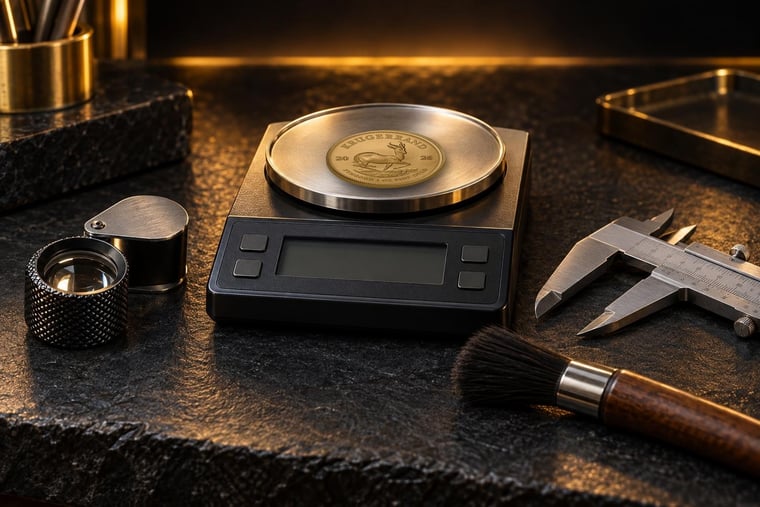
In our CCTV-monitored high-security area, two specialists check every order following the four-eyes principle, including its weight and, by X-ray, its authenticity.
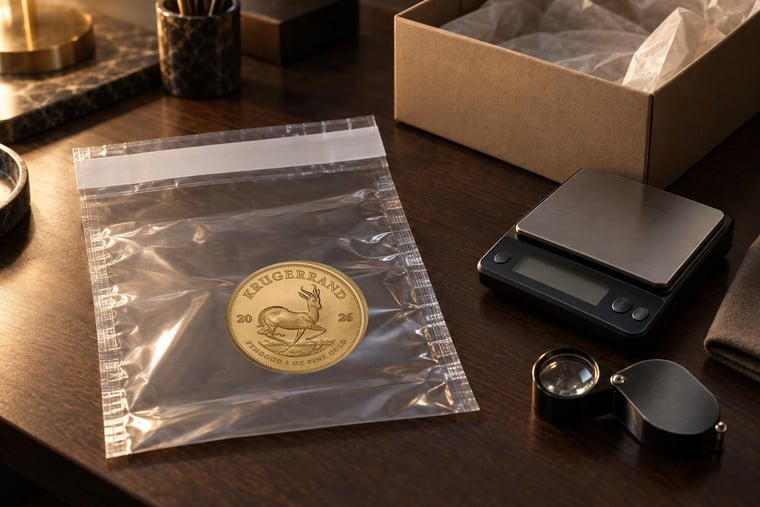
We then seal your order in a security bag that can only be opened once. You will be the first to open it.
Our testing methods
The house
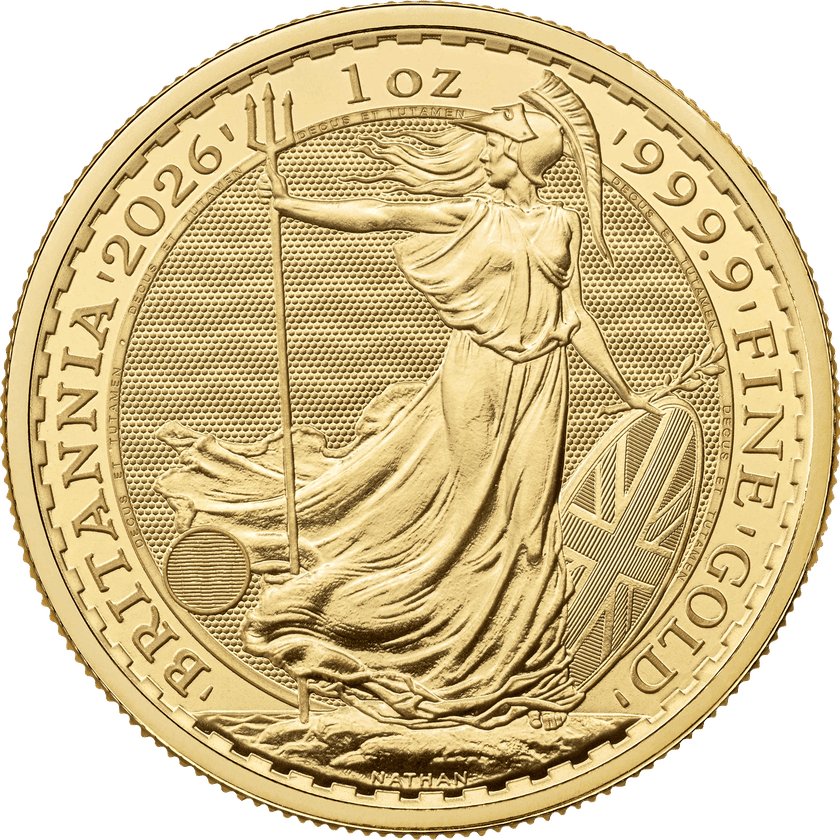
The 2026 gold Britannia carries four security features: the micro-text DECUS ET TUTAMEN, an image in which the trident turns into a padlock when tilted, fine hatched lines and a surface that changes as you move the coin.

Sources: manufacturer’s details, as of 14 November 2026
Hardly any mint combines history and modernity as impressively as The Royal Mint. The United Kingdom's royal mint looks back on over 1,100 years of tradition and today strikes some of the world's most sought-after bullion and collector coins, from the iconic Britannia to the classic Sovereign. This guide sheds light on the house's history, its best-known coin series, authenticity features, tax particulars and what matters when buying and storing.
The roots of the Royal Mint go back to the year 886, when a mint was established in London under Alfred the Great. For centuries, the London Mint was just one of many mints in the kingdom. In 1279, it moved to the Tower of London: behind the same walls where kings imprisoned traitors, the coins of an entire realm were struck for more than five centuries. In the 16th century, the Mint finally obtained the sole right to strike coins throughout the kingdom.
One of the biggest turning points was the switch to the decimal system in 1971: all British circulation coins had to be exchanged, while at the same time numerous countries around the world continued to have their coins struck in Wales. To expand its capacity, the mint relocated entirely to Llantrisant in South Wales by 1980. In 2009, the Royal Mint was converted into an independent company, which remains owned by the British Treasury (HM Treasury) to this day and produces all of the country's circulation coins. Anyone wishing to compare the full range of mints with a long tradition will find an overview of all the mints in our range under coin manufacturers.
The house strikes far more than pure circulation coins. Its reputation rests on high-quality bullion, commemorative and collector coins that find admirers worldwide. Particularly sought after are fine commemorative issues, for example for the Olympic Games, as well as modern bullion coins in gold, silver and platinum. The product range can be roughly divided into four areas:
Among the most iconic series are the Britannia, the Sovereign, and the more recent themed series centred on British heraldic animals. A compact overview of the most important issues:
A chapter of its own is formed by the portrait of Queen Elizabeth II, which shaped the coins for decades and has itself become a sought-after collecting theme today. In addition, the house regularly releases licensed character collections and themed sets in limited mintage, ranging from characters familiar from childhood to pop-culture icons. Anyone wishing to collect entire series will find suitable compilations in the precious metal sets.
The Britannia was first issued in 1987, making it the first European investment gold coin to compete internationally with the American Eagle or the Canadian Maple Leaf. Its central design, the defiant figure of Britannia with shield, trident and helmet, is regarded as a symbol of British strength. The design varies in detail from year to year, which makes the series just as appealing to collectors as it is to investors.
Originally struck only in gold, the Britannia has also been issued in silver since 1997, and additionally in platinum since 2018. The gold Britannia has a fineness of 999.9/1,000, the silver Britannia 999/1,000, and the platinum Britannia a very high degree of purity. Modern years feature advanced security features that protect the coin against counterfeiting.
The Britannia is available in several weight classes, so that both smaller and larger savings amounts can be accommodated:
| Variant | Fineness | Common denominations | Face value |
|---|---|---|---|
| Gold Britannia | 999.9/1,000 | 1 oz, 1/2 oz, 1/4 oz, 1/10 oz | up to 100 GBP |
| Silver Britannia | 999/1,000 | 1 oz (also available in tubes & monster boxes) | 2 GBP |
| Platinum Britannia | 999.5/1,000 | 1 oz | 100 GBP |
The smaller denominations are particularly suited to building wealth step by step, while the 1 oz coin is regarded as a liquid classic. Anyone wishing to invest smaller amounts on a regular basis will find suitable entry-level options among the savings plan products.
The Sovereign is one of the most tradition-rich gold coins there is. With the famous design of Saint George slaying the dragon, it embodies a living piece of coinage history. For decades, the Sovereign served as a reliable means of payment and store of value throughout the Empire. Today, investors value its high level of recognition. The Pacific Sovereign does not come from the Royal Mint: it is struck by the New Zealand Mint for Fiji.
Anyone wishing to compare British gold issues with other world-famous classics will find the full range in the gold coins section, from the Krugerrand to the Vienna Philharmonic.
The Royal Mint is an active member of the London Bullion Market Association (LBMA), the leading authority for quality and purity standards in the worldwide precious metals trade. Coins and bars that meet these standards are regarded as particularly trustworthy on the market. In addition, the house follows the principles of the World Gold Council for responsible gold sourcing.
Modern Britannia years carry several interlocking security features, including microscopically fine surface structures and latent image elements that change depending on the viewing angle. Buyers are nonetheless advised to keep a watchful eye on the following points:
At Kettner Edelmetalle, every piece undergoes an ISO-compliant authenticity verification before leaving the fully automated logistics centre, an important building block for security in the silver and gold trade.
When investing in precious metals, tax treatment plays an important role. Investment gold is exempt from VAT in Germany, which makes gold coins such as the Britannia or Sovereign particularly attractive. For silver coins, by contrast, import VAT is charged, which for many bullion coins is reflected through the margin scheme.
Tax note
Investment gold is exempt from VAT in Germany. When selling precious metals from private assets, a tax-free capital gain may also be possible once the one-year speculation period has elapsed. This is general information and does not replace tax advice.
For coins to retain their value and lustre over the years, correct storage is essential. Precious metals should be kept dry, protected from contact with the surface, and ideally stored individually. Suitable coin capsules and coin cassettes are well suited for this, keeping several pieces tidy and scratch-free. For larger holdings, lockable solutions or a bank safe deposit box are advisable.
British coins unite two worlds: the sober investment aspect of high-quality bullion products and the emotional appeal of limited collector's items. Bullion coins such as the gold Britannia convince through high fineness, worldwide tradability and a close link to the current precious metal price. Collector's issues, on the other hand, score points with small mintages, elaborate finishes and the fascination of British design themes.
For beginners, a mix of both worlds is often appealing. Anyone wishing to start with broad diversification will find proven classics among the bullion coins and ready-assembled bundles in the investor packages. Collectors with a fondness for British history will find what they are looking for in the themed worlds around the British royal family.
A coin is more than precious metal: it tells of kings, wars and continents, and makes history tangible.
The Royal Mint is the official mint of the United Kingdom, with roots going back to the year 886. It strikes all British circulation coins as well as internationally renowned bullion and collector coins such as the Britannia and the Sovereign.
The gold Britannia and the Sovereign are particularly sought after as bullion coins. Both have a high fineness, are tradable worldwide and track the precious metal price closely. Investment gold is also exempt from VAT in Germany.
The gold Britannia has a fineness of 999.9/1,000 and is made of pure gold, while the Krugerrand is struck as a 22-carat coin with a copper alloy. Both are among the most widely traded bullion coins in the world, but they differ in design, tradition and purity.
The gold Britannia is available in 1 oz, 1/2 oz, 1/4 oz and 1/10 oz. The smaller denominations are well suited to building wealth step by step, while the 1 oz coin is regarded as a particularly liquid classic.
Coins should be kept dry, protected from fingerprints and, ideally, stored individually. Coin capsules and coin cassettes protect the surface from scratches, while a safe or bank safe deposit box provides additional security for larger holdings.
The Royal Mint is an active member of the London Bullion Market Association (LBMA) and follows the principles of the World Gold Council. This means its products meet internationally recognised quality and purity standards.
 The British Royal Mint

Personal advice
Our client advisers know the range of The Royal Mint and help you choose, by phone or at an appointment that suits you.
Monday to Friday, 8 am to 8 pm
Stay informed with product launches, financial news and exclusive offers. Sign up for our free newsletter today.
By entering your email address and clicking the "Submit" button, you give the following consent: "I agree to be informed by email about new products, financial news and exclusive offers, and therefore consent to the processing of my email address for the purpose of sending the newsletter. I can revoke this consent at any time without giving reasons, with effect for the future. The lawfulness of processing carried out prior to revocation remains unaffected."