Only 5 left to order
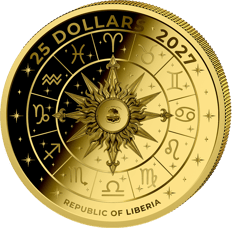
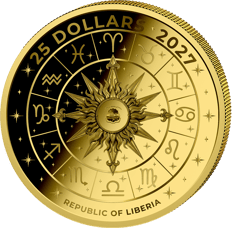
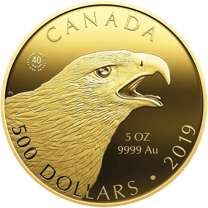
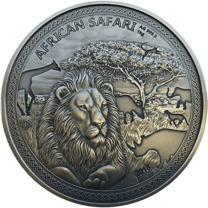
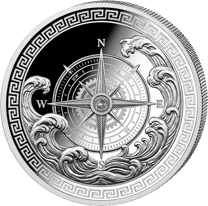
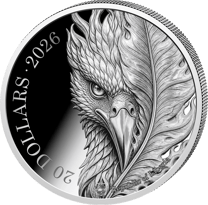
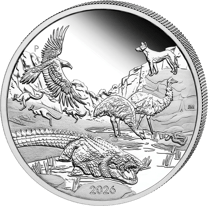
African Big Five – 5-Piece Gold Set 2026 (Mintage: 200 | Proof)
£332.73£499.51
VAT-free and excl. shipping
Ships from 21/12/2026

 More than 300,000
 Over 30 years
 Secure shipping
 Google: 4.9/5

Collector's coins typically include limited gold and silver coins with regularly changing designs. Coin collectors appreciate their beauty and the potential for increasing collector's value.


Old coins became collections, and collections became a science.
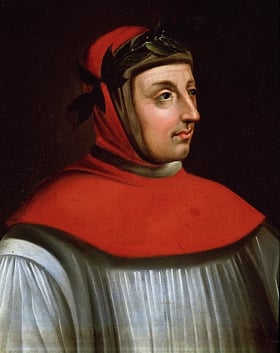
The poet Petrarch gives Charles IV some ancient gold coins and tells him about the Caesars.
Petrarch, French school, 17th century, Versailles, Musée du Château
In 1649, the holdings of the Electors’ Kunstkammer in Berlin comprise around 5,000 mostly ancient coins.
Each dot is one coin, each band 1,000: around 5,000 in Berlin, 1649.
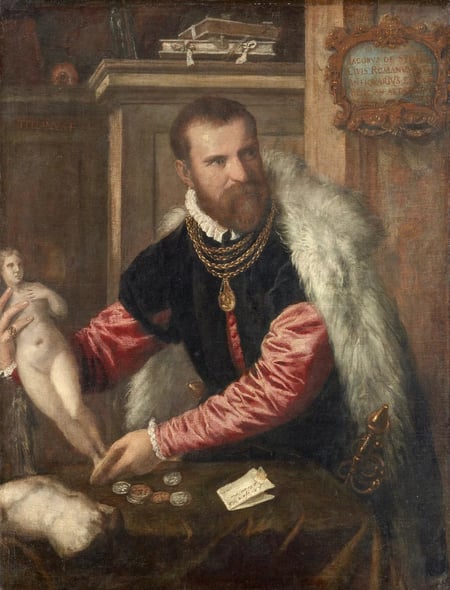
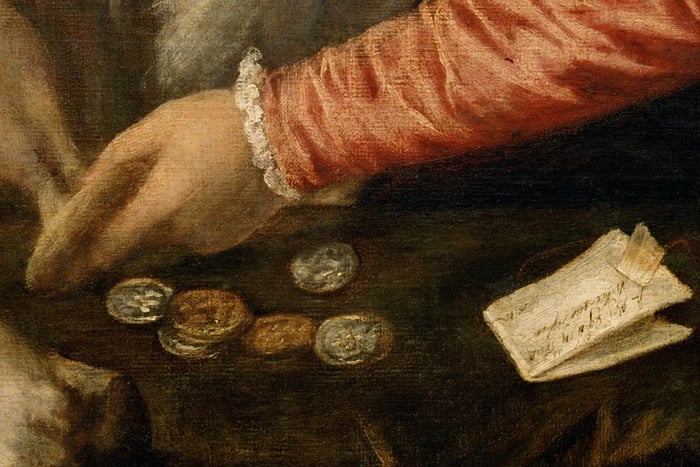
Detail: the coins on the table
Around 1567/68, Titian paints Jacopo Strada, according to the museum above all an antiquities dealer working internationally. Coins lie in front of him.
Titian, Jacopo Strada, around 1567/68, Kunsthistorisches Museum Vienna
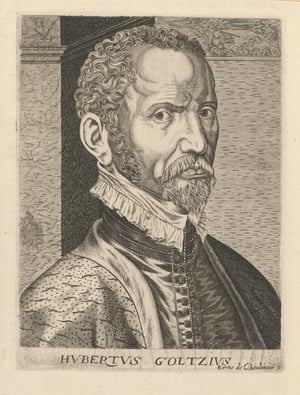
In 1557, Hubert Goltzius publishes a book with portraits of almost all the emperors, based on their coins.
Vivae omnium fere imperatorum imagines
Hubert Goltzius, copperplate engraving by Edme de Boulonois, Brussels 1682, Rijksmuseum Amsterdam
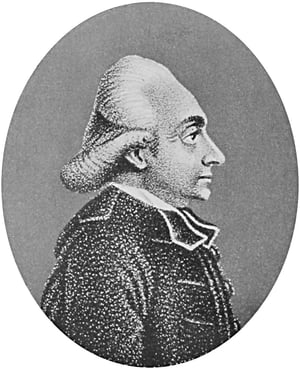
Joseph Hilarius Eckhel arranges the coins by place and date. He is regarded as the founder of scientific numismatics, the study of coins.
Doctrina numorum veterum, 1792 to 1798
Joseph Hilarius Eckhel, anonymous engraving, from Alfred Gudeman, Imagines philologorum, 1911

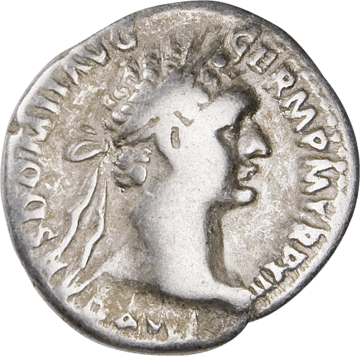
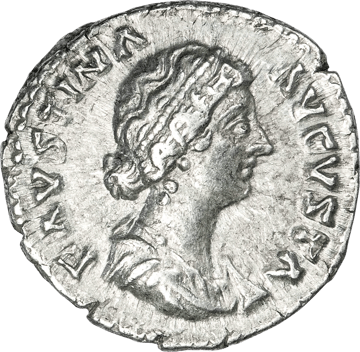
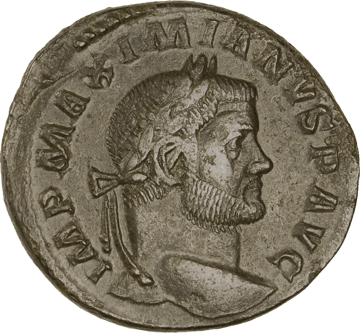
Both coins name the country that issues them and the face value, the amount of money struck on the coin. The issuing country and the maker can be the same, but they need not be.
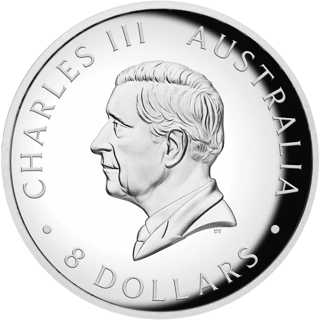
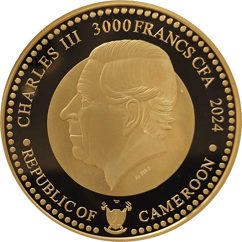
For the euro countries, a regulation of the European Union governs collector coins. It states:
“Collector coins shall have the status of legal tender only in the issuing Member State.”
Regulation (EU) No 651/2012, Article 5(1)
In Germany, nobody has to accept more than 200 euros per payment in such coins, and the Bundesbank exchanges them. The face value is set by the state that issues the coin; according to the Bundesbank, it sets it anew for each issue and on its own responsibility.
A coin begins as a drawing. It is struck with dies, the tools that press its image into the metal.
For the 5‑euro coin Ariane 6, the 2026 annual programme of German collector coins gives two names: Sascha Morawetz designed the picture side, Till Mainz the value side.
A metal copy of the large model, the electrotype, goes onto the reducing machine. It transfers the image at a smaller size onto a tool the size of a coin.
This is how long work on a Janvier reducing machine usually took at the Royal Mint:
The Chief Engraver, the most senior engraver at the Royal Mint, approved the tool.
Only he could declare it ready for use in the next stage of production.
Royal Mint Museum, Janvier reducing machine
Today, computerised machines no longer need electrotypes.
Coins by Münze Österreich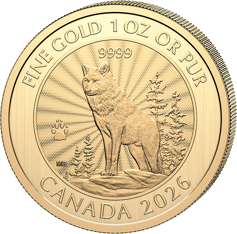
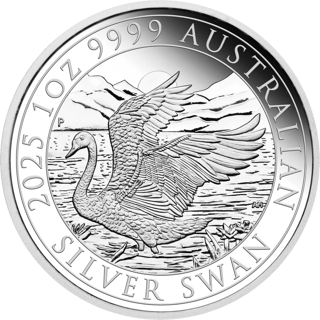
Coins are struck on the flan, the coin blank. Three plates from the Encyclopédie show the work in the 18th century.
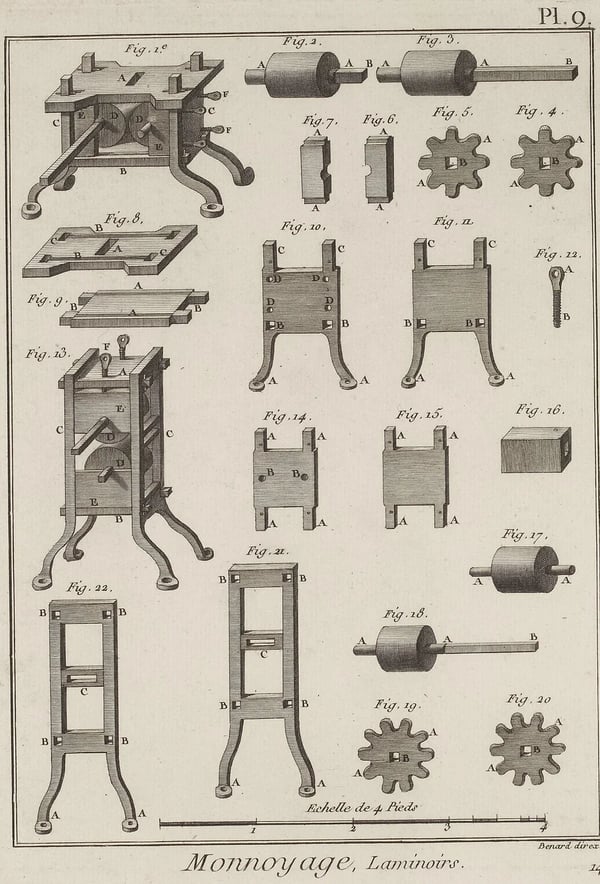
Rolling: the rolling mill presses the metal into flat strips.
Monnoyage, Laminoirs.
Coining, rolling mills
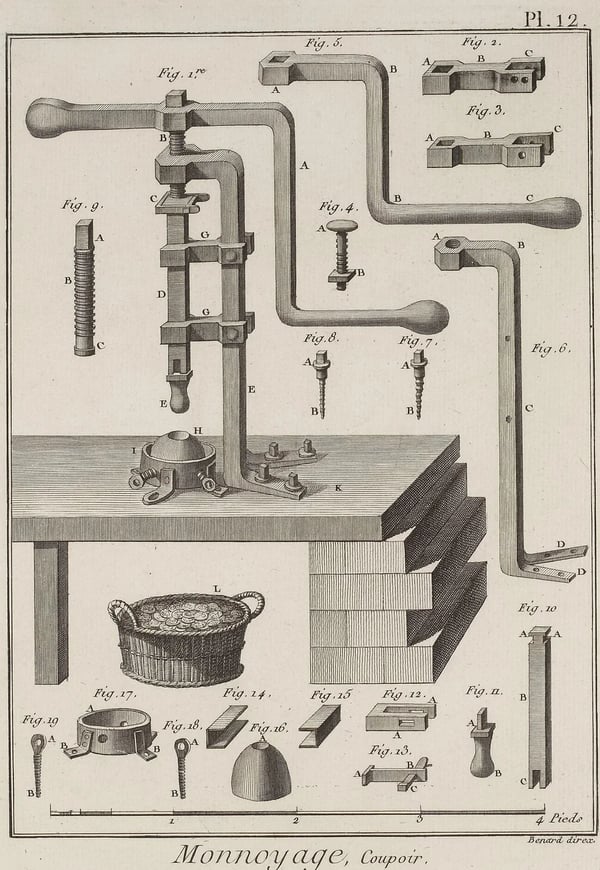
Cutting: a cutting press cuts the round blanks out of the strips.
Monnoyage, Coupoir.
Coining, cutting press
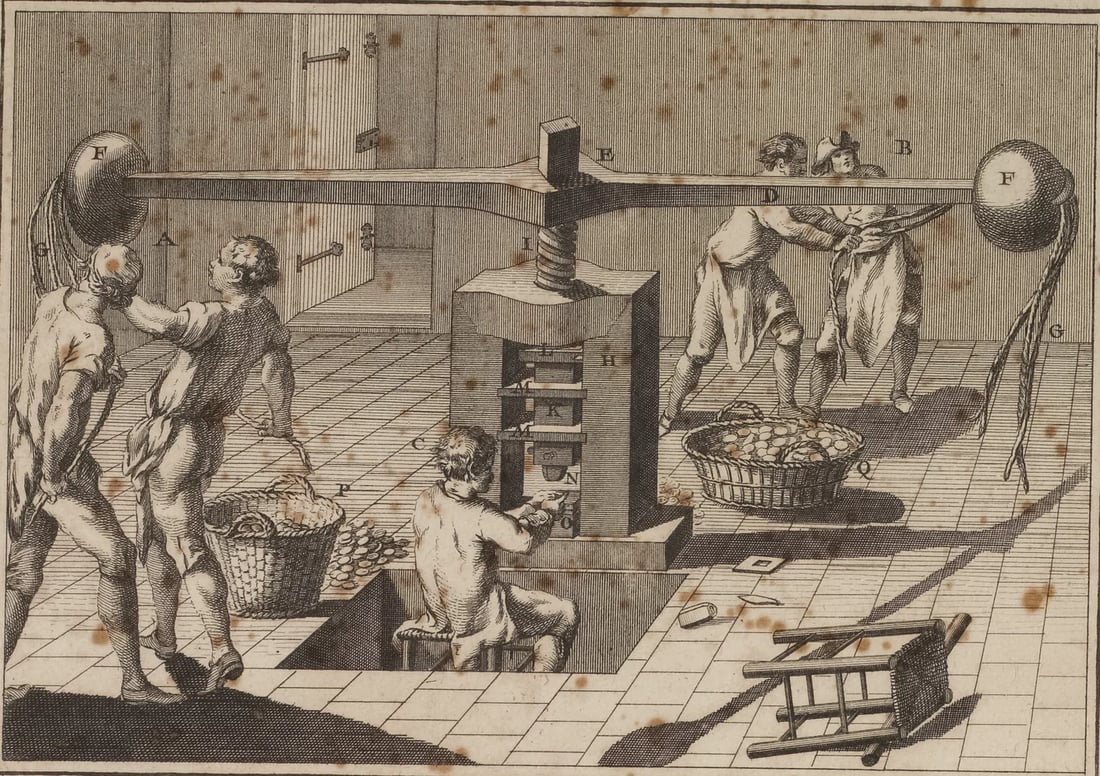
Striking: four men pull the swinging arm round, and a man in the pit feeds in the blanks.
Monnoyage, Balancier.
Coining, screw press (Detail)
Robert Bénard, Encyclopédie, 18th century, Musée Carnavalet
Striking by hand took place between two dies. The upper one was held in the hand or with tongs.
From the middle of the 16th century, machines took over step by step. This is how many coins a machine strikes in one minute:
The edge is given a form too: plain, milled or with lettering. The plate “Castaing” shows a machine that strikes lettering onto the edge.
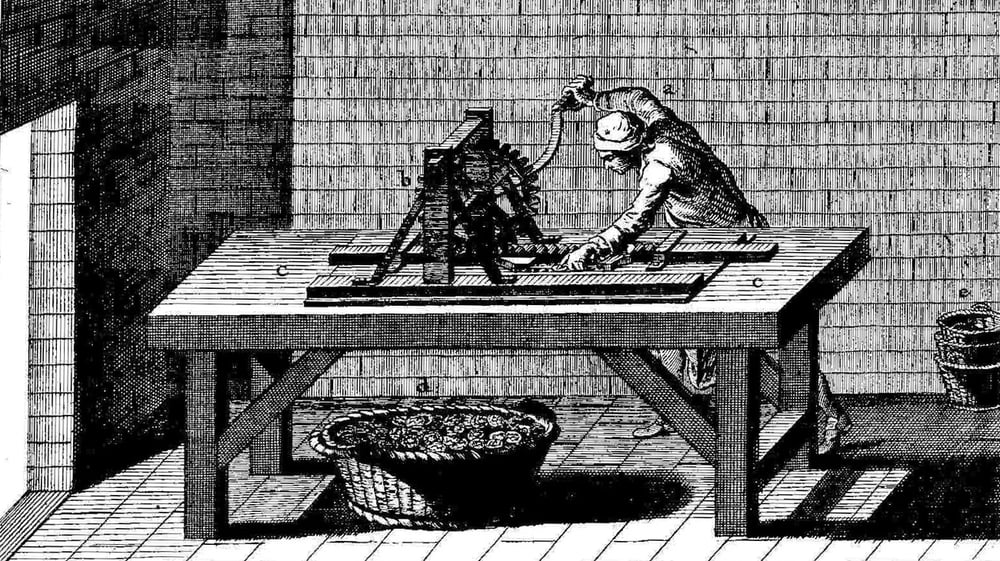
Castaing
Machine for edge lettering
Robert Bénard, Encyclopédie, 18th century
Collector coins of the euro countries must be easy to tell apart from circulation coins. This is why the following applies:
… they must not have a shaped edge with fine scallops or a “Spanish flower” shape.
Regulation (EU) No 651/2012, Article 5(2)(d)The edge of the 10‑ and 50‑cent coins has the fine scallops, and the “Spanish flower” is the shape of the 20‑cent coin.
50 euro, fine silver
20, 50 and 100 euro, gold
5 euro
ERFORSCHUNG DES WELTRAUMS ✦
10 euro
IM DIENST DER GESELLSCHAFT ∙
35 euro
VOHWINKEL BIS OBERBARMEN BIS
Diagram, not to scale. Edges and edge lettering per the 2026 annual programme.
These two coins have a milled edge too.
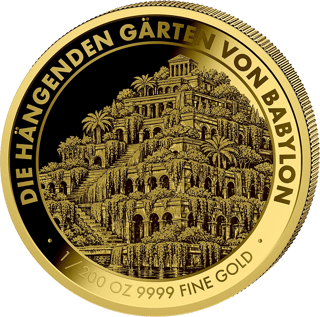 Hanging Gardens of Babylon 2026Gardens of Babylon 2026Gold, 1/200 ounce (0.16 g)Gold, 1/200 ounce
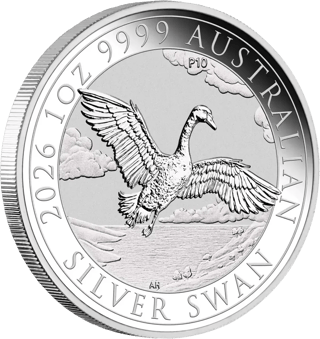 Swan 10th Anniversary 2026Swan 10th AnniversarySilver, 1 ounce (31.1 g)Silver, 1 ounce
Eckhel arranged the coins by place and date. Country and year are still two of the ways to build a collection today. There are three more.
Stay informed with product launches, financial news and exclusive offers. Sign up for our free newsletter today.
By entering your email address and clicking the "Submit" button, you give the following consent: "I agree to be informed by email about new products, financial news and exclusive offers, and therefore consent to the processing of my email address for the purpose of sending the newsletter. I can revoke this consent at any time without giving reasons, with effect for the future. The lawfulness of processing carried out prior to revocation remains unaffected."