Only 3 left to order
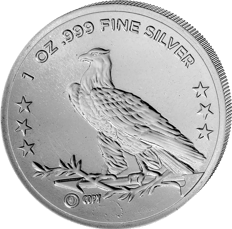
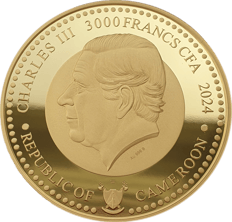
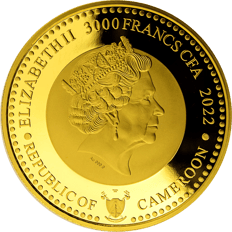
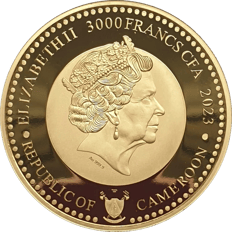
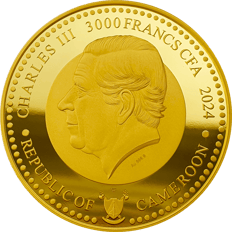
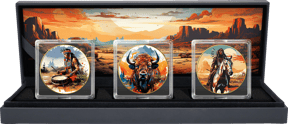
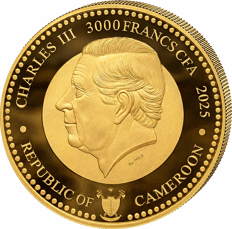
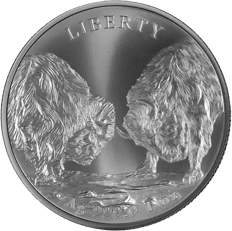
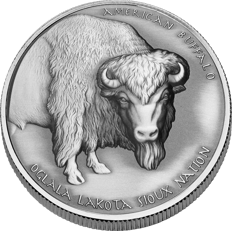
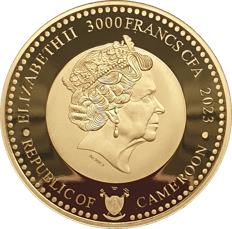
2 oz Silver Enemies in History Custer vs. Sitting Bull 2026 (Mintage: 500 | Proof)
£252.75
excl. UK import VAT and shipping
Available in 2–3 business days

 More than 310,000
 Over 30 years
 Secure shipping
 Google: 4.9/5


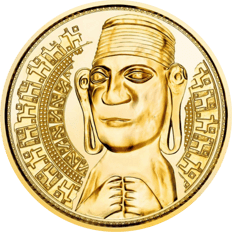
Coins and bars featuring the motifs of indigenous peoples combine precious metal with one of the most fascinating chapters in human history: the cultures that, long before European colonisation, created independent civilisations, belief systems and artistic traditions. Whether it is the feathered headdresses of North American native peoples, the stone Aztec calendar or the Incas' goldwork, these coins tell stories from Native America and pre-Columbian Mesoamerica. This guide sheds light on the cultural background of the motifs, the available precious metals and denominations, authenticity and quality features, as well as the tax treatment of gold and silver.
The term indigenous peoples covers the original inhabitants of a continent whose cultures emerged before the arrival of European settlers. On bullion and collector coins, the world of motifs focuses mainly on two major regions: the Native Americans of North America with their roughly 500 tribes, and the advanced civilisations of Mesoamerica and the Andes, the Aztecs, Maya and Incas. Both subject areas stand for artistic symbolism, spiritual worldviews and a rich craft tradition that translates superbly into relief coinage.
The popularity of these motifs stems from their visual power and historical depth. Feathered headdresses, totem poles, calendar stones and pyramids give mints a richly detailed visual language that is particularly striking in high relief. Anyone wishing to get an overview of related historical subject areas first will find further motif series from antiquity to the Middle Ages in the parent category History.
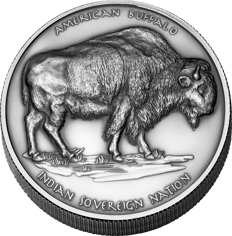
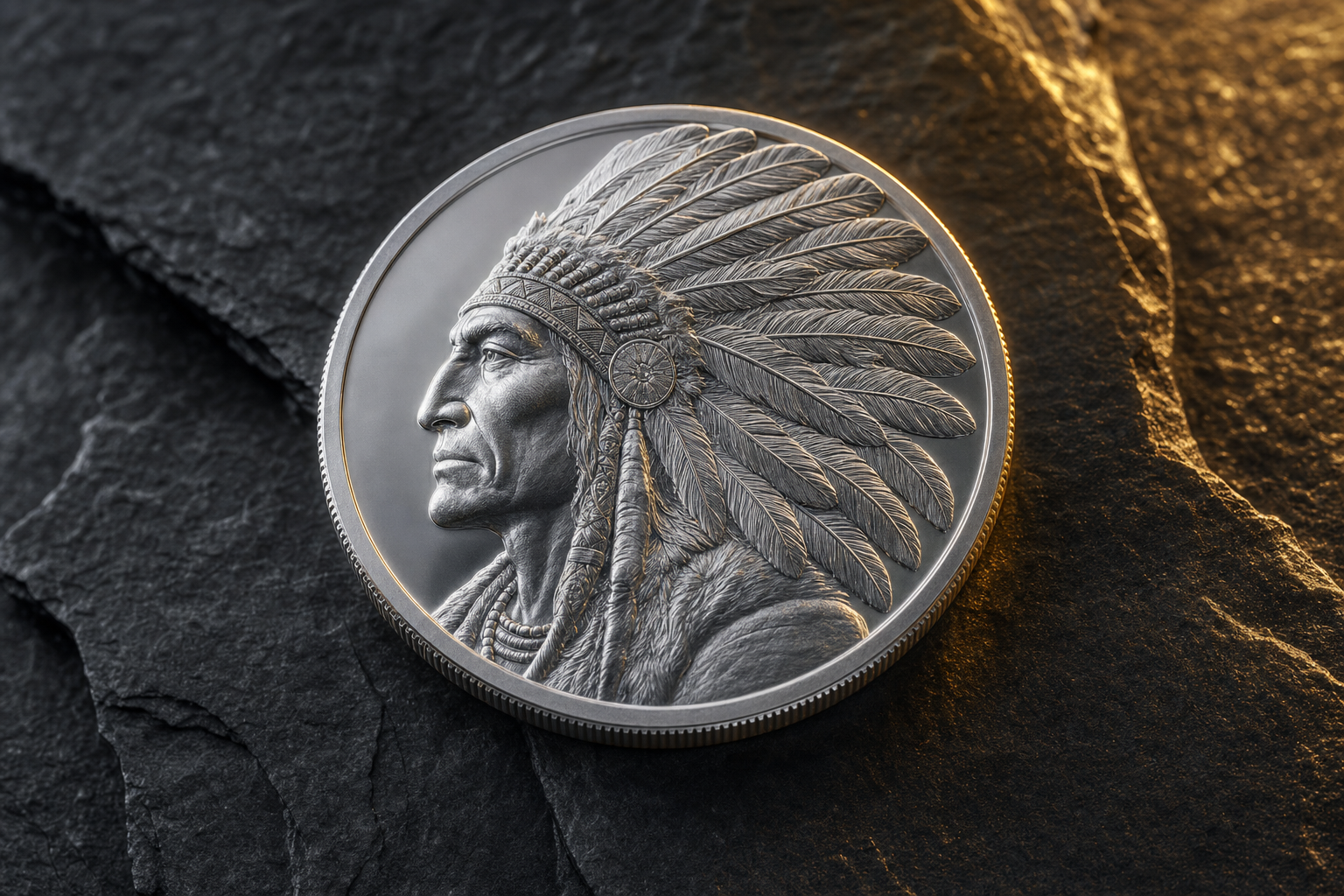
The indigenous peoples of North America are divided into numerous nations such as the Lakota, Sioux, Cheyenne or Apache. Coins frequently feature iconic elements: the warbonnet (the feathered headdress), the eagle as a sacred animal, the buffalo as the livelihood of the Plains peoples, as well as figures such as Sitting Bull or Red Cloud. The classic Indian Head and Buffalo Nickel, originally US circulation coins of the early 20th century, also live on in modern bullion coinage.
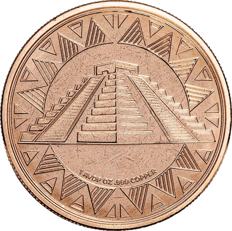
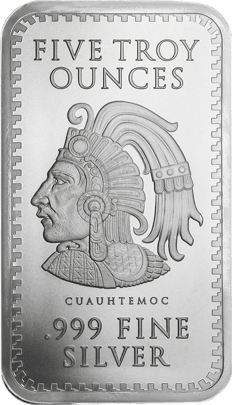
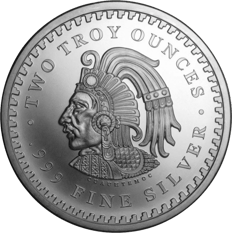
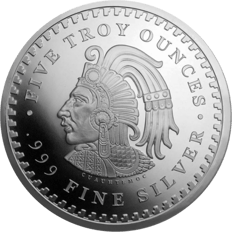
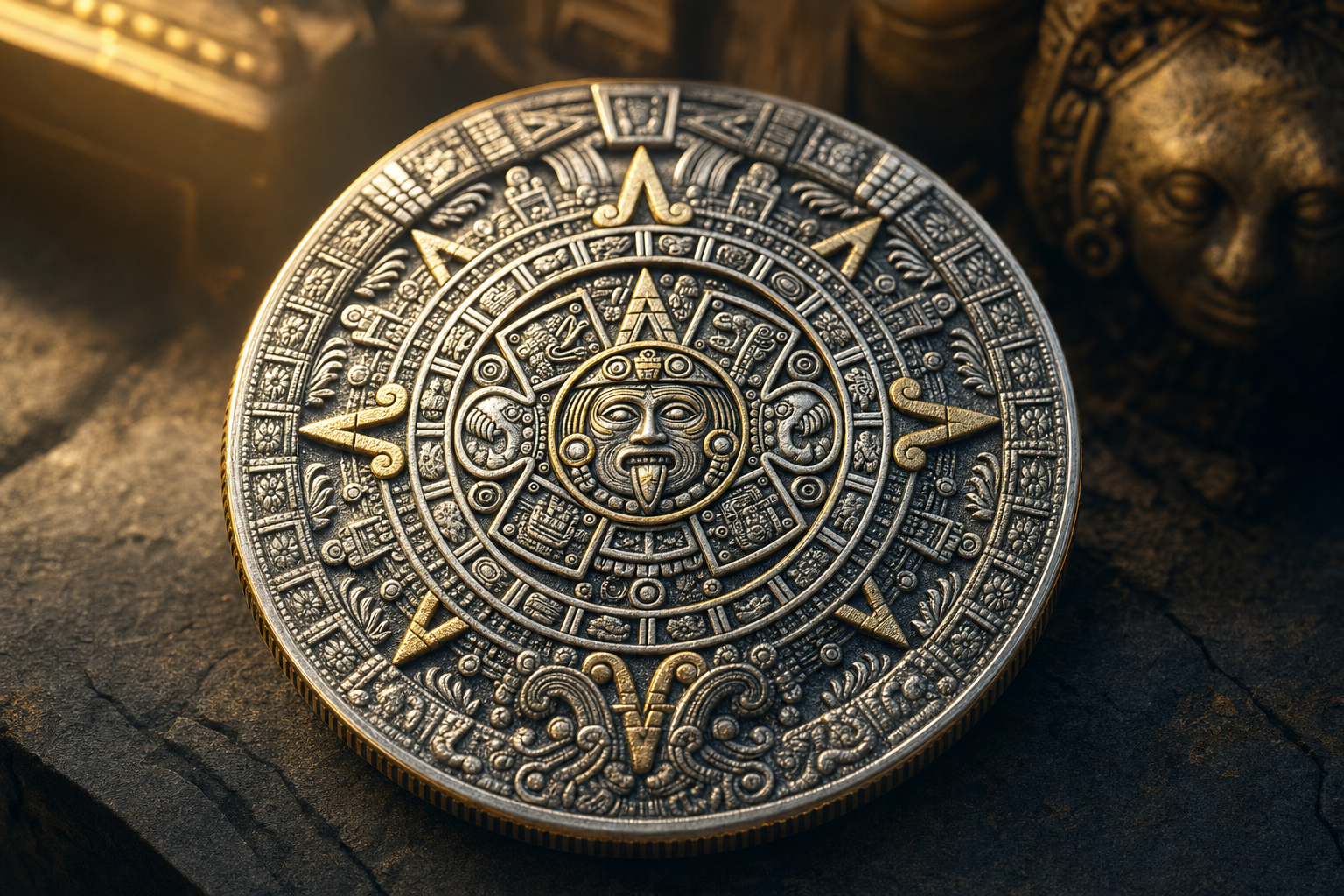
The pre-Columbian cultures of Central and South America left behind monumental buildings and highly developed craftsmanship. The Aztec calendar (the so-called Sun Stone) is one of the most frequently minted motifs of all and symbolises the Aztecs' complex understanding of time. Ruler figures such as Cuauhtémoc, pyramid motifs and the Incas' gold treasure round off this world of motifs. Many of these coins originate from Mexico, for instance from the state mint Casa de Moneda de México.
Coins featuring indigenous peoples are available in all common precious metals. The choice affects the coin's character as well as its tax treatment and price. A rough overview:
For larger formats beyond the classic coin, bars are a good option. For example, there are motif bars featuring the Aztec calendar or Sitting Bull, which fall under Silver Bars. Anyone looking for the pure material value of gold will find what they need under Gold Bars.
Tax note
In Germany, investment gold is exempt from VAT under §25c UStG, provided it meets the statutory fineness and form criteria. Silver, copper and platinum coins, on the other hand, are subject to VAT, and the margin scheme is often applied to imported silver coins. This is general information and does not replace tax advice.
Motif coins featuring indigenous peoples cover a broad spectrum, from the handy small-format ounce to the kilo bar. The most common formats:
| Format | Metal | Typical use |
|---|---|---|
| 0.5 g | Gold | Entry-level gift, small collector's coin |
| 1 oz (31.1 g) | Gold / Silver | Standard format, most widely traded size |
| 2 oz / 5 oz | Silver | Large-format motifs with high relief |
| 1 kg | Silver | Impressive heavyweights in very small mintages |
The troy ounce (1 oz = 31.1035 grams) is regarded as the international standard size and offers the best ratio of motif surface, tradability and premium. Smaller gold denominations from 0.5 grams are suitable as a gift or as a first building block for a collection. Anyone collecting motif coins as a long-term savings component will find suitable approaches among the savings plan products, while affordable silver bar formats fall under 1 oz silver bars.
Especially with collector coins featuring indigenous peoples, the finish plays a major role. Besides the pure metal value, minting quality, finish and mintage determine the character of a coin.
Many motif coins are issued in elaborately enhanced versions: partially gilded, with a ruthenium coating, or coloured. Such editions are released in very small mintages, often of only 50 to 250 pieces, and are aimed at collectors. Further enhanced rarities can be found in the Kettner Exclusive Products category.
Precious metal coins are generally designed to be forgery-proof, but it is still worth looking at the key verification features. At Kettner Edelmetalle, every item undergoes an ISO-compliant authenticity verification before it leaves with fully insured shipping (100%).
For storage, protection against scratches and oxidation is recommended. Individual coins are best kept in coin capsules, while entire collections can be stored neatly in coin cases. Silver tends to tarnish on contact with air, which is why dry, enclosed storage is particularly important.
A coin featuring indigenous peoples is more than precious metal: it is a small monument to a culture whose symbolism lives on through the centuries.
Motif coins featuring indigenous peoples appeal to two groups of buyers. Collectors value the artistic design, the thematic cohesion of a series and the low mintage. Investors focus more strongly on fineness, material value and tax treatment.
With investment gold, the gold price is the key factor above all, while the premium (the surcharge above the pure metal value) can be significantly higher for strictly limited collector's items. Anyone who prioritises material value sensibly combines motif coins with classic bullion coins such as the Krugerrand or the Maple Leaf. Anyone seeking cultural diversity, on the other hand, will find further inspiration in related motif worlds, for instance in the historical series on Egypt or Romans.
The indigenous peoples category sits within the broader context of historical and cultural motif series. Anyone enthusiastic about ancient civilisations will find thematically related coinage on Greece and the Middle Ages. The motif worlds of Asia also touch on indigenous traditions and are gathered under Asia.
Mexico is also the origin of one of the world's best-known silver coins, which is often associated with pre-Columbian motifs and can be found in the Libertad category. For motif collectors wishing to present their pieces attractively, the accessories range with cases, display cases and capsules is also available.
The most popular motifs include the Aztec calendar (Sun Stone), feathered headdresses and chief's portraits of North American Native Americans, the buffalo, as well as figures such as Sitting Bull or Red Cloud. From South America, Inca motifs and the Incas' gold treasure are in demand.
Coins featuring indigenous peoples are available in gold, silver and copper. Gold targets discerning collectors and is exempt from VAT as investment gold, silver offers large motif surfaces for high-relief coinage, and copper represents the affordable entry-level option.
If a gold coin meets the criteria for investment gold under §25c UStG, it is exempt from VAT in Germany. Silver and copper coins, however, are subject to VAT; the margin scheme applies to certain silver coins. For the specific treatment, a tax advisor should be consulted.
Antique Finish describes an artificially aged surface that creates a historical impression. High Relief refers to a particularly sculptural high relief. Proof stands for mirror-like backgrounds with frosted motifs, the highest collector quality, usually issued in small mintages.
Individual coins should be protected from scratches and oxidation in coin capsules, while larger collections can be stored neatly in coin cases. Silver tarnishes on contact with air, which is why dry, enclosed storage is advisable.
Both are possible. Strictly limited collector's items are appealing for their motif and low mintage but carry a higher premium. For pure value preservation, classic bullion coins and bars, which track the metal price more closely, are recommended.
Stay informed with product launches, financial news and exclusive offers. Sign up for our free newsletter today.
By entering your email address and clicking the "Submit" button, you give the following consent: "I agree to be informed by email about new products, financial news and exclusive offers, and therefore consent to the processing of my email address for the purpose of sending the newsletter. I can revoke this consent at any time without giving reasons, with effect for the future. The lawfulness of processing carried out prior to revocation remains unaffected."