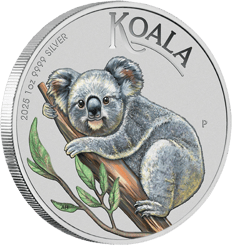
1 Ounce Silver Koala 2026
£57.74
excl. UK import VAT and shipping
Available in 2–3 business days

 More than 300,000
 Over 30 years
 Secure shipping
 Google: 4.9/5
Since 2007, the Australian Perth Mint has been releasing the Silver Koala, which has been gaining increasing significance ever since. The latest versions were produced using a unique minting technique that gives this silver coin a shimmering brilliance. The coin is generally offered at only a small premium over the silver spot price and is therefore attractive to both collectors and investors. Find the Koala in gold here.


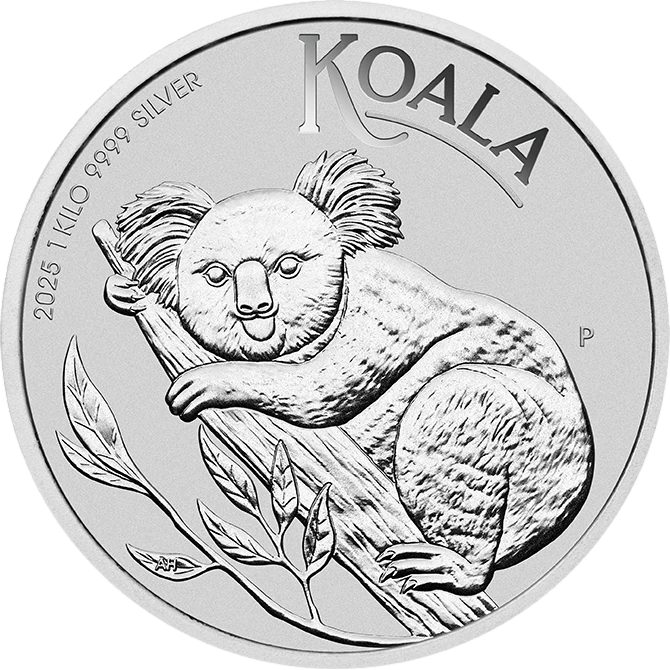
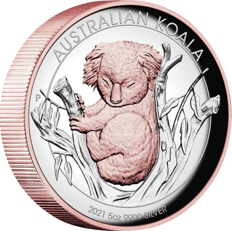
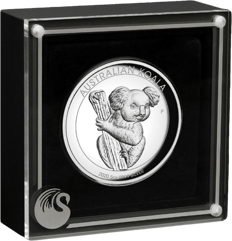
A koala spends most of its time in eucalyptus trees. It sleeps for about 18 hours a day, writes the New South Wales Government: an adaptation to its low‑nutrient diet.
Most feeding happens between 17:00 and 24:00, in bouts of about 20 minutes; some animals also feed at other times. On average a koala changes trees once a day and as a rule feeds in every tree it occupies.
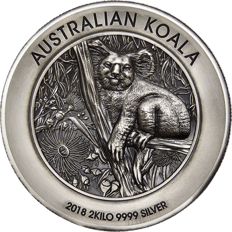
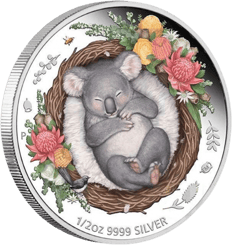
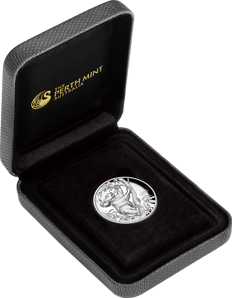
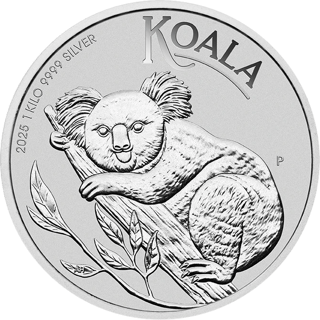
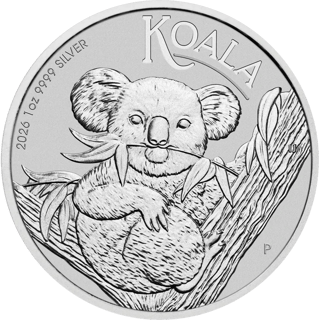
Two Perth Mint issues show the rest and the feeding time of this day.

A koala eats almost nothing but eucalyptus, about 400 grams of leaves a day, according to the Australian Museum. Of the more than 900 eucalyptus species, as far as is known, it eats only 60, writes the New South Wales Government. Which ones it prefers varies from region to region.
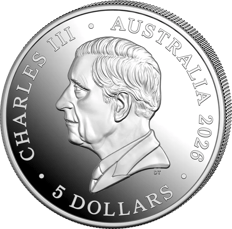
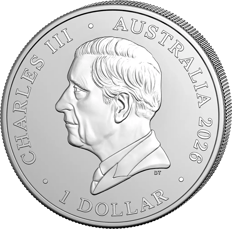
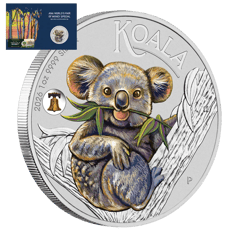
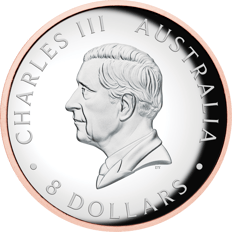
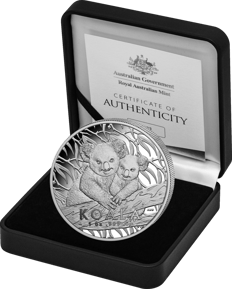
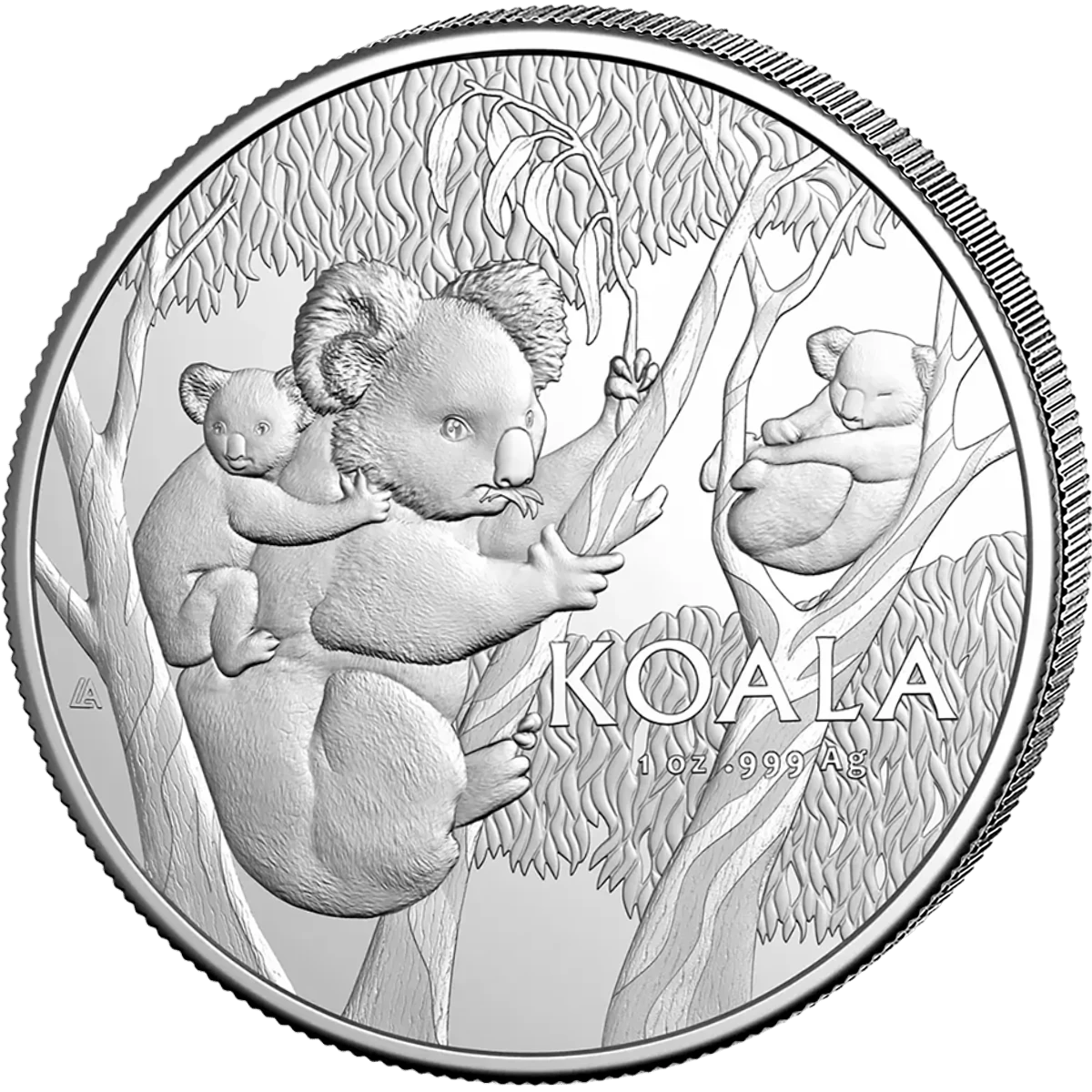
The magnifying glass shows the Royal Australian Mint’s coin of 2026.
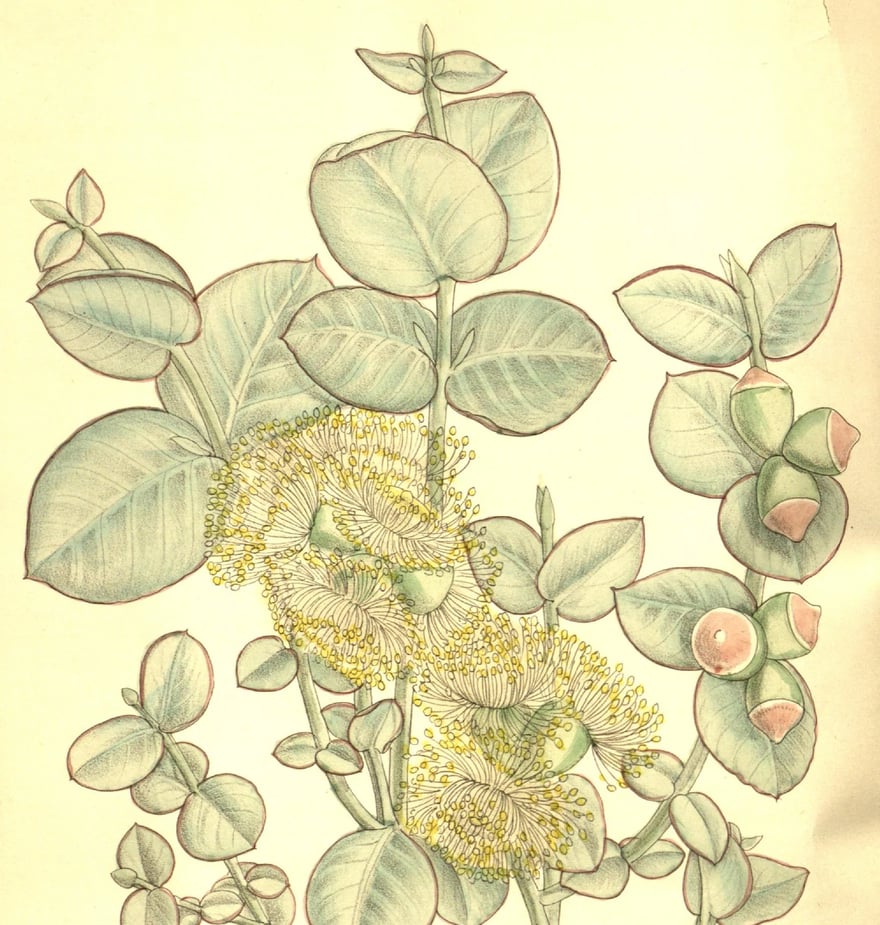
The leaves are meagre fare, “poor quality food”, as the Museum writes. The koala chews them very finely, and its caecum is, in proportion, the largest of any mammal. It gets most of its water from the leaves, but it can drink too.
After a gestation of about 35 days the joey is born. It weighs less than half a gram and climbs into its mother’s pouch on its own. There it grows for 6 to 8 months.
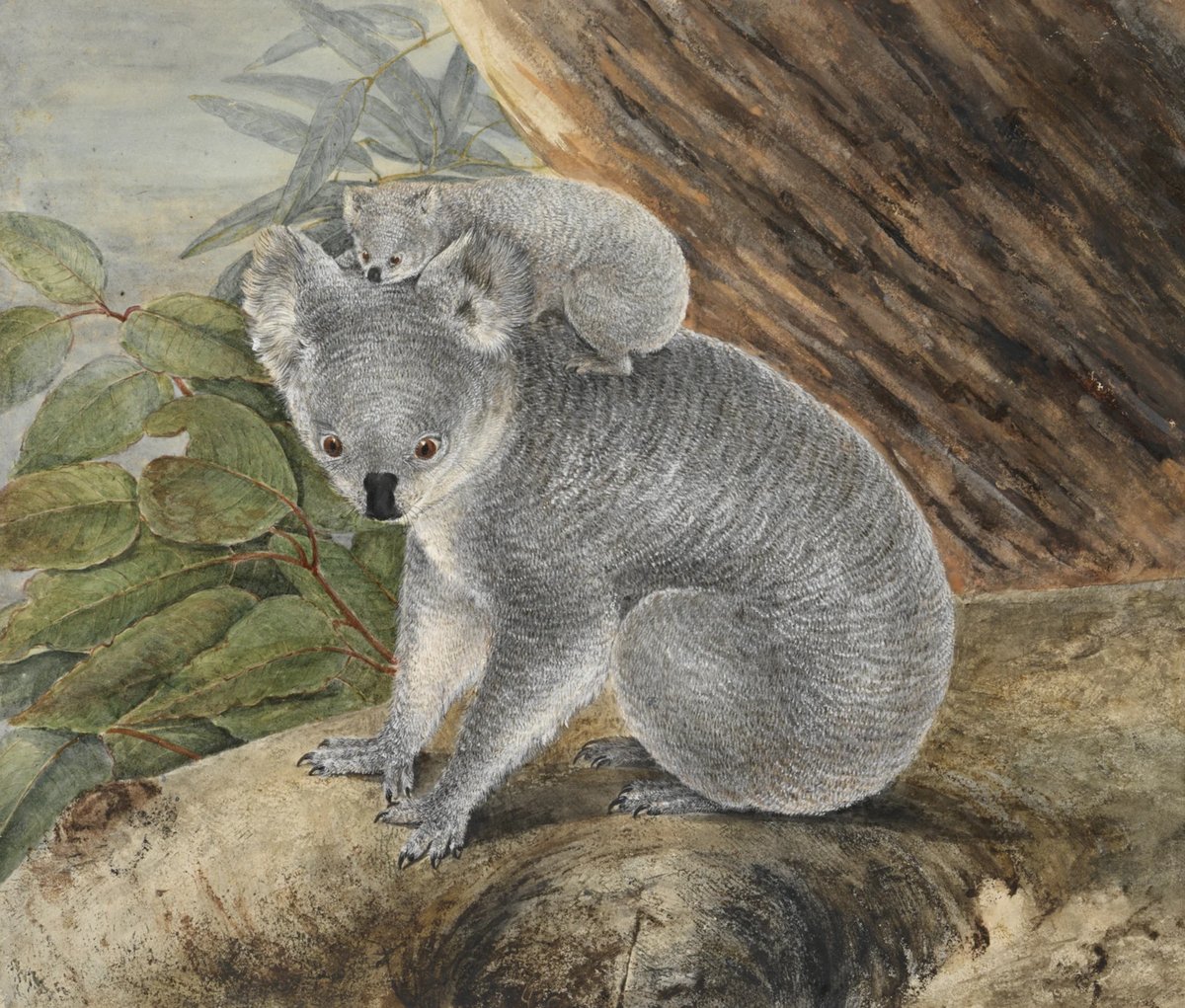
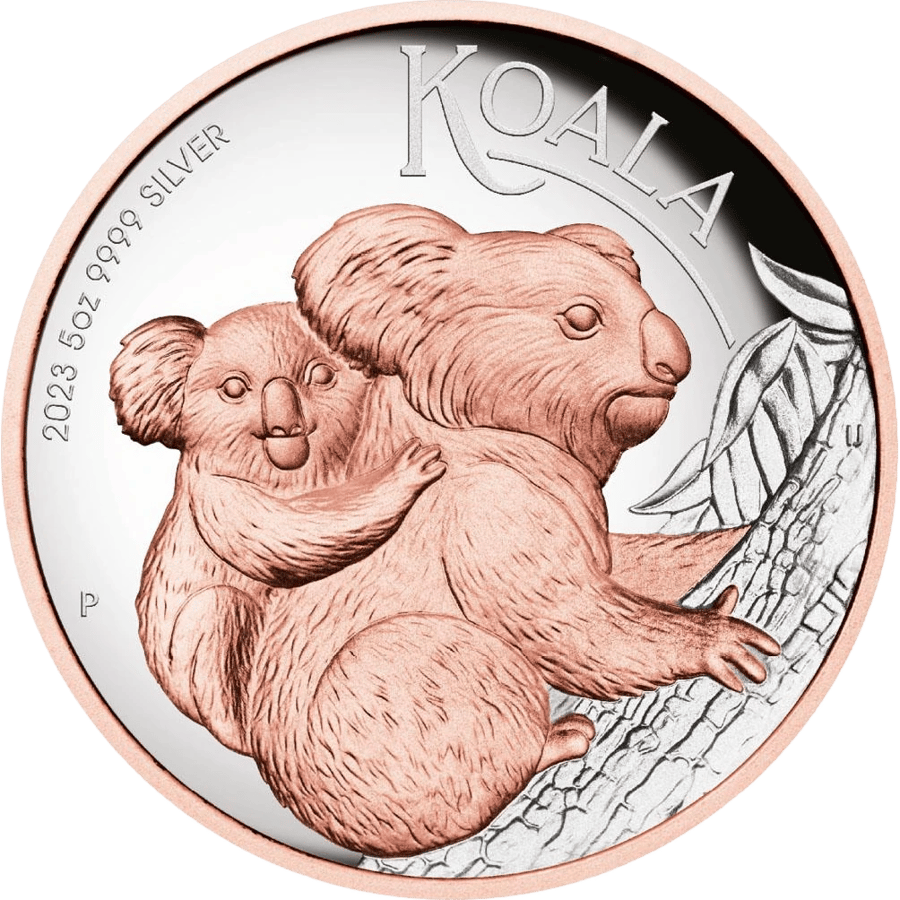
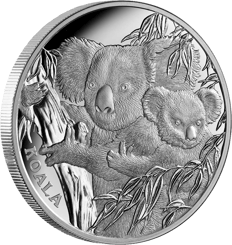
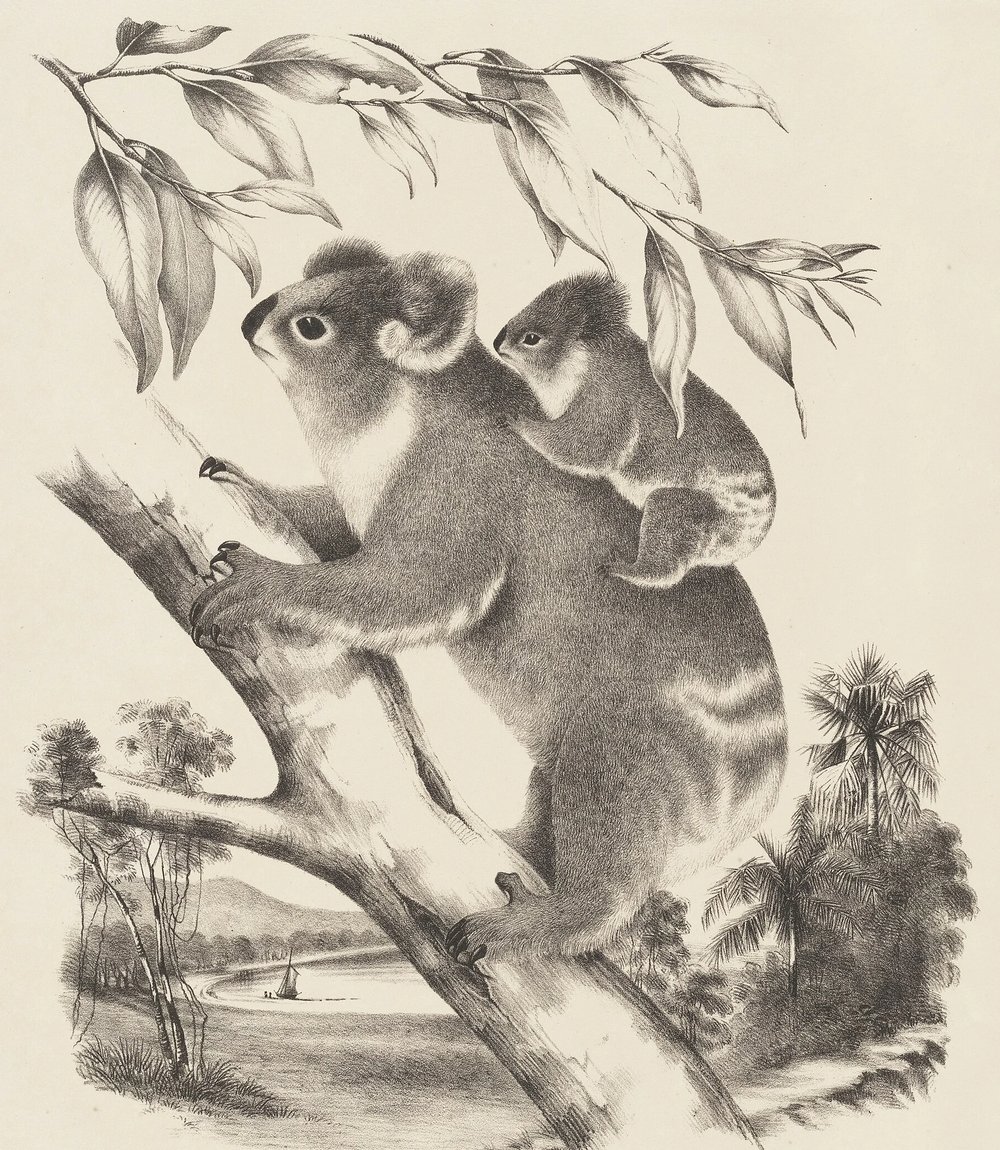
In 1803 John William Lewin painted a koala mother with her joey on her back. The Perth Mint’s coin of 2023 shows the mother climbing, her joey holding on to her.
Painted in 1803, struck in 2023.
Koalas live across about one million square kilometres in the east of Australia, not in Tasmania and not in Western Australia. Their range is patchy and reaches from northern Queensland to southern Victoria and south‑eastern South Australia.

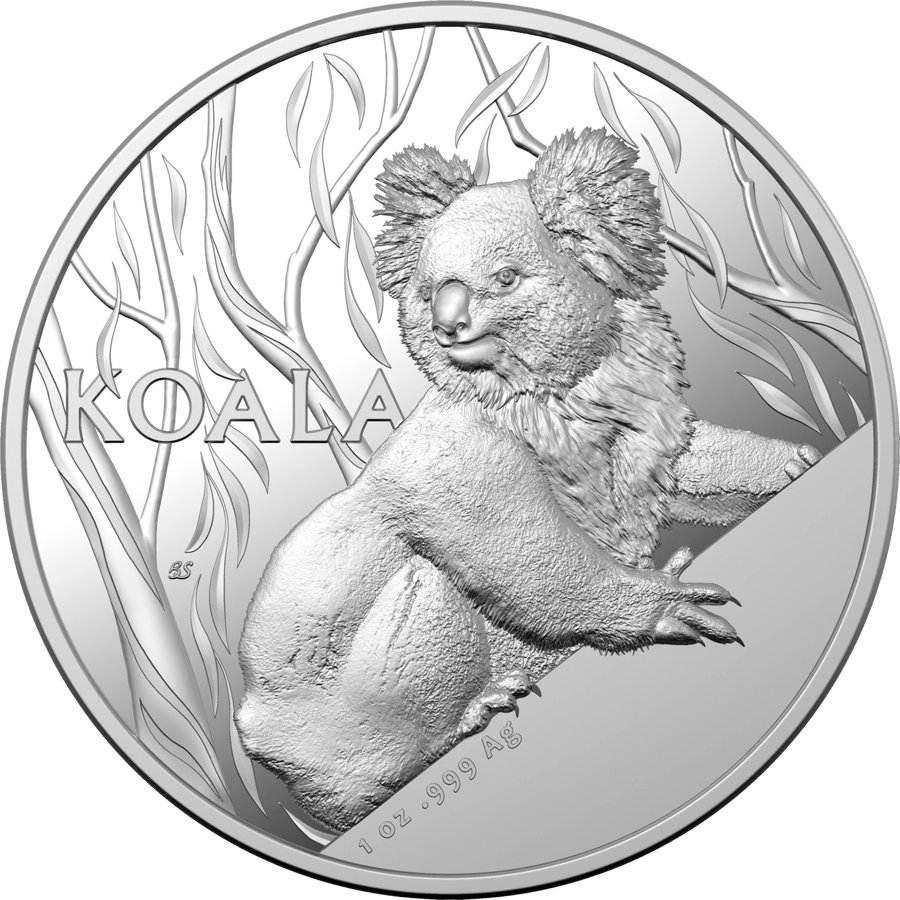
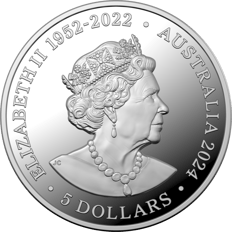
Royal Australian Mint, 2024
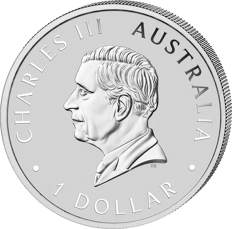
It belongs to the Royal Australian Mint’s first Koala series of 2024: a koala sits on a sloping trunk, holding on, with eucalyptus foliage behind it.
Distribution, schematic
Based on the Australian Museum, not an exact boundary. Outline: Natural Earth.
How densely they live varies greatly. For French Island in Victoria the Australian Museum gives 600 to 900 animals per square kilometre, for south‑eastern Queensland about 40.
Each dot stands for one animal. The faint dots show the range up to 900.
Since February 2022 the populations in Queensland, New South Wales and the Australian Capital Territory have been listed as Endangered under Australian federal law.
What is said about the koala, checked against information from the museum, the authorities and research.
“The koala is a bear.”
No.
It is a marsupial, distantly related to the wombats. Early Europeans called it “Native Bear”, and its genus name Phascolarctos also means pouched bear.
“It never drinks.”
Overstated.
It gets most of its water from the leaves. But it does drink, if only rarely.
“It sleeps 22 hours a day.”
Usually less.
The New South Wales Government gives about 18 hours.
“It has fingerprints like ours.”
True.
In 1997 researchers at the University of Adelaide found dermal ridges on its fingers that are very similar to those of humans, in a study of about 20 animals.
Where does the word “koala” come from?
Not entirely clear.
Probably from an Aboriginal language of eastern New South Wales. The first records near Sydney, between 1798 and 1803, included “cullawine”, “colo” and “koolah”.
Five Koala coins at the same scale, with the diameters the Perth Mint gives for them.

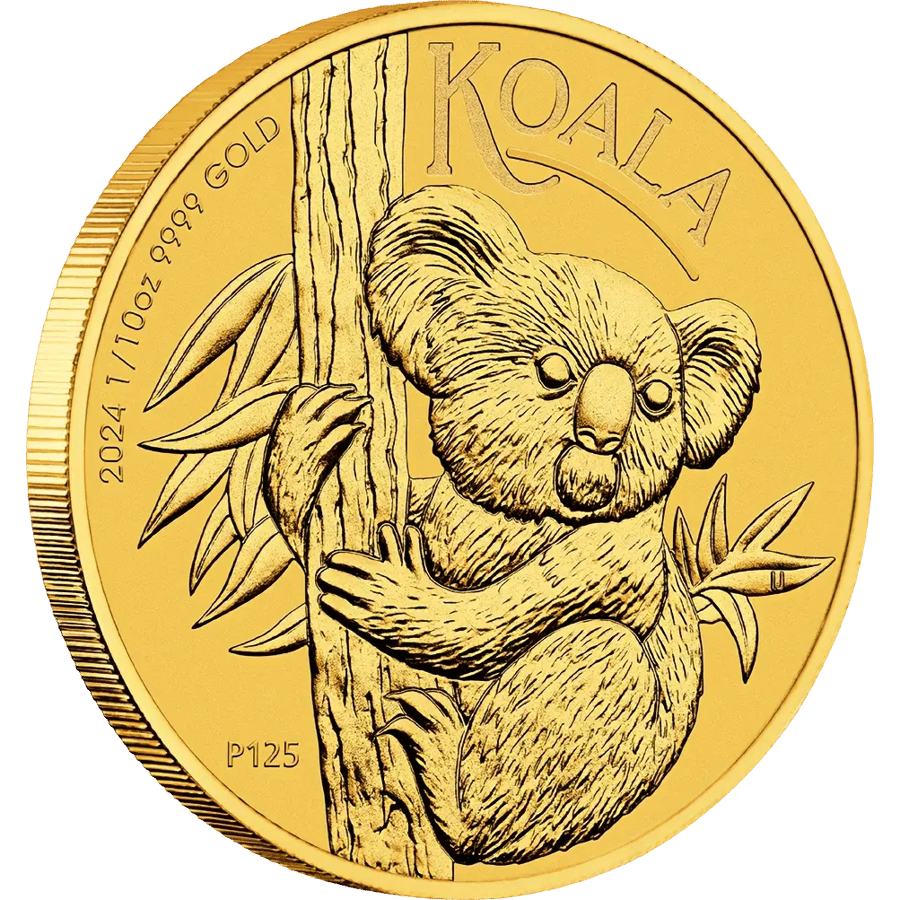
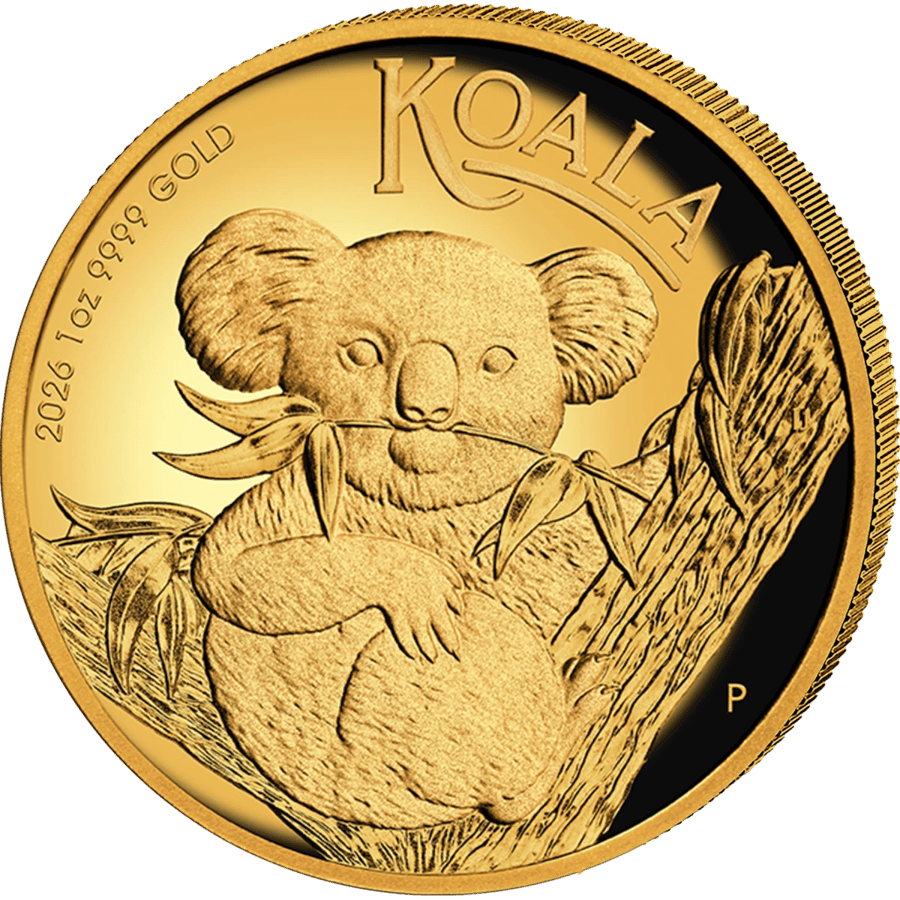
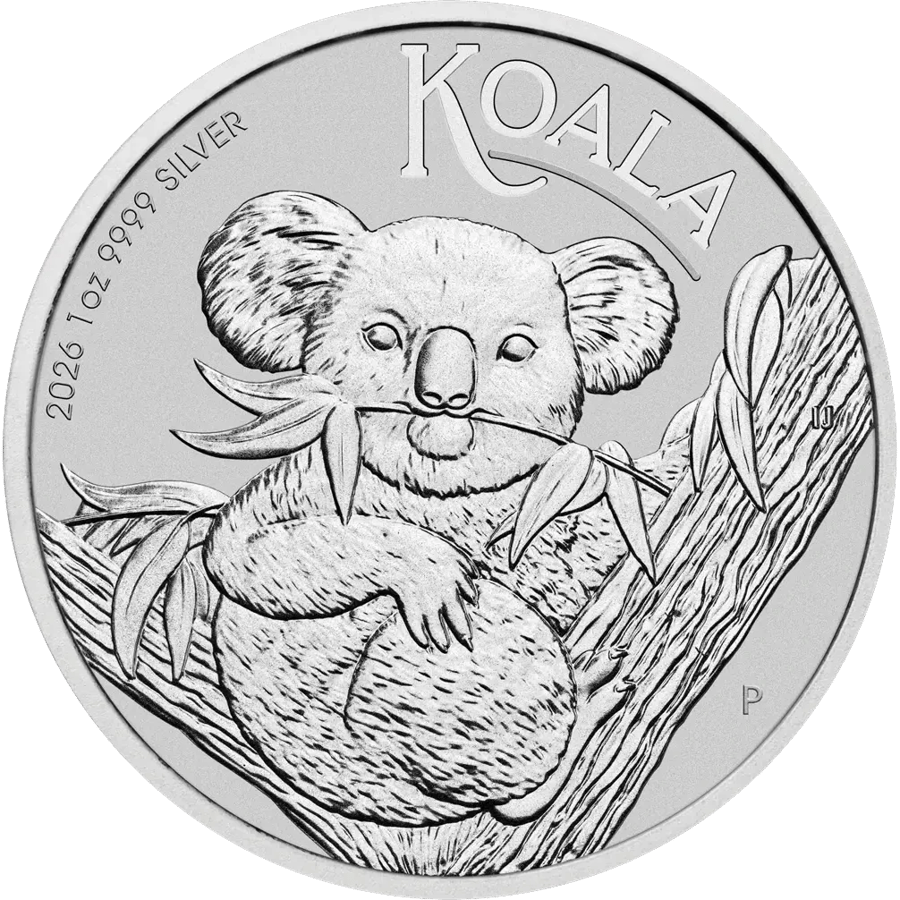
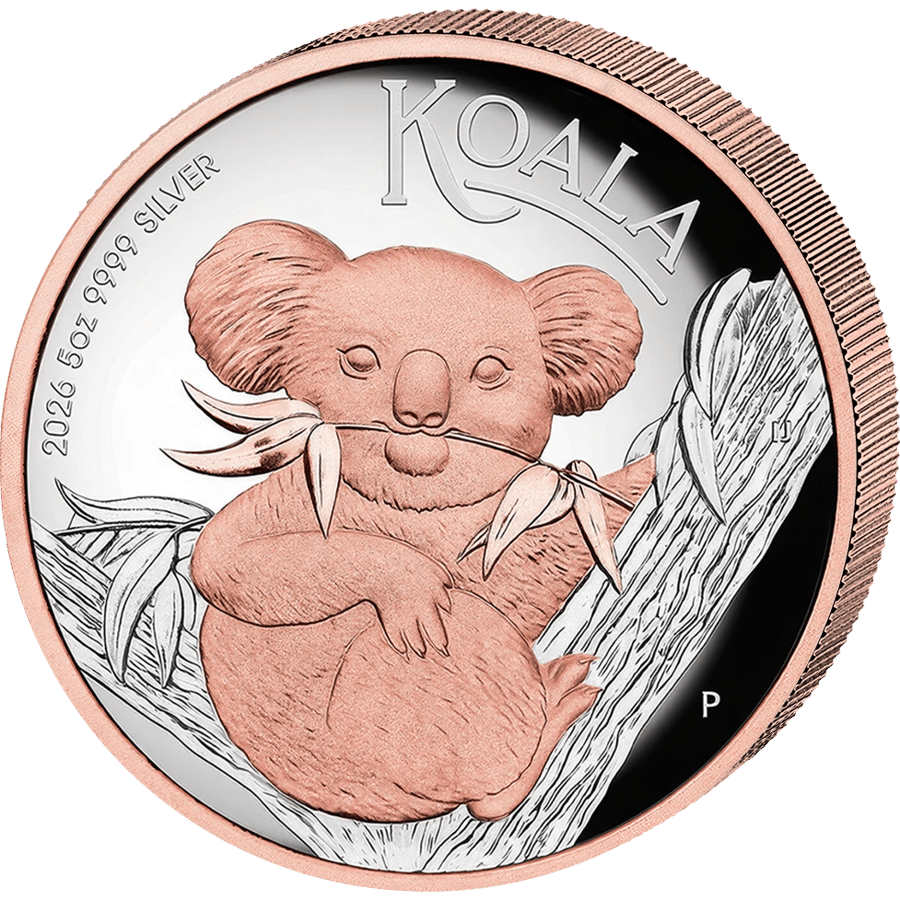
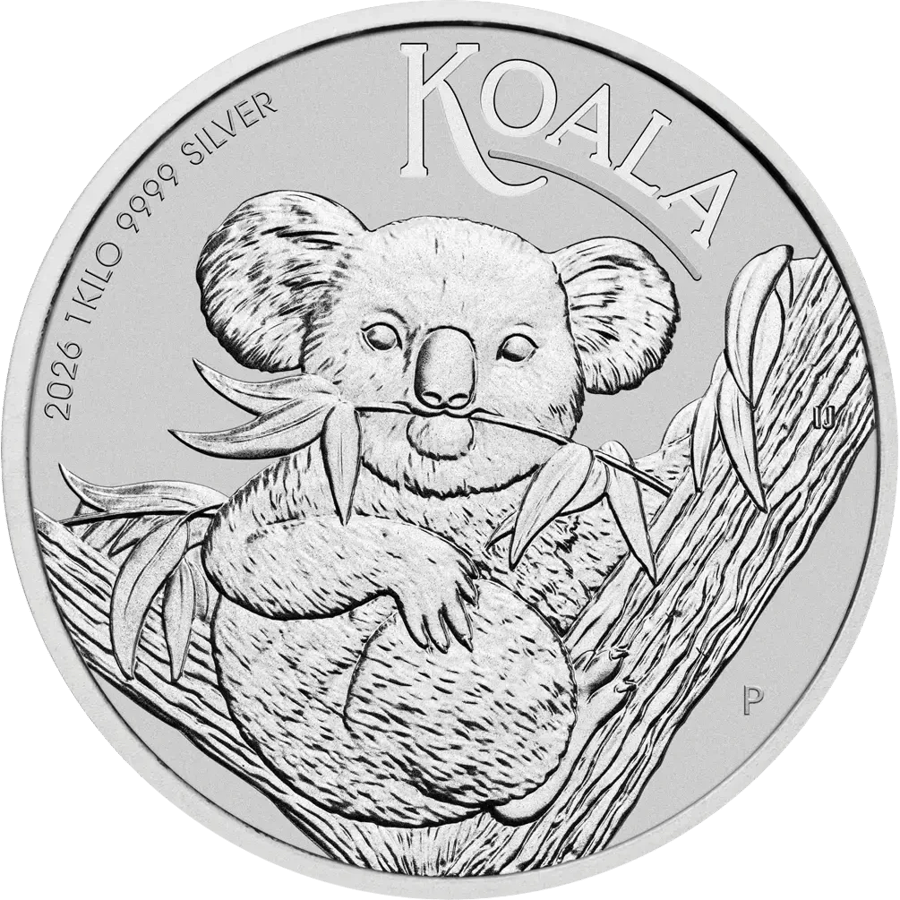
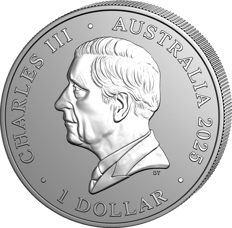
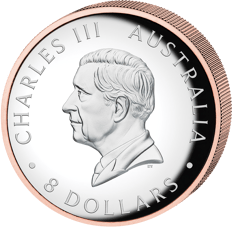
Koalas have sat on the coins of the Royal Australian Mint since 2024: one in 2024, two in 2025, three in 2026.
The Koala also comes in platinum.
Few bullion coins combine sober numbers and genuine charm as effortlessly as the Silver Koala. Since 2007, the Australian Perth Mint has struck the marsupial year after year in the finest silver, with an ever-new design that delights collectors just as much as investors who simply want to track the silver price. The following sections cover the history, design changes, denominations, special editions, authenticity and the tax particularities of this Australian silver coin.

The Silver Koala, internationally also known as the Australian Koala, is one of the most popular silver coins featuring an animal design and is equally prized by collectors and investors. The coin is struck from 999 fine silver and issued exclusively in Australia, where it is legal tender. Those looking to buy a Koala silver coin will usually find it with a comparatively small premium over its pure material value, which makes it attractive for building wealth.
What makes it special: unlike most bullion coins, the design changes every year. Where the Vienna Philharmonic or the Maple Leaf rely on a fixed design, the Koala builds up a small gallery over the years, an appeal that clearly moves the series towards being a collector's item without losing its investment character.
The Perth Mint had enjoyed great success with its Kookaburra silver coins since 1990. Due to growing demand for silver bullion coins, the Australians followed up in 2007 and issued the Silver Koala for the first time. The koala had already appeared on platinum coins from the mint before that.
In its first year of issue, the Koala appeared exclusively in the one-ounce denomination. From 2008, the ½ oz, 10 oz and 1 kilogram sizes were added. The range has since been streamlined: today, the 1 oz and 1 kg strikes are the classic mainstays, complemented by special formats. Under the names "Australian Koala" and "Silver Koala", the coin has built up a loyal following.
A design that reinvents itself every year: that is the special appeal of the Silver Koala.
On the design side, the koala is usually shown on a branch in a eucalyptus tree, often nibbling on a leaf, and occasionally even with a joey. The engravers at the Perth Mint place great emphasis on depth of detail, from individual strands of fur to the texture of the leaves. It is precisely this changing design that makes the series so lively.
The first three years of issue featured a background reminiscent of a glossy, shimmering glass surface, an effect that many collectors still love today. The 2010 issue came with a matte background, and from 2011 a glossy ring surrounds the design, stating the series name, year of issue, fine weight, fineness and metal. The koala itself is struck glossy against a matte background.
Later years of issue partly dropped the ring again, allowing the design to stand out freely. This way, each year of issue remains visually distinctive and appealing to year-set collectors.
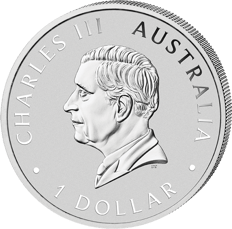
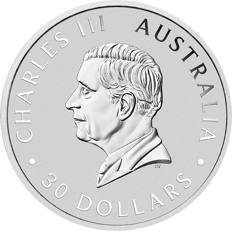
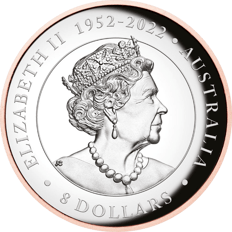
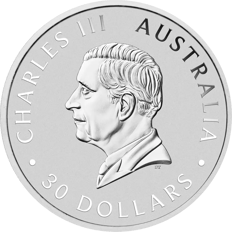
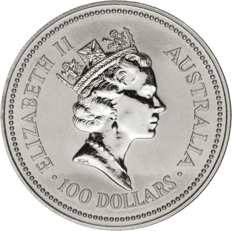
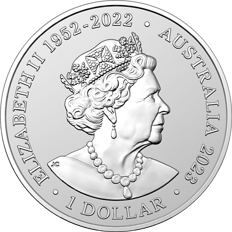
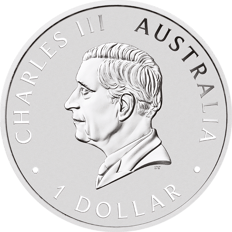
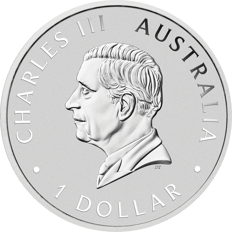
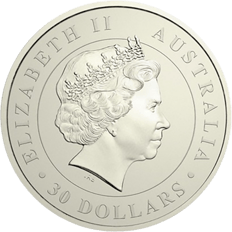
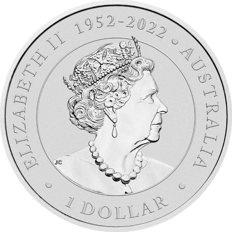
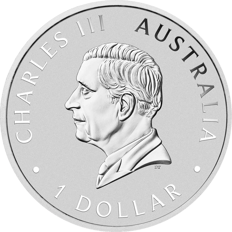
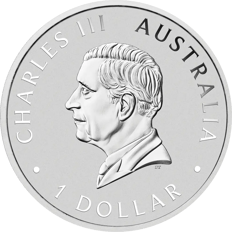
The value side bears the portrait of the respective British monarch, whose likeness has been updated over the years. The face value in Australian dollars (AUD) is also stated, proof that the coin is legal tender. The edge is reeded. The coins are officially issued in Mint State (MS) quality; thanks to their pronounced mirror effect, many specimens look almost like Proof.
The various sizes differ in diameter, thickness and face value. Those wanting to start small opt for the Koala ounce coin; those looking to combine larger quantities of silver will find a convenient format in the kilo version. The smaller formats can also be protected and stored well with coin capsules.
| Size | Diameter | Thickness | Fine Weight | Face Value |
|---|---|---|---|---|
| ½ oz | 32.1 mm | 3.10 mm | 15.55 g | 0.50 AUD |
| 1 oz | 40.6 mm | 4.00 mm | 31.10 g | 1 AUD |
| 10 oz | 75.5 mm | 8.70 mm | 311.04 g | 10 AUD |
| 1 kg | 101 mm | 14.6 mm | 1,000 g | 30 AUD |
All strikes are made of 999 silver. For those who prefer a consistent weight without a change of design, classic silver bars make a sensible addition to the collection.
The Silver Koala holds a special position among bullion coins: on the one hand it is a classic bullion coin, yet on the other it is struck only in a comparatively limited mintage. While many standard bullion coins are produced in practically unlimited numbers, Koala mintages typically fall in the six-figure range, and for the larger formats such as 10 oz and 1 kg, even only in the five-figure range.
As a result, some years of issue have developed a collector value noticeably above the pure material value. Those who collect primarily will find further designs of a similar character in the annually changing Lunar series or the China Panda.
Around the classic bullion product, the Perth Mint has created a wide range of special editions over the years. These are aimed primarily at collectors and stand out through their mintage size, striking quality and finish.
The Koala is also available in other metals, such as a gold Koala with a very low mintage. The special editions are usually issued in the standard one-ounce size.
As a strike from one of the world's most renowned mints, the Silver Koala is considered to be designed to resist counterfeiting. Important verification features include the exact fine weight of 31.10 g for the ounce coin, the precise diameter, the reeded edge and the fine sharpness of the design. At Kettner Edelmetalle, every coin undergoes an ISO-compliant authenticity verification before being dispatched via 100% insured shipping.
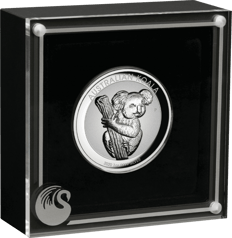
For storage, protection against scratches and tarnishing is recommended. Individual coins are well protected in coin capsules, while larger collections can be neatly organised in coin cassettes. This way, the mint lustre is preserved for years.
Unlike investment gold, which is VAT-exempt in Germany, silver coins are subject to VAT. For imported silver bullion coins from third countries, the margin scheme is often applied, meaning the effective tax share is lower than the standard rate.
Tax Notice
This information is of a general nature and does not replace tax advice. The specific treatment depends on the individual case and the applicable legal situation at the time. Those wishing to combine physical silver and gold coins should take the differing tax treatment into account.
The Perth Mint has issued the Silver Koala since 2007. In the first year it appeared exclusively in the one-ounce denomination; further sizes were added from 2008.
The annual change of design is a hallmark of the series. It makes each year of issue distinctive and appealing to collectors, without the coin losing its investment character.
The Silver Koala is made of 999 fine silver. The 1 oz issue contains 31.10 g of fine silver and has a diameter of 40.6 mm.
Mint State is the standard bullion quality used in trade. Proof refers to a more elaborate striking process with mirrored fields and a matte design, used mainly for collector editions and high-relief variants.
Both. As a bullion coin, it tracks the silver price, but due to the limited mintages and changing designs, individual years of issue have also developed additional collector value. Those wishing to diversify more broadly will find numerous related series among the silver coins.
Yes. In addition to silver, the Koala design has also been produced on gold and platinum strikes. You will find the gold variant in the range of Koala gold coins, each with a significantly lower mintage.
 Koala
Stay informed with product launches, financial news and exclusive offers. Sign up for our free newsletter today.
By entering your email address and clicking the "Submit" button, you give the following consent: "I agree to be informed by email about new products, financial news and exclusive offers, and therefore consent to the processing of my email address for the purpose of sending the newsletter. I can revoke this consent at any time without giving reasons, with effect for the future. The lawfulness of processing carried out prior to revocation remains unaffected."