Only 1 left to order
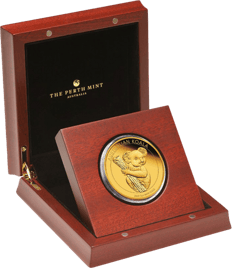
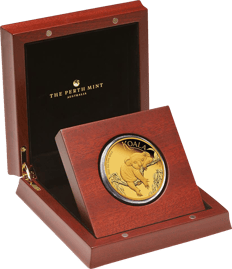
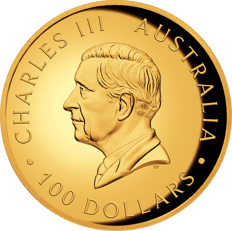
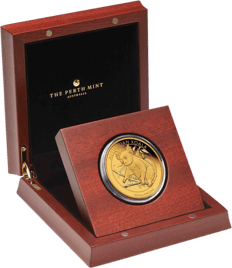
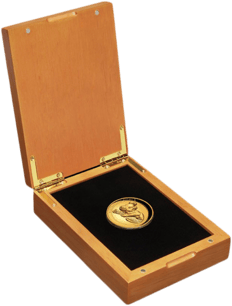
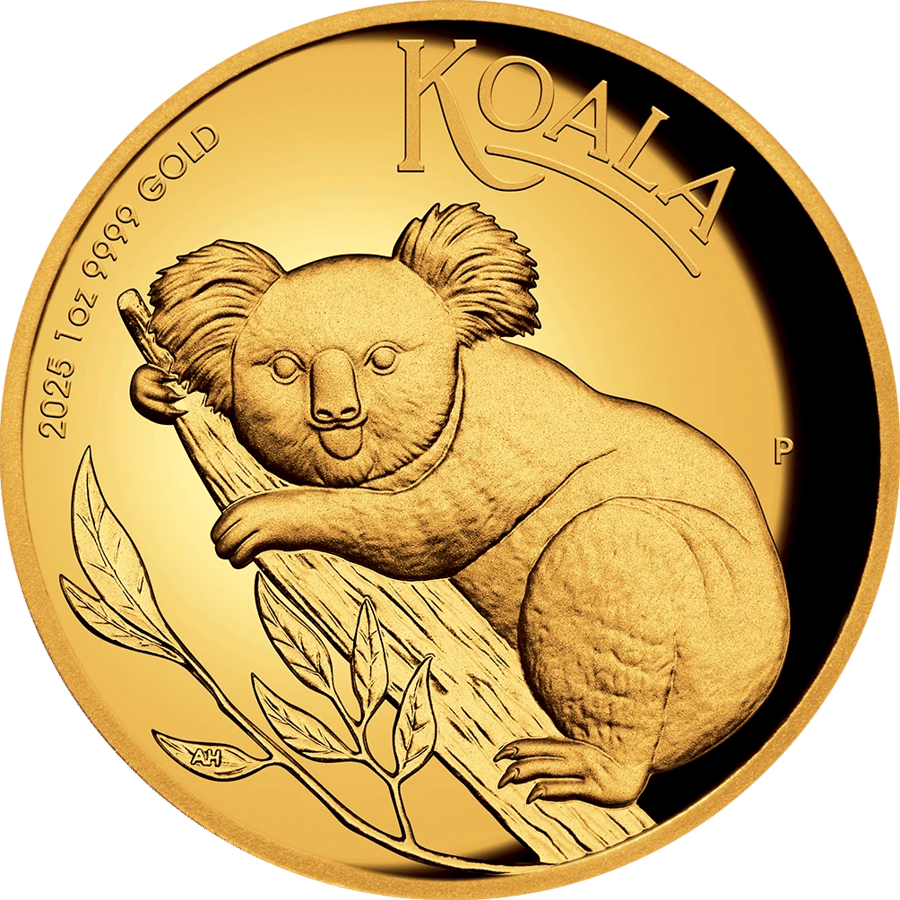
1 oz Gold Koala 2026 (Mintage: 200 | Proof)
£4,414.93
VAT-free and excl. shipping
Available in 2–3 business days

 More than 300,000
 Over 30 years
 Secure shipping
 Google: 4.9/5
Those looking for something rare and special will find it in the Gold Koala from the Perth Mint of Australia. While the silver Koala coin enjoys wide distribution, thereby promoting the recognition of the design, the gold coin in Proof (PP) quality is always strictly limited and available only to selected dealers worldwide.


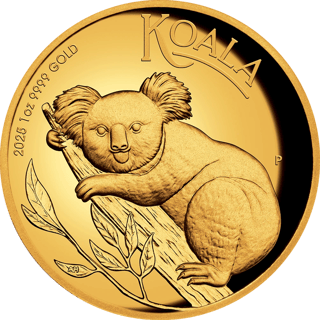
A koala spends most of its time in eucalyptus trees. It sleeps for about 18 hours a day, writes the New South Wales Government: an adaptation to its low‑nutrient diet.
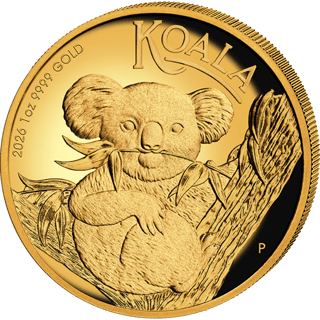
Most feeding happens between 17:00 and 24:00, in bouts of about 20 minutes; some animals also feed at other times. On average a koala changes trees once a day and as a rule feeds in every tree it occupies.
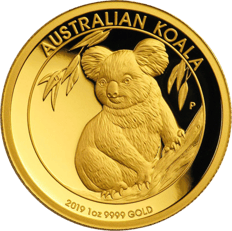
Two Perth Mint issues show the rest and the feeding time of this day.

A koala eats almost nothing but eucalyptus, about 400 grams of leaves a day, according to the Australian Museum. Of the more than 900 eucalyptus species, as far as is known, it eats only 60, writes the New South Wales Government. Which ones it prefers varies from region to region.
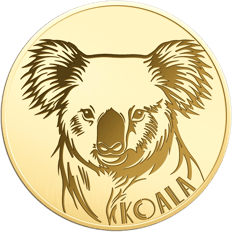
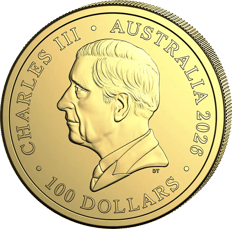
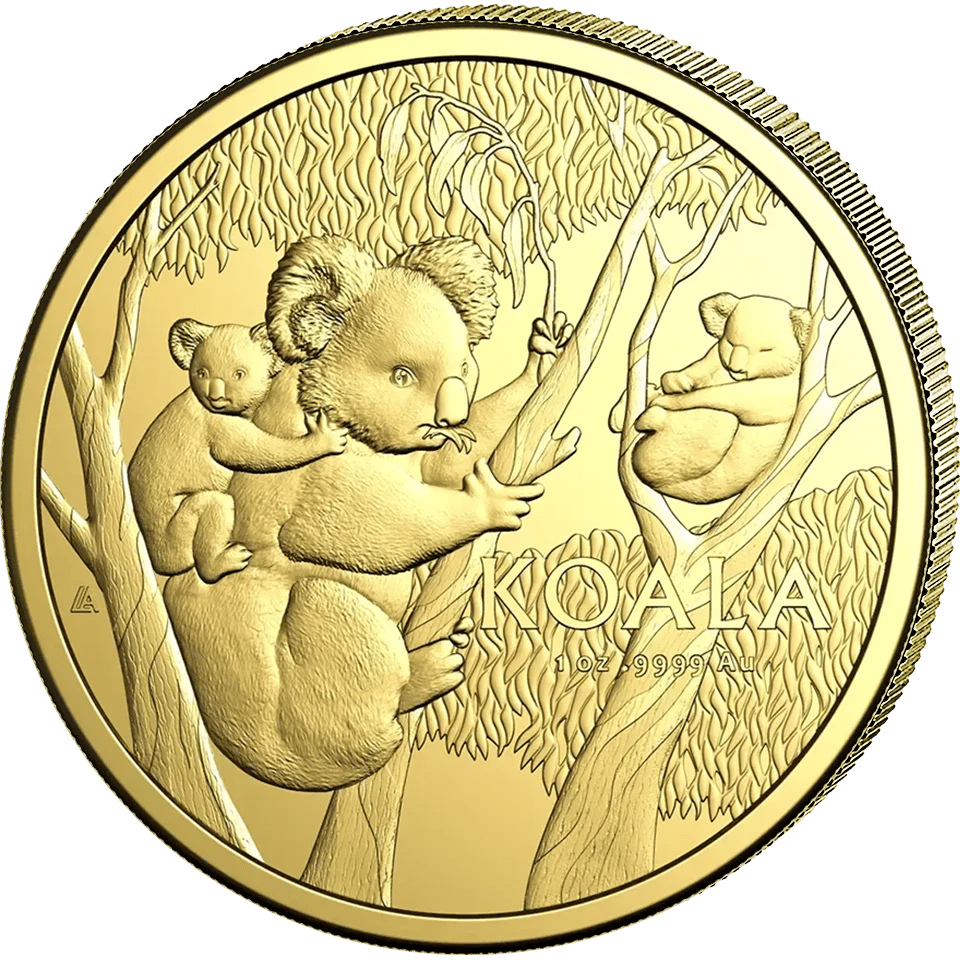
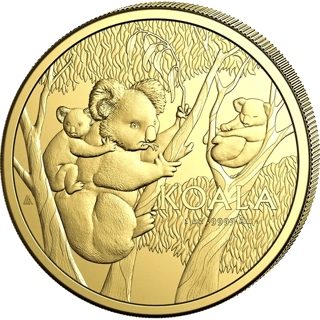
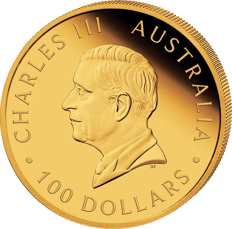
The magnifying glass shows the Royal Australian Mint’s coin of 2026.
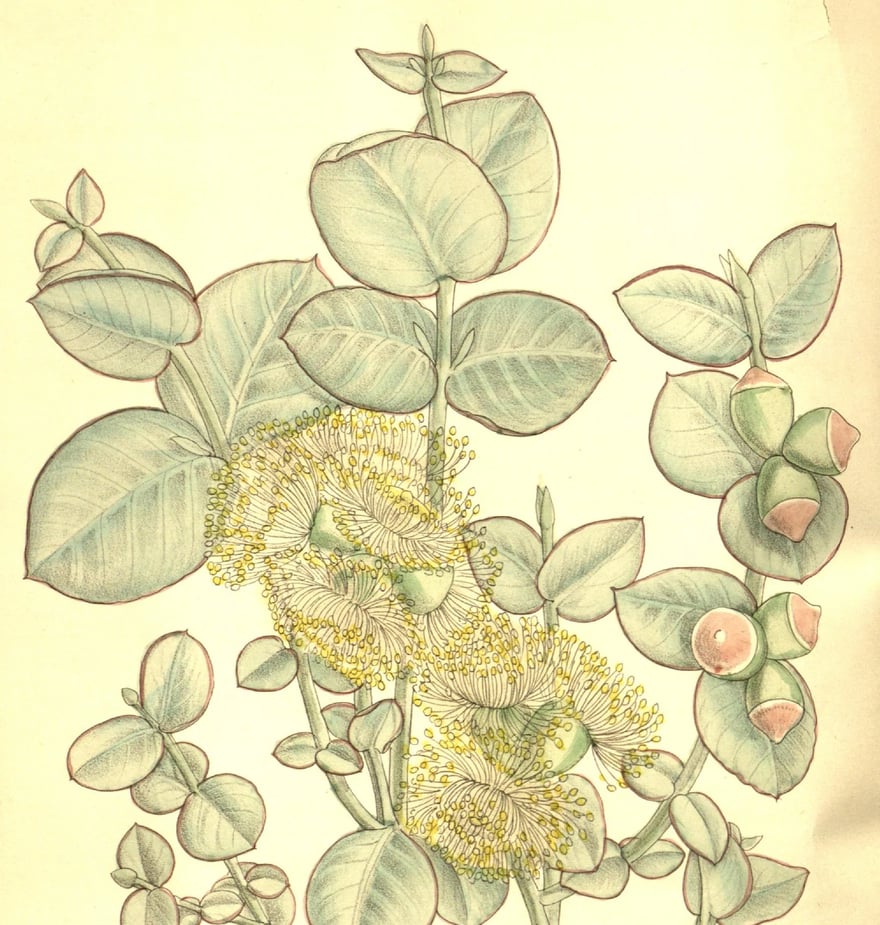
The leaves are meagre fare, “poor quality food”, as the Museum writes. The koala chews them very finely, and its caecum is, in proportion, the largest of any mammal. It gets most of its water from the leaves, but it can drink too.
After a gestation of about 35 days the joey is born. It weighs less than half a gram and climbs into its mother’s pouch on its own. There it grows for 6 to 8 months.
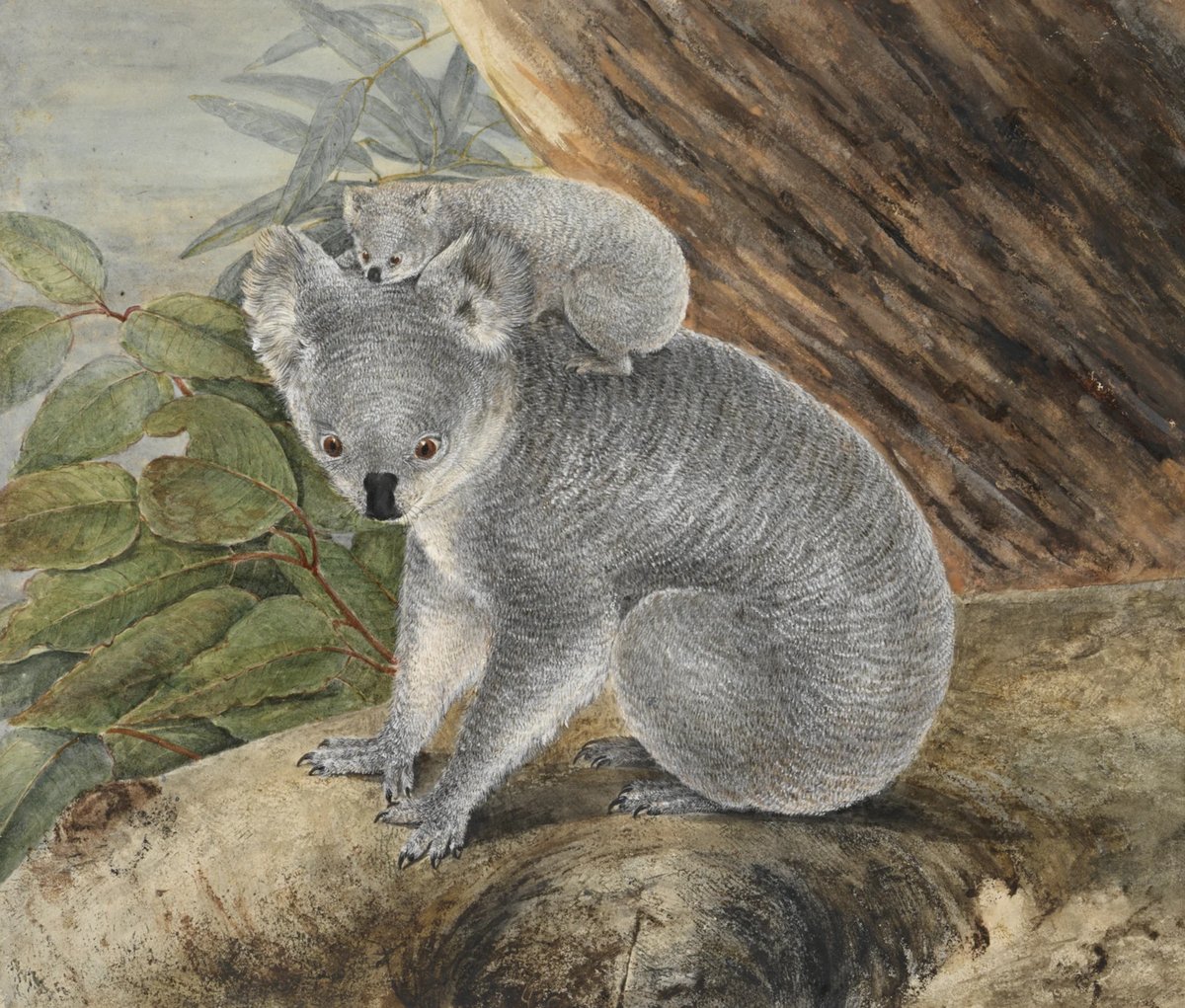
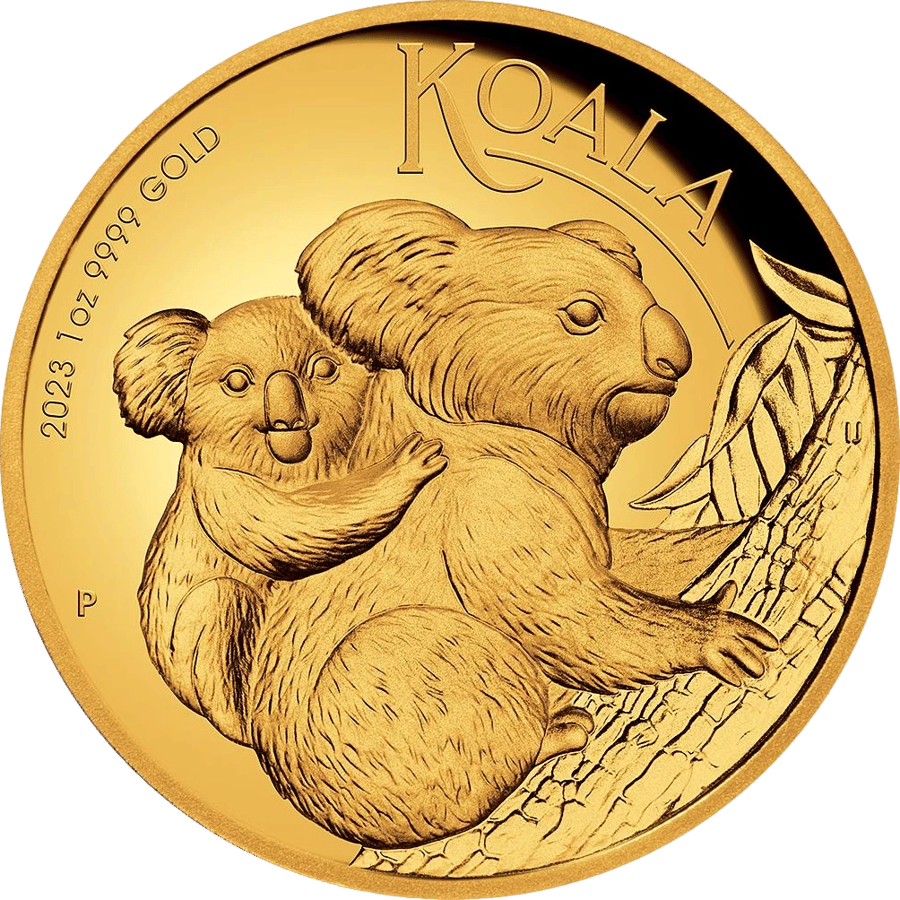
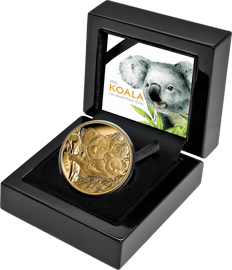
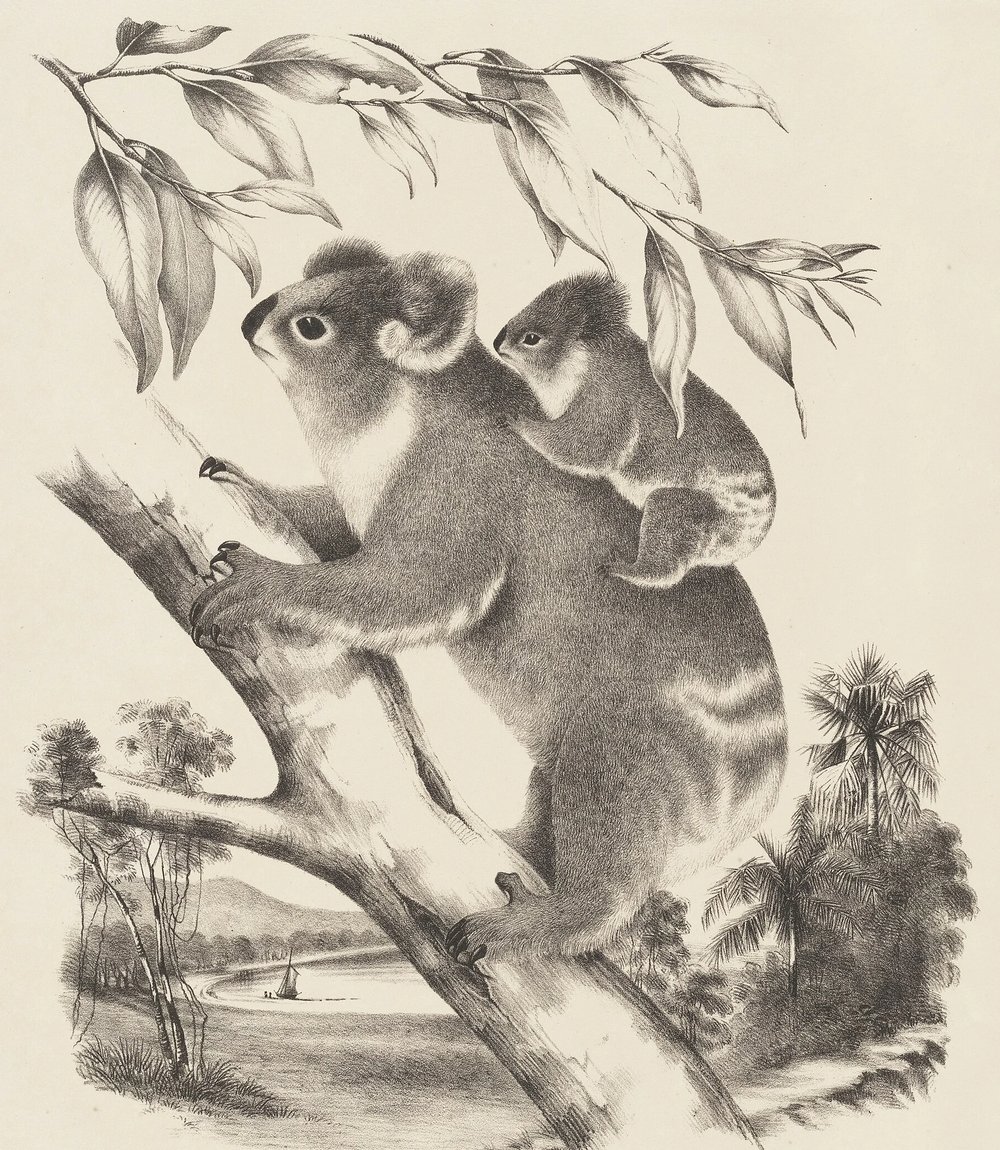
In 1803 John William Lewin painted a koala mother with her joey on her back. The Perth Mint’s coin of 2023 shows the mother climbing, her joey holding on to her.
Painted in 1803, struck in 2023.
Koalas live across about one million square kilometres in the east of Australia, not in Tasmania and not in Western Australia. Their range is patchy and reaches from northern Queensland to southern Victoria and south‑eastern South Australia.

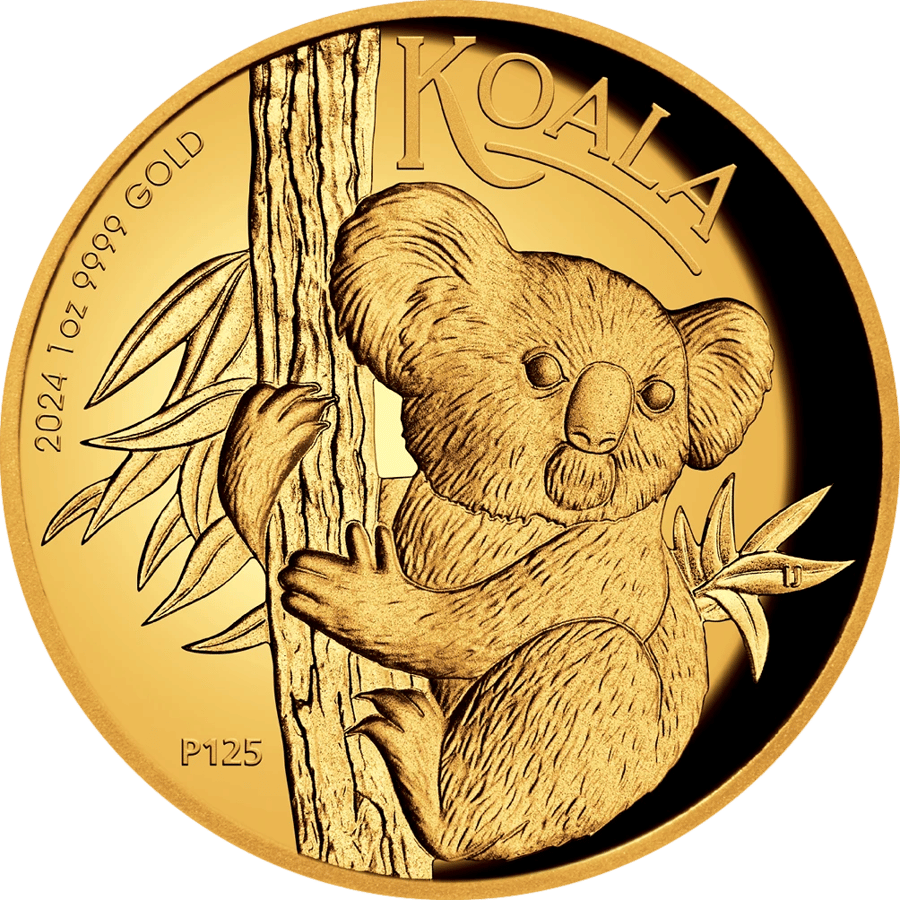
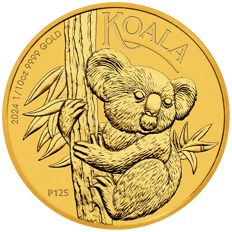
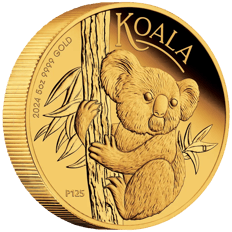
Perth Mint, 2024
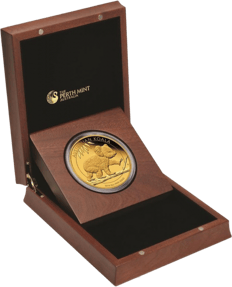
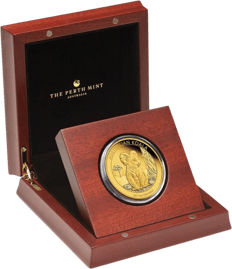
On the Perth Mint’s gold coin of 2024 a koala climbs a trunk. According to the Perth Mint, it is looking out over its natural habitat.
Distribution, schematic
Based on the Australian Museum, not an exact boundary. Outline: Natural Earth.
How densely they live varies greatly. For French Island in Victoria the Australian Museum gives 600 to 900 animals per square kilometre, for south‑eastern Queensland about 40.
Each dot stands for one animal. The faint dots show the range up to 900.
Since February 2022 the populations in Queensland, New South Wales and the Australian Capital Territory have been listed as Endangered under Australian federal law.
What is said about the koala, checked against information from the museum, the authorities and research.
“The koala is a bear.”
No.
It is a marsupial, distantly related to the wombats. Early Europeans called it “Native Bear”, and its genus name Phascolarctos also means pouched bear.
“It never drinks.”
Overstated.
It gets most of its water from the leaves. But it does drink, if only rarely.
“It sleeps 22 hours a day.”
Usually less.
The New South Wales Government gives about 18 hours.
“It has fingerprints like ours.”
True.
In 1997 researchers at the University of Adelaide found dermal ridges on its fingers that are very similar to those of humans, in a study of about 20 animals.
Where does the word “koala” come from?
Not entirely clear.
Probably from an Aboriginal language of eastern New South Wales. The first records near Sydney, between 1798 and 1803, included “cullawine”, “colo” and “koolah”.
Five Koala coins at the same scale, with the diameters the Perth Mint gives for them.

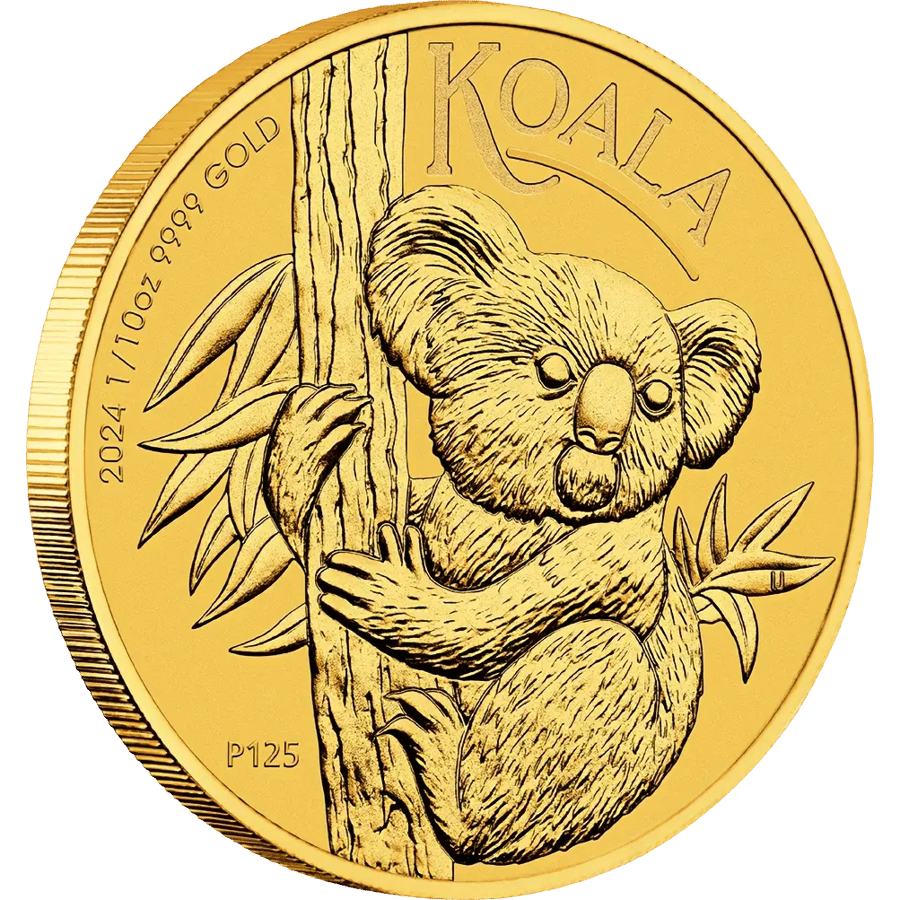
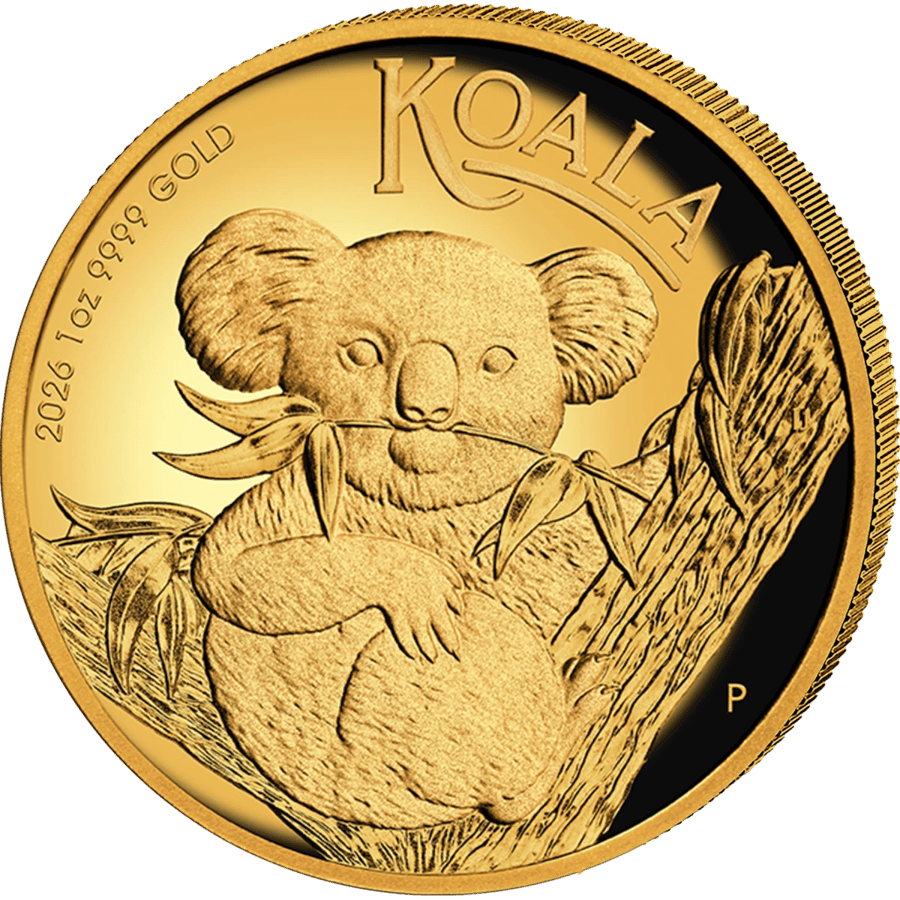
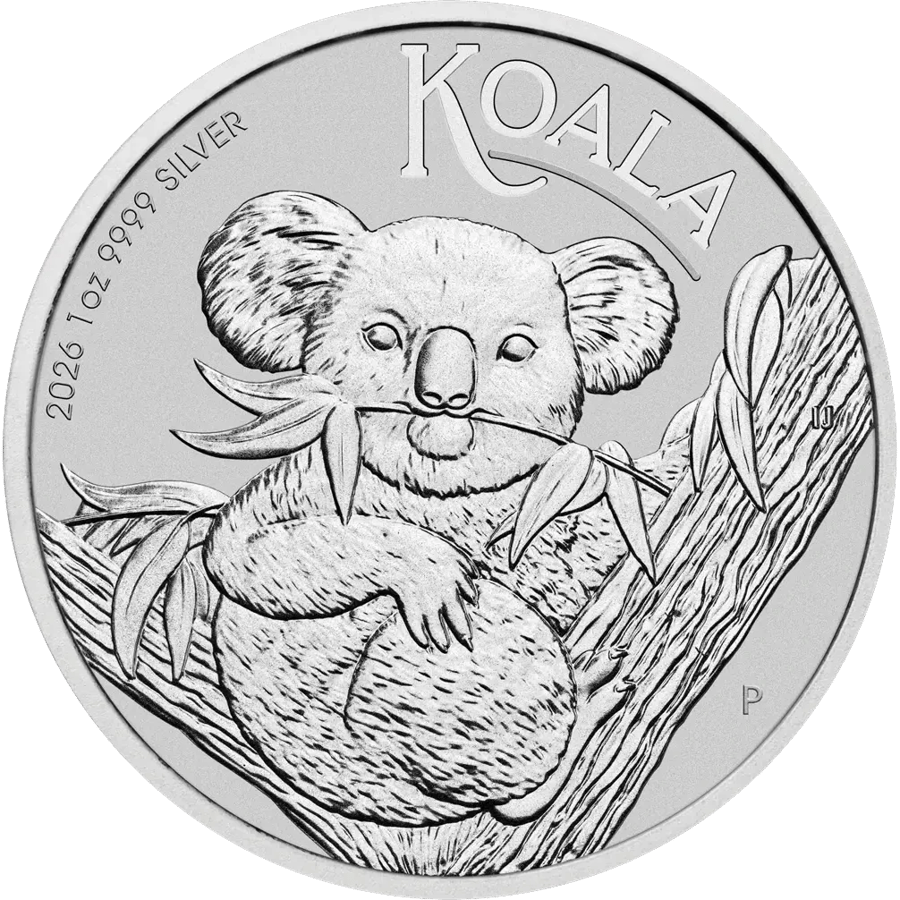
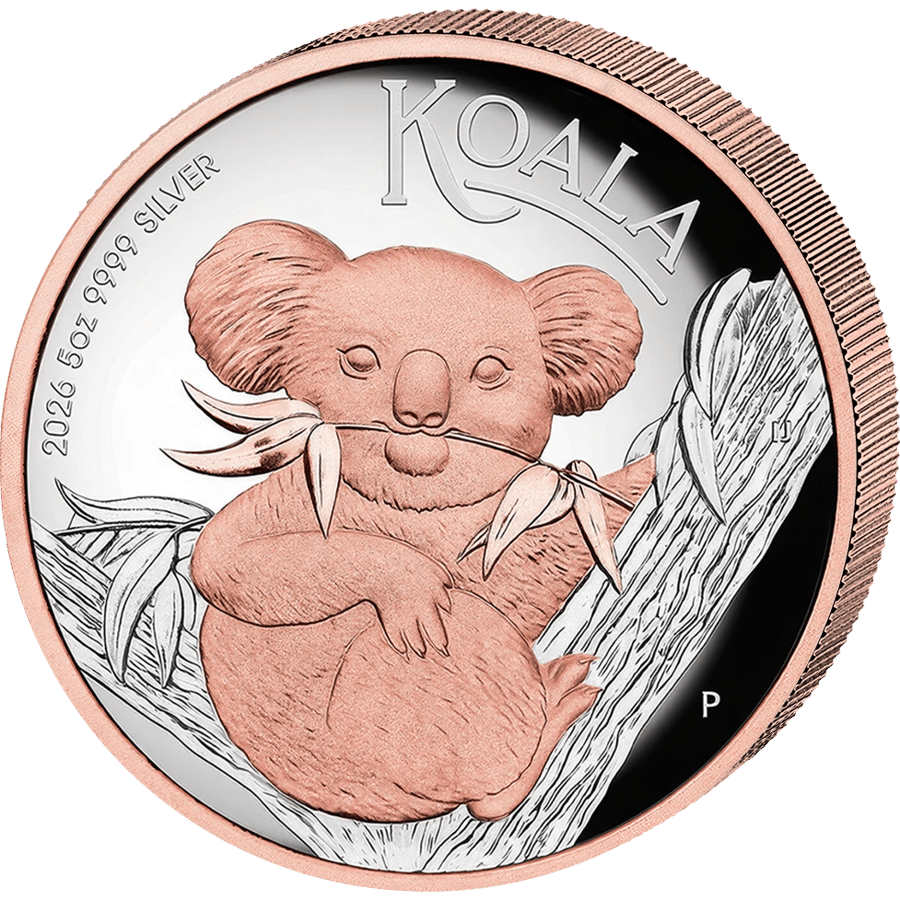
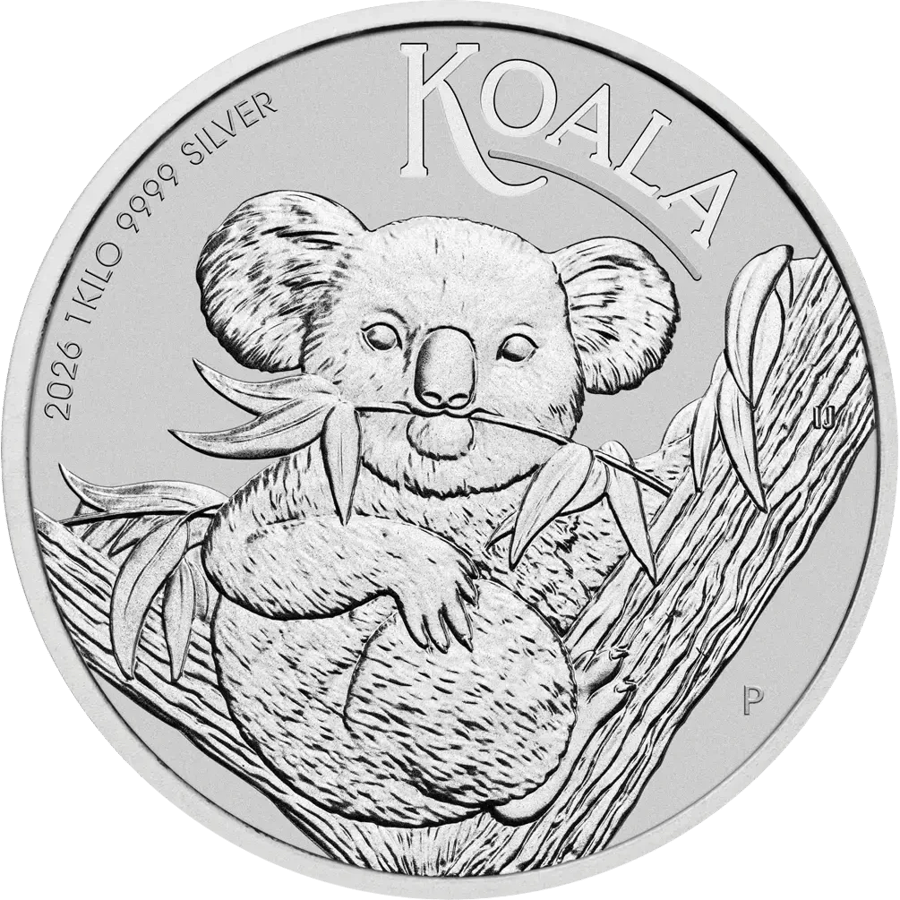
Koalas have sat on the coins of the Royal Australian Mint since 2024: one in 2024, two in 2025, three in 2026.
Hardly any animal embodies Australia as unmistakably as the koala, and hardly any gold coin captures this charm as impressively as the Koala gold coin from the Perth Mint. Since its introduction, this strictly limited series has delighted investors and collectors alike: a new design every year, struck in the highest quality as Proof and, since 2008, in sculptural High Relief. The following sections cover the history, denominations, minting quality, authenticity features, tax particulars and the correct storage of this popular Australian gold coin.
Alongside the kangaroo, the koala is one of the most famous emblematic animals of the fifth continent. While the Koala silver coin is distributed worldwide in the millions and has made the design popular, the Koala gold coin is deliberately issued in small numbers. This is precisely where its particular appeal lies: where silver serves the mass market, gold stands for rarity and exclusivity.
Responsible for the minting is the Perth Mint, one of the most renowned mints in the world. The 1 oz issues in Proof quality are often struck in mintages of only 200 pieces, while larger formats such as the 5 oz coin are sometimes limited to fewer than 100 pieces worldwide. This tight limitation makes the series a sought-after object for lovers of sophisticated collector's coins. The range is complemented by issues from the Royal Australian Mint (RAM) as well as the delicate Wildlife series in miniature format.
The hallmark of the Koala series is its annually changing design. Sometimes the koala rests alone on a eucalyptus branch, sometimes a mother is shown with her young, and sometimes the animal peers curiously out from the foliage. This creative variety fundamentally distinguishes the coin from classic bullion coins with an unchanging design and turns every year of issue into an independent collector's item.
The designers at the Perth Mint regularly succeed in using the entire coin surface for the detailed depiction of the animal. Leaves, branches or the koala's head often extend beyond the surrounding ring of lettering bearing the inscription Australian Koala, a design device that gives the motif depth and vitality.
Since 2008, the Koala gold coin has been struck in High Relief. This raised minting technique makes the design stand out sculpturally from the coin and creates a fascinating three-dimensional impression. Combined with the Proof minting quality, in which mirror-like fields contrast with frosted elements of the design, a visually extraordinary object is created. Similar techniques can be found on other issues of Australian gold coins.
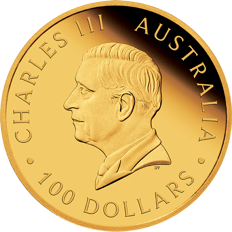
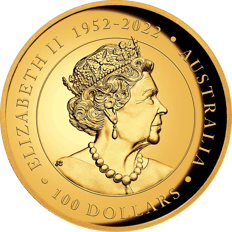
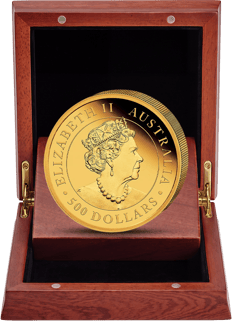
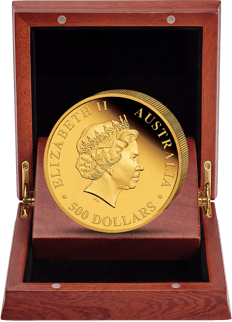
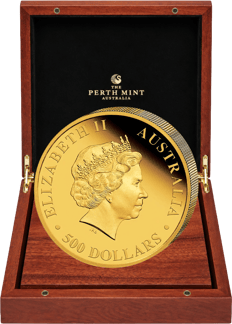
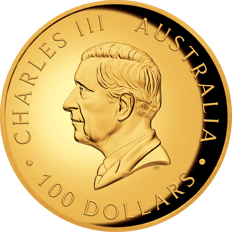
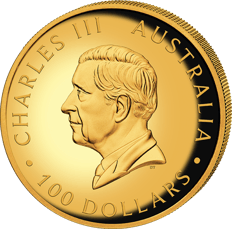
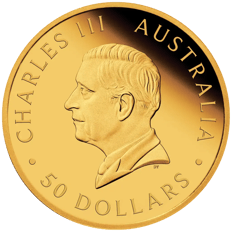
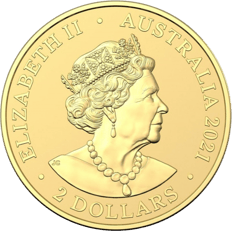
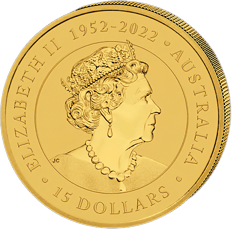
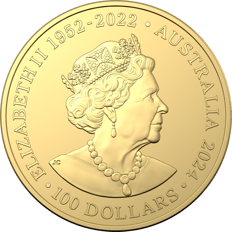
The reverse of the Koala gold coin, in the classic Perth Mint issues, bears the portrait of Queen Elizabeth II, which appeared on Australian coins for many years, as well as the face value in Australian dollars (AUD). The face value confirms its status as official legal tender of Australia, even though the pure gold value far exceeds this stamped amount many times over. More recent years of issue bear the likeness of King Charles III, a change that further appeals to collectors, as both portrait variants mark distinct historical periods. This monarch's portrait is shared by the Koala series with other Australian issues such as the Gold Kangaroo.
The Koala gold coin is available in several weight classes, serving different purposes, from a small entry point to a large showpiece. The common denominations at a glance:
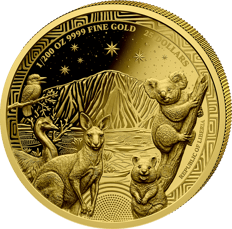
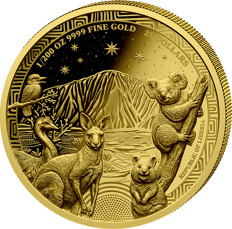
A special feature is the Wildlife series in the miniature format of 1/200 oz, which, besides the koala, also includes designs such as the quokka and the kookaburra. These tiny Proof coins appeal to collectors wishing to assemble a complete thematic series. Those who prefer a more straightforward investment approach will find a simple alternative without a collector's premium in the 1/10 oz gold bars.
The Koala gold coin is primarily a collector's coin. Unlike pure investment classics such as the Krugerrand or the Maple Leaf, the Koala series places its aesthetic and limited character at the forefront. The purchase price is therefore noticeably above the pure material value. Those primarily focused on gold content are better served by gold bullion coins; those seeking something special will find it in the Koala gold coin.
High-quality collector's coins such as the Gold Koala are delivered with several security and authenticity features. These typically include:
At Kettner Edelmetalle, every coin undergoes an ISO-compliant authenticity verification before being dispatched with insured shipping. Those wishing to safely store coins long-term should also pay attention to correct handling, more on this in the section on storage. Related Australian designs can be found, for example, in the Kangaroo or in the Discover Australia series.
Gold coins enjoy a special tax status in Germany. As a gold product, the Koala gold coin fundamentally falls under the regulations for investment gold.
Tax Note
Investment gold is exempt from VAT in Germany pursuant to §25c UStG. If a gold coin is held for longer than one year, any capital gain is, under current law, exempt from income tax. This information does not replace tax advice; the individual situation is always decisive.
A look at the fine print is nevertheless worthwhile: tiny miniature formats such as the 1/200 oz Wildlife issues are, depending on classification, sometimes shown with VAT, as they are considered collector's items. A comparison with silver coins clearly shows the difference: silver is generally subject to the margin scheme and is thus treated differently for tax purposes than gold.
Since the Koala gold coin is struck in Proof quality, its condition is particularly sensitive. Even a single fingerprint on the mirrored surface can diminish the value of a strictly limited collector's coin. Some basic rules apply for long-term value preservation:
Suitable coin capsules reliably protect the sensitive surface from dust and touch. Those collecting an entire sequence of years benefit from systematic storage that ensures a clear overview even after many years.
Those wishing to buy a Koala gold coin should keep a few points in mind to find the right issue:
A collector's coin is not merely bought, it tells a story: every year of issue in the Koala series captures its own moment of Australian nature.
Thematically related animal designs can be found in the Lunar Series II or among the Somalia Elephant gold coins, popular series for all who, besides investing, also appreciate collecting.
The classic Koala gold coin is minted by the Perth Mint in Australia, one of the most renowned mints in the world. In addition, there are issues from the Royal Australian Mint (RAM) as well as the Wildlife series in miniature format.
The annually changing design is a deliberate hallmark of the series. It turns every year of issue into an independent collector's item and distinguishes the Koala gold coin from bullion coins with an unchanging design.
The Koala gold coin is available, among others, in 1/10, 1/2, 1, 2 and 5 oz. In addition, there is the delicate Wildlife series in 1/200 oz. The 1 oz issue in High Relief and Proof is considered the centrepiece of the series.
As investment gold, the Koala gold coin is fundamentally exempt from VAT pursuant to §25c UStG. Miniature formats such as the 1/200 oz Wildlife issues may be treated differently depending on their classification as a collector's item. For the individual situation, tax advice is recommended.
The Koala silver coin is issued with a high mintage and is widely distributed, while the gold coin is strictly limited and usually struck in Proof quality. They also differ for tax purposes: gold is VAT-exempt, while silver is generally subject to the margin scheme.
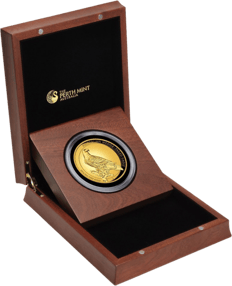
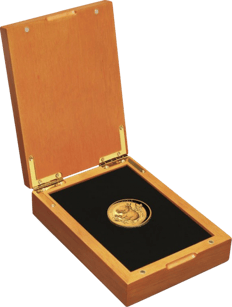
Because of the sensitive mirror surface of the Proof finish, the coin should only be touched with gloves and only by the edge, and should be left in its original capsule and wooden box. Dry, temperature-stable storage in coin capsules or cases preserves its value in the long term.
 Koala
Stay informed with product launches, financial news and exclusive offers. Sign up for our free newsletter today.
By entering your email address and clicking the "Submit" button, you give the following consent: "I agree to be informed by email about new products, financial news and exclusive offers, and therefore consent to the processing of my email address for the purpose of sending the newsletter. I can revoke this consent at any time without giving reasons, with effect for the future. The lawfulness of processing carried out prior to revocation remains unaffected."