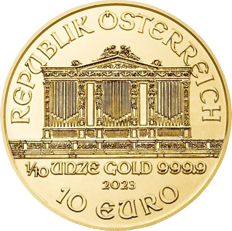
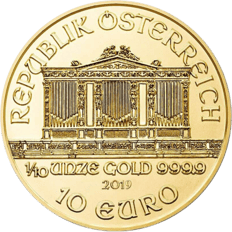
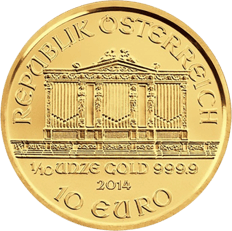
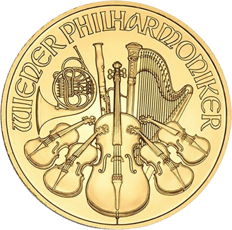
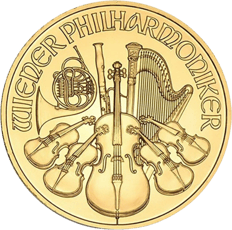
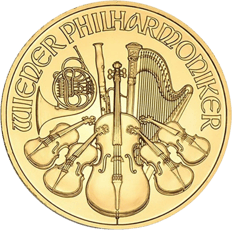
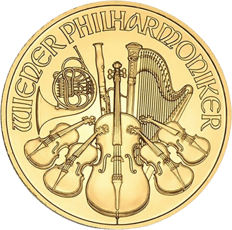
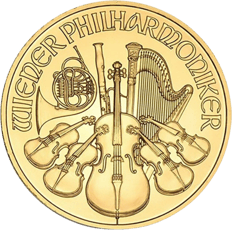
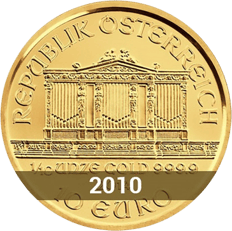
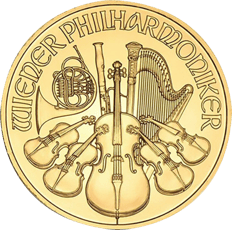
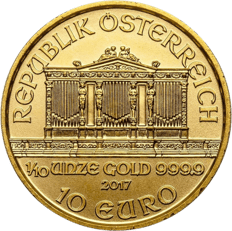
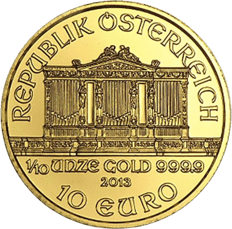
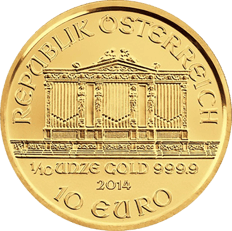
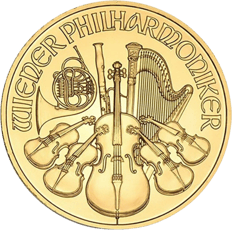
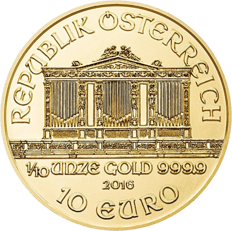
1/10 oz Gold Vienna Philharmonic 2026
£378.77
VAT-free and excl. shipping
Available in 2–3 business days

 More than 300,000
 Over 30 years
 Secure shipping
 Google: 4.9/5


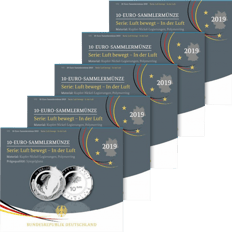
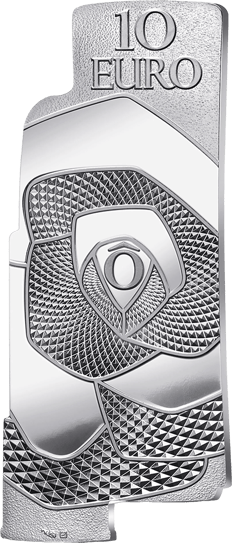
The 10 euro commemorative coins are among the best-known collector's items of the Federal Republic of Germany. Between 2002 and 2015, the Federal Republic issued an extensive series of these silver coins, honouring historic anniversaries, significant personalities and cultural events. This guide covers history, silver content, minting qualities, collector's value and tax treatment, and provides guidance on storage and authenticity verification.
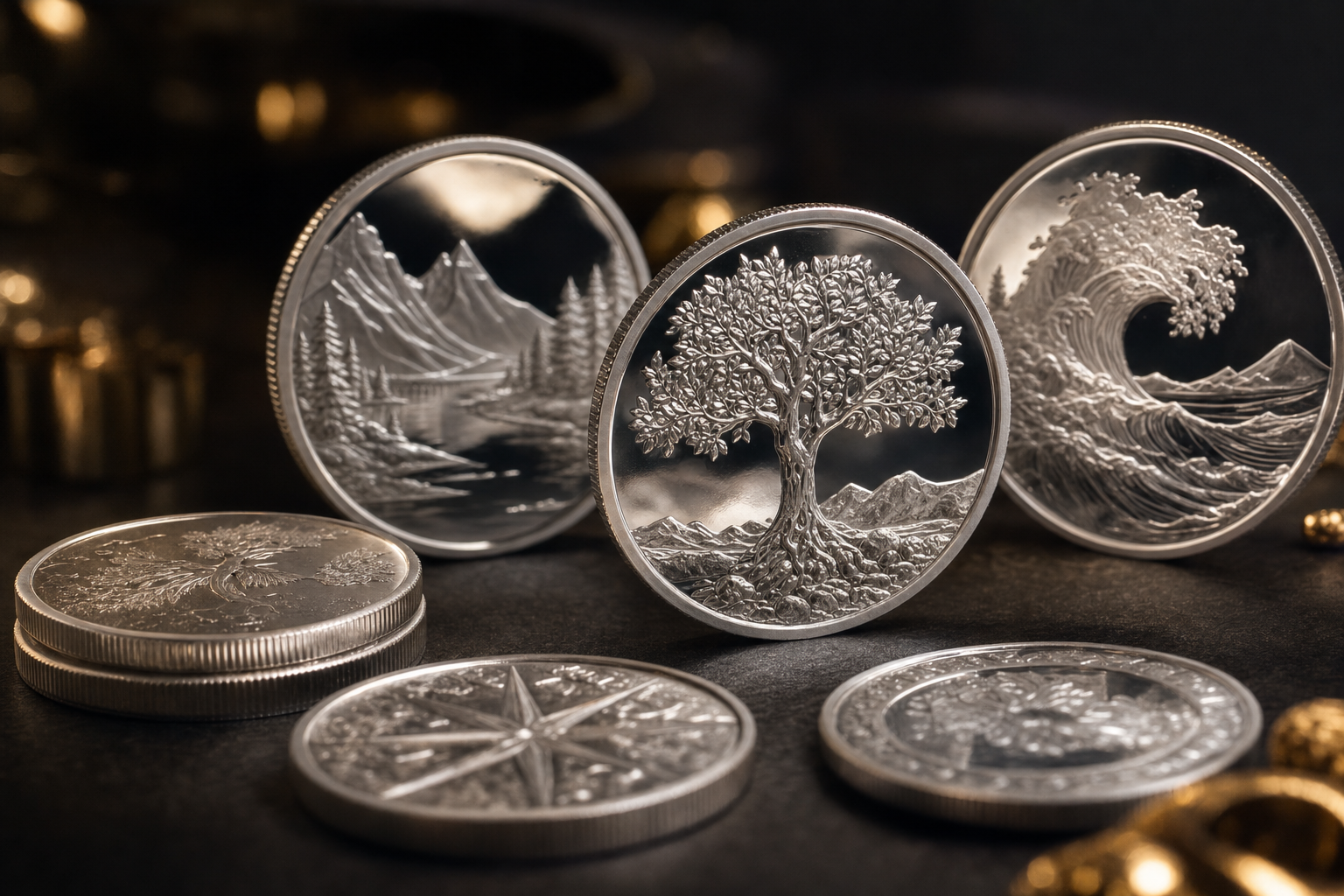
A 10 euro commemorative coin is an official German collector's coin with a legal face value of ten euros. Unlike pure bullion coins, these issues combine genuine silver content with a thematic occasion. The German issues were released under the responsibility of the Federal Ministry of Finance and were struck at the five German mints of Berlin (A), Munich (D), Stuttgart (F), Karlsruhe (G) and Hamburg (J). The letter on the coin reveals at which mint the respective specimen was produced.
A characteristic feature is the bimetallic character of the series over time: while the early years of issue have a high fine silver content, the composition was adjusted several times. Anyone interested in the wider range of official euro commemorative coins will also find related denominations such as the 20 euro commemorative coins and the smaller 5 euro commemorative coins.
The issue of 10 euro commemorative coins began in 2002, the year euro cash was introduced. The first coin was dedicated to the introduction of the euro itself. In the following years, several designs appeared annually, taking up round-number anniversaries, sporting events, buildings and outstanding personalities from the arts, science and politics. The series ended in 2015, when the 10 euro denomination was replaced by a new collector's coin concept.
The range of themes is wide and constitutes the particular appeal of the series. The recurring categories include:
Anyone looking for thematically related issues on musicians, poets and statesmen will also find them in the Personalities section and among the commemorative coins by occasion.
The silver content of the series changed over the years, a key point both for collectors and for buyers interested in the material value. The years of issue can be roughly divided into three phases.
| Period | Fineness | Weight (total) | Fine silver approx. |
|---|---|---|---|
| 2002-2010 | 925/1,000 sterling silver | 18.0 g | 16.65 g |
| 2011-2015 | 625/1,000 silver | 16.0 g | 10.0 g |
| from 2016 (successor) | copper-nickel / polymer ring | variable | n/a |
The diameter of the classic silver issues is 32.5 millimetres. Important for classification: from 2011 onwards the pure silver content fell noticeably, and the weight of the fine silver contained nearly halved. When assessing a specimen, the year of issue and the fineness should therefore always be considered together. Anyone looking for the pure material aspect in its purest form will find it more readily among classic silver coins or silver bars, whereas commemorative coins combine material and collector's value.
The 10 euro commemorative coins were issued in two different versions, which significantly influence the collector's value.
The minting quality Mint State refers to the regular circulation or standard collector's quality with matte design fields and normal lustre. This version was issued in higher mintages and is accordingly more readily available.
Proof quality is characterised by mirror-like fields and matte relief. It is produced using specially polished dies and increased striking pressure, is issued in smaller mintages, and is usually supplied in a case with a certificate of authenticity. Proof specimens typically achieve higher prices among collectors than comparable pieces in Mint State. Accessories for the careful presentation of such pieces can be found in the coin capsules and coin cassettes sections.
The value of a 10 euro commemorative coin is made up of several components. In addition to the pure silver value, the mintage size, condition and the popularity of the design all play a role.
The face value of ten euros represents a statutory lower limit, but for the silver years of issue it is usually well below the material and collector's value. Historical price developments are not a reliable indicator for the future: this information serves for context, not as investment advice. Anyone wishing to follow the silver market in general will find further ranges under silver and among the collector's coins.
A commemorative coin always tells a story: its value lies as much in the design and the occasion as in the precious metal it contains.
In Germany, silver coins are generally subject to VAT, unlike investment gold, which is exempt from VAT under §25c UStG. For collector's coins made of silver, the so-called margin scheme is often applied, under which only the trading margin is taxed.
Tax note
The sale of silver coins can be considered a private disposal transaction. After the one-year holding period has elapsed, any profit is generally tax-free for private individuals. This information does not replace tax advice: in individual cases, a tax advisor should be consulted.
For comparison, it is worth looking at the differently taxed area of gold coins as well as the topic of silver bullion coins, where the investment aspect is more to the fore.
Official German commemorative coins are among the safest collector's items, yet careful verification is advisable, particularly when buying second-hand. The following characteristics help with assessment:
A reputable specialist dealer with documented provenance significantly reduces the risk. Kettner Edelmetalle relies on ISO-compliant authenticity verification for this purpose. Additional testing and storage utensils can be found in the collector's accessories section.
Silver reacts with sulphur compounds in the air and can tarnish over time. A dark patina reduces the condition grade of collector's coins, which is why proper storage is important.
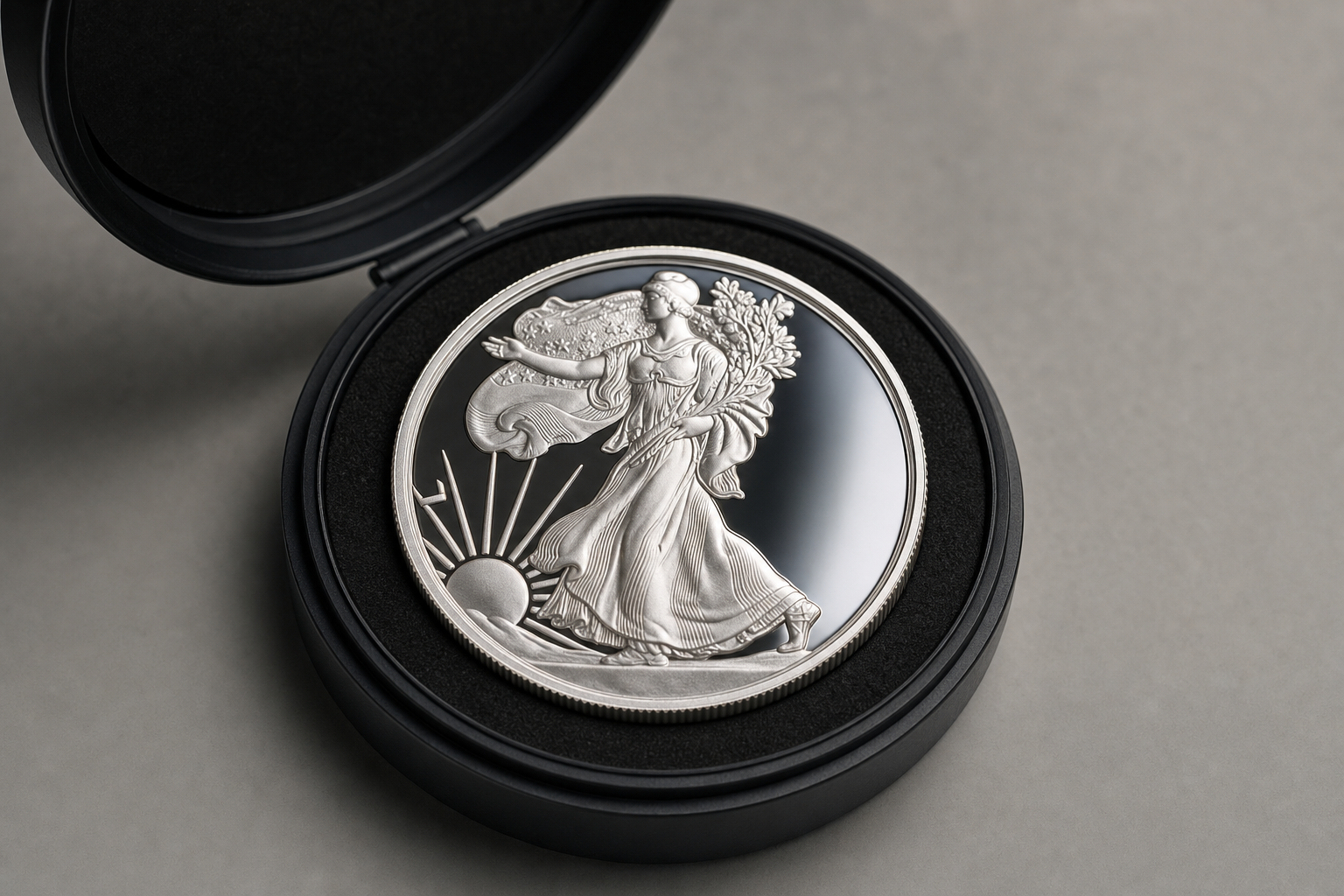
For the organised storage of entire series, coin cases are suitable, while individual Proof issues are best kept in coin pouches or capsules. Anyone wishing to delve deeper into the subject will find suitable titles under books.
Within the official German collector's coins, the 10 euro issues form the centrepiece of the silver series. The smaller denominations, such as the 2 euro commemorative coins, circulate in normal payment transactions and are made of copper-nickel, while the higher denominations, such as the 100 euro commemorative coins and 50 euro commemorative coins, are issued as gold coins.
The 10 euro silver coins therefore occupy a middle position: more affordable than the gold denominations, but with genuine precious metal content and thematic variety. Anyone wishing to get an overview of the entire range will also find the 25 euro commemorative coins and the euro coin sets in related categories.
That depends on the year of issue. The issues from 2002 to 2010 are made of 925 sterling silver and contain around 16.65 grams of fine silver. The years of issue from 2011 to 2015 were struck from 625 silver and contain around 10 grams of fine silver.
The coins were issued in Mint State (regular collector's quality) and in Proof (mirror finish with raised, matte relief). Proof coins are issued in smaller mintages and usually come in a case with a certificate, and they are more highly valued among collectors.
The letter identifies the mint: A stands for Berlin, D for Munich, F for Stuttgart, G for Karlsruhe and J for Hamburg. For some issues, certain mints can be rarer and therefore more sought after.
Silver coins are generally subject to VAT, but for collector's coins the margin scheme is often applied. For private individuals, any profit from a sale is generally tax-free after the one-year holding period has elapsed. For binding information, a tax advisor should be consulted.
The silver series of 10 euro commemorative coins ran from 2002 to 2015. From 2016 onwards, the denomination was replaced by a new collector's coin concept using different materials.
Airtight coin capsules or coin cassettes kept in a dry, dark place are ideal. Direct contact with bare fingers should be avoided to prevent fingerprints and premature tarnishing.
 Commemorative Coins10 Euro
Stay informed with product launches, financial news and exclusive offers. Sign up for our free newsletter today.
By entering your email address and clicking the "Submit" button, you give the following consent: "I agree to be informed by email about new products, financial news and exclusive offers, and therefore consent to the processing of my email address for the purpose of sending the newsletter. I can revoke this consent at any time without giving reasons, with effect for the future. The lawfulness of processing carried out prior to revocation remains unaffected."