Only 1 left to order
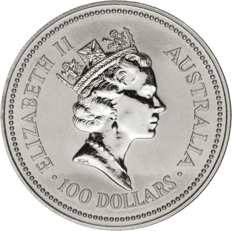
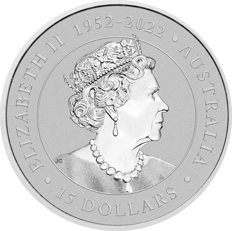
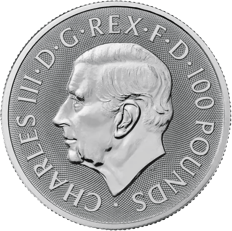
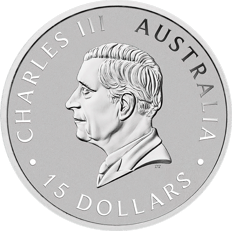
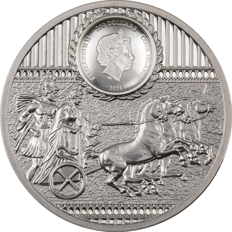
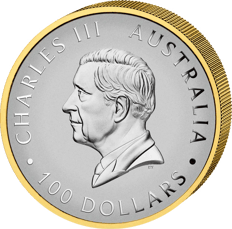
1 oz Platinum Wedge Tailed Eagle 2026 (Mintage: 150 | High Relief | Partially Gilded | Reverse Proof)
£2,813.86
excl. UK import VAT and shipping
Available in 2–3 business days

 More than 300,000
 Over 30 years
 Secure shipping
 Google: 4.9/5


Among investment and collector coins made of platinum, established classics such as the Vienna Philharmonic, Maple Leaf or American Eagle represent only the tip of the range. Beyond these names, there is a broad world of further platinum coins: strictly limited design series, animal motifs, historical and mythological themes, as well as regional special editions from South Africa, Australia, the United Kingdom, Mongolia and other countries. This guide classifies the most important series, explains the special characteristics of platinum as a precious metal, examines denominations, fineness, tax treatment, storage and authenticity verification, and answers the most frequently asked questions about further platinum coins.
The term further platinum coins covers all mintings that do not belong to the well-known standard bullion series. This includes design-rich collector editions as well as smaller denominations for newcomers. A characteristic feature is often the low mintage, ranging from a few thousand pieces to extreme rarities with only a few dozen specimens worldwide. This scarcity clearly distinguishes the category from pure bullion coins, which are issued in mintages running into the millions.
Those interested in this segment move between two poles: the investment approach (focused on material value and low premium) and the collector aspect (focused on design, minting quality and rarity). A good overview starts with the overarching category of platinum coins, from which all series can be explored. It is also worth looking at platinum bars, which are often the more cost-effective option for pure investment purposes.
Platinum is one of the rarest precious metals of all. Annual production is around 180 tonnes, far below that of gold. It is mined predominantly in South Africa and Russia, which makes the market vulnerable to supply-side fluctuations. Chemically, platinum is characterised by a very high melting point, pronounced corrosion resistance and a silvery-white, permanently lustrous appearance.
A significant part of demand does not come from the investment sector but from industry, particularly from catalytic converter manufacturing in the automotive sector as well as from the jewellery and chemical industries. This dual role as both an industrial and an investment metal fundamentally distinguishes platinum from gold, which is primarily sought after for monetary and jewellery purposes. For a broader comparison of metal properties, it is also worth looking at silver and palladium, which is chemically closely related to platinum.
Platinum in figures
Further platinum coins cover a wide weight spectrum. By far the most common size is the 1 oz platinum coin (31.1 grams), which is regarded as the standard for design series. In addition, there are smaller denominations that allow for a more affordable entry, as well as individual larger editions for collectors. Almost all mintings achieve a fineness of 999.5/1,000, meaning they consist of almost pure platinum.
| Denomination | Weight | Typical use |
|---|---|---|
| 1 g / a few grams | 1-5 g | Entry point, small collector editions |
| 1/10 oz | 3.11 g | Design series in small sizes |
| 1 oz | 31.1 g | Standard for investment and collecting |
| 30 g / 2 oz | 30-62.2 g | Larger collector editions |
Smaller denominations inherently carry a higher premium per gram, as minting costs and trading margin are spread over less material. For pure material value, larger units or 1 oz platinum bars are therefore more efficient, while small coins develop their appeal mainly as collectibles or gifts. Those who prefer the gram range will also find a handy alternative in the 5 g platinum bar.
The appeal of further platinum coins lies in the breadth of their designs. Unlike standardised bullion coins, the design here takes centre stage, often combined with Proof minting and, in some cases, raised relief.

The Big Five bring together the five great wild animals of Africa, each on its own edition. In platinum, these designs are issued in particularly small mintages, mostly as Proof. Related animal depictions, such as the African Wildlife leopard, sometimes reach extreme rarity levels of only a few dozen specimens. Collectors who follow this theme in other metals will find parallels in the Big Five in silver and the Big Five in gold.
The Queen's Beasts from the British Royal Mint depict the ten heraldic animals that stood godfather to the coronation of Elizabeth II. The successor series Tudor Beasts takes up the heraldic animals of the Tudor dynasty. In platinum, both series are considerably rarer than their counterparts in silver and gold. Those who wish to compare the series will also find them as a standalone category under Queen's Beasts in platinum, as well as, thematically fitting, in the British cult section.
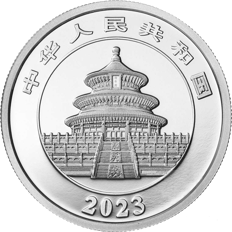
The China Panda is one of the few platinum series with an annually changing design and is issued by the China Mint in several gram sizes. Lunar editions, such as those from Rwanda, depict the twelve zodiac signs of the Chinese calendar and are issued in small mintages. Collectors of this theme will also find related mintings in the Lunar Series III in platinum as well as in the broader thematic world of Lunar designs.
Unlike investment gold, platinum is not exempt from VAT in Germany. Platinum coins are generally subject to the margin scheme taxation or standard taxation, depending on the origin and procurement of the goods. Under the margin scheme, tax is levied only on the trading margin, not on the full value of the goods, which keeps the final price lower compared with full standard taxation.
Tax note
Platinum is subject to VAT in Germany, while physical investment gold is exempt from tax under § 25c UStG. Those who wish to avoid this difference can alternatively opt for VAT-exempt investment gold. This information is of a general nature and does not replace professional tax advice.
For private individuals, the income tax speculation period is also relevant: the sale of physical precious metals after a holding period of more than one year is generally tax-free for private investors. Those who wish to make use of gold's tax advantage can find guidance in the ranges of gold coins and gold bullion coins.
Further platinum coins are produced by renowned mints, including the South African Mint, the China Mint and the British Royal Mint. Authenticity can be assessed based on several characteristics:
When buying, in addition to the material value, the mintage level, grade (such as Proof or Brilliant Uncirculated) and the completeness of case and certificate are decisive. Kettner Edelmetalle relies on an ISO-compliant authenticity verification for this. Those who wish to deepen their knowledge will find the basics on the subject in the collector's coins category.
Platinum is corrosion-resistant and, unlike silver, does not tarnish. Nevertheless, collector editions, especially Proof mintings, should be protected from scratches and fingerprints, as even minor damage can reduce their collector value. Storage in coin capsules or in a coin case that keeps several pieces neatly and securely stored is recommended.
For larger holdings, a home safe or a bank safe deposit box are worth considering; in both cases, adequate insurance is advisable. Further storage accessories can be found bundled in the accessories category. Those who transport coins more frequently should use suitable coin pouches.

The platinum price has been fixed twice daily via the London market since 1987. Historically, the price per troy ounce has moved within a considerable range, reflecting its close link to industrial demand. Phases of intense demand from the automotive industry have been offset by phases of technological substitution, such as the partial switch to palladium in catalytic converters.
For assessing one's own purchases, the current platinum price is the most important reference figure; the premium on limited collector editions is above this and depends on mintage and demand. A comparison with other precious metals makes the decision easier, for example with the wide range of silver coins or with gold bars for pure material value. Statements about future performance are fundamentally not possible; this text is for information purposes only.
This includes all platinum mintings that do not belong to the well-known standard bullion series such as Maple Leaf, Vienna Philharmonic or American Eagle, for example design series such as Big Five, Queen's Beasts, Tudor Beasts, China Panda in platinum, as well as regional and mythological special editions, often with a very small mintage.
Yes. Unlike physical investment gold, platinum is not exempt from VAT. In practice, the margin scheme taxation is often applied, under which tax is only charged on the trading margin. For a binding assessment, professional tax advice is recommended.
Almost all editions achieve a fineness of 999.5/1,000, meaning they consist of almost pure platinum. This corresponds to the same purity standard that is also common for established platinum bullion coins.
Both are possible. Large denominations with a low premium emphasise material value, while limited Proof editions with small mintages are of particular interest to collectors. For purely investment purposes, platinum bars are often the more cost-effective alternative.
Important characteristics include the exact weight, the specified dimensions, a sharp strike, and, for limited editions, a numbered certificate of authenticity and a matching case. Purchasing from an established dealer with documented provenance and verified goods provides additional security.
Platinum is rare and expensive to process, which is why design series are usually minted only in small quantities, sometimes just a few dozen up to a few thousand specimens. This scarcity is a key characteristic of the category and distinguishes it from bullion coins with mintages in the millions.
 More Platinum Coins
Stay informed with product launches, financial news and exclusive offers. Sign up for our free newsletter today.
By entering your email address and clicking the "Submit" button, you give the following consent: "I agree to be informed by email about new products, financial news and exclusive offers, and therefore consent to the processing of my email address for the purpose of sending the newsletter. I can revoke this consent at any time without giving reasons, with effect for the future. The lawfulness of processing carried out prior to revocation remains unaffected."