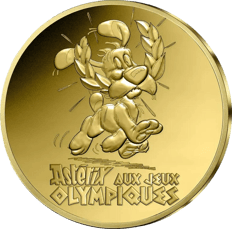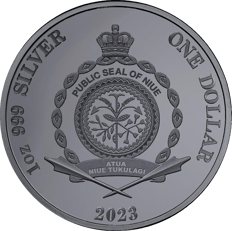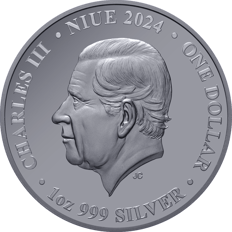
Only 1 left to order
1 Ounce Gold Chess Pieces Rook 2026 (Mintage 99 | Proof | Platinum-Plated)
£6,238.84
VAT-free and excl. shipping
Available in 2–3 business days

 More than 300,000
 Over 30 years
 Secure shipping
 Google: 4.9/5
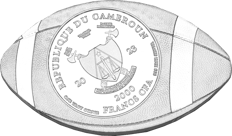
Sport strengthens body and soul. Even in ancient times, athletic competitions were an important event for people, and this fascination has not diminished to this day — quite the contrary. Billions of people still follow sporting events on TV or live. This fascination has not left the precious metals market untouched, and an increasing number of coins are dedicated to the theme of sport or sporting events. These are mostly limited edition coins that quickly rise in value.


The chessboard has 64 squares of equal size, the football goal measures 7.32 m between the posts, and a baseball is covered with two strips of leather, tightly stitched. Rule books fix some things to the centimetre, give a range for others and leave some open.
The world chess federation, FIDE, lays down the board in its rules: 8 × 8, that is 64 squares of equal size, light and dark in turn. Its standard for chess equipment recommends 5 to 6 cm per side. The board was not always chequered. What are probably the earliest European rules, summarised by Murray in 1913, have a board without alternating colours. The Einsiedeln Poem, written before 1100 according to Murray, already names the use of the alternating colours: they simplify the calculation of moves and guard against false moves.

Diagram: a board of 8 × 8 squares, the queen on d4. The squares she reaches on an empty board are shaded: on file d the squares d1 to d3 and d5 to d8, on rank 4 the squares a4 to c4 and e4 to h4, on one diagonal a1, b2, c3, e5, f6, g7 and h8, on the other g1, f2, e3, c5, b6 and a7, 27 squares in all. The four squares she reached in the past, one square diagonally each, carry a dark mark in the centre: c3, e3, c5 and e5.
Diagram
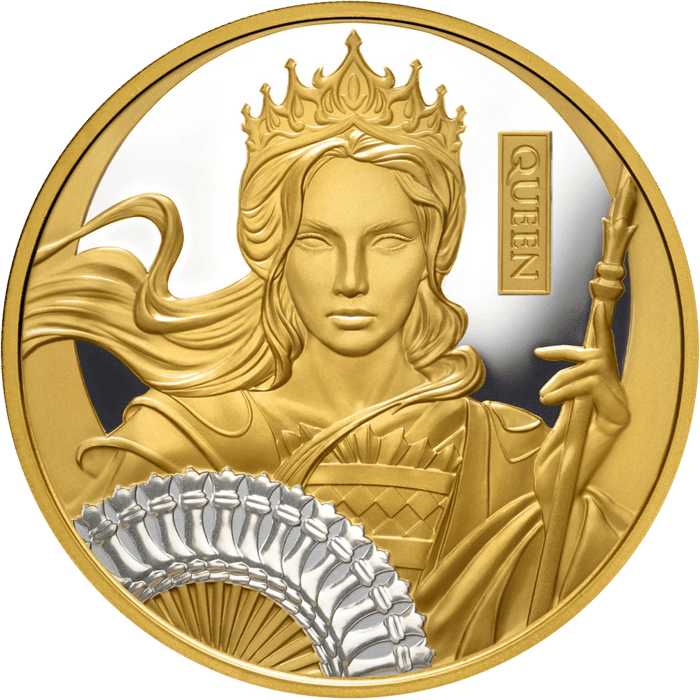
According to the rules of FIDE, the queen moves any distance along a file, rank or diagonal, as long as no piece stands in the way. On an empty board she reaches 27 squares from d4: 14 on file and rank, 13 on the two diagonals. In the early rules that Murray summarises, she moved only one square diagonally. It was in the last years of the 15th century, according to Murray, that a new kind of chess arose in which the queen has her present move; before that she was far weaker than the rook or the knight, afterwards practically twice as strong as the rook.
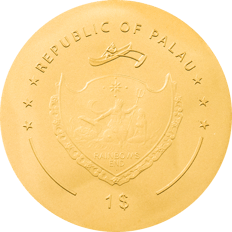
Shown in gold: the queen as a woman with a crown, a long staff in her hand and a large fan.
According to Murray, Rowbothum, who put a chess book into English in 1562, added a note on the English pieces of his day. Of the pawns he writes:
… the Paunes be made smalest & least of all, & thereby they may best be knowen.
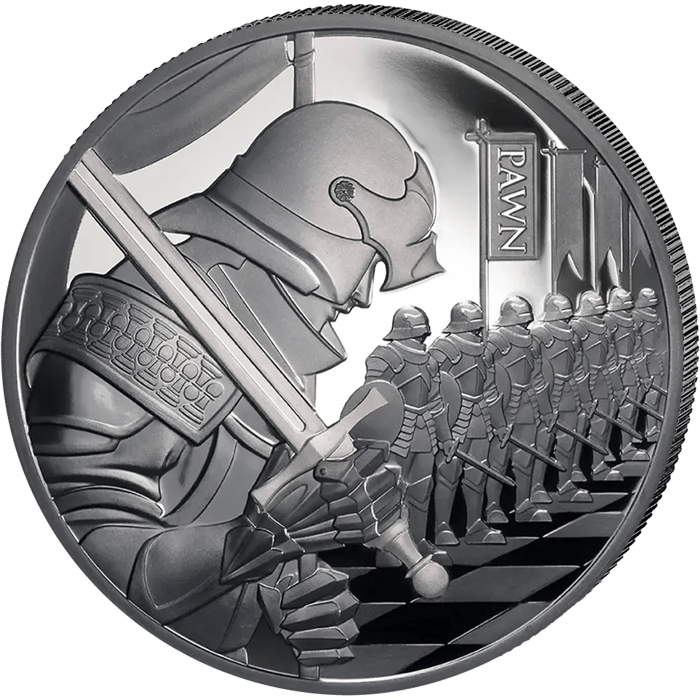
Today FIDE gives numbers for it. Its standard gives a standard height of 50 mm for the pawn and 95 mm for the king, with up to 10% deviation, as long as the order of the sizes is kept. Four pawns must fit comfortably on one square.
In silver, the pawn as a figure with a helmet, in front of a row of identical figures on chequered ground.
The rule-making body of football, the IFAB, fixes the goal in Law 1 with two numbers: 7.32 m between the inner edges of the goalposts, 2.44 m from the ground to the lower edge of the crossbar. Next to them, in brackets, stand 8 yards and 8 feet. For the distance between the goalposts and the height of the crossbar off the ground, the Law gives no range.
Diagram according to Law 1 of the IFAB: a pitch seen from above as a line drawing. A thin line shows the largest pitch allowed, 120 m long and 90 m wide, with its two goals, a bold one the smallest, 90 m long and 45 m wide. The goals, the penalty areas as marked areas in front of the goals and the centre circle around the centre of the pitch are as large in the largest pitch as in the smallest: the goal 7.32 m wide, the penalty area 16.5 m deep and, by our own calculation, 40.32 m wide, the centre circle with a radius of 9.15 m. Only the outer lines of the pitch and the halfway line, which joins the midpoints of the two touchlines, grow longer with it.
Diagram
For the pitch, on the other hand, Law 1 allows ranges: 90 to 120 m in length and 45 to 90 m in width, for international matches 100 to 110 m and 64 to 75 m. What stays fixed is the penalty area, the marked area in front of each goal, 16.5 m from the inside of each goalpost to the side and 16.5 m into the pitch, and the centre circle around the centre of the pitch with a radius of 9.15 m. The lines are part of the areas they bound. At a width of 45 m, 2.34 m remain on each side of the penalty area, because it is 7.32 + 2 × 16.5 = 40.32 m wide (own calculation).
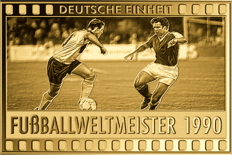
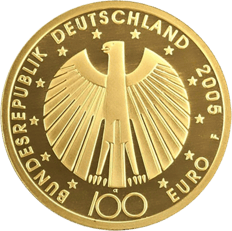
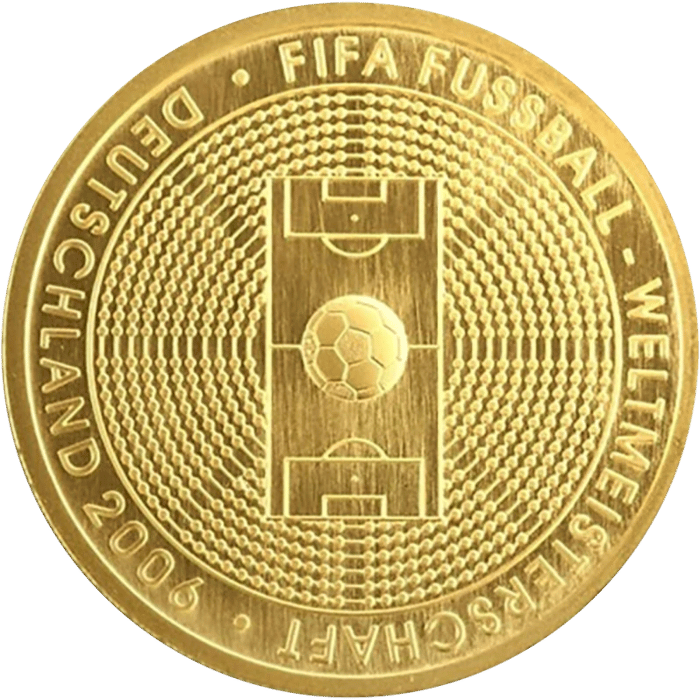
According to the Deutsche Bundesbank, the 100 euro gold coin for the 2006 Football World Cup was issued on 4 October 2005; it is 28 mm in diameter and weighs 15.55 g. According to the Deutsches Münzen Magazin, it was the first German gold coin on the theme of football; the design side is by Heinz Hoyer.
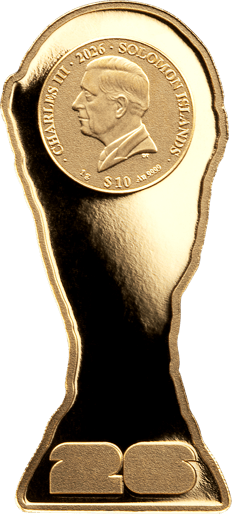
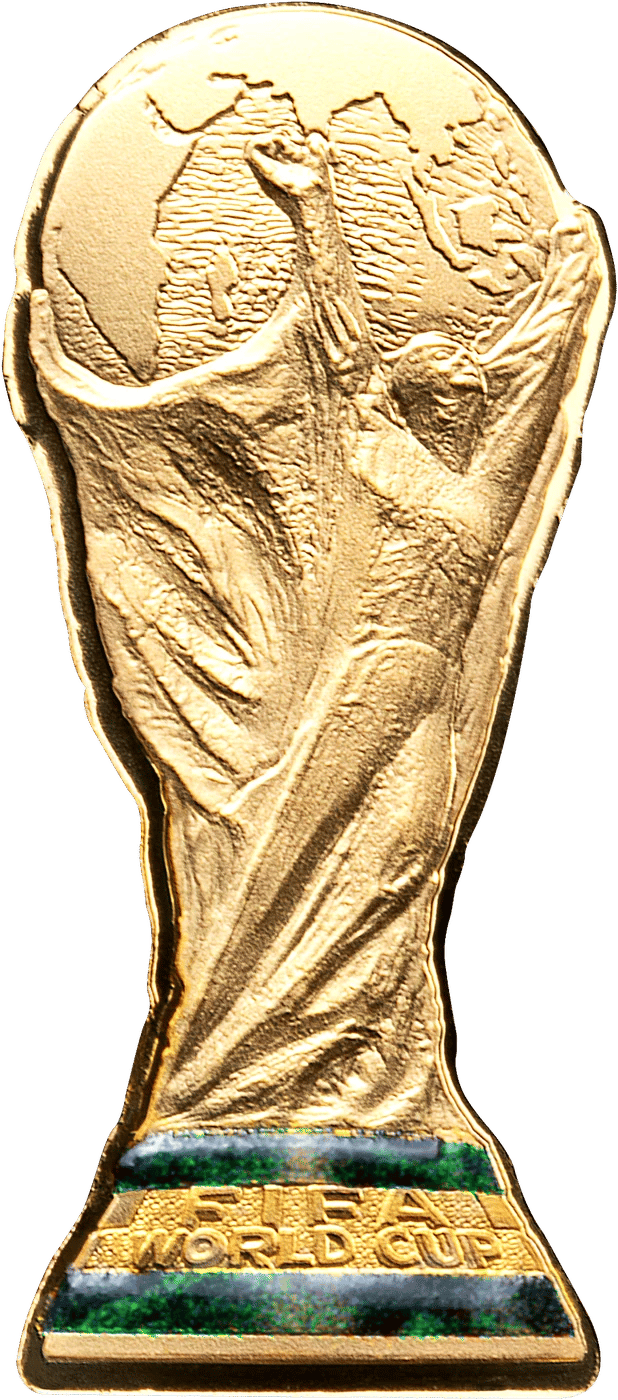
For the 1974 World Cup, FIFA, the world governing body of football, commissioned a new trophy; from 53 designs by experts from seven countries, the one by Silvio Gazzaniga was chosen. It is 36 cm high, made of 18 carat gold, with two layers of malachite in the base, and under the rules FIFA keeps possession of it. The trophy before it, the Jules Rimet Cup of 1930, is by the sculptor Abel Lafleur: 35 cm high, made of gilded sterling silver, on a base of lapis lazuli.
A gold piece of 1 g in the shape of a trophy: at the top a sphere with raised continents, carried by two twisting figures, below a base with two green bands.
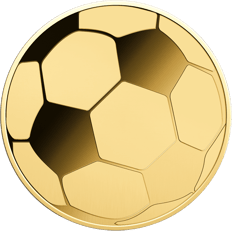
For the football, the rule-making body of football, the IFAB, lays down in Law 2: spherical, made of suitable material, 68 to 70 cm in circumference, 410 to 450 g in weight at the start of the match, with a pressure of 0.6 to 1.1 atmospheres at sea level. The Law does not name a seam or a pattern.
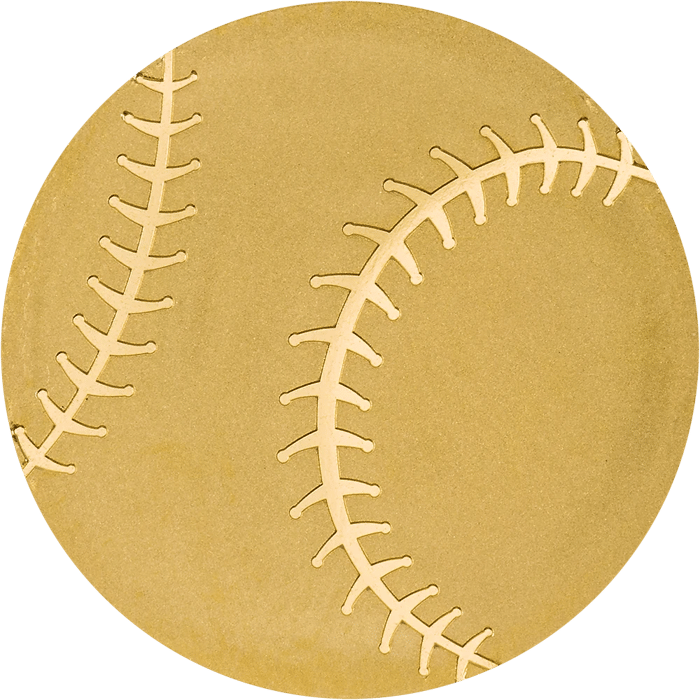
Diagram for Rule 3.01 of MLB, the North American baseball league, which prescribes a cover of two strips of leather, tightly stitched. The drawing shows a ball as a circle, inside it the two strips in two flat tones: a light band in the middle and two darker round areas on the left and right, which together form the second strip. Between them the seam runs as a continuous line. A baseball weighs 141.7 to 148.8 g and measures 22.9 to 23.5 cm in circumference.
Diagram
The rules of MLB, the North American baseball league, on the other hand, describe how the ball is built. A baseball is a sphere of yarn wound round a small core of cork, rubber or similar material, covered with two strips of white horsehide or cowhide, tightly stitched together. It weighs 141.7 to 148.8 g and measures 22.9 to 23.5 cm in circumference; grams and centimetres are calculated from the measures in the rule.
The surface of a baseball in gold, very close: two light seam arcs, both cut off at the edge.
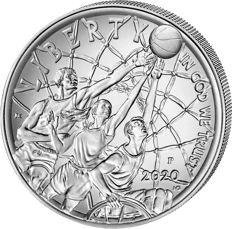
In basketball, the rule lays down the basket. Under Rule 1 of the NBA, the North American basketball league, the ring measures 18 inches, 45.72 cm, on the inside, and its upper edge is 10 feet off the floor, 3.048 m. The ring is painted orange, and a white net 18 inches long hangs from it. Behind it stands a backboard of 6 × 3½ feet, flat and transparent. Centimetres and metres are calculated.
In the rules for board, pitch and ball, many measures are a range: the recommended 5 to 6 cm of a chess square, the height of the pieces with up to 10% deviation, the length and width of the football pitch, the circumference and weight of football and baseball. What is fixed is what can be counted or what decisions rest on: 64 squares in 8 × 8, a goal of 8 yards × 8 feet, a ring of 18 inches.
A goal in injury time, a world record on the tartan track, the moment on the winner's podium: sport writes emotions that last a lifetime. Sports coins capture exactly these moments in precious metal, combining the passion for competition with the lasting value of gold and silver. The following sections show which designs and disciplines exist, how material and mintage affect collector value, what to bear in mind regarding tax, and what really matters when buying.
Sport has captivated people since antiquity. As early as the first Olympic Games in Greek Olympia, athletes competed in contests that held entire city-states spellbound. This fascination remains unbroken to this day: billions of people follow world championships, the Olympics and major league matches, both on screen and in the stadium. Sports coins capture this enthusiasm and make it tangible. They are at once a keepsake and a tangible asset, a piece of lived sporting history in your hand.
The particular appeal lies in the combination: a coin commemorating an unforgettable tournament combines the emotional memory of an event with the real material value of the precious metal. Anyone generally interested in getting started with physical precious metals will find the classic investment staples in the range of silver coins and gold coins; sports coins add a thematic, emotional component to this world. Sporting occasions also hold a firm place within the broader field of commemorative coins.
The history of modern Olympic coins begins with the 1952 Summer Games in Helsinki. Finland, as the host nation, issued the first official commemorative coin for the Olympic Games at that time, mostly struck from 625 silver and particularly sought after by coin collectors. This gave birth to a collecting field that remains one of the most extensive of all to this day.
Since then, almost every host nation has issued its own coins. From Seoul in 1988 through Barcelona 1992 to the Games in Rio, London and Tokyo, an almost unmanageable variety has emerged. Mintages vary extremely: some pieces were struck only a handful of times, others in the millions. Small island nations in particular, such as the Cook Islands or Fiji, have used special coins as a steady source of revenue for decades. Collectors who value such international issues will find what they are looking for, for example, in the Cook Islands series.
Olympic disciplines provide dynamic, expressive designs: a ski jumper in flight, a figure skater mid-pirouette, a sprinter in the starting blocks. Such depictions thrive on movement and translate especially impressively into relief. Added to this is the connection to a specific date and host location, which makes every Olympic coin a dated document of its time.
The spectrum of sporting designs extends far beyond the Olympics. Practically every popular sport has found its place in the world of coins, often as a limited edition tied to a specific tournament or league. The most important themes at a glance:
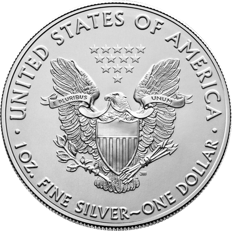
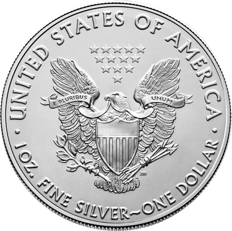
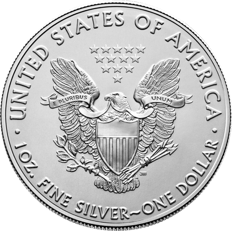
Many of these designs appear on established investment classics used for special editions. Anyone familiar with the American Eagle in silver will occasionally find it struck with sporting scenes: the familiar classic meets an emotional theme. Likewise, series such as the Andorra Eagle issues repeatedly cover sporting occasions.
Football is the most emotional coin theme in sport. A football World Cup such as the 2006 "Sommermärchen" (Summer Fairytale) in Germany, with the final held at Berlin's Olympic Stadium, produced its own coins that are sought-after keepsakes today. In Germany, official commemorative coins in sterling silver were issued for the occasion, struck among other places at the mint in Berlin. Such issues exist both as more compact silver pieces and as heavy kilo coins with low mintages. Anyone looking for a pure investment in silver should consider them alongside the classic silver bullion coins; sports coins additionally score points with their collector appeal.
Sports coins are predominantly struck in silver, less often in gold. Both metals have their merits, depending on the focus of the collector or investor.
Silver is cheaper to start with and allows for larger, more detailed design surfaces, ideal for elaborate game scenes or coloured strikes. Gold, by contrast, concentrates high value into a small space and is considered a particularly stable store of value. Anyone wishing to combine both worlds pairs an emotional silver coin with a classic gold coin such as the Vienna Philharmonic as a stable anchor in their holdings.
Material tip
Coloured or partially gilded sports coins look especially striking, but they are almost always collector's issues carrying a premium over the pure metal value. For a pure investment, classic bullion coins are better suited; for commemorating a sporting event, the enhanced collector's piece is the more attractive choice.
The appeal of sports coins lies not only in the precious metal but in the collector value. Many issues are released in strictly limited mintages, often just a few hundred or thousand examples worldwide. The lower the mintage and the more popular the event, the more strongly the collector value can grow beyond the pure material price.
Several factors are decisive here:
How precious metal prices and collector premiums will develop over the years cannot be predicted; historically, however, the prices of silver and gold have moved upward over the long term. Anyone wishing to understand the topic more broadly will find further information in the value appreciation section. Naturally, there is no guarantee of a rise in value with collector's items.
A sports coin is more than metal: it is a frozen moment full of emotion that you can hold in your hand at any time.
An important distinction applies to the tax treatment of gold and silver. In Germany, investment gold is exempt from VAT under §25c UStG. Silver coins, by contrast, have been subject to the standard VAT rate since 2014; for many imported silver coins, the so-called margin scheme taxation applies. Since sports coins are predominantly made of silver, this aspect should be factored into the purchase.
For private individuals, the one-year speculation period also applies: if a coin is sold after a holding period of more than one year, any capital gain is generally tax-free. This does not constitute tax advice; if in doubt, expert guidance can help.
With limited collector's items in particular, condition determines value. Scratches, fingerprints or corrosion noticeably diminish collector value. Protective storage is therefore advisable:
The original case and certificate of authenticity should always be kept, as they contribute to maintaining value. Further suitable accessories for coin collectors round off secure storage.
Before buying, it is worth asking about the goal: is the emotional memory of a sporting event the main focus, or rather the investment idea? Collectors pay attention to mintage, design and grade of preservation, while investors focus on the material value. Often both can be combined: the emotional sports coin as the centrepiece, complemented by classic investment assets such as the Krugerrand or the Maple Leaf in silver.
As a German family business, Kettner Edelmetalle has offered a wide range of collector's and collector's coins on a huge variety of themes since 2011. ISO-compliant authenticity verification and 100 per cent insured shipping ensure that every piece arrives safely. Anyone wishing to give a sports coin as a gift will find further inspiration in the gift ideas section; a collector's item commemorating an unforgettable tournament is a gift of particular emotional significance.
Sports coins are collector's and bullion coins made of precious metal, whose designs are dedicated to sporting events or disciplines, such as football World Cups, the Olympic Games, ice hockey or motorsport. They combine the material value of gold or silver with the emotional memorial value of a sporting event.
Sports coins combine material and collector value. While the precious metal content secures a base value, the collector premium on limited and popular issues can increase over the years. However, performance cannot be guaranteed. Anyone relying exclusively on the material value is often better served with classic bullion coins without a collector premium.
The first official commemorative coin for the Olympic Games was issued in 1952 by host nation Finland for the Summer Games in Helsinki. Since then, numerous countries have struck their own coins for every Olympiad, which has made the Olympics one of the most extensive collecting fields in numismatics.
The vast majority of sports coins are made of silver, as the metal allows for larger and more detailed design surfaces as well as colourised finishes, and is cheaper to start with. Gold issues also exist, but they are rarer and concentrate a higher value into a smaller space.
Individual protection using coin capsules and organised storage in coin cassettes or collector's cases, each in a dry, temperature-stable environment, is recommended. For higher-value pieces, a bank safe deposit box or a safe is advisable. The original case and certificate of authenticity should always be kept together with the coin, as they preserve its collector value.
Yes, sports coins are a popular gift for sports enthusiasts and collectors. A coin featuring a favourite club, an unforgettable World Cup or a favourite discipline combines a personal memory with a lasting tangible asset: a gift with both emotional and material significance.
 Sports
Stay informed with product launches, financial news and exclusive offers. Sign up for our free newsletter today.
By entering your email address and clicking the "Submit" button, you give the following consent: "I agree to be informed by email about new products, financial news and exclusive offers, and therefore consent to the processing of my email address for the purpose of sending the newsletter. I can revoke this consent at any time without giving reasons, with effect for the future. The lawfulness of processing carried out prior to revocation remains unaffected."