Only 5 left to order
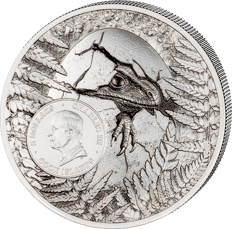
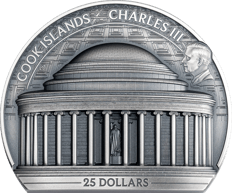
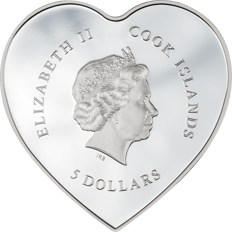
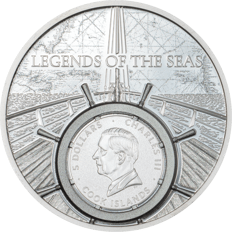
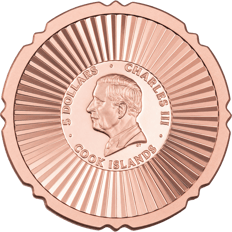
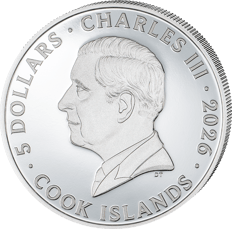
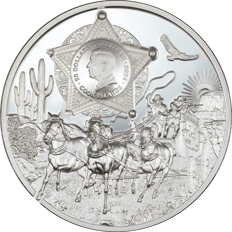
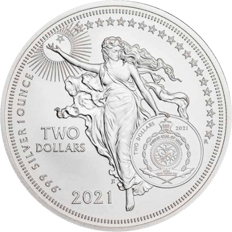
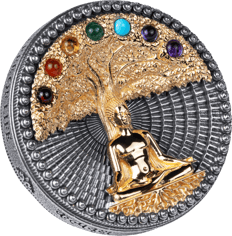
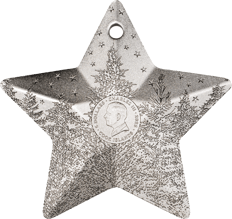
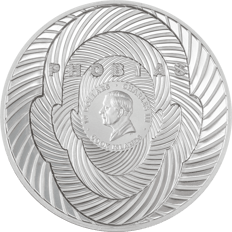
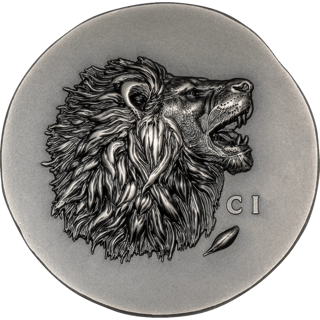
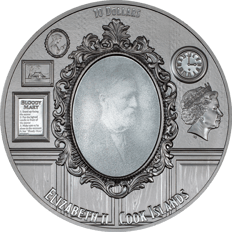
2 oz Silver Most Haunted Places The Stanley 2023 The HR (Mintage: 1,909 | Ultra High Relief)
£215.03
excl. UK import VAT and shipping
Available in 2–3 business days

 More than 300,000
 Over 30 years
 Secure shipping
 Google: 4.9/5
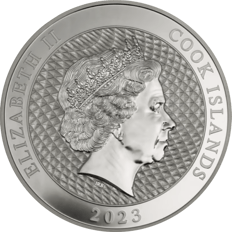
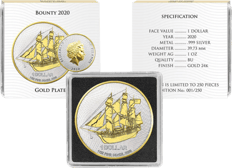
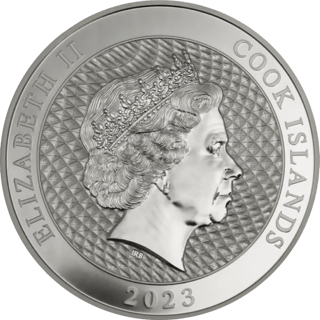
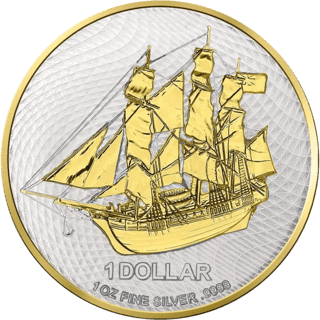
The Cook Island silver coin is a classic agency coin. It is produced for the island state of Cook Island. The production of the silver coins takes place in Germany and therefore also meets German quality standards. The obverse features the ship Bounty. The reverse shows Queen Elizabeth II, as Cook Island is a British colony. We carry the Cook Islands in gold, palladium and platinum.


North‑east of New Zealand lie fifteen islands, together 236.7 km² of land in almost two million km² of sea. Twelve of them are permanently inhabited.
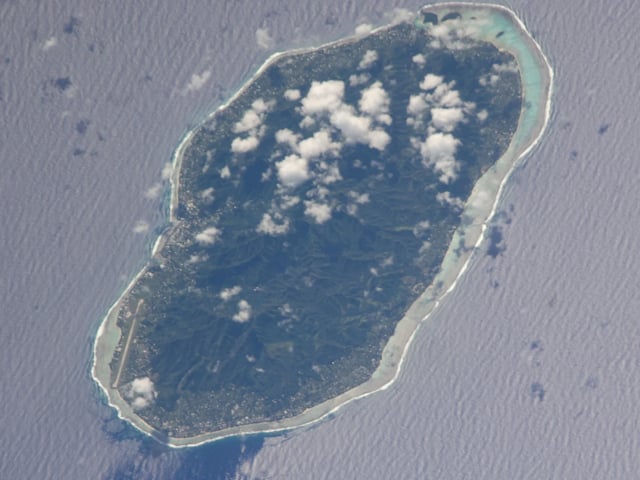
The census of December 2021 counted 15,040 people on the islands, 10,898 of them on Rarotonga. The largest island covers 67.1 km² and has the main town, Avarua.
On the sheet lies an ounce of fine silver, 31.1 g, issued by the Cook Islands.
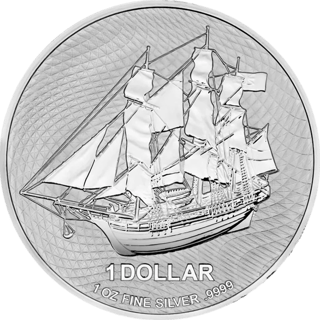 Cook Islands 2023, silverCook Islands 20231 ounce, fineness 999.9/1,0001 ounce of silver
just over half the size of Bremen
more than five times the size of Germany
The government says so itself: its issues today are “many and small”, among other things as gifts, as jewellery and for commemoration. Behind them is a chain that begins with a law.
Law
Currency Act 1986‑87, § 4 and § 10
“The monetary unit … shall be the dollar.”The currency is the dollar. No one may make or issue pieces of metal as coins or tokens for money, except under this Act.
Monetary Board and Minister
§ 7 and § 18
“cause to be issued any coin as legal tender”The Monetary Board can have coins issued as legal tender. With its concurrence, the Minister of Finance may make contracts for their production and issue.
Appointment
since 1 February 2023
“exclusively appointed”The sole appointee is CIT Coin Invest AG of Balzers in Liechtenstein. It oversees the minting and sale of all collector programmes.
Mint
per the Ministry of Finance
“most Cook Islands coins will continue to be produced at B.H. Mayer Mint in Germany”Most of the islands’ coins continue to be made in Germany.
Coin
§ 11
“for the payment of any amount”Coins of 1 dollar or more are valid for any amount, smaller ones only up to fixed maximum amounts.
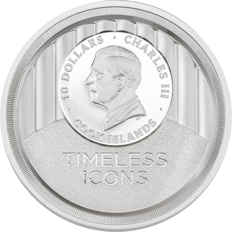
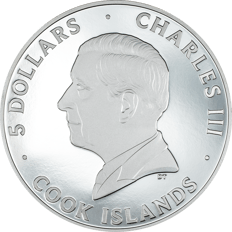
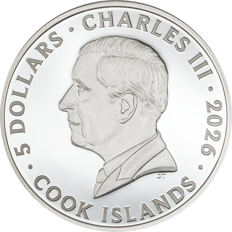
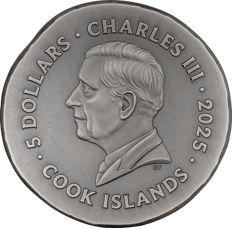
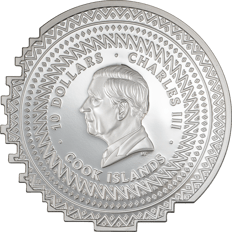
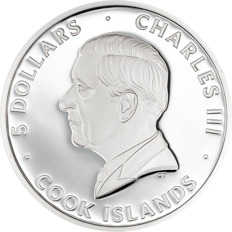
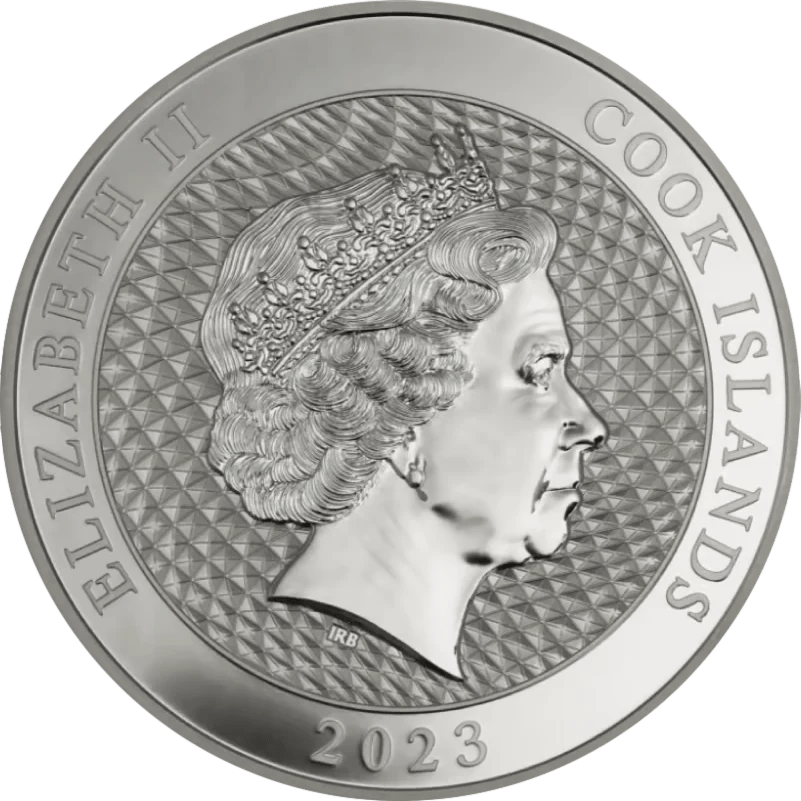
Many designs, one issuing country: the portrait side of these coins reads COOK ISLANDS.

James Cook saw some of the islands on his second and third voyages. It was only in 1824 that a Russian cartographer gave the name Cook Islands, at first to the southern group, until then called the Hervey Islands.
1773
“Hervey’s Island, which was discovered in 1773, during my last voyage”Cook on Manuae, which he had named Hervey Island on his second voyage. He saw it again on 6 April 1777.
James Cook, A Voyage to the Pacific Ocean, 1784; Manuae according to Te Papa1777
“This island is called Wateeoo by the natives.”Cook on Atiu, sighted on 31 March 1777.
James Cook, A Voyage to the Pacific Ocean, 17841789
“the natives of Hervey’s Islands, seen in Captain Cook’s last voyage”William Bligh, master of the Resolution on Cook’s third voyage, compares the men in the canoe off Aitutaki with the inhabitants of the neighbouring group, which he still calls Hervey’s Islands.
William Bligh, A Voyage to the South Sea, 17921824
“named the Hervey Islands the Cook Islands in honor of Captain Cook”This refers to the Russian cartographer Adam Johann von Krusenstern.
Museum of New Zealand Te Papa TongarewaThe portrait side bears the name Krusenstern gave: COOK ISLANDS.
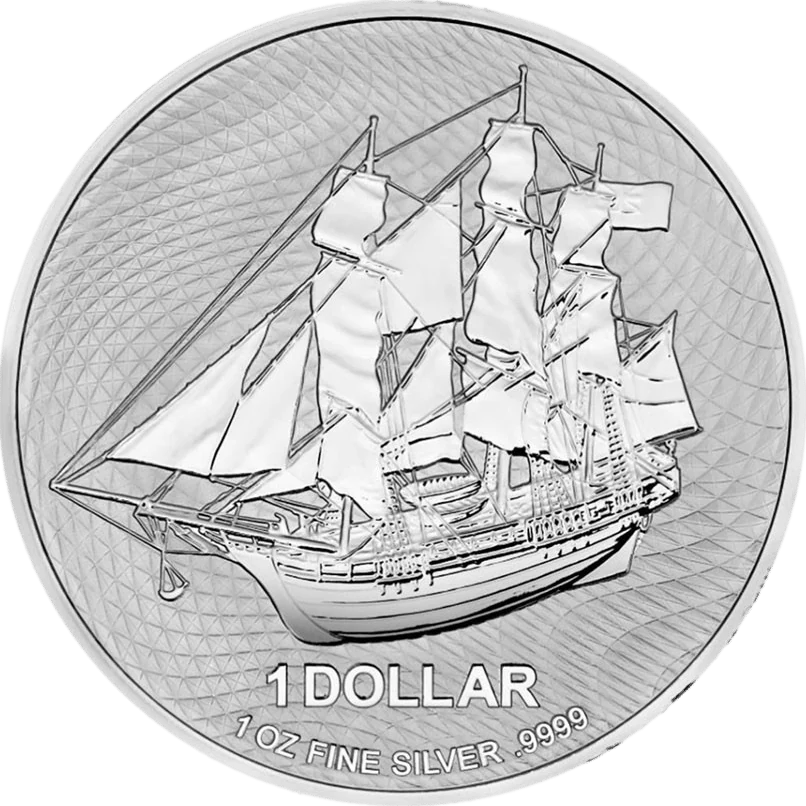
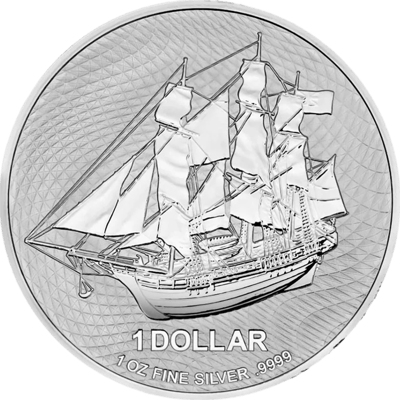
The ounce of silver from both sides. The ship side shows face value, weight and fineness, but no name.
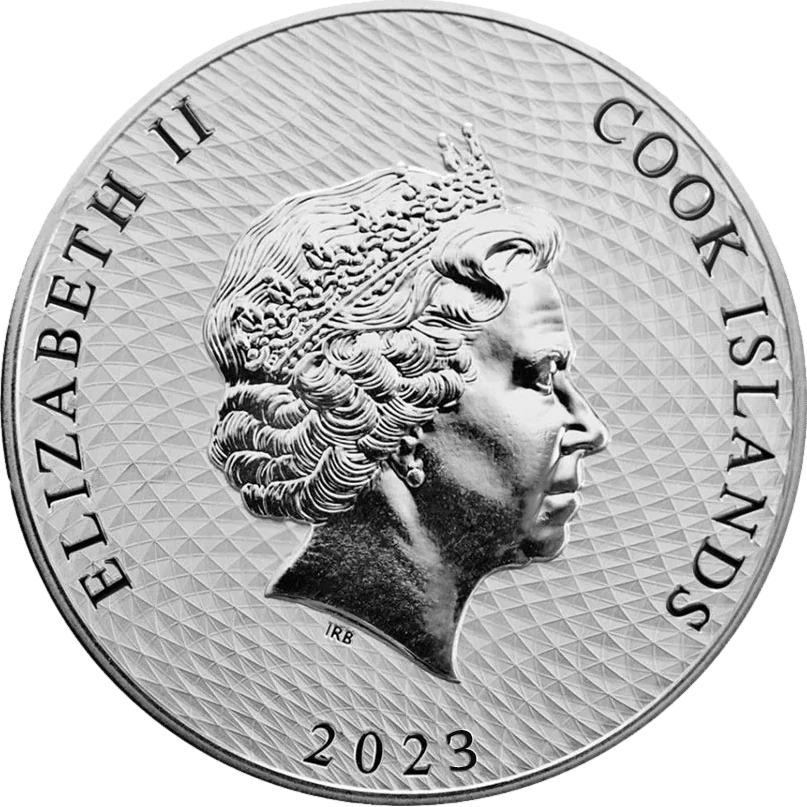
The coin does not say that the three‑master is the Bounty. That is what catalogues and dealers call it; the islands’ Ministry of Finance does not mention the Bounty on its page about the currency.
William Bligh was to take breadfruit plants from the South Sea islands to the West Indian possessions, with a ship of 215 tons and 46 men. On the way west he passed Aitutaki.
December 1787
England
The Bounty sets sail.
26 October 1788
Tahiti
For twenty‑three weeks the crew collects seedlings.
4 April 1789
Tahiti
Departure with 1,015 breadfruit plants on board.
11 and 12 April 1789
Aitutaki
“On the 11th of April, I discovered an island … by the natives called Whytootackee.”
On the afternoon of 12 April four men in a canoe come on board. They ask that someone from the ship come ashore with them; in the night the Bounty sails on westwards.
William Bligh, A Narrative of the Mutiny, 1790, and A Voyage to the South Sea, 1792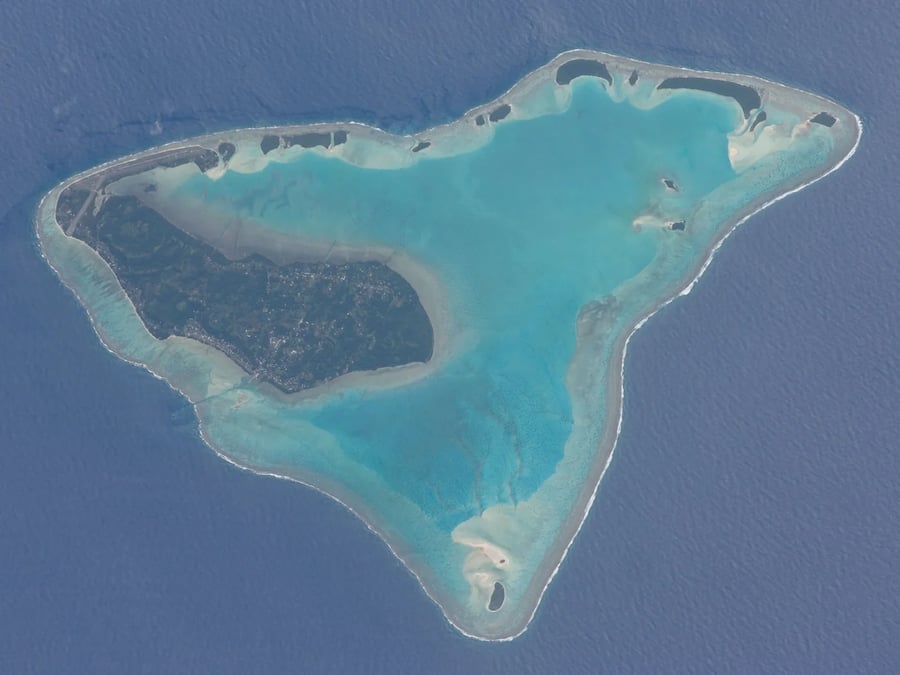
28 April 1789
off Tofoa
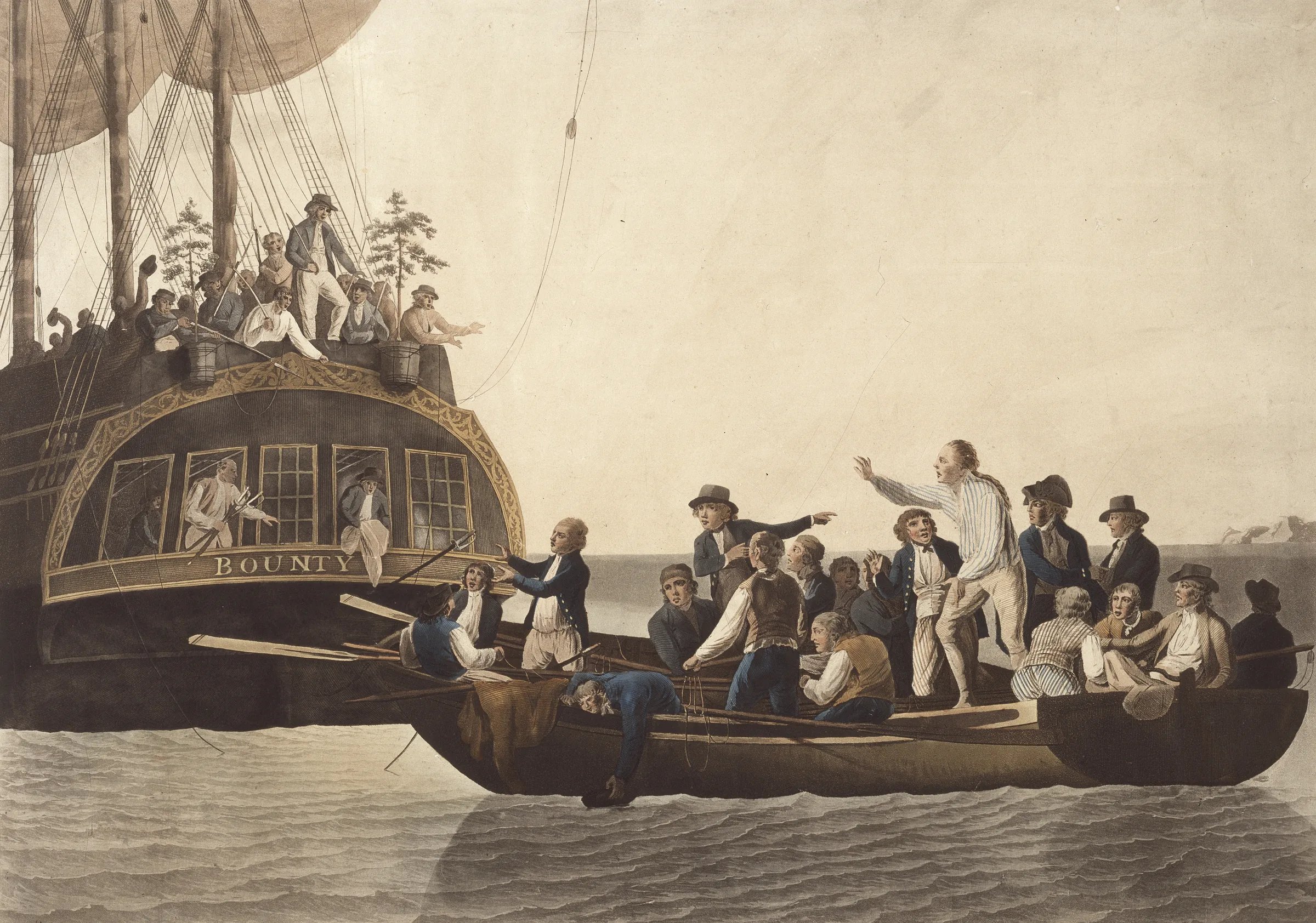
Seventeen days after the sighting, the mutiny. Nineteen men, Bligh included, are put into the launch.
15 January 1790
Pitcairn
The mutineers reach Pitcairn with the Bounty.
14 March 1790
Portsmouth
Bligh goes ashore in England.
On the evening of 2 May 1789 the launch puts off from Tofoa, without a chart, with a quadrant and compass.
“in a small boat, twenty‑three feet long … deep laden with eighteen men; without a chart”
William Bligh, A Narrative of the Mutiny, 1790
Eighteen rather than nineteen, because the quartermaster John Norton lost his life on Tofoa. All reached Timor and anchored off Kupang on 14 June.
All agree to live on “one ounce of bread, and a quarter of a pint of water, per day”. The ounce meant is a sixteenth of a pound.
On the afternoon of 8 May Bligh builds a pair of scales. As a weight he uses a pistol ball, 25 of which weigh an English pound.
“I now got a pair of scales, made with two cocoa‑nut shells; and, having accidentally some pistol‑balls in the boat, … I adopted one, as the proportion of weight that each person should receive of bread …”
William Bligh, A Narrative of the Mutiny, 1790, and A Voyage to the South Sea, 1792; footnote: “It weighed 272 grains.” (Calculated: 17.6 g.)
Hardly any bullion coin tells as gripping a story as the Cook Islands silver coin. On its design side, the legendary Bounty sails across the silver: the very ship whose 1789 mutiny still fills books and films today. Behind this romantic image lies solid investment silver: 999 fine silver, minted in Germany, continuously on the market since 2009. This guide sheds light on the history, design, denominations, authenticity features, tax specifics and storage of the popular Bounty coin.
The Cook Islands, known in German as Cookinseln, are a self-governing island nation in the southern Pacific, closely linked to New Zealand. Only around 19,000 people live across some 240 square kilometres. The island group was named after the British navigator James Cook, who visited the archipelago several times between 1773 and 1779. As the issuing country, this small state lends its name to one of the best-known silver bullion coins in the German-speaking world.
The true centrepiece, however, is the HMS Bounty. In 1789, aboard this three-masted ship under Captain William Bligh, the most famous mutiny in maritime history took place: Fletcher Christian set the captain adrift in an open boat along with a few loyal crew members, while the mutineers made off with the ship. Some of the rebels eventually found refuge on the remote island of Pitcairn, where descendants of the mutineers and their Polynesian companions still live today. The Hollywood classic Mutiny on the Bounty has cemented the legend worldwide, and it is this very emotional resonance that makes the design so sought after.
Anyone who appreciates the Pacific world of designs will find a thematically related collecting area in the Kiwi silver coin from New Zealand. The full range of bullion and collector issues is shown in the silver coins overview.
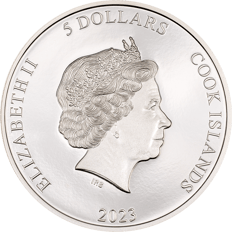
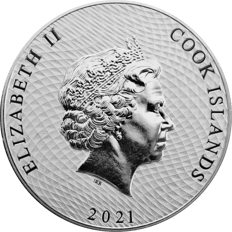
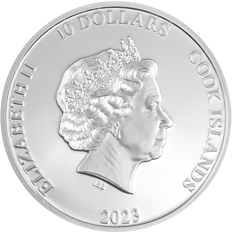
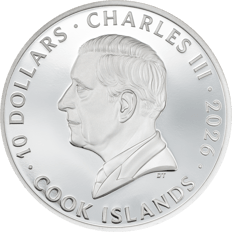
The obverse shows the Bounty under full sail, framed by the face value in Cook Islands dollars and the fine silver designation 1 OZ FINE SILVER .999. The reverse bears the portrait of Queen Elizabeth II, designed freely after the well-known coin effigy by Ian Rank-Broadley, recognisable by the IRB signature. Around the edge are the inscription COOK ISLANDS, the year of issue and the Queen's name.
A detail that connoisseurs notice immediately: up to and including 2015, the background was kept smooth and plain. From the 2016 year of issue onwards, the coin received a fine, curved line pattern that gives the design more depth and a delicate, almost shimmering character. Especially on the larger denominations, such as the kilo coin, this creates a visually striking, spiral effect. This redesign is sometimes referred to as the New Generation.
A design that does not merely shine, but preserves one of the world's greatest seafaring stories in silver.
At first glance, it seems contradictory: a coin from the Cook Islands that is produced in Germany. This is known as an agency issue: the island state grants the licence and face value, while the actual minting is carried out by a European mint. The renowned B. H. Mayer's Kunstprägeanstalt is responsible for the Bounty coin, with the blanks traditionally supplied by Heimerle + Meule. This means the investment silver is produced to German quality standards, an argument many buyers appreciate.
This combination of an exotic issuing country and German precision is not unusual: issues such as the Somalia Elephant follow a similar model. A look at the range of B. H. Mayer mintings shows just how broad the spectrum of such agency coins has become.
The first issue appeared in 2009 exclusively in the classic 1-ounce denomination. Smaller fractional pieces were added from 2012 onwards, and larger formats followed later. The most important variants at a glance:
An important detail for collectors: up to the 2014 year of issue, the fineness was 999/1,000; from 2015 it was raised to 999.9/1,000. The 1 oz coin has a reeded edge, while the kilo coin has a smooth one. The face value is denominated in Cook Islands dollars (CID), the official currency of the Cook Islands, which is pegged 1:1 to the New Zealand dollar.
For wealth building, the 1-ounce version is usually the most economical choice, since the premium per gram rises for smaller denominations. Those who want to stay flexible opt for fractional pieces. Similar considerations also apply to other classics such as the Maple Leaf or the Vienna Philharmonic.
Silver coins with a high mintage are attractive to investors, but they also attract counterfeiters. Several features help when assessing the Bounty coin:
Reputable dealers check every coin before reselling it. Kettner Edelmetalle uses an ISO-compliant authenticity verification process for this purpose, so that only verified goods leave the logistics centre. Anyone who wants to keep their coins intact for the long term will find suitable protection in the range of coin capsules.
Unlike investment gold, silver coins in Germany are generally subject to VAT. For investment silver coins such as the Cook Islands, the margin scheme taxation under §25a UStG usually applies: only the dealer's trading margin is taxed, not the full value of the goods, which keeps the final price lower than under standard full taxation.
Tax Note
Unlike investment gold, silver coins are subject to VAT, often in the form of margin scheme taxation. A sale by private individuals can be tax-free after a holding period of one year. This is general information and does not replace professional tax advice.
Anyone wanting to compare silver and gold from a tax perspective will find the VAT-exempt alternative among the gold coins. Incidentally, the Cook Islands coin is available not only in silver, but also as a Cook Islands gold coin and in platinum.
Silver reacts more sensitively to environmental influences than gold and can tarnish if stored unfavourably. To preserve the value of the Bounty coin, dry, airtight storage is recommended. The following have proven effective:
For smaller holdings, coin tubes are suitable, while larger collections can be neatly sorted in coin cassettes. As a general rule, direct contact with bare fingers and moisture should be avoided in order to preserve the strike quality.
Among the well-known silver bullion coins, the Bounty holds a special position: it combines an emotional design with the sober advantages of a classic bullion coin. While the American Eagle stands for patriotic symbolism and the China Panda for a design that changes every year, the Cook Islands scores points with a visual language that has remained stable over the years, and with manufacture in Germany.
Anyone investing specifically in classic investment silver will find additional options in the further silver coins category. For building up a precious metals holding on a long-term, regular basis, the savings plan products are also an option. Kettner Edelmetalle, a family business from Villingen-Schwenningen, now supplies more than 280,000 customers with insured shipping.
This is an agency issue: the island state of the Cook Islands grants the licence and face value, while the minting is carried out by a German mint. B. H. Mayer's Kunstprägeanstalt is responsible, with the blanks supplied by Heimerle + Meule. This way, the silver is produced to German quality standards.
Up to the 2014 year of issue, the fineness was 999/1,000. From 2015 it was raised to 999.9/1,000. In both cases, this is high-quality fine silver, ranking among the purest investment silver coins.
The coin is available in 1/10 oz, 1/4 oz, 1/2 oz and 1 oz. In addition, there are large-format issues such as the 1 kg coin and the 2 oz piedfort variant minted as a one-off in 2020. The classic 1-ounce denomination is traded most frequently.
Up to 2015, the coin's background was designed smooth. From the 2016 year of issue onwards, a fine, curved line pattern appears, giving the design more depth. This newer design is sometimes referred to as New Generation.
Silver coins are subject to VAT in Germany. For investment silver coins such as the Cook Islands, margin scheme taxation under §25a UStG is usually applied, under which only the trading margin is taxed. A private resale can be tax-free after a one-year holding period. This does not replace professional tax advice.
Yes. In addition to the silver version, the Bounty design is also available as a Cook Islands gold coin and in platinum and palladium. This allows the same collecting design to be followed across several precious metals.
 Cook Islands
Stay informed with product launches, financial news and exclusive offers. Sign up for our free newsletter today.
By entering your email address and clicking the "Submit" button, you give the following consent: "I agree to be informed by email about new products, financial news and exclusive offers, and therefore consent to the processing of my email address for the purpose of sending the newsletter. I can revoke this consent at any time without giving reasons, with effect for the future. The lawfulness of processing carried out prior to revocation remains unaffected."