Only 1 left to order
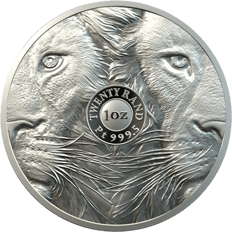
1 oz Platinum Big Five Lion 2019 Proof (Mintage: 500 | 2nd Design | in Case)
£4,619.77
excl. UK import VAT and shipping
Available in 2–3 business days

 More than 300,000
 Over 30 years
 Secure shipping
 Google: 4.9/5
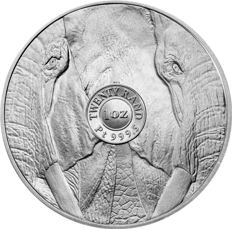
The first platinum edition of the new "Big Five Series" by the South African Mint is dedicated to the elephant. The so-called "Big Five" includes the following animals, which appear one after another: elephant, lion, buffalo, rhinoceros and leopard. The five animals are symbolic of South African wildlife.


The Big Five are among the best-known design series in the precious metals world, bringing together the five iconic large animals of Africa, elephant, lion, buffalo, rhino and leopard, on premium bullion and collector's coins. Struck in platinum, these editions from the South African Mint combine a limited mintage with the rarity of one of the scarcest investment precious metals. This guide examines the origin and significance of the series, the individual designs, minting qualities, the special tax treatment of platinum, as well as criteria for purchase and storage.
The term Big Five originally comes from the language of big-game hunters in the 19th and early 20th centuries. It referred to the five animal species considered especially difficult and dangerous to hunt. Today the expression is used above all in the context of safaris and nature conservation, denoting the most sought-after wildlife sightings in southern Africa. The South African Mint took up this powerful symbol and applied it to a multi-part coin series released in gold, silver and platinum.
The series has appeared in several editions: the first Big Five range was followed by the revised Big Five II, in which the animals are depicted in striking, detailed portraits. On the reverse, alongside the respective animal design, the coins feature the Coat of Arms of South Africa and the year of issue. As the mint behind the world-famous Krugerrand, the South African Mint is already closely associated with the reputation of South African minting craftsmanship.
Platinum is considered significantly rarer than gold and silver. Annual global production amounts to only a fraction of gold output, with South Africa ranking among the most important producing countries. This rarity makes the platinum editions of the Big Five a niche within the already limited series. Anyone interested in further designs will find the complete range from various mints under platinum coins.
Each of the five animals symbolically represents an aspect of African wildlife. The designs are released one after another, usually on an annual basis, and are often assembled by collectors into a complete series.
The designs are regularly issued in Proof quality (internationally also known as Proof) and in very low mintages, often just a few hundred pieces per platinum edition. This combination of low numbers and elaborate minting is a key reason for their popularity among collectors. Thematically related animal designs can also be found in the Somalia Elephant or the Queen's Beasts.
The Big Five in platinum are predominantly struck in 1 oz (31.1 grams) with a fineness of 999.5/1,000 platinum. The low mintage is the defining feature of the series: while classic bullion coins are issued in mintages of millions, many platinum editions of the Big Five fall within a range of only a few hundred pieces.
Two different finishes can be distinguished when it comes to minting quality. Proof quality is characterised by mirror-like background surfaces and matte, raised designs standing out in relief, and is aimed primarily at collectors. Editions in standard minting (Mint State) are closer to pure material value and tend to appeal more to investors. For the safe storage of sensitive proof surfaces, suitable coin capsules protect the coin from scratches and fingerprints.
Each edition is usually supplied with an original case and certificate of authenticity from the South African Mint. The certificate documents the individual mintage figure and serves as an important supporting document for later resale. Those collecting entire series will find suitable storage solutions in the coin cases.
The series is released in parallel across three precious metals, each appealing to different groups of buyers. The choice of metal significantly affects price, availability and tax treatment.
Those who view the Big Five as part of a broader collection of African animal designs will find complementary series such as the African Safari or the African Springbok in silver.
A key difference between the precious metals lies in VAT treatment. While investment gold in Germany is exempt from VAT under §25c UStG, platinum coins are generally subject to VAT. For many collector's coins made of platinum and silver, the so-called margin scheme is applied, under which tax is levied only on the trading margin rather than on the full purchase price.
Tax Notice
For physical precious metals, a private capital gain may be tax-free after the one-year holding period pursuant to §23 EStG has elapsed. The specific tax treatment depends on the individual case. This information does not constitute tax advice and is no substitute for consultation with a professional adviser.
Basic information on long-term wealth preservation with precious metals is available on the topic pages for inflation hedge and retirement planning.
Platinum is a particularly resilient, corrosion-resistant precious metal with high density. Besides its use in the coin and jewellery trade, it plays a central role as an industrial metal, above all in the manufacture of vehicle catalytic converters as well as in the chemical and electronics industries. This dual demand from investment and industry clearly distinguishes platinum from gold.
For investors who wish to acquire platinum not in coin form but at pure material value, platinum bars are an alternative. They are largely free of collector premiums and more closely aligned with the spot price. Those wishing to compare the full range of designs will find numerous series from various mints under other platinum coins.
When buying Big Five platinum coins, several points are crucial for maintaining value and for later resale. The following list summarises the most important criteria:
After purchase, proper storage is important. Platinum coins should be kept dry, protected from touch and ideally stored in capsules. For larger holdings, a safe or bank safe deposit box is advisable. Practical solutions for transport and sorting are offered by coin pouches and coin cases.
A Big Five design is not printed in mintages of millions but struck in deliberate scarcity: therein lies its appeal for collectors.
The Big Five in platinum combine two interests: the material value of a rare precious metal and the collector's value of a limited design series. The low mintages in particular mean that individual editions often sell out quickly after release. Whether and to what extent this results in a higher resale value in the long term depends on many factors and cannot be predicted. This information does not constitute investment advice.
As a German family business with over 280,000 customers and an official partnership with the South African Mint, Kettner Edelmetalle offers a wide range of platinum, gold and silver coins. Collectors looking to expand their Big Five range will find related design worlds, for example in the Somalia Elephant editions or in the collector's coins category.
The Big Five comprise the elephant, lion, buffalo, rhino and leopard. The term originates from big-game hunting and originally referred to the animals of Africa that were hardest to hunt. Today it stands above all for the most sought-after safari sightings.
The series is minted by the South African Mint, South Africa's official minting authority. The same mint is also responsible for the world-famous Krugerrand. The editions are released in parallel in platinum, gold and silver.
No. Unlike investment gold, which is exempt from VAT under §25c UStG, platinum coins are subject to VAT. For many collector's coins made of platinum, however, the margin scheme applies, under which tax is levied only on the trading margin. For a binding assessment, a tax adviser should be consulted.
Proof refers to an elaborate minting quality with mirror-like background surfaces and matte, raised designs standing out in relief. This finish is particularly popular among collectors and is produced in especially low mintages. To protect the sensitive surface, storage in coin capsules is recommended.
The Big Five platinum coins are predominantly struck in one troy ounce with a fineness of 999.5/1,000 platinum. This means they meet the standards of modern bullion and collector's coins. Each edition is usually supplied with a case and certificate of authenticity.
Both are possible. Collectors often prefer the complete set of all five animals, as a full series is sought after as a unit. However, individual designs such as the lion or elephant are especially popular and can also be purchased separately. Those wishing to stay flexible can complete the series step by step.
 Big Five
Stay informed with product launches, financial news and exclusive offers. Sign up for our free newsletter today.
By entering your email address and clicking the "Submit" button, you give the following consent: "I agree to be informed by email about new products, financial news and exclusive offers, and therefore consent to the processing of my email address for the purpose of sending the newsletter. I can revoke this consent at any time without giving reasons, with effect for the future. The lawfulness of processing carried out prior to revocation remains unaffected."