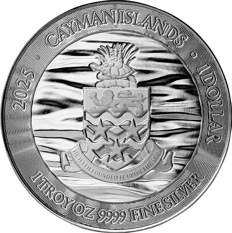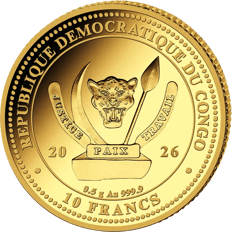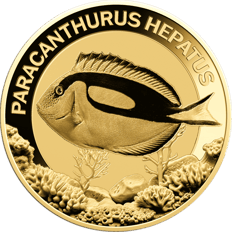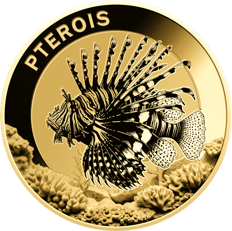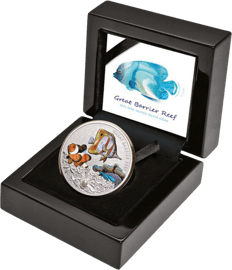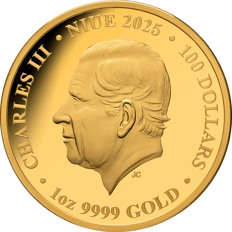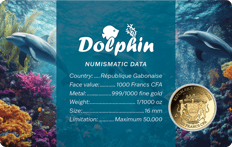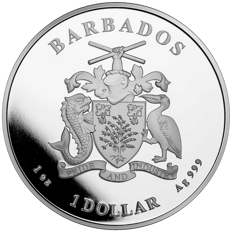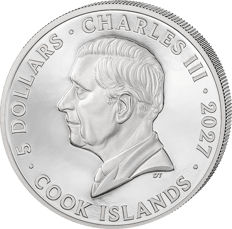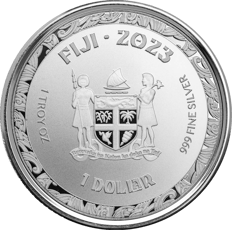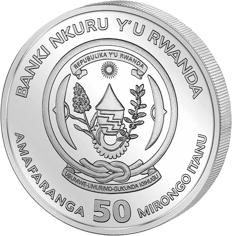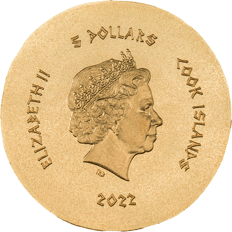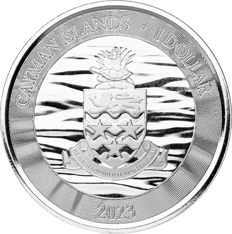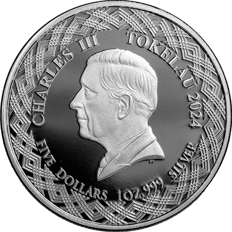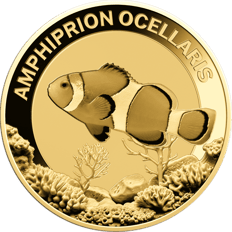
Gold Clownfish Coin
£29.26
VAT-free and excl. shipping
Available in 2–3 business days

 More than 310,000
 Over 30 years
 Secure shipping
 Google: 4.9/5


The fascinating underwater world of the oceans is one of the most popular design themes of modern precious metal collector's coins. From the luminous inhabitants of tropical coral reefs to the symbolic koi carp and vibrant angelfish: fish designs combine numismatic minting artistry with intricate colouring and strictly limited mintages. They are available both as silver coins and as high-quality gold coins. This guide explores the world of designs, the minting technique, the precious metals used, as well as tax and practical aspects surrounding coins with fish designs.
Fish are among the most expressive animal motifs in modern numismatics. Their vivid colours, flowing shapes and the enormous species diversity of the seas provide mints with an almost inexhaustible source of inspiration for elaborately designed collector's coins. Unlike classic silver bullion coins, which are designed purely for the preservation of value, fish designs focus primarily on aesthetic appeal and numismatic collector's value.
Within the broader theme of marine animals, fish form their own, particularly detailed category. While predatory fish with imposing designs such as sharks or barracudas form their own series, the classic fish motifs mainly bring together the colourful inhabitants of tropical waters.
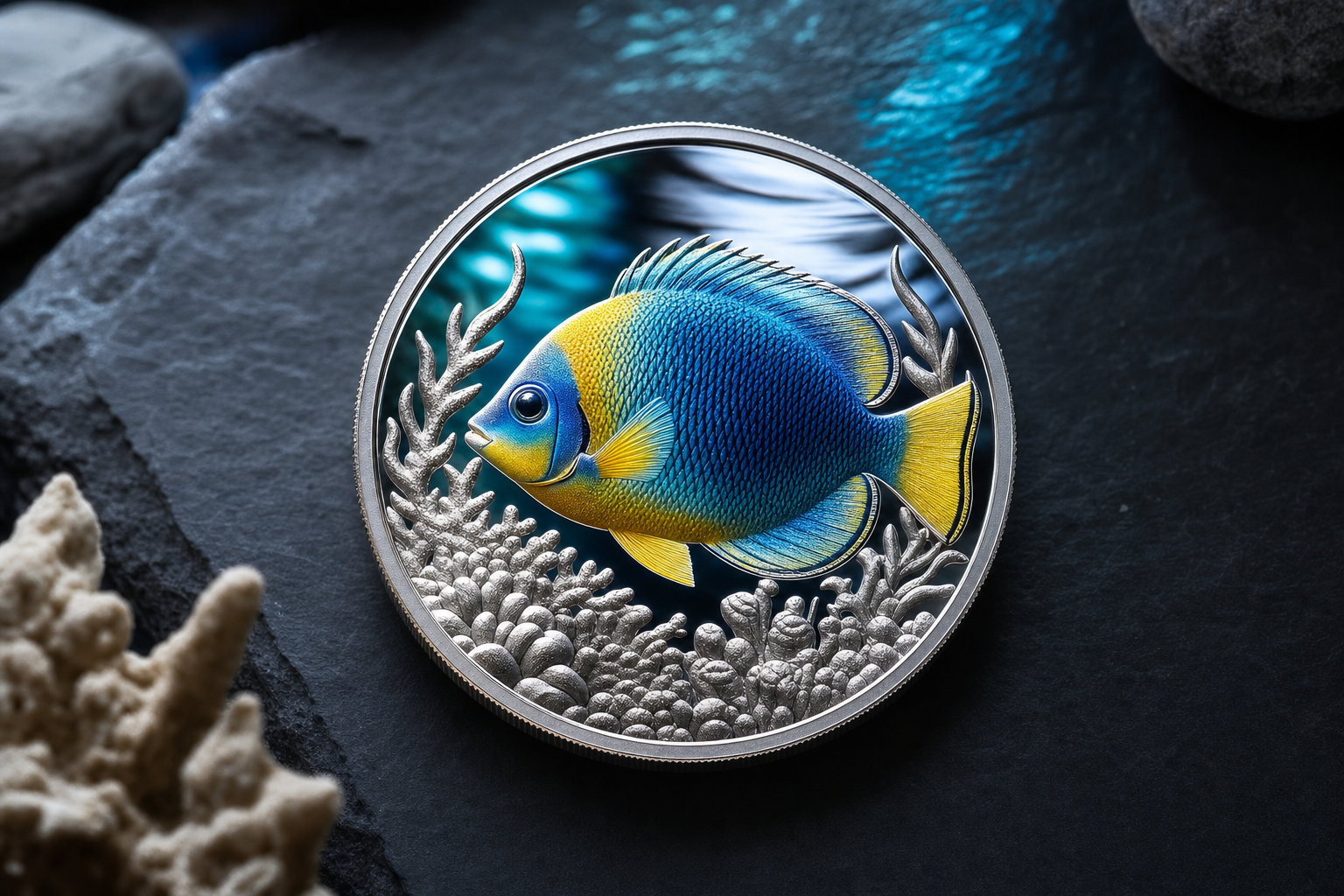
Coral reefs are among the most species-rich habitats on Earth. This diversity is reflected in popular series that portray individual reef dwellers: bannerfish with their characteristic long fin filaments, triggerfish with striking markings, and angelfish in vivid blue and yellow. Such designs are often produced coloured to recreate the natural splendour of these animals on the silver surface.
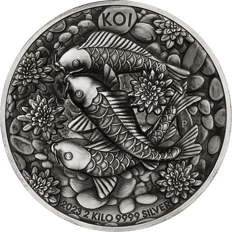
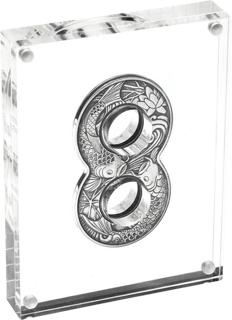
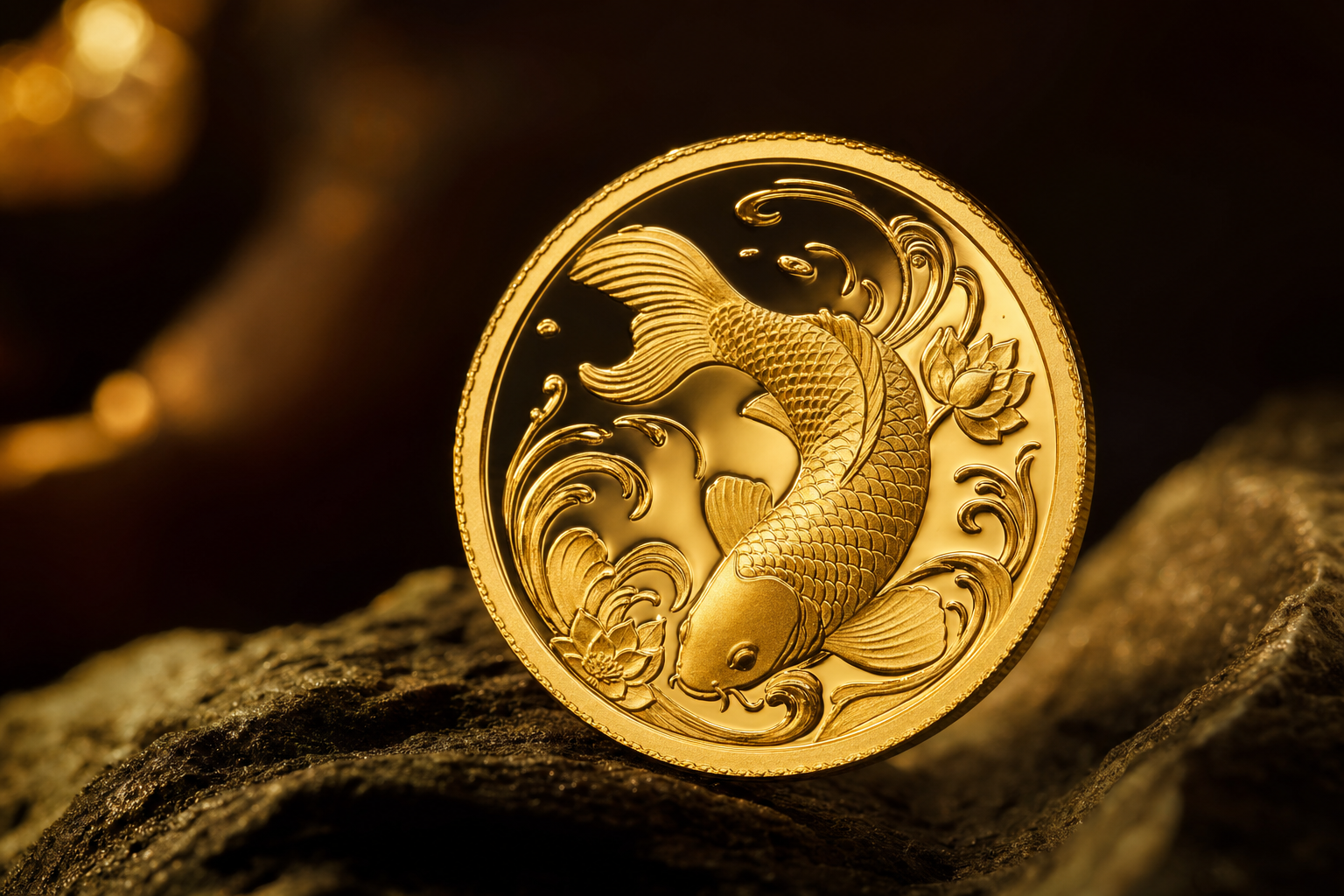
A special case among fish designs is the koi carp. In East Asian culture, the koi is regarded as a symbol of endurance, luck and prosperity. Coins featuring the koi design, often minted in the context of feng shui themes, thus combine cultural symbolism with skilled craftsmanship. Those interested in animal motifs with cultural significance will also find comparable symbolic animals in the world of the Lunar series.
Fish designs only truly come to life through elaborate finishing. Two techniques particularly define this category: Proof quality and colouring.
In the Proof process, the dies and blanks are polished multiple times, creating mirror-like surfaces and frosted, raised design areas. This contrast makes scales, fins and other details stand out in striking relief. Coloured coins additionally receive a multi-layer colour application that reproduces the fish's natural hues. Both techniques turn these coins into true connoisseurs' pieces within the segment of coloured silver coins.
Preserving the untouched minting shine is crucial for maintaining the value of such pieces. Touching them with bare fingers leaves marks, which is why suitable collector's accessories, such as cotton gloves, are recommended.
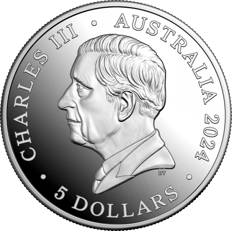
Fish designs are produced primarily by renowned mints in the Pacific region, whose proximity to the great coral seas fits thematically. The Perth Mint in Australia and the New Zealand Mint are among the leading producers of coloured animal coins.
Many of these coins are issued as official legal tender of small Pacific island states such as Niue, Palau or the Cook Islands. The face value stamped on the coin is purely symbolic: the actual value is derived from the fine silver content, the minting quality and collector demand. An overview of further countries of origin and series can be found in the Cook Islands category.
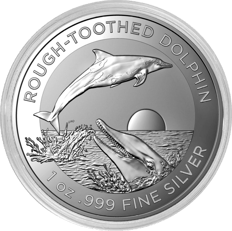
Most fish silver coins are struck from silver with a fineness of 999/1,000 or 999.9/1,000. The classic denomination is 1 troy ounce (31.1 grams); larger formats also exist, along with occasional versions of differing weight.
A key feature of this category is the limited mintage. While common coins such as the Vienna Philharmonic and other bullion classics are issued in mintages of millions, fish designs are typically limited to just a few thousand pieces worldwide. This scarcity is a key factor in their appeal to collectors.
The low mintage clearly distinguishes these coins from Maple Leaf bullion coins and places them closer to the realm of classic collector's coins.
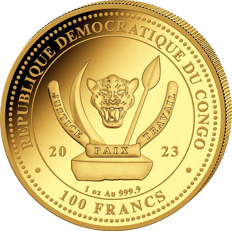
In addition to the widely available silver editions, fish designs also exist as gold coins. These coins are considerably rarer and are usually issued in small formats, since the high gold price makes larger units uneconomical for motif coins. Typical denominations range from 1/10 oz to 1 oz of fine gold, often with a fineness of 999.9/1,000.
Golden fish coins originate from the same themed series as their silver counterparts and are likewise produced by mints in the Pacific region. The koi carp, for example, occasionally appears in gold as a symbol of luck and prosperity, combining cultural significance with the precious metal traditionally associated with permanence. Those interested in the broader world of gold designs will find comparable coins among the gold coins, and particularly among animal series such as the gold turtle coin.
Gold versus Silver: A Comparison
Golden fish coins score with high value density in a small space and the VAT exemption applicable to investment gold. Silver editions, on the other hand, offer larger minting surfaces for detailed colourings and a lower entry price per piece. Both variants complement each other within a themed collection.
A key tax difference: investment gold is exempt from VAT in Germany, while silver is subject to VAT. For collector-oriented buyers who also value the high value density of the yellow precious metal, fish designs in gold therefore represent an interesting niche between classic gold bullion coins and purely motif-based collector's items.
Fish silver coins sit at the intersection of numismatic collecting and precious metal ownership. The material value provides a lower safety net, while the real appeal lies in the design, the minting quality and the limited mintage.
A coloured fish coin is simultaneously a precious metal object and a work of art: its value lives from the interplay of silver content, mintage and design quality.
Those primarily focused on precious metal as a wealth-building component will find classic silver coins or silver bars the more suitable instrument. Fish designs, on the other hand, appeal to collectors for whom the aesthetic and thematic dimension matters. Both approaches can be meaningfully combined within a single collection.
Note on Performance
The performance of collector's prices depends on mintage, condition and demand, and cannot be predicted. The content presented here is for information purposes only and does not constitute investment advice.
Unlike investment gold, which is exempt from VAT under § 25c UStG, silver is generally subject to VAT. For coloured collector's coins, the margin scheme is often applied in Germany: in this case, only the trading margin is taxed, not the full selling price, which can reduce the premium compared to standard full taxation.
For privately held precious metals, the one-year holding period also applies: after twelve months have elapsed, any capital gain on sale is tax-free. Those wishing to diversify their precious metals portfolio more broadly will find a differently treated supplement in VAT-exempt investment gold. The specific tax classification should be clarified on a case-by-case basis with expert advice.
Proper storage is particularly crucial for preserving the value of coloured Proof coins. Fingerprints, moisture and temperature fluctuations can permanently damage the minting shine and the colour application.
The original packaging, together with the certificate of authenticity, should always be kept, as it also contributes to the collector's value of an animal design coin.
When purchasing a fish collector's coin, it is worth examining several characteristics that determine quality and collector's value:
As a family business with ISO-compliant authenticity verification, Kettner Edelmetalle places great value on inspected goods and insured shipping. Those wishing to discover the animal kingdom beyond fish designs will find further thematic connections among land animals and bird designs.
Yes. In addition to the widely available silver editions, fish designs also exist as gold coins, usually in small denominations ranging from 1/10 oz to 1 oz of fine gold. They are rarer than the silver versions and are also exempt from VAT, as investment gold is excluded from VAT in Germany.
Yes. Most fish designs are struck from silver with a fineness of 999/1,000 or 999.9/1,000. The colouring is applied as an additional colour layer on the silver surface and does not change the stated fine silver content of the coin.
Proof denotes the highest minting quality. Multiple polishing of the dies and blanks creates mirror-like surfaces and frosted, raised design areas. On fish designs, this technique makes scales and fins stand out in particularly striking relief.
In addition to the pure silver value, the elaborate minting technique, the colouring and the strictly limited mintage all factor into the price. While bullion coins are issued in mintages of millions, fish designs are often limited to just a few thousand pieces worldwide, which explains the collector's premium.
It is advisable to store them in coin capsules, supplemented by coin cases for sorting. The environment should be dry and temperature-stable. Direct contact with bare hands should be avoided, as skin oils can damage the colour application and the minting shine.
Among the best-known producers are the Perth Mint in Australia and the New Zealand Mint. Many coins are issued as official legal tender of Pacific island states such as Niue or the Cook Islands, whose proximity to the great coral seas fits thematically with the design.
Unlike investment gold, silver is subject to VAT. For coloured collector's coins, the margin scheme is often applied in Germany, under which only the trading margin is taxed. The one-year holding period also applies to privately held precious metals. A binding classification should be established with expert advice.
 Sea CreaturesPisces
Stay informed with product launches, financial news and exclusive offers. Sign up for our free newsletter today.
By entering your email address and clicking the "Submit" button, you give the following consent: "I agree to be informed by email about new products, financial news and exclusive offers, and therefore consent to the processing of my email address for the purpose of sending the newsletter. I can revoke this consent at any time without giving reasons, with effect for the future. The lawfulness of processing carried out prior to revocation remains unaffected."