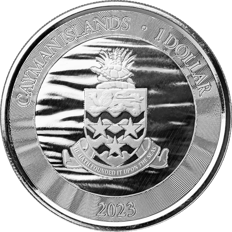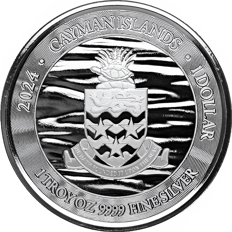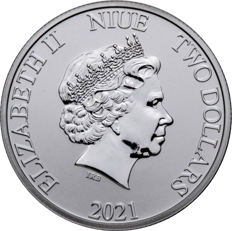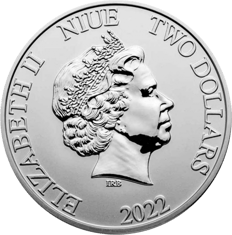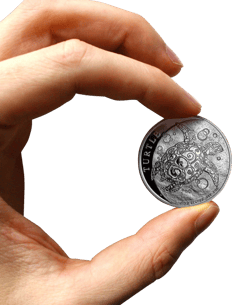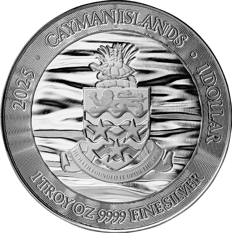
1 oz Silver Cayman Islands Turtle 2025 (Mintage: 25,000)
£71.37
excl. UK import VAT and shipping
Available in 2–3 business days

 More than 300,000
 Over 30 years
 Secure shipping
 Google: 4.9/5
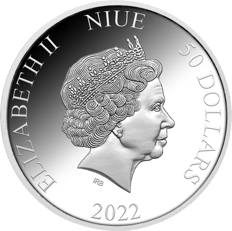
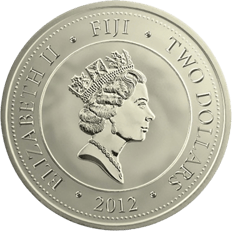
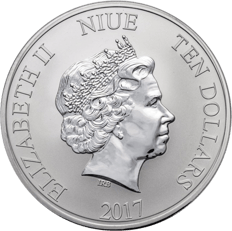
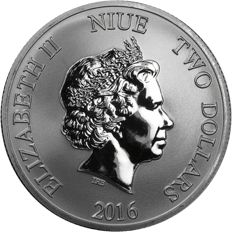
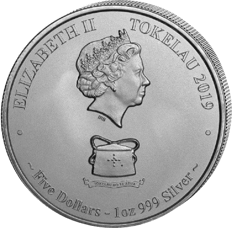
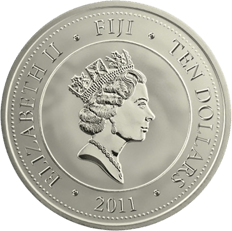
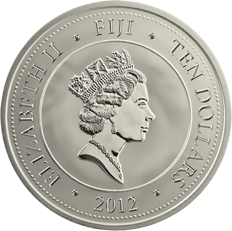
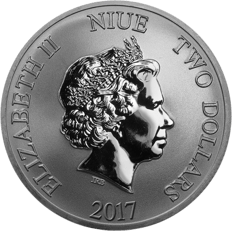
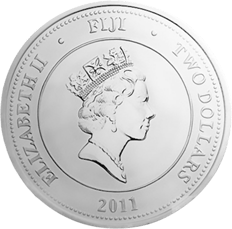
“Taku” is the name given to the hawksbill sea turtle in Fiji. This led to the name of the Fiji Taku Turtle, which is available as a coin with a beautiful relief design. The reverse features the head of all British colonies, Queen Elizabeth II.


Hardly any modern bullion coin combines a natural motif and collector appeal as charmingly as the Fiji Taku Turtle. Minted by the New Zealand Mint since 2010, the silver coin depicts the hawksbill sea turtle, affectionately called Taku on the Fiji Islands. This guide examines the origin and design, the available denominations, the seamless transition to the Niue Turtle series, as well as the tax and practical aspects that have made this series a sought-after classic among wildlife-themed silver coins to this day.
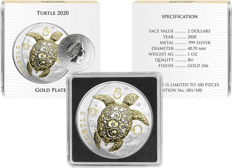
The name of the series derives from a language of the Fiji Islands: there, the hawksbill sea turtle, known in English as the Hawksbill Sea Turtle, bears the name Taku. Native to the South Pacific, this sea turtle is one of the region's best-known animals and has adorned every issue of the series since the first minting in 2010. The coin was issued by the New Zealand Mint on behalf of the Reserve Bank of Fiji, a model typical for Pacific states, in which a specialised mint takes on the issuance for a small issuing country.
The hawksbill turtle is considered critically endangered worldwide, which lends the design an emotional dimension beyond its pure collector's value. Its characteristic, pointed beak and the artfully overlapping pattern of its shell made it a rewarding subject for detailed relief minting. Those who are enthusiastic about further marine animal designs will find a thematically related range in the Saltwater Crocodile category, while the silver coins overview brings together the entire spectrum of animal and bullion motifs.
The obverse shows the Taku turtle as a consistent main motif, a deliberate series recognition feature, as also known from the Maple Leaf or the Koala. Unlike series with annually changing designs, the turtle remains the defining image across all years of issue, which defines the collecting character beyond the year itself.
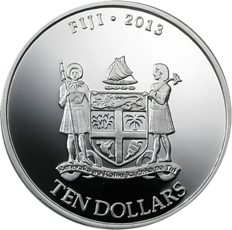
The reverse underwent a remarkable development, closely linked to Fiji's political history:
The series is minted from 999 fine silver. Most issues were released in Mint State quality (Brilliant Uncirculated), with some later mintages also available as enhanced or coloured variants, an area that can be explored further in the coloured silver coins range.
After the successful launch with the 1 oz coin, the New Zealand Mint expanded the series to include smaller and larger formats. This means the Fiji Taku covers a broad spectrum from an affordable entry point to a pure collector's item:
| Denomination | Fine weight | Face value |
|---|---|---|
| 1/2 oz | approx. 15.55 g | 1 Fijian dollar |
| 1 oz | approx. 31.10 g | 2 Fijian dollars |
| 5 oz | approx. 155.52 g | 10 Fijian dollars |
The 1 oz is the most traded format in the series and is aimed at anyone wishing to build up silver holdings in manageable units. With a fine weight of around 31.1 grams of pure silver, it matches the standard of many international bullion coins and compares well with other one-ounce classics such as the Vienna Philharmonic.
The 1/2 oz is suitable as an affordable entry point and as a gift, while the 5 oz, with a diameter of around 63 mm, is an impressive collector's coin that shows off the design to particular effect. Larger formats are often harder to obtain due to their lower mintages and tend to appeal more to collectors than to pure investors. Those who prefer heavier units will find a more cost-effective alternative for building up weight in silver bars.
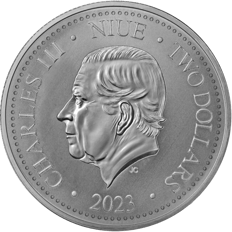
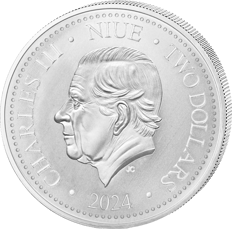
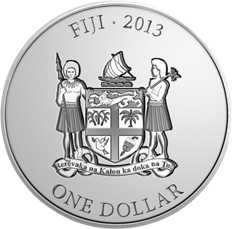
The Fiji Taku was minted under Fiji's name for only a few years, from 2010 to 2013. The political upheavals on the islands, including a military coup in 2006 and the subsequent return to democratic elections, are reflected in the coin's design. From 2014 onward, the island state of Niue took over the series: the Fiji Taku became the Niue Turtle, with the inscription adjusted while the turtle motif was retained.
A coin whose history can be read on its reverse, from the monarch's portrait through the national coat of arms to a fresh start under a new flag.
For collectors, this creates an appealing context: the comparatively short Fiji phase makes certain years of issue particularly interesting, while the continuous design line allows for a complete collection spanning both issuing countries. Those who prefer complete runs of years will also recognise this principle from the Lunar Series II.
Unlike investment gold, which is exempt from VAT in Germany, silver coins are generally subject to VAT. For imported bullion coins such as the Fiji Taku, the margin scheme frequently applies: under this scheme, tax is levied only on the trading margin rather than on the full value of the goods, which can lower the final price compared to standard taxation.
Tax Note
The margin scheme is a commercial-law procedure and does not constitute individual tax advice. For your personal tax treatment, for example in connection with the one-year holding period for private disposals, we recommend consulting a tax advisor.
Those weighing up the tax differences between precious metals will find, by comparison with gold coins, that VAT-exempt investment gold serves as a counterpart. For long-term wealth building, both metals can be sensibly combined.
Silver coins react more sensitively to environmental influences than gold: silver can tarnish on contact with air and moisture. Proper storage protects the design and the value. Airtight sealable capsules and a dry, temperature-stable environment have proven effective.
When buying, it is worth checking the year of issue, the condition and, for larger formats, any certificate of authenticity. As an established bullion coin made of 999 silver, the Fiji Taku can be readily checked for authenticity via weight, diameter and the fine relief minting. At Kettner Edelmetalle, every piece undergoes an ISO-compliant authenticity verification before being dispatched by insured shipping. Those looking for further accessories will find what they need in the accessories category.
The Fiji Taku Turtle appeals equally to two groups of buyers. Collectors appreciate the consistent design, the manageable Fiji minting phase and the seamless transition to the Niue Turtle series. Investors, in turn, benefit from the high fineness and the close link to the silver price, particularly with the 1 oz issue. As a themed coin, it combines the collecting appeal of an animal motif with the basic characteristics of a classic wildlife silver coin.
Those wishing to diversify their silver holdings more broadly often combine the series with world-famous classics such as the China Panda, or add further designs from the other silver coins category to their collection. This creates a varied portfolio that combines collecting enjoyment with precious metal content.
The coin depicts the hawksbill sea turtle, known as Taku on the Fiji Islands. Its pointed beak and overlapping shell pattern are characteristic identifying features.
Under Fiji's name, the series was minted by the New Zealand Mint from 2010 to 2013. From 2014 onward, it was continued as the Niue Turtle for the island state of Niue, with the turtle motif retained.
The Fiji Taku was issued in 1/2 oz, 1 oz and 5 oz formats made of 999 fine silver. The 1 oz coin carries a face value of 2 Fijian dollars and is the most widely distributed variant.
From 2010 to 2012, the reverse featured a portrait of Queen Elizabeth II. In 2013, it was replaced by the coat of arms of Fiji, an expression of the country's political separation from its former colonial power.
Since silver can tarnish, storage in airtight coin capsules in a dry, temperature-stable location is recommended. For entire collections, coin cases offer organised and protective storage.
Silver coins in Germany are generally subject to VAT. For imported bullion coins such as the Fiji Taku, the margin scheme is frequently applied, under which tax is calculated only on the trading margin. For an individual tax assessment, a tax advisor is the right point of contact.
 Turtle
Stay informed with product launches, financial news and exclusive offers. Sign up for our free newsletter today.
By entering your email address and clicking the "Submit" button, you give the following consent: "I agree to be informed by email about new products, financial news and exclusive offers, and therefore consent to the processing of my email address for the purpose of sending the newsletter. I can revoke this consent at any time without giving reasons, with effect for the future. The lawfulness of processing carried out prior to revocation remains unaffected."