


Sold out

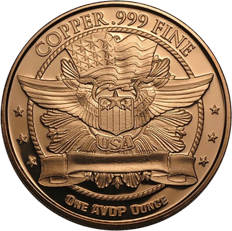
1 Ounce Copper Coin Maple Leaf
£8.31
excl. UK import VAT and shipping
currently not available

 More than 300,000
 Over 30 years
 Secure shipping
 Google: 4.9/5
Hardly any design embodies the world of bullion coins as unmistakably as the Canadian maple leaf. The Maple Leaf as a copper coin takes up this iconic design and makes one of the best-known classics of the precious metals world accessible for every budget. The following overview covers the origin and design, the technical specifications of the 1-ounce strike, the differences to the gold, silver and platinum editions, as well as questions around authenticity, storage and collector's value.
The maple leaf has long been Canada's national symbol and has adorned the country's most famous bullion coin since 1979. What began with the Gold Maple Leaf was expanded in 1988 to include the silver edition and later complemented by platinum and palladium. The copper variant rounds off this series at the lower end of the price scale, making the legendary design accessible at a small price. Those who prefer the design in precious metal will find it among the Maple Leaf gold coins as well as in the Silver Maple Leaf category.
The reverse bears the finely drawn maple leaf, as used by the Royal Canadian Mint for its coins for decades. In the copper edition, the metal's warm red tone gives the design its own vivid character, presenting the familiar motif in a new light.
The maple leaf is considered one of the few coin designs that is instantly recognised worldwide, a piece of Canadian identity cast in metal.
While the Silver Maple Leaf gleams silvery and the gold variant shines in a deep yellow tone, the copper coin impresses with its distinctive, copper-red shimmer. The design is identical, yet the visual experience is different, which is exactly what appeals to design collectors wishing to assemble a series across several metals.
The classic copper Maple Leaf is struck in a 1 ounce (AVDP) denomination and consists of 999/1,000 fine copper. This gives it the same high standard of purity that also distinguishes the precious metal editions. Unlike the gold or silver Maple Leaf, however, the copper coin carries no face value, meaning it is legally classed as a medal rather than an official means of payment.
One detail regarding its origin: since the copper variant is not issued by the Royal Canadian Mint but by a private mint, some obverses feature a different national emblem instead of the Canadian portrait. The maple leaf on the reverse, however, remains a faithful reproduction of the original. Those wishing to compare the technical specifications with other copper products will find suitable alternatives in various weight classes within the range of copper bars.
Only a few bullion coins are available in such a variety. The Maple Leaf family comprises five metals that differ markedly in price, fineness and character.
| Metal | Since | Fineness | Character |
|---|---|---|---|
| Gold | 1979 | up to 999.9 | classic investment gold coin |
| Silver | 1988 | 999.9 | most-traded silver coin |
| Platinum | 1988 | 999.5 | rare edition |
| Palladium | 2005 | 999.5 | the world's only regularly issued palladium coin |
| Copper | - | 999 | affordable entry point, medal |
For newcomers and design collectors, the copper variant is the ideal entry point: it costs only a fraction of the precious metal editions yet looks deceptively similar to the original. Those who later wish to move up to the higher-value metals will find the matching counterparts among the Platinum Maple Leaf or in the Palladium Maple Leaf category.
Strictly speaking, copper counts as an industrial metal, yet it has long since established itself in the collector's market. As a further building block of the classic metal series, it complements gold and silver and opens up an affordable way for collectors to complete popular designs in full. Those interested in the metal in general will find further inspiration in the copper range.
Copper coins such as the Maple Leaf are often issued in limited mintages and are gladly continued as annual issues. The real appeal lies less in the pure material value, which is comparatively low given the copper price, than in the collector's aspect. For popular designs, the value to collectors can significantly exceed the material value.
Good to know
For copper coins as collectibles, the year of issue often plays a secondary role on resale, what matters is the design, condition and the mintage figure. This information does not replace investment advice.
Compared to related series such as the China Panda in copper or the Buffalo, the Maple Leaf scores through its high degree of recognition. Another popular classic in the copper segment is the Andorra Eagle, which combines well with the maple leaf design.
For the precious metal editions, the Royal Canadian Mint relies on sophisticated security features such as the so-called Bullion DNA, radial lines and a micro-engraved laser mark of the year of issue, techniques that have made authenticity verification easier since 2014. For the copper variant as a medal, other features take precedence:
As one of Germany's largest online dealers, Kettner Edelmetalle relies on ISO-compliant authenticity verification, so that every strike is checked before shipping. For lasting value preservation, correct storage is just as important as authenticity itself, suitable solutions can be found in the coin capsules section.
Copper reacts more sensitively to environmental influences than gold and tarnishes over time on contact with air. Proper storage is therefore crucial to keep the design and surface looking attractive for years. Moisture, skin oils and frequent handling are the greatest enemies of a Brilliant Uncirculated copper surface.
Those who touch the coins as little as possible and store them in a dry place preserve both their visual appeal and their collector's value. For extensive holdings, master boxes are also a good option, creating a consistent and protected storage standard.
The copper variant is less a classic investment and more a charming collector's and entry-level item. It is particularly suitable for:
It is precisely as a gift that the copper Maple Leaf unfolds its appeal: a tangible piece bearing a world-famous design that brings joy while also sparking curiosity about the world of bullion coins. Those wishing to broaden their entry point can take a look at the wider range of copper coins with numerous other designs, such as the Indian Head strikes.
No. The copper edition carries no face value and is legally classed as a medal. Only the gold, silver, platinum and palladium editions carry a Canadian face value and are therefore official means of payment.
The classic strike consists of 999/1,000 fine copper and weighs one ounce (AVDP), that is, around 28.35 grams. This gives it a high degree of purity that comes close to the standard of the precious metal variants.
The maple leaf design is identical across all variants. The differences lie in the metal, the price and the legal status: the Silver Maple Leaf and the gold edition carry a face value, the copper strike does not. Visually, the warm red tone of the copper defines its distinctive character.
Copper tarnishes over time on contact with air and moisture. Storage in airtight coin capsules, coin pouches or coin cassettes in a dry place is recommended. Frequent handling with bare hands should be avoided.
The copper variant is primarily a collector's and entry-level item, not a classic precious metal investment. Its appeal lies in the low price, the well-known design and its potential collector's value. For value-preserving purposes, many additionally turn to the gold or silver editions. This information is general in nature and does not constitute investment advice.
For copper coins as collectibles, the specific year of issue is often of secondary importance on resale. More important are the design, the condition and the size of the mintage. However, for particularly limited issues, the year of issue can gain in importance.
 Maple Leaf
Stay informed with product launches, financial news and exclusive offers. Sign up for our free newsletter today.
By entering your email address and clicking the "Submit" button, you give the following consent: "I agree to be informed by email about new products, financial news and exclusive offers, and therefore consent to the processing of my email address for the purpose of sending the newsletter. I can revoke this consent at any time without giving reasons, with effect for the future. The lawfulness of processing carried out prior to revocation remains unaffected."