Sold out

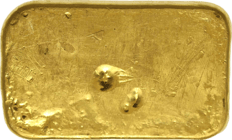
100g Gold Bar Schöne Edelmetalle B.V. (cast)
£9,521.34
VAT-free and excl. shipping
currently not available

 More than 310,000
 Over 30 years
 Secure shipping
 Google: 4.9/5


Authenticity
Every piece bears the stamp of Schöne Edelmetaal. Before it goes out to you, we check it ourselves.
Every bar shows its maker, weight and fineness. Most bars also carry a serial number and come with a certificate from their maker.
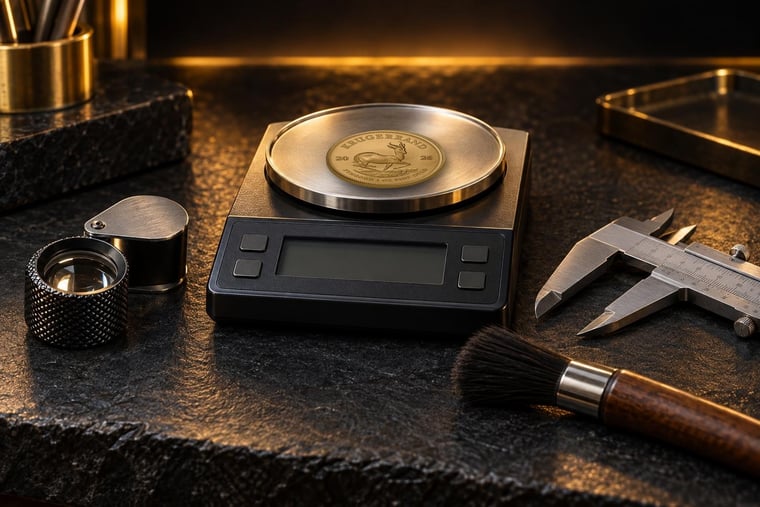
In our CCTV-monitored high-security area, two specialists check every order following the four-eyes principle, including its weight and, by X-ray, its authenticity.
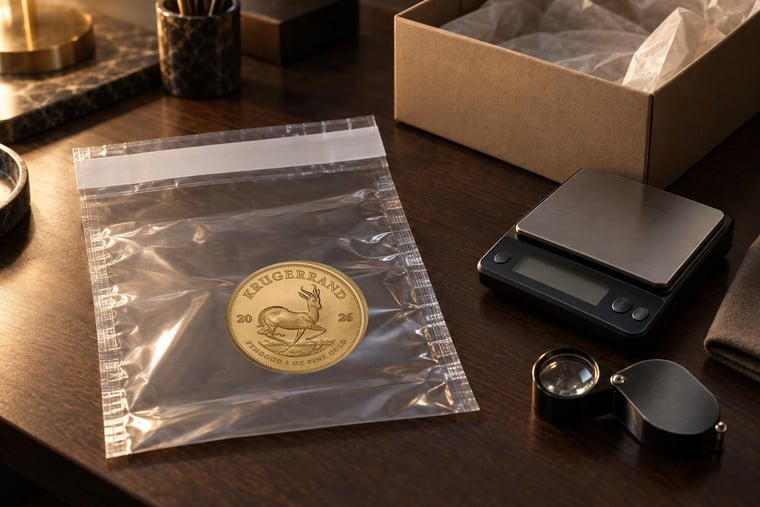
We then seal your order in a security bag that can only be opened once. You will be the first to open it.
Our testing methods
The house
Sources: manufacturer’s details, as of 14 November 2026
Few names in the precious metals trade carry as much history as Schöne Edelmetaal B.V. The Dutch heritage house, whose roots date back to the year 1739, is among the oldest bar manufacturers still active in the world today. Anyone holding a cast gold bar with the characteristic dove design in their hands today is holding a piece of European trading history. This guide examines the origins of the brand, the characteristics of the bars, their authenticity features, their collector's value, and the tax treatment of investment gold.
The history of Schöne Edelmetaal begins in 18th-century Amsterdam, at a time when the city was one of the most important trading hubs in Europe. Over the centuries, the company processed gold and silver into bars that became a fixture of Dutch and Belgian trade. To this day, the products from Amsterdam remain among the most widely traded gold bars in the Benelux countries, even though they are increasingly being replaced by modern minted bars.
A decisive turning point came in 2003: the Belgian technology group Umicore acquired Schöne and, in the following years, relocated the production capacities of the former Degussa to the Dutch site north of Amsterdam. Today, many of the Umicore group's fine gold bars are produced in the modernised facilities. The brand thus spans a remarkable range: from a baroque-era craft workshop to a present-day industrial precious metals refinery.
Schöne's cast gold bars have an unmistakable character. Unlike flawlessly smooth, modern minted bars, the historic cast bars display a lively, slightly irregular surface, making each example appear unique. The fineness is 999.9, that is, the purest fine gold, which was internationally recognised as the Good Delivery standard.
Characteristic is the rectangular shape in the metric system, complemented by an engraved serial number on the underside, which, depending on the size, consists of two letters and a sequence of digits. This individual marking makes the bars traceable and especially appealing to collectors. Anyone who appreciates the emotional allure of historic pieces will find here a bridge between pure gold investment and numismatic collector's item.
A cast gold bar tells a story that a standard minted bar can never tell: every irregularity is a fingerprint of the manufactory.
Over the centuries, numerous sizes and production methods have emerged. The most important variants of the cast gold bars in the metric system:
In addition, there are minted and rolled bars in weights from 5 to 100 grams, as well as in troy ounce denominations. Particularly rare are the tola bars (around 116.64 g) manufactured for export to Asia, hardly to be found in Europe anymore and correspondingly sought after. Anyone looking for smaller entry-level sizes will find what they need in the broad range of 100 g gold bars or the more compact 50 g gold bars from modern manufacturers.
Cast bars are produced by pouring molten gold into a mould; they appear more rustic and are particularly valued for larger weights. Minted bars, on the other hand, are stamped from a rolled gold strip and then given a design, their surface being more even and shinier. At Schöne, most minted bars were produced as design bars for third parties. For pure investment purposes, the difference is secondary, but for collectors, it is an important criterion.
The stamp designs of Schöne are a fascinating chapter in their own right and, at the same time, an important authenticity feature. Over time, three different logos can be distinguished:
For larger weights, from quarter-kilo to one-kilo bars, the old caduceus logo was used again in later years. Anyone purchasing a piece should always pay attention to the interplay of stamp, serial number and fine weight. Professional authenticity verification provides additional security: at Kettner Edelmetalle, every precious metal item undergoes an ISO-compliant inspection before leaving the logistics centre. Anyone wishing to delve deeper into the subject will also find helpful reference works in the specialist literature section.
The historic cast bars from Schöne are sought after by collectors all over the world, and rare pieces often achieve considerable premiums over their pure gold value. The variety of sizes, shapes and stamp variants makes them an appealing collecting field that combines investment and passion. Cast gold bars are, in this respect, significantly rarer than the corresponding fine silver bars from Amsterdam.
Anyone seeking historic charm beyond pure investment sizes will find a similar fascination with classic Vreneli gold coins or the coinage of the German Empire. For secure presentation and storage, suitable coin cases are recommended, which protect historic pieces from scratches and environmental influences.
Gold is a noble, corrosion-resistant metal: it does not tarnish and retains its shine for centuries. Nevertheless, collector's bars in particular should be stored carefully to protect the value-determining surface and the serial number. The following have proven effective:
For the secure storage of smaller holdings, compact solutions such as can safes are suitable, or, for entire collections, a suitable coin case. Anyone wishing to build up gold holdings over the long term and systematically can also approach the subject step by step with savings plan products.
A key advantage of fine gold bars is their tax status. In Germany, investment gold is exempt from VAT under §25c UStG, provided it meets the statutory fineness requirements, which is the case with Schöne's 999.9 bars.
Tax Note
When selling physical gold bars, a one-year speculation period applies in Germany: if the gold is held for longer than twelve months, any capital gain is exempt from income tax for private individuals. This information does not replace individual tax advice.
Unlike silver, which is generally subject to the margin scheme, gold investors thus benefit from a double advantage: no VAT when buying and potential tax exemption on long-term selling. Physical gold therefore remains a classic building block for retirement provision and inflation hedging.
Among the ranks of renowned precious metals producers, Schöne occupies a special position: while houses such as Heraeus or Argor Heraeus stand primarily for highly modern, precise minted bars, Schöne embodies the craft tradition of casting. The Swiss refiner Valcambi or the German heritage house C.Hafner also pursue their own particular focuses. For investors, what ultimately matters most is the fineness and the manufacturer's recognition; for collectors, on the other hand, it is the historic appeal and rarity. Schöne unites both worlds.
The origins of the Dutch house date back to the year 1739. This makes Schöne one of the oldest bar manufacturers still active worldwide. Since 2003, the company has belonged to the Belgian Umicore group.
The gold bars have a fineness of 999.9, that is, the purest fine gold. This means they meet the statutory requirements for investment gold and are exempt from VAT in Germany.
The dove with a branch in its beak is one of Schöne's characteristic stamp designs. It replaced the older caduceus, a symbol entwined by two snakes representing trade and commerce. Two variants of the dove exist, with the change taking place between 1961 and 1962.
Both. Due to their high fineness, they are suitable as a pure investment, while their historic stamp variants and, in some cases, rare denominations make them a sought-after collecting field at the same time. Rare examples often achieve premiums above their pure gold value.
Cast bars are created by pouring molten gold into a mould and display a lively, slightly irregular surface. Minted bars are stamped from rolled gold strip and appear more even and shinier. Schöne is best known for its cast gold bars.
In Germany, investment gold is exempt from VAT under §25c UStG. If the gold is held for longer than one year, any capital gain is exempt from income tax for private individuals. For a binding assessment, professional tax advice should always be sought.
 Schöne Edelmetalle B.V.

Personal advice
Our client advisers know the range of Schöne Edelmetaal and help you choose, by phone or at an appointment that suits you.
Monday to Friday, 8 am to 8 pm
Stay informed with product launches, financial news and exclusive offers. Sign up for our free newsletter today.
By entering your email address and clicking the “Submit” button, you give the following consent: “I agree to be informed by email about new products, financial news and exclusive offers, and therefore consent to the processing of my email address for the purpose of sending the newsletter. I can revoke this consent at any time without giving reasons, with effect for the future. The lawfulness of processing carried out prior to revocation remains unaffected.”