Only 4 left to order
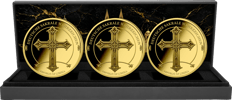
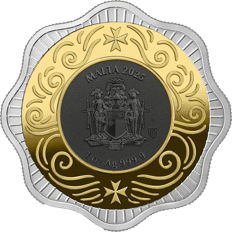
Gold Little Prince 3-Piece Set 2026 (Mintage: 250 | Proof)
£208.73£334.47
VAT-free and excl. shipping
Ships from 18/12/2026

 More than 310,000
 Over 30 years
 Secure shipping
 Google: 4.9/5


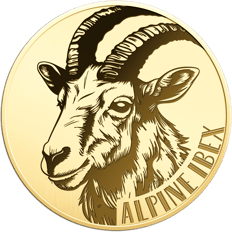
The Other Animal Designs section within the Land Animals category brings together the gold, silver and platinum coins that cannot be clearly assigned to one of the classic subgroups, such as predators, pachyderms or domestic animals. Here you will find designs ranging from the Australian emu and the North American bison to the Alpine ibex, together with collector's editions in Proof, partially gilded editions and coloured strikes, often with low mintages. This guide puts the broad range on offer into context, explains minting techniques, finenesses and tax particulars, and shows what to look out for when buying animal-design coins.
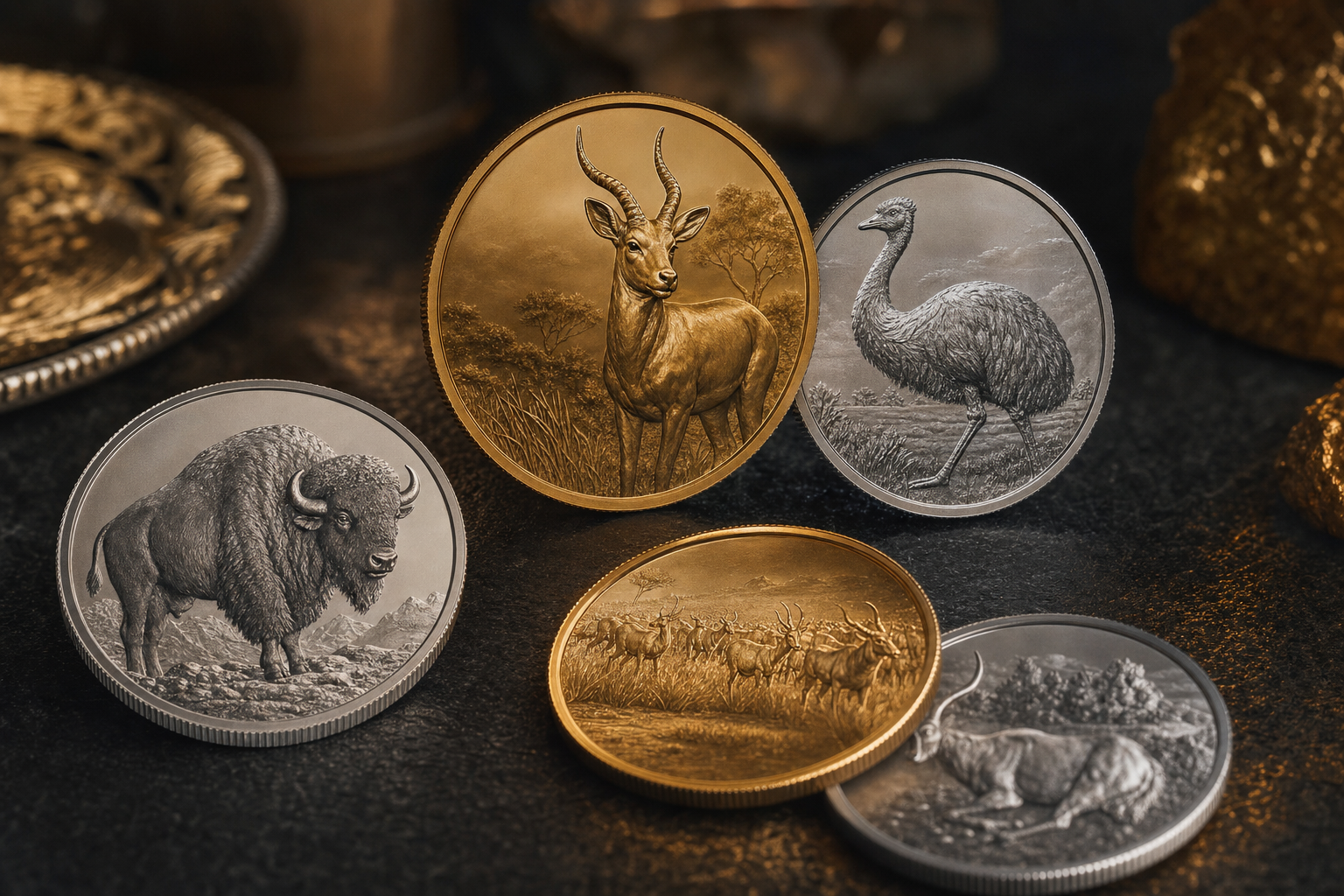
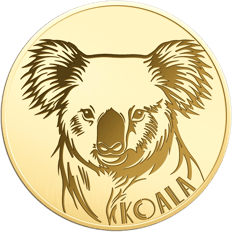
Animal designs are among the most popular subjects in modern numismatics. While well-known series such as the Koala or the Kangaroo fill entire categories of their own, the Other section gathers all remaining land and mixed designs. These include strikes featuring land animals that do not fit into any narrower series, as well as issues from various mints and countries ranging from Australia to Liberia to Gabon. A hallmark of this category is the wide range of denominations, metals and finishes.
Many of these coins are issued in strikingly small mintages of 100 to a few thousand pieces, and are therefore aimed primarily at collectors. Others, for instance pure bullion strikes with high mintages, combine the decorative design with the pure precious metal value. Anyone wishing to get an overview of related animal groups will find it in the overarching Land Animals section.
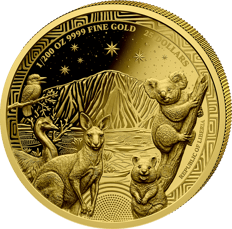
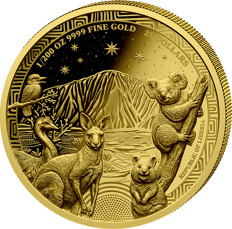
The coins in this category are available in gold, silver and platinum. Silver coins are usually struck to a fineness of 999/1,000 or 999.9/1,000, while gold strikes are predominantly 999.9/1,000 (24 carat). The available weights range from the smallest fractions, such as 1/200 oz and 0.5 g, up to the classic 1 oz strike and beyond, to 5 oz or kilo editions.
Fractions such as 1/200 oz or 0.5 g of gold allow for an affordable entry into gold coins with animal designs, without having to pay the full ounce price straight away. The drawback: the smaller the unit, the higher the percentage premium on the pure material value, since minting and packaging costs are spread over a smaller metal weight. Comparable micro formats are also offered in the range of 1 gram gold bars.
The 1 oz (31.1 grams) format is the most widely traded and also forms the core of the range for animal-design silver coins. Investors primarily focused on the metal itself can also turn to classic bullion strikes from the Other Silver Coins section or to pure 1 oz silver bars.
A key distinguishing feature within this category is the condition or minting grade. It largely determines a coin's appearance, mintage and price.
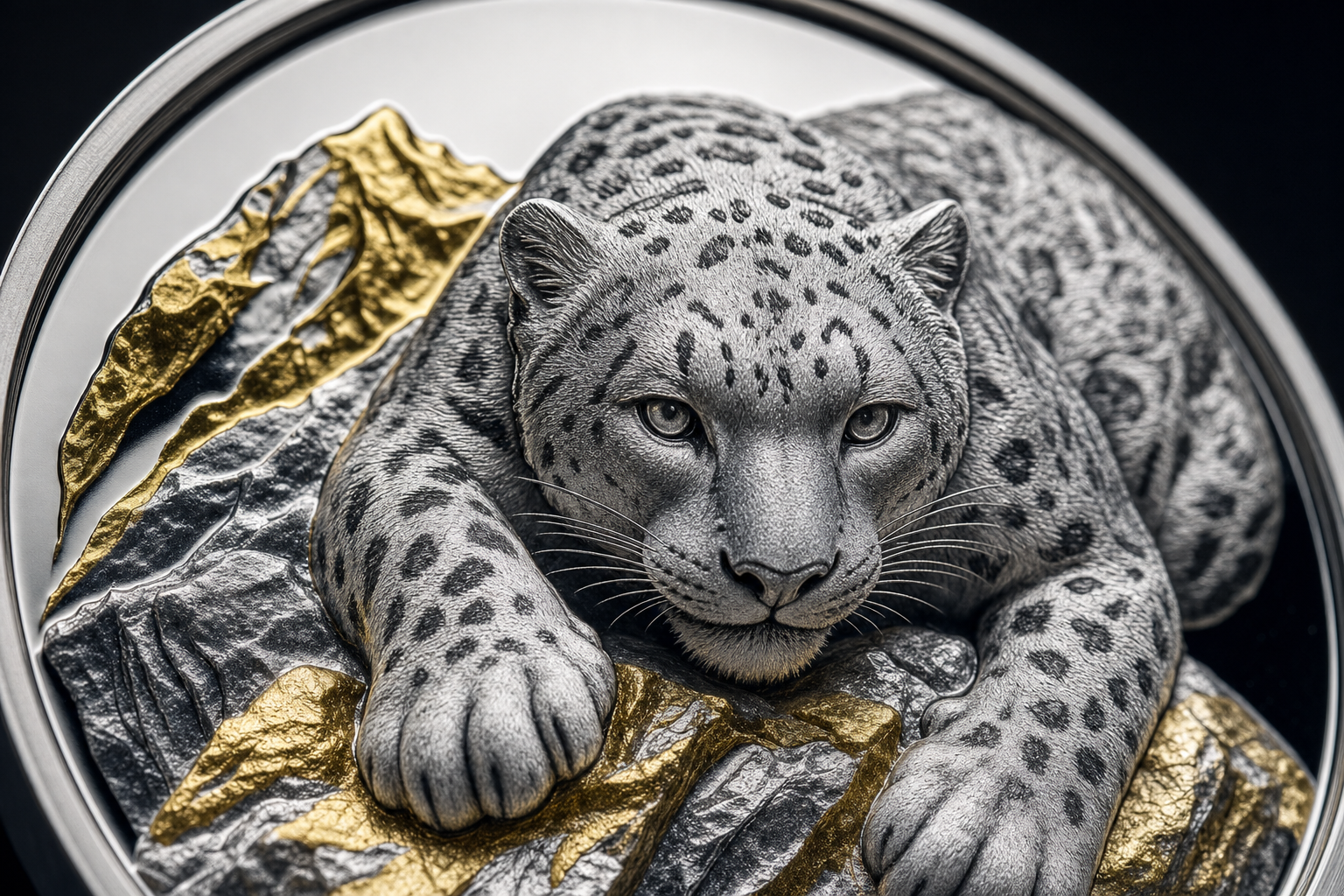
Coloured and partially gilded editions are among the enhanced strikes and are gathered together in the Coloured Silver Coins category as well as under the Kettner exclusive products. These finishes increase the collector's value, but play no role in the pure precious metal content.
A note on mintage
Many animal-design coins in this category are issued in mintages of between 100 and a few thousand pieces. A low mintage can support collector demand, but it is no guarantee of an increase in value. Collector's value depends on the design, condition and market interest, and cannot be reliably predicted.
Behind these designs stand renowned mints. The Perth Mint and the Royal Australian Mint strike the majority of the Australian animal designs, while European and African issues come from other houses. Formally, many coins are issued by countries such as Australia, Liberia, Gabon or the Republic of Chad, which set the coin's face value: the actual value, however, lies in the precious metal and the collector's design.
It is worth taking a look at the issuing mint, as it stands for minting quality and protection against counterfeiting. An overview of the manufacturers can be found in the Perth Mint Australia section as well as at the Royal Australian Mint. The in-house programme under Kettner Edelmetalle also includes exclusive animal designs.
Authenticity verification is essential for precious metal coins. Reputable dealers check the weight, diameter, thickness and ring tone of every coin and compare the values against the mint's official specifications. Kettner Edelmetalle uses an ISO-compliant authenticity verification process for this purpose.
For safe storage after purchase, suitable accessories are recommended. Individual coins are best kept in coin capsules, while larger collections are better suited to coin cassettes, to avoid scratches and oxidation.
The tax classification differs considerably between the metals. Investment gold is exempt from VAT in Germany under the applicable regulations, provided it meets the statutory criteria for investment gold. As a rule, therefore, no VAT is charged on the corresponding gold coins.
For silver coins, the standard VAT rate has applied since 2014; for many imported collector's coins, the margin scheme applies, under which tax is levied only on the trading margin. For private investors, the one-year holding period is also relevant: a capital gain is tax-free after a holding period of more than one year. Background on physical precious metals can be found in the Gold and Silver sections.
Tax notice
This information is intended for general guidance only and does not replace tax advice. For the individual treatment of purchases and sales, a tax advisor should be consulted if in doubt.
Animal-design coins sit in the tension between collectable object and investment. Bullion strikes with high mintages and a low premium are suited to anyone whose main focus is the precious metal value. Collector's coins with small mintages, elaborate finishes and thematic appeal, on the other hand, appeal to those who take pleasure in the design and the series.
A well-realised animal design combines the tangible value of the precious metal with the narrative appeal of a carefully crafted strike.
Anyone looking for a thematic focus will find related designs in the sibling categories Predators, Pachyderms and Snakes. Beyond land animals, it is also worth taking a look at the Native Birds section and Sea Creatures.
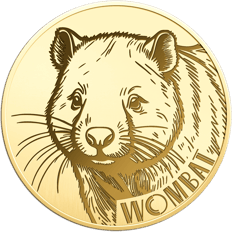
The category brings together land and mixed designs that are not assigned to any narrower series, including the emu, wombat, bison, elk, zebra, giraffe, cheetah, Alpine ibex and stag. The strikes are issued in gold, silver and platinum, some as bullion coins and some as collector's coins.
Proof (sometimes abbreviated PP) refers to the highest minting quality. It is characterised by mirror-polished fields and frosted design elements and is usually produced in a small, strictly limited mintage. Such coins count among the collector's strikes.
If a gold coin meets the statutory criteria for investment gold, it is exempt from VAT in Germany. Silver coins, on the other hand, are subject to VAT, often in the form of the margin scheme. For a binding assessment, tax advice is recommended.
Individual coins are ideally kept in coin capsules, which protect against scratches and environmental influences. For larger holdings, coin cassettes or coin cases are suitable. Especially with coloured and partially gilded editions, proper storage protects the sensitive surface.
They combine the precious metal value with a collector's aspect. For a pure investment, strikes with high mintages and a low premium make sense, while limited collector's coins also draw additional appeal from the design. However, this does not allow for any reliable conclusions about future performance; this information does not constitute investment advice.
Many Australian designs come from the Perth Mint and the Royal Australian Mint. Other issues are formally issued by countries such as Liberia, Gabon or the Republic of Chad and produced by various international mints. The mint provides information about quality and security standards.
 Land AnimalsOther
Stay informed with product launches, financial news and exclusive offers. Sign up for our free newsletter today.
By entering your email address and clicking the "Submit" button, you give the following consent: "I agree to be informed by email about new products, financial news and exclusive offers, and therefore consent to the processing of my email address for the purpose of sending the newsletter. I can revoke this consent at any time without giving reasons, with effect for the future. The lawfulness of processing carried out prior to revocation remains unaffected."