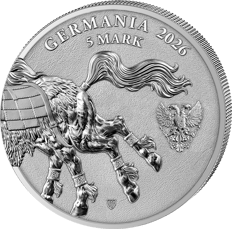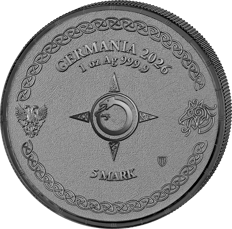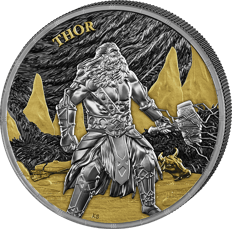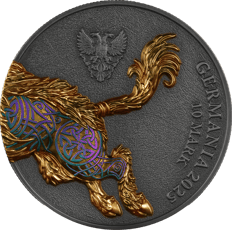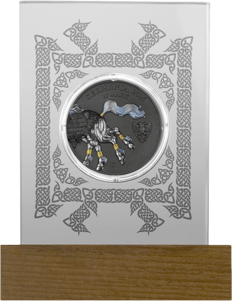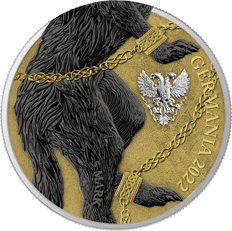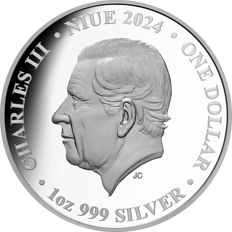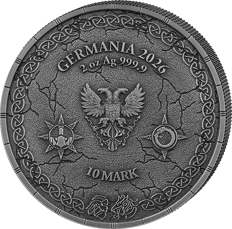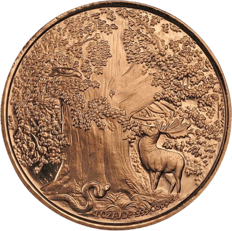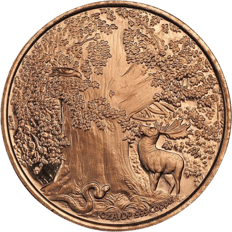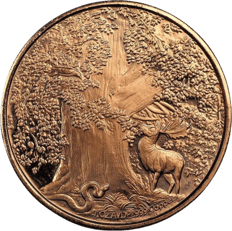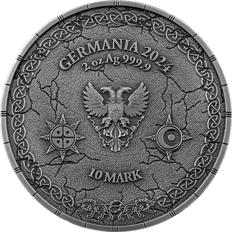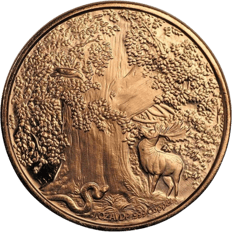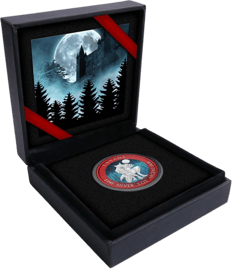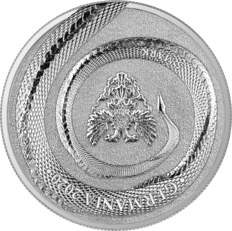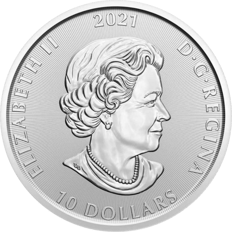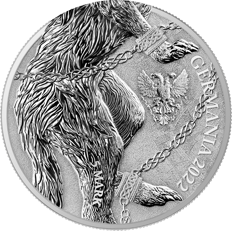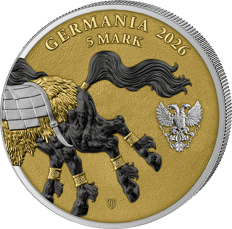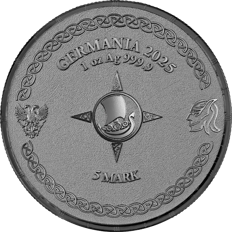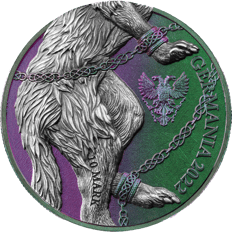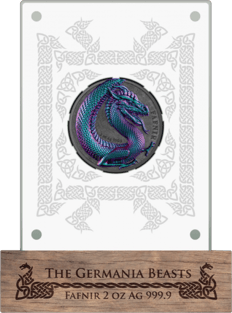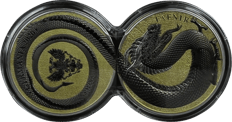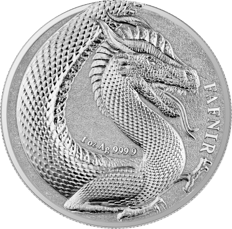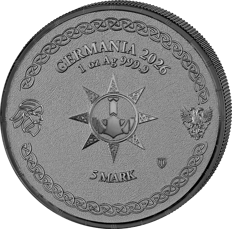
1 oz Silver Germania Ragnarök Thor 2026 (Mintage: 5,000 | Black BU)
£62.16
excl. UK import VAT and shipping
Ships from 10/12/2026

 More than 300,000
 Over 30 years
 Secure shipping
 Google: 4.9/5


Norse mythology ranks among Europe's most visually powerful worlds of legend: a world of gods, giants and untamed beasts that reaches its climax in the great conflagration of the world, Ragnarök. It is precisely these motifs that modern mints draw on, transforming wolves, dragons and mythical steeds into elaborately designed silver coins. This guide classifies the most important Norse mythical creatures, explains minting techniques such as high relief and antique finish, sheds light on mintages, storage and tax particulars, and shows what collectors and investors should look out for when buying.
Norse mythical creatures form a distinct and steadily growing collecting field within modern silver coins. Unlike classic silver bullion coins, which focus on pure fine silver and low minting costs, these issues place design, relief height and limited mintage at the forefront. The pieces therefore belong to the group of collector's coins and combine the material value of the precious metal with a pronounced aesthetic and cultural collecting appeal.
This subject area is part of the broader category mythical creatures, which also features mythical creatures from other cultures. Those wishing to explore further will find the spiritual foundation of many of these motifs in Norse mythology, from the Eddic poems to the Germanic sagas of the gods.
A defining impulse for this collecting field came from Germania Mint. Its series devoted to mythical beasts, above all the wolf Fenrir and the dragon Fafnir, established the format of the 2 oz silver coin in high relief with partially gilded and coloured variants. These issues are today a fixed part of the Germania silver coins and shape the visual style of the entire collecting field.

The world of motifs draws on Old Norse tradition, in particular the Poetic Edda and the Prose Edda. Many of the creatures play a role in the end-times myth of Ragnarök, the prophesied downfall and rebirth of the world. An overview of the central figures:
Besides these central figures, giants such as the frost giant (Jötunn) as well as Germanic-Norse-inspired hybrid creatures also appear on coins. The thematic transition to other sagas is fluid: related motifs can also be found among the Asian mythical creatures or the classic unicorn.
At Ragnarök, the wolf Fenrir breaks free: in this scene the entire Norse conception of fate, downfall and new beginning is condensed.
Norse-themed coins are produced predominantly in silver, complemented by affordable entry-level pieces in copper coins. The most common formats at a glance:
Enhanced minting techniques are characteristic of this collecting field. With high relief, the design is worked out in a particularly raised manner, lending the menacing beasts additional drama. The antique finish gives the surface an aged appearance and emphasises fine details, while partially gilded and coloured variants highlight individual pictorial elements. These techniques explain why such issues are priced considerably above the pure silver value. Further enhanced themed pieces can be found in the partially gilded category as well as among the coloured silver coins.

Mintages range from generous runs of 25,000 pieces to strict limitations of as few as 100 specimens for particularly elaborate coloured variants. As a general rule: the lower the mintage and the more elaborate the finish, the stronger the collector appeal. Grades such as Mint State (MS), Proof and antique finish describe the surface quality and are especially prized for limited exclusive products.
Norse mythical creature coins are first and foremost collector's objects, not classic investment silver. Their price is made up of the silver value plus an often substantial premium for design, mintage and finish. Those primarily focused on the precious metal content are usually better served, price-wise, by standardised silver bars or classics such as the Maple Leaf and the Vienna Philharmonic.
The appeal of themed series lies elsewhere: a low-mintage, thematically coherent collecting field can develop its own demand over the years, one that is partly decoupled from the silver price. However, no reliable return forecasts can be derived from this; collector value depends heavily on the popularity of the design, condition and availability. Those who want to combine both worlds sensibly pair collector's pieces with a solid core holding of investment silver.
In Germany, silver coins are generally subject to the margin scheme or the standard VAT rate, unlike investment gold, which is exempt from VAT under §25c UStG. Holding periods are also relevant for collectors: a capital gain from private sales can remain tax-free once the one-year speculation period has elapsed. The specific treatment depends on the individual case.
Tax note
This information is for general guidance only and does not replace tax advice. For an individual assessment, for example regarding the margin scheme for silver or the speculation period, consultation with a tax advisor is recommended. Those focused on VAT-exempt goods will find alternatives among the gold bullion coins.
Especially for enhanced and coloured issues, correct storage is crucial for preserving value. Silver reacts sensitively to humidity and sulphur-containing environments and can tarnish. For protection, properly fitted coin capsules that enclose the piece airtight are recommended, along with organised storage in coin cassettes or a coin case.
Important basic rules for storage:
Before buying, it is worth taking a careful look at several factors to ensure that design, features and price match up. The following points serve as guidance:
As a German family business with over 200,000 customers and ISO-compliant authenticity verification, Kettner Edelmetalle places great value on verified goods and insured shipping. Those wishing to expand their collecting field will regularly find fresh themed issues among the new products.
Among the most sought-after designs are the wolf Fenrir, the dragon Fafnir, the eight-legged steed Sleipnir, as well as the Ragnarök wolves Sköll and Hati. They come predominantly from the Germania Beasts series and related editions and are offered in various minting techniques.
They are primarily collector's pieces. In addition to the silver value, the price includes a significant premium for design, mintage and finish. Those primarily seeking the precious metal value are usually better off, price-wise, with standardised silver bars or classic bullion coins.
High relief refers to a particularly raised, deep minting relief. This makes the design stand out more sculpturally and appear more three-dimensional than with standard minting. This technique is frequently used for Norse mythical creatures to enhance the dramatic effect of the beasts.
Unlike investment gold, silver coins are not exempt from VAT; here the margin scheme or the standard tax rate applies. In the case of a private resale, a profit can be tax-free after the one-year speculation period has elapsed. A tax advisor should be consulted for the individual case.
Ideally, they should be stored in airtight coin capsules, supplemented by dry, dark storage in cassettes or a safe. The design surface should not be touched with bare fingers. The original capsule and certificate belong with the coin, as they contribute to the collector value.
Yes. Alongside the high-quality silver issues, there are affordable copper coins with designs such as Sleipnir, Garm or the dragon Nidhöggr. They allow for a cost-effective entry into the collecting theme without requiring a large capital outlay.
 Mythical CreaturesNordic Mythical Creatures
Stay informed with product launches, financial news and exclusive offers. Sign up for our free newsletter today.
By entering your email address and clicking the "Submit" button, you give the following consent: "I agree to be informed by email about new products, financial news and exclusive offers, and therefore consent to the processing of my email address for the purpose of sending the newsletter. I can revoke this consent at any time without giving reasons, with effect for the future. The lawfulness of processing carried out prior to revocation remains unaffected."