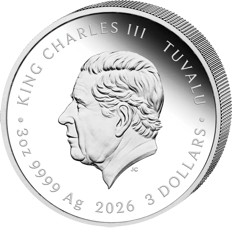
Only 7 left to order
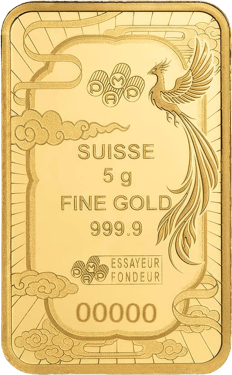
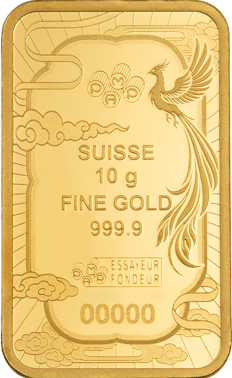
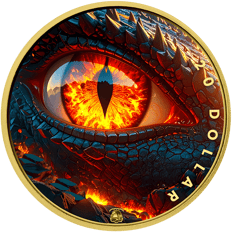
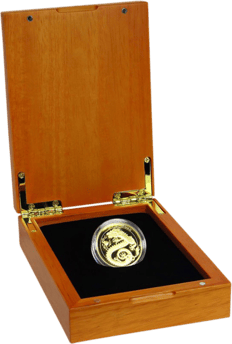
0.5g Gold Phoenix 2026 (Mintage: 500 | Proof)
£108.14£150.05
VAT-free and excl. shipping
Ships from 24/11/2026

 More than 310,000
 Over 30 years
 Secure shipping
 Google: 4.9/5


Asian mythical creatures are among the most expressive designs in modern coin minting. Dragon, phoenix, tiger, turtle and mythical deities of fortune embody a symbolic world thousands of years old that is deeply rooted above all in China, but also in Japan, Korea and East Asia as a whole. On silver and gold coins, these creatures unfold a particular power: they combine cultural depth with exceptional minting artistry and turn every issue into a collector's piece with history. This guide highlights the most important designs, their meaning, the available denominations and minting qualities, as well as tax and practical aspects of buying.
In East Asian mythology, mythical creatures are far more than mere fantasy figures. They represent cosmic principles, luck, protection and power and have permeated art, architecture, literature and religion for more than two thousand years. The dragon is regarded in China as an imperial symbol and bringer of rain and prosperity, while the phoenix stands for renewal and feminine grace. This symbolism makes the designs equally attractive to collectors and gift buyers alike.
Particularly fascinating is the role of the four celestial animals, which guard the cardinal directions in Chinese cosmology. Many modern minting programmes draw on these millennia-old ideas and translate them into elaborate reliefs. Anyone interested in the cultural and historical roots will also find complementary designs and background information in the themed section History of Asia.
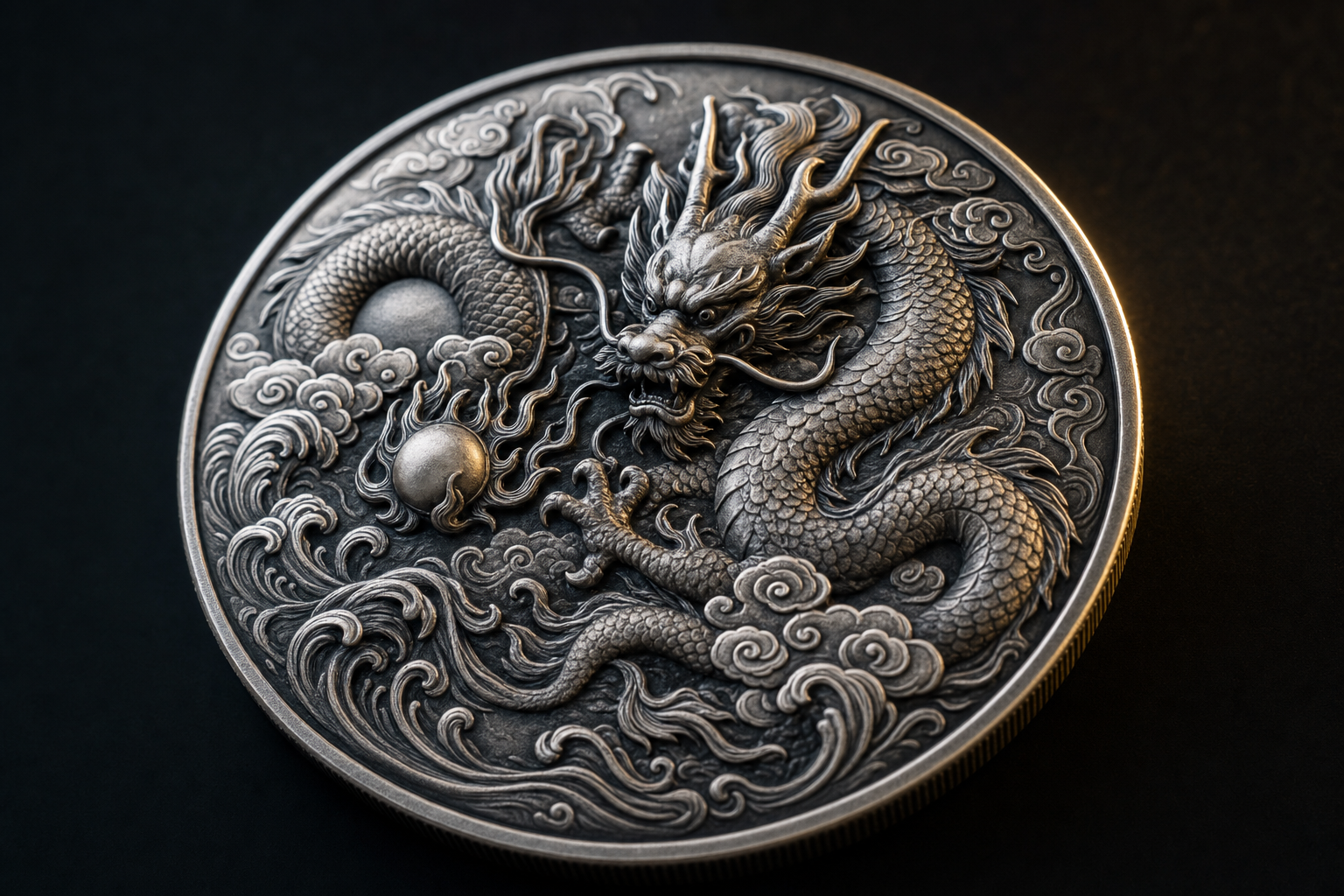
The East Asian dragon differs fundamentally from the Western image of the dragon: it is not a fire-breathing monster, but a benevolent, serpent-like creature with deer antlers, eagle claws and fish scales. It commands water and weather and was regarded as the symbol of the emperor. On coins, the dragon frequently appears in combination with clouds, waves or a pearl, the symbol of wisdom.
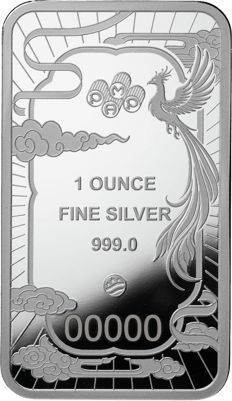
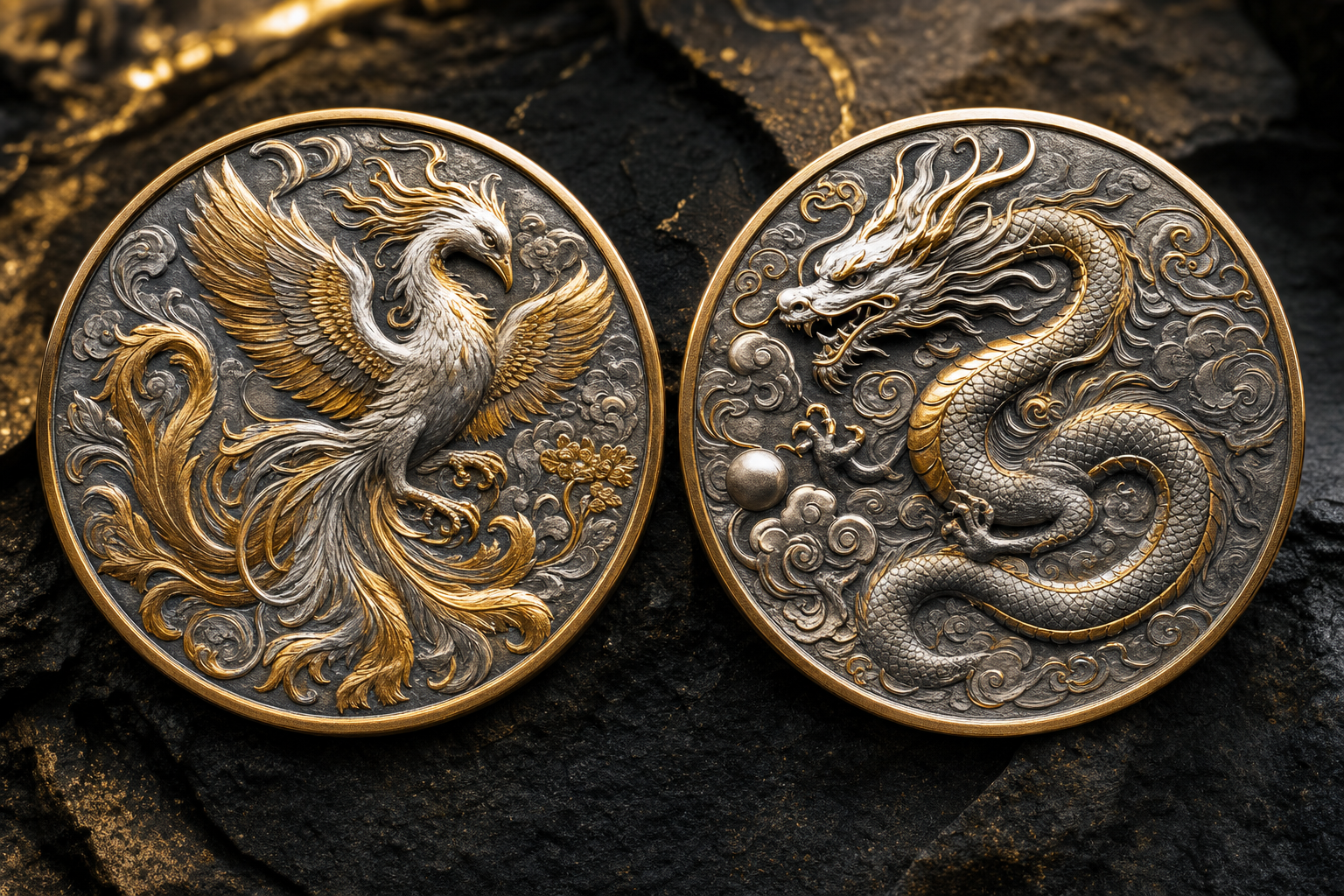
The Chinese phoenix (Fenghuang) is the female counterpart to the dragon and symbolises virtue and harmony. In the pairing dragon and phoenix, the design represents the union of emperor and empress, balance, and marital happiness, a popular motif on two and five troy ounce issues. The repertoire is rounded out by figures such as Guan Yu, the deified general, as well as the deities of fortune Fu, Lu and Shou, who stand for prosperity, rank and long life.
The range of coins featuring Asian mythical creatures is remarkably diverse, spanning classic bullion coins through to strictly limited collector's editions. Many of the most elaborate pieces are produced with an antique finish or as hand-coloured editions with a very low mintage. Anyone wishing to get an initial overview of the entire thematic category will also find related areas under Mythical Creatures.
Several of these designs overlap with the Lunar Series III, in which the Year of the Dragon plays a special role. Anyone specifically searching for dragon themes in the lunar calendar will also find what they are looking for with the 2024 Year of the Dragon issue. For animal designs with a mythical connection, it is also worth taking a look at turtle silver coins.
Coins featuring Asian mythical creatures are predominantly issued in silver, but increasingly also in gold. Thanks to its large minting surfaces, silver is particularly well suited to richly detailed designs, which is why many five troy ounce pieces are minted in this metal. Gold issues tend to appeal to collectors who place value on compactness and material worth.
The range extends from small fractional sizes to massive collector formats. Typical weights include:
Anyone generally interested in the choice of format for silver will find complementary series within the range of silver coins; classic bullion coins in gold can be compared in the gold bullion coins category.
With Asian mythical creatures, finishes play a major role in both appearance and popularity among collectors:
A key characteristic of many mythical creature coins is their low mintage. While classic bullion coins are issued in mintages of several tens of thousands or even millions of pieces, limited collector's editions are often capped at just 388, 500 or 888 pieces. Numbers like 8-8-8 are no coincidence, as the number eight is regarded in China as especially auspicious.
The size of the mintage often has a greater bearing on the desirability of a collector's coin than the pure precious metal weight.
For collectors, this means that material value alone does not determine attractiveness; rather, it is the interplay of design, minting quality and availability. Very low mintages sell out quickly and subsequently appear only on the secondary market. Anyone seeking general background knowledge on limited mintages will find further examples in the collector's coins category. As a point of comparison, pure China Panda silver coins offer a well-known bullion and collector's coin from the same cultural region.
Different tax rules apply to precious metal coins in Germany depending on the metal. Investment gold is exempt from VAT under the applicable regulations, provided the coin meets the criteria for investment gold. This applies to many gold issues featuring mythical creature designs. Silver coins, by contrast, are generally subject to VAT, although the margin scheme frequently applies to imported collector's coins.
Tax notice
Investment gold coins are generally exempt from VAT in Germany. For silver coins, the margin scheme may apply depending on origin and classification, meaning that only the trading margin is taxed. This is general information and does not replace tax advice.
Anyone wishing to gauge the material value of gold issues can take their bearings from classic gold coins. For silver, it is also worth comparing against common silver bullion coins in order to assess premium and tax burden.
Especially for coloured and antique-finished collector's coins, proper storage is crucial for preserving value. Fingerprints, moisture and physical contact can permanently damage the sensitive surfaces. Coins should therefore always remain in their original capsule and only be handled by the edges.
Authenticity can be verified via weight, diameter and fineness; reputable issues are also supplied with a numbered certificate of authenticity and in high-quality packaging. When buying through an established dealer such as Kettner Edelmetalle, the products pass through a verified supply chain, so origin and quality remain traceable. Further accessories for secure storage can be found in the accessories category.
The target audience is broad. Theme collectors appreciate the cultural depth and artistic execution of the designs. Gift buyers are drawn to dragon or phoenix designs, as these are regarded as bringers of luck, particularly for occasions such as a birth year under the sign of the dragon. And anyone building entire worlds of design often expands their collection with related themes such as Nordic mythical creatures or the classic unicorn.
Fractional issues in gold are also suitable as a modest entry point into the world of precious metals. Anyone who places the focus more on the joy of collecting than on pure material value will find a particularly varied range on offer in this category.
In Chinese culture, the dragon is regarded as a symbol of power, luck and prosperity, and was the emblem of the emperor. On coins, it most often appears together with clouds, waves or a pearl, representing positive energy and protection.
Dragon and phoenix form a classic pair in Chinese symbolism. The dragon represents the male principle and the emperor, while the phoenix represents the female principle and the empress. Together, they symbolise harmony, balance and marital happiness.
The number eight is regarded in China as particularly auspicious, as its pronunciation resembles the word for prosperity. Mintages such as 388 or 888 deliberately draw on this symbolism while also underlining the rarity of the respective issue.
Silver coins are generally subject to VAT in Germany. For imported collector's coins, the margin scheme frequently applies, under which only the trading margin is taxed. Investment gold coins, by contrast, are generally exempt from VAT.
Antique finish is a special finish in which the coin is artificially patinated. The result appears ancient and makes the relief seem especially sculptural. This technique is frequently used on Asian mythical creature coins to emphasise the depth of detail in the designs.
Yes, dragon and phoenix designs in particular are regarded as bringers of luck and are popular for special occasions. In small denominations and high-quality packaging, they are suitable both as collector's pieces and as symbolic presents.
 Mythical CreaturesAsian Mythical Creatures
Stay informed with product launches, financial news and exclusive offers. Sign up for our free newsletter today.
By entering your email address and clicking the "Submit" button, you give the following consent: "I agree to be informed by email about new products, financial news and exclusive offers, and therefore consent to the processing of my email address for the purpose of sending the newsletter. I can revoke this consent at any time without giving reasons, with effect for the future. The lawfulness of processing carried out prior to revocation remains unaffected."