





Germany Before the Mark - 7 Coin Collection (Currency of the Small States and Free Cities Before 1871)
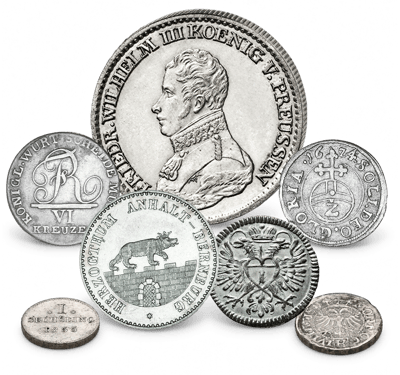







- Genuine Originals: no restrikes
- 1511 to 1862: history you can touch
- Three Currencies: in one collection
- Genuine OriginalsEvery coin is a real piece from the circulation of its era
- 1511 to 1862From the Reformation to shortly before the founding of the Reich
- Three CurrenciesKreuzer, Taler and Sechsling united in one collection
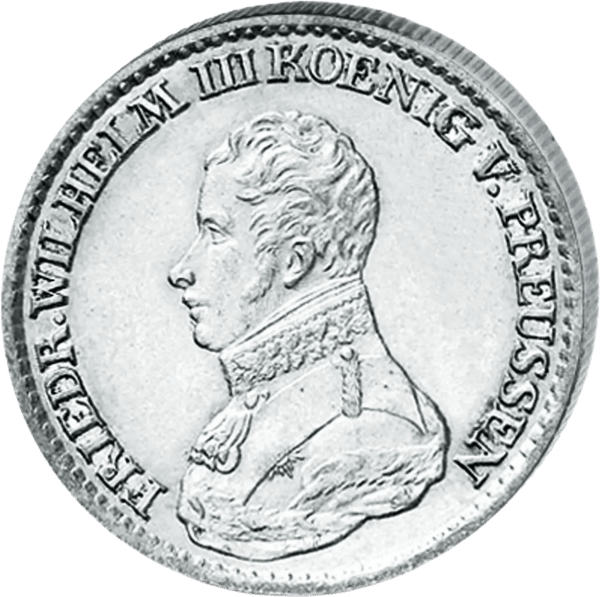 1 ×Silver 1/6 Thaler King Friedrich Wilhelm III (1816-1818 | Prussia in the Biedermeier Era)
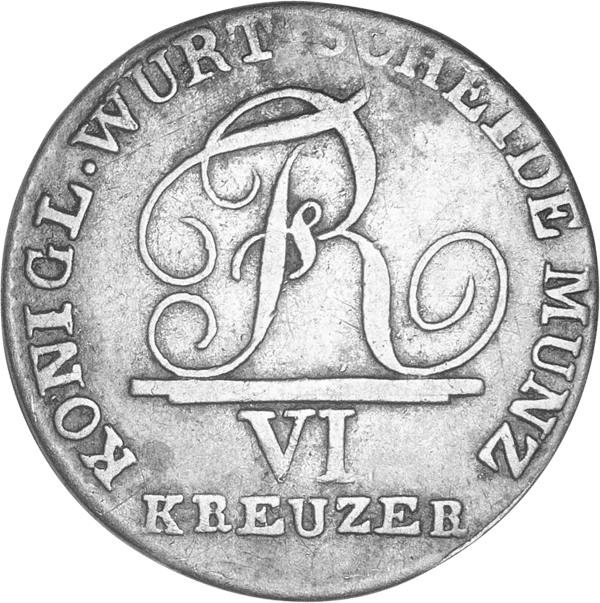 1 ×6 Kreuzer Kingdom of Württemberg (1806-1814 | in the Confederation of the Rhine alongside Napoleon)
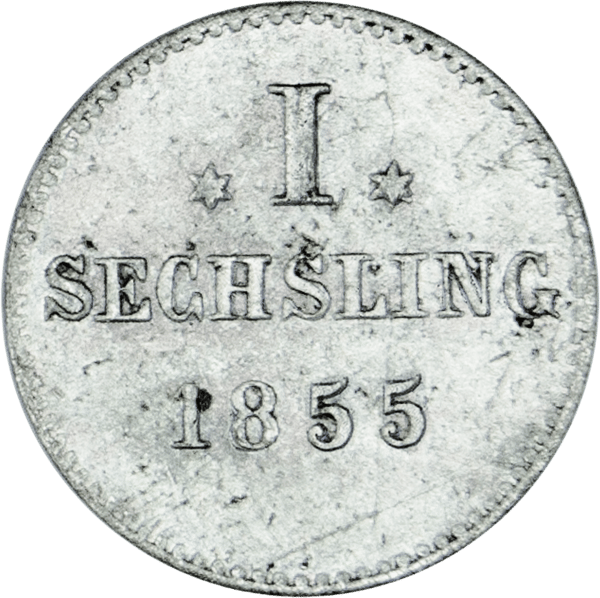 1 ×1 Sechsling Free Hanseatic City of Hamburg (1823-1855 | with City Coat of Arms)
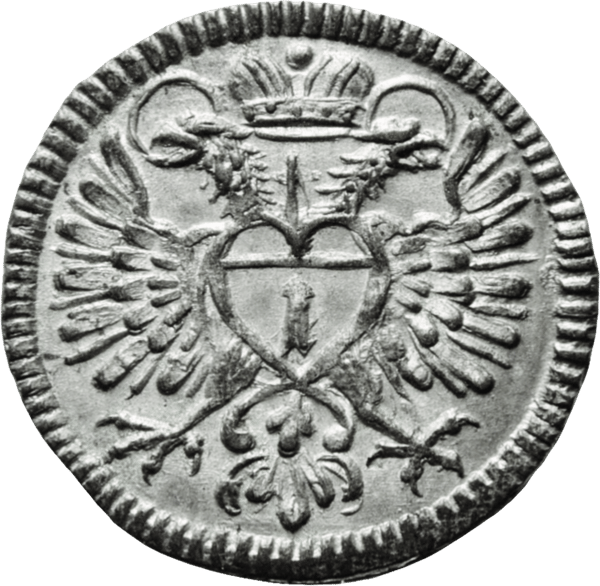 1 ×Silver 1 Kreuzer Free Imperial City of Regensburg (1623-1753 | Payment Money of the Cathedral City)
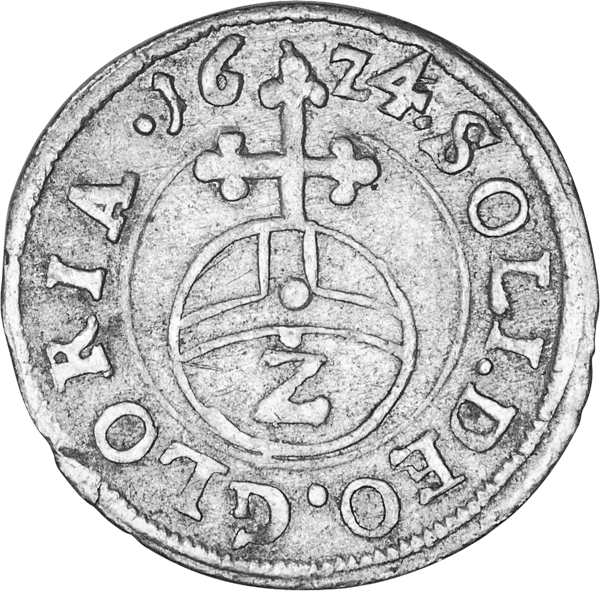 1 ×2 Kreuzer Silver Electorate of Bavaria (1623-1636 | Currency in the Thirty Years' War)
 1 ×1/2 Batzen Silver Free Imperial City of Kempten (1511-1533 | Era of the Peasants' Wars and Reformation)
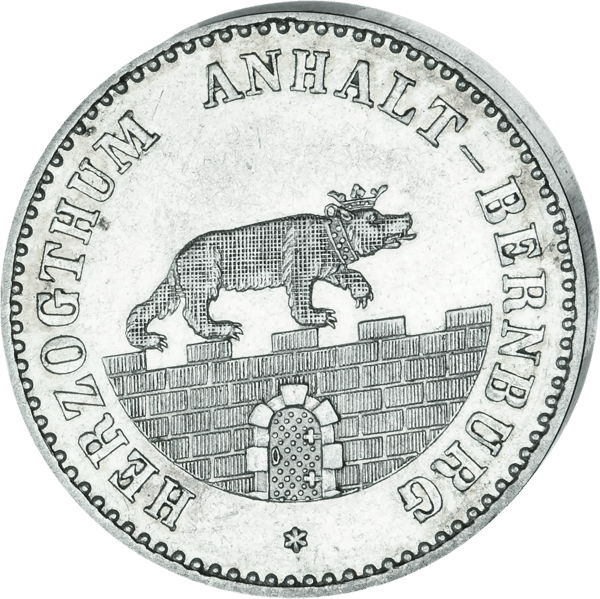 1 ×1/6 Thaler Silver Duchy of Anhalt-Bernburg (1856-1862 | Part of the Coat of Arms of Saxony-Anhalt)
In this bundle you save £30.34
 Price alert
 Share
Germany before the Mark: Seven originals, seven stories
Before the German Empire was founded in 1871 and the Mark became the unified currency of the German Reich a few years later, Germany was a patchwork of territories. Kingdoms, duchies, electorates, imperial cities and Hanseatic cities minted their own coins. Taler in the north, Kreuzer and Gulden in the south, Schilling and Sechsling along the Elbe. Travellers had to do their sums. This collection brings exactly this Old Germany home to you: seven original circulation coins spanning a good three and a half centuries, from the time of the Reformation to shortly before the founding of the Empire.
These are not showpieces for princely cabinets. This is money people actually used – small change with which farmers, merchants, carters and craftsmen paid for their everyday lives. Precisely because of this, these historic silver coins stand as close to history as a coin possibly can.
What the collection contains
- 1/2 Batzen, Imperial City of Kempten (1511–1533): around 2 g of silver from the time of the Peasants' War and the Reformation. In 1525, in the "Great Purchase," the citizens bought the prince-abbot's governing rights over the city – a milestone of civic freedom in the Allgäu.
- 2 Kreuzer, Electorate of Bavaria (1623–1636): around 1 g of silver, minted under Maximilian I, who received the electoral dignity in 1623. A diamond-shaped shield on one side, an imperial orb with the denomination "Z" and the inscription SOLI DEO GLORIA on the other. Everyday money in the midst of the Thirty Years' War.
- 1 Kreuzer, Free Imperial City of Regensburg (1623–1753): around 0.75 g of silver bearing the crossed keys of the Apostle Peter and the crowned double-headed eagle. From 1663, the cathedral city was the seat of the Perpetual Imperial Diet.
- 6 Kreuzer, Kingdom of Württemberg (1806–1814): around 2.1 g, the monogram "FR" for King Friedrich I and the legend KÖNIGL. WÜRT. SCHEIDE MÜNZ. A child of the Napoleonic era: Württemberg became a kingdom in 1806 and stood alongside France in the Confederation of the Rhine.
- 1/6 Taler, Kingdom of Prussia (1816–1818): around 5.345 g of silver, with a portrait of King Friedrich Wilhelm III in uniform, and on the reverse "SECHS EINEN THALER – VIER GROSCHEN". Money of the early Biedermeier period, shortly after the Wars of Liberation.
- 1 Sechsling, Free Hanseatic City of Hamburg (1823–1855): around 0.7 g, bearing Hamburg's city coat of arms, the three-towered castle. A Sechsling corresponded to six Pfennig, i.e. half a Schilling – the small change of the harbour.
- 1/6 Taler, Duchy of Anhalt-Bernburg (1856–1862): around 5.3 g of silver, minted under Duke Alexander Carl, the last Duke of Anhalt-Bernburg. The crowned bear on the wall with gate still lives on today in the coat of arms of Saxony-Anhalt.
From the Batzen to the sixth-Taler: Coin history you can hold in your hand
Placed side by side, these seven pieces tell a story of development. The Kempten half-Batzen is still hand-hammered, often irregular in shape. The Kreuzer from Bavaria and Regensburg speak the visual language of the Old Empire, with imperial eagle and imperial orb. In the 19th century, the imagery becomes clearer and more modern: ruler portraits, monograms, city coats of arms. And the Bernburg sixth-Taler already stands on the threshold of the founding of the Empire, as Taler and Gulden experienced their final decades.
Compared to a single Taler, this set has a clear advantage. You don't just get one region, but a cross-section: the southern German Kreuzer currency, the northern German Taler accounting system, and the Hamburg Schilling currency, all in one collection. Anyone specifically seeking particular years or mints of a single issue, however, is better served by individual pieces. But for an introduction to the numismatics of Old Germany, or as a gift with real depth, this collection is hard to beat.
Condition: circulated coinage with a biography
The condition of the individual coins is already explained on the respective individual product pages – and the same applies here. These pieces are circulated coinage, and they look the part. Darker patina, individual centring, small nicks, wear, and in places weaker legend details: these are not flaws, but biography. Every trace comes from hands that, centuries ago, used these coins to settle for goods, freight or debts.
Since the year of minting, mint mark and reverse variant can vary, the specimen delivered will differ from the illustration. Please understand the photo in the shop explicitly as a representative image: appearance, exact weight and condition vary from piece to piece for historical reasons. The fineness, too, does not follow a modern standard but the coinage standard of its time. Hamburg's Sechsling and the Württemberg 6-Kreuzer, for example, are made of billon, a silver alloy with a lower silver content, while the two sixth-Talers were minted at roughly half silver content. You are acquiring an original – not a restrike, not a copy.
Silver that has outlasted states
None of these minting authorities still exists today in its original form. Kempten became Bavarian in 1802/03, Regensburg followed a few years later. Anhalt-Bernburg was absorbed into the unified Anhalt after the death of Alexander Carl in 1863, and with the Mark, the Taler, Gulden and Kreuzer disappeared entirely. But the silver in these coins has remained. That is exactly what has defined precious metal for thousands of years.
Gold is humanity's oldest currency and has outlived all others – silver, for centuries, was the money of ordinary people. These seven coins have survived wars, currency reforms and the collapse of entire states.
For collectors, it's the history that counts; for investors, it's the tangible asset. Physical silver cannot be multiplied at will and is regarded by many as a building block for inflation hedging and the preservation of value. A modern silver bar scores with precisely defined fine weight. This collection, by contrast, draws its appeal from provenance, age and scarcity, since countless small coins were lost, worn down or melted down over time. Anyone who values both precious metal and story will find seven good reasons here.
The collection at a glance
- Scope: 7 original coins from Old Germany, minted between 1511 and 1862
- Origin: Kempten, Bavaria, Regensburg, Württemberg, Prussia, Hamburg, Anhalt-Bernburg
- Material: silver and billon, fineness according to the respective coinage standard
- Condition: circulated coinage, degree of preservation varies
- Years of minting, mints and variants: varied – the image is a representative example
- Investment purpose: collector's product from the History series
Product depiction may differ from the final product.
