Only 6 left to order
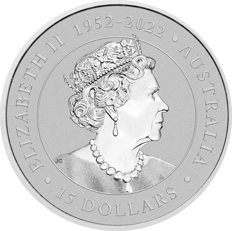
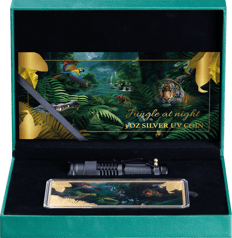
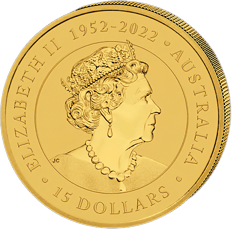
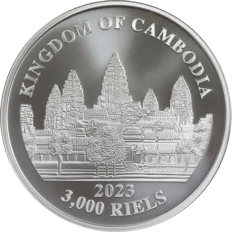
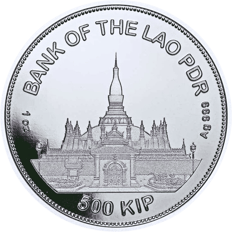
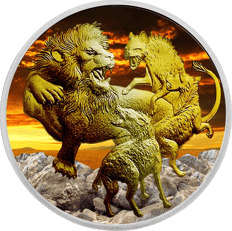
1 oz Silver Bearded Monkey India Wildlife 2023 (Mintage: 7,500)
£257.82
excl. UK import VAT and shipping
Available in 2–3 business days

 More than 310,000
 Over 30 years
 Secure shipping
 Google: 4.9/5


The jungle ranks among the most species-rich habitats on Earth and provides the inspiration for some of the most expressive design coins in the precious metals sector. From majestic mountain gorillas to elusive tigers and colourful tree dwellers, modern mints transform tropical wildlife into finely crafted silver coins, often coloured, partially gilded or struck in high relief. This guide examines the world of jungle designs, their typical denominations, minting qualities, authenticity features and tax particularities, and outlines what collectors and investors should know before buying.
Animal designs are among the oldest and most enduring themes in coin history. The tropical rainforest holds a particular appeal, as it combines biodiversity, exoticism and a strong emotional connection to nature conservation. Mints around the world take up this theme to appeal to collectors and nature-minded investors alike. The designs range from the mountain gorilla to the Bengal and Sumatran tiger, as well as leopards, monkeys and reptiles of the thicket.
Unlike classic silver bullion coins with a constant design, jungle coins are usually issued as annually changing series or as thematically self-contained editions. This makes them a link between pure investment and collecting passion. Those seeking the full range of animal-themed coinage will find further design worlds, from domestic animals to predators, in the overarching category Land Animals.
Many jungle design coins consist of one troy ounce of fine silver with a fineness of 999 or 9999 and therefore carry a real material value. At the same time, low mintages, colourisation and special finishes create a collector's premium that goes beyond the pure silver value. This dual nature distinguishes them from pure bullion coins and should be consciously taken into account when making a purchase decision.
The choice of motif often follows ecological and cultural narratives. The gorilla, for example, is regarded as a symbol of the endangered rainforests of Central Africa and appears regularly on coins from East African issuing countries. The tiger, in turn, stands for strength and protection in many Asian cultures and is portrayed particularly impressively on coins of Southeast Asian origin.
These animals frequently appear in multi-part sets or as night scenes, in which partially gilded elements highlight moonlight and foliage. Such design accents define the appeal of these coins and visually set them apart from the classic animal designs on Wildlife Canada coins.
A jungle coin tells no story of wealth, but of diversity: each design captures a piece of endangered nature in precious metal.

Jungle design coins are issued in various weights. The one-ounce silver coin is by far the most widespread format, as it offers a balanced ratio of material value, design area and price. For elaborately designed collector editions, larger formats are increasingly being used.
Anyone generally interested in the variety of silver formats will find the entire range in the silver coins category. For comparison with standardised bar formats, it is worth taking a look at silver bars, which, unlike design coins, carry no collector's premium.
The condition grade significantly affects both appearance and price. Brilliant Uncirculated (BU) (also called Mint State) denotes the normal circulation quality, while proof-like and Proof stand for mirrored backgrounds and frosted designs with a special depth effect. Colourisation and partial gilding are mostly used in collector qualities to emphasise the vividness of the animal designs.
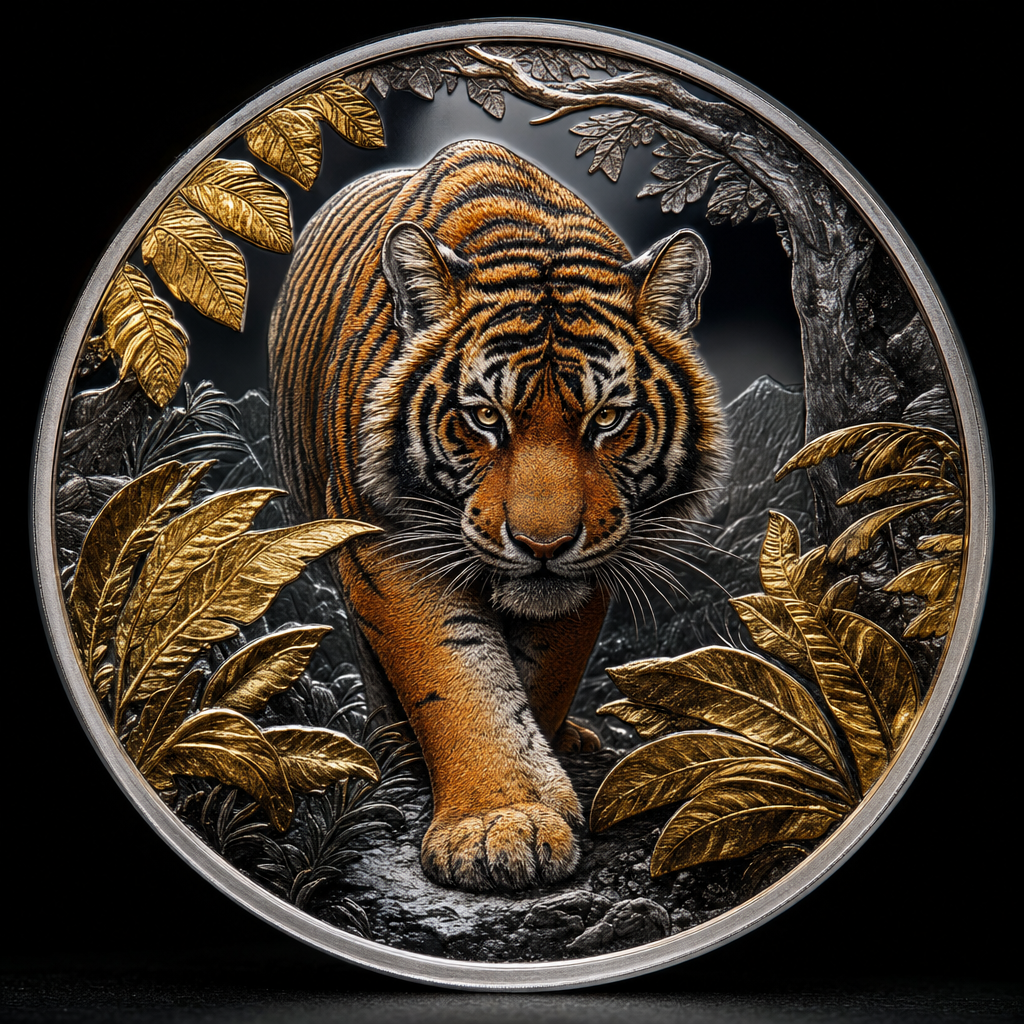
Jungle designs come from mints across the globe. East African states such as Rwanda or Burundi regularly issue gorilla designs, while Southeast Asian countries such as Laos or Cambodia focus on tiger and big cat designs. Australian coins often feature both native and exotic wildlife at the same time.
Behind these issues stand established mints. The Perth Mint of Australia and the German B.H. Mayer rank among the well-known producers of modern design coins. Those wishing to filter specifically by origin will find further mints under various manufacturers. The diversity of issuing countries also explains the varying face values and finenesses within this category.
Many designs appear as part of ongoing wildlife series or as self-contained themed sets. Such editions increase collector appeal, as complete year sequences are in demand. Related design worlds can be found, for example, among the African lion coins or in the African Safari series.
For collector coins with low mintages, authenticity verification is particularly important. Reputable dealers such as Kettner Edelmetalle rely on ISO-compliant authenticity verification, so that every coin is inspected before shipping. A few simple features can help with self-checks.
For safe storage and to protect delicate colourisation, suitable coin capsules or a coin case for entire series are recommended.
Unlike investment gold, silver coins in Germany are generally subject to VAT. For imported collector coins, the margin scheme is frequently applied, under which only the dealer's margin is taxed. The final price of a jungle design coin is made up of the silver value, the minting premium and a collector's premium for mintage and finish.
Tax note
Silver coins are subject to VAT in Germany, while investment gold coins are exempt from VAT under § 25c UStG. This is not tax advice: the specific treatment depends on the individual case.
Anyone wishing to minimise the collector's premium and invest as close as possible to the material value should consider classic Maple Leaf silver coins or other bullion coins. Jungle designs, by contrast, are sought mainly for their symbolic and artistic value.
Coloured and partially gilded coins react more sensitively to environmental influences than plain bullion coins. Silver also tends towards tarnishing oxidation, which appears as dark patina. Dry, light-protected storage in the original capsule is therefore essential to preserve colour and shine in the long term.
For larger holdings, a secure storage location is additionally recommended; corresponding accessories, from coin tubes to safe boxes, round off proper storage.
Jungle coins feature changing animal designs from the rainforest, often coloured or partially gilded and issued in low mintages. This gives them, in addition to the silver value, a pronounced collector's value, while classic bullion coins such as the Maple Leaf are traded as close as possible to the material value.
The most widespread is the 1 oz silver coin. There are also smaller formats such as 1/10 oz, as well as larger collector editions in 2 oz and 3 oz, which offer more design area for detailed scenes and special finishes.
Yes, silver coins are generally subject to VAT in Germany. For many imported collector coins, the margin scheme is applied. Investment gold coins, by contrast, are exempt from VAT. Tax advice is recommended for individual cases.
Coloured and partially gilded coins should be stored dry, protected from light and in the original capsule. The design surface must not be touched or cleaned, as the colour application is sensitive. Coin capsules and cases also protect against scratches and tarnishing.
Important indicators are the exact weight, the dimensions, razor-sharp minting details and a negative magnet test, since silver is not magnetic. For limited editions, a case, capsule and numbered certificate are included. Reputable dealers additionally verify every coin to ISO standards.
Gorilla designs often come from East African states such as Rwanda or Burundi, tiger and big cat designs from Southeast Asian countries such as Laos or Cambodia. Australian mints also regularly issue wildlife designs.
 Land AnimalsJungle
Stay informed with product launches, financial news and exclusive offers. Sign up for our free newsletter today.
By entering your email address and clicking the "Submit" button, you give the following consent: "I agree to be informed by email about new products, financial news and exclusive offers, and therefore consent to the processing of my email address for the purpose of sending the newsletter. I can revoke this consent at any time without giving reasons, with effect for the future. The lawfulness of processing carried out prior to revocation remains unaffected."