Only 6 left to order
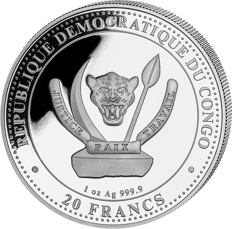
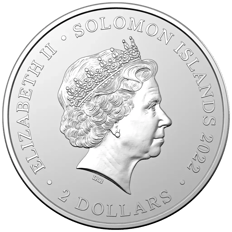
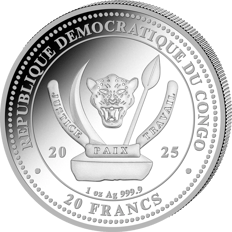
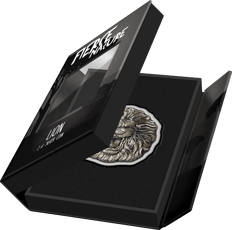
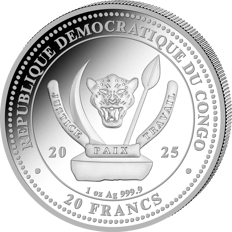
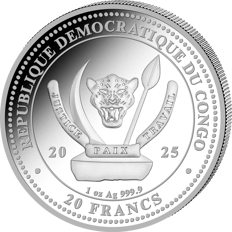
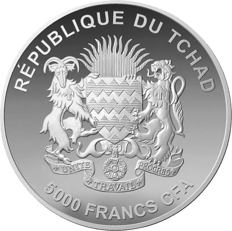
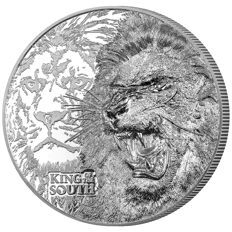
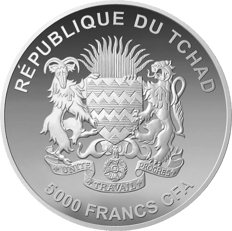
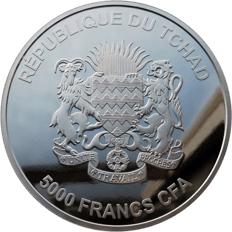
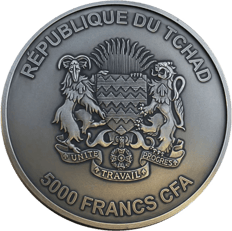
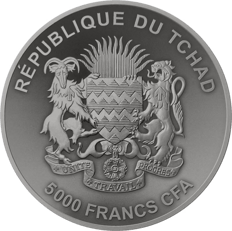
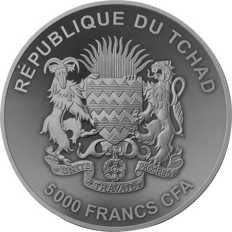
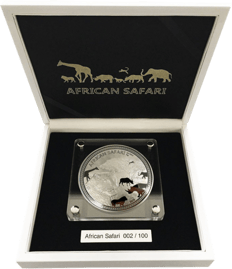
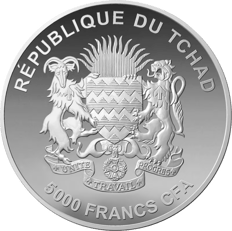
1 oz Silver Lion 2026 (Mintage: 500 | Prism | Proof)
£151.31
excl. UK import VAT and shipping
Available in 2–3 business days

 More than 310,000
 Over 30 years
 Secure shipping
 Google: 4.9/5


Hardly any animal embodies the strength and dignity of the African continent as impressively as the lion. As king of the savannah, it has always been a symbol of strength, courage and freedom, and it is exactly this fascination that modern silver coins featuring the lion design capture. Whether as an impressive member of the famous Big Five from South Africa or as a standalone collector's design: the African lion is one of the most popular animal designs on investment and collector's silver. This guide sheds light on the origin, minting, denominations, authenticity, tax treatment and the proper storage of these special coins.
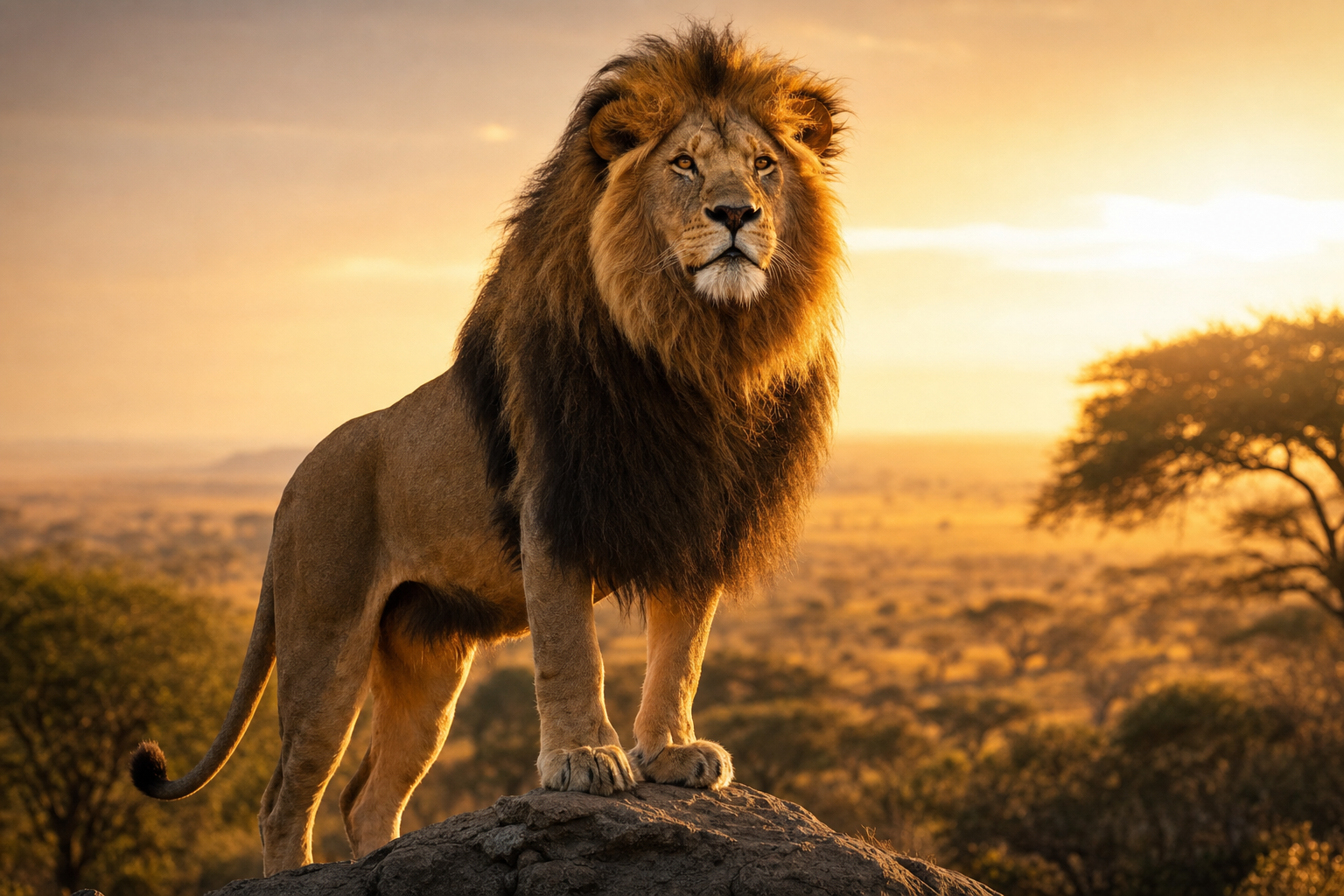
The silver coin featuring the African lion combines two worlds: the investment-oriented character of a classic silver coin and the emotional appeal of one of the most impressive wild animals on Earth. Lions are deeply rooted in African culture and stand for sovereignty and protection. This symbolic power makes the design just as attractive to collectors as it is to investors, who value a touch of artistic quality alongside the pure material worth.
The best-known representative of this design comes from the Big Five series, which is dedicated to the five large African animals traditionally regarded as particularly impressive: elephant, rhinoceros, buffalo, leopard and, of course, the lion. Anyone interested in related designs will find suitable editions in the Big Five Silver category, while thematically related African series are gathered in the African Safari collection.
Since 2019, the South African Mint has been minting the Big Five series, dedicating a design to one of Africa's great animals each year. The lion has appeared several times in different series, for instance in both the first and second editions of the series. The coins are produced at the official South African mint, which is also responsible for the world-famous Krugerrand and therefore boasts a long tradition in precious metal minting.
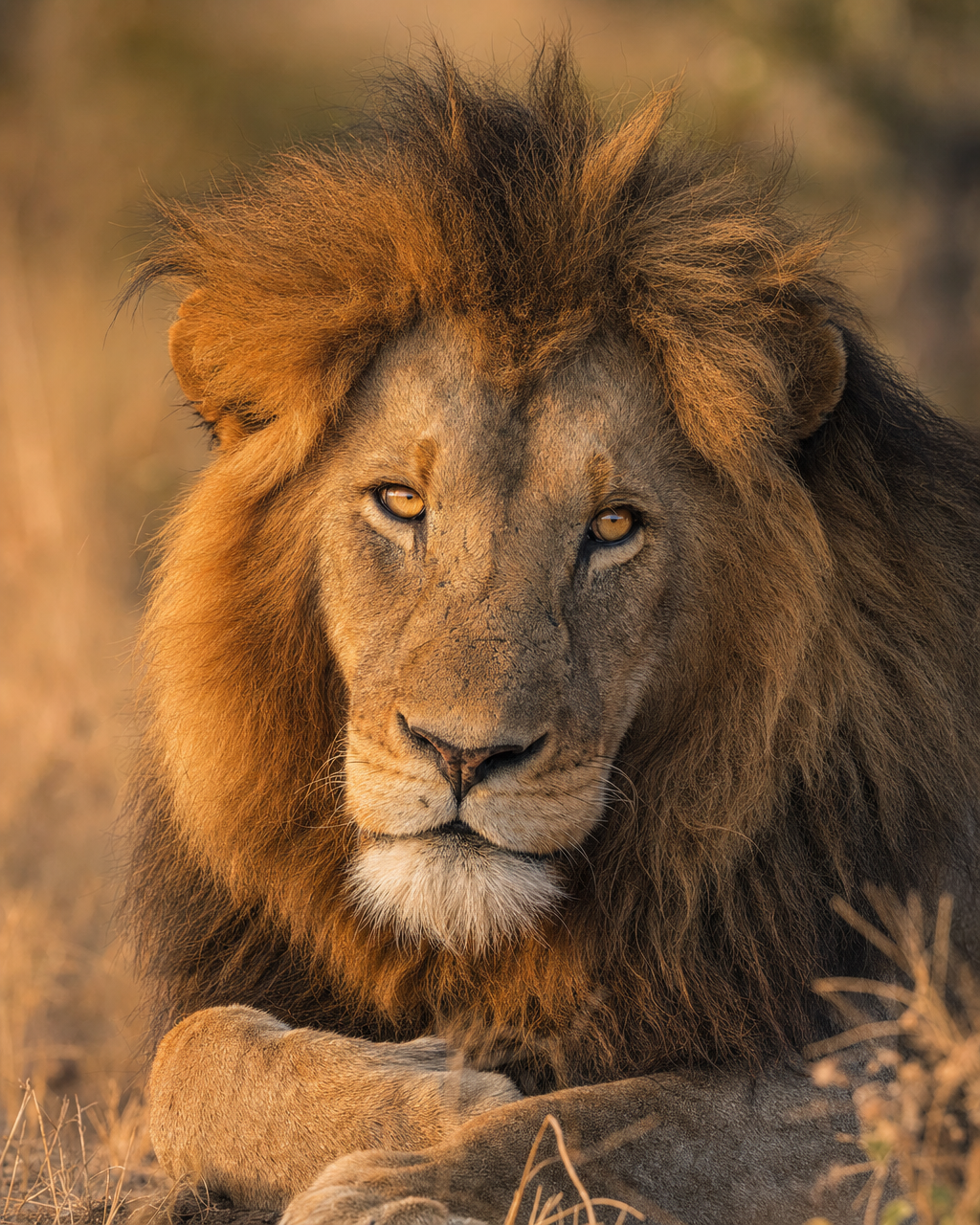
The design deliberately focuses on closeness and richness of detail: instead of a distant depiction of the animal, the lion fills the frame and often looks directly at the viewer. A distinctive design feature of the series is also that many editions show two animals side by side, for example an adult animal together with its offspring. The value side traditionally bears the South African coat of arms. This modern, almost photographic visual style quickly earned the series a large following and set it apart from classic crest or portrait coins.
The lion is not merely depicted, it meets the viewer eye to eye. Therein lies the special appeal of this design.
Silver coins featuring the African lion are available in several weight classes and minting qualities. The most widespread is the classic 1-ounce edition made of fine silver, which has established itself as an entry-level size for collectors and investors. For enthusiasts of particularly impressive pieces, there are also large-format editions.
The minting quality significantly influences both the appearance and the collector's value. Common qualities are Mint State (MS) (bullion) for investment-oriented editions, as well as more elaborate qualities such as Proof or Antique Finish for limited collector's items. Anyone looking for particularly enhanced variants will also find them in the Partially Gilded Silver Coins category.
Besides the lion, other African animal designs also enjoy great popularity. Collectors like to combine the lion coin with the Somalia Elephant or the African Springbok to build a thematically cohesive ensemble. The follow-up series African Safari II also continues this theme.
As with all sought-after silver coins, authenticity plays a central role. Official editions from the South African Mint feature precisely struck details, clearly defined edges and an exact weight that can easily be checked. Typical verification steps include:
Kettner Edelmetalle relies on an ISO-compliant authenticity verification process, so every coin is inspected before shipping. Anyone wishing to check their own holdings will find suitable accessories in the Collector's Accessories category.
Unlike investment gold, which is exempt from VAT in Germany, silver coins are generally subject to VAT. For investment silver coins from third countries, the margin scheme often applies, under which only the trading margin is taxed, which can lower the final price compared to standard taxation.
Tax Note
In Germany, a one-year holding period applies to precious metals held privately: if a silver coin is held for longer than twelve months, any capital gain on its sale is tax-free. This information does not replace professional tax advice.
Anyone planning to build up a broader holding will find further suitable editions, well suited for continuous wealth building, in the Silver Bullion Coins category.
Silver reacts more sensitively to environmental influences than gold and can tarnish if stored unfavourably. To preserve the visual condition, and therefore the collector's value, of the lion coin, dry, airtight storage is recommended. The following have proven effective:
Suitable accessories can be found in the Coin Capsules and Coin Cassettes categories. For secure storage at home, canister safes are also recommended.
The lion coin serves two different interests at once. As an investment object, it convinces through its pure silver content and worldwide tradability, which is favoured by the renowned mint. As a collector's object, it scores points with limited mintages, changing years of issue and elaborate special editions.
Over the years, many collectors build up a complete Big Five series and supplement it with related animal designs. Anyone wishing to broaden their scope will find thematically fitting additions from other regions of the world with the Wildlife Series from Canada or the Canadian Predators. Within the South African range, it is also worth taking a look at the Silver African Range.
The classic edition is made of 999/1,000 fine silver and weighs one ounce (31.1 grams) in its most common variant. There are also large-format editions of up to one kilogram.
The well-known lion designs of the Big Five series are minted by the South African Mint, the same mint that also produces the Krugerrand.
Yes. The Big Five comprise the elephant, rhinoceros, buffalo, leopard and lion. The South African Mint dedicates its own coin design to each of these animals.
Meaningful methods include checking the weight and diameter, the magnet test, the sound test, and comparing the minting details with reference images. At Kettner Edelmetalle, every coin undergoes an ISO-compliant authenticity verification before shipping.
In Germany, silver coins are subject to VAT, often in the form of the margin scheme. After a holding period of more than twelve months, a private capital gain on sale is tax-free. This does not constitute tax advice.
A dry, airtight storage in coin capsules or coin cassettes is recommended to prevent the silver from tarnishing. For larger holdings, a safe or a bank safe deposit box is suitable.
 More Silver CoinsAfrican Lion
Stay informed with product launches, financial news and exclusive offers. Sign up for our free newsletter today.
By entering your email address and clicking the "Submit" button, you give the following consent: "I agree to be informed by email about new products, financial news and exclusive offers, and therefore consent to the processing of my email address for the purpose of sending the newsletter. I can revoke this consent at any time without giving reasons, with effect for the future. The lawfulness of processing carried out prior to revocation remains unaffected."