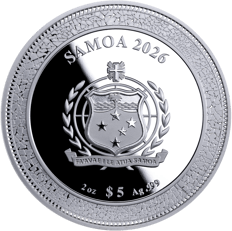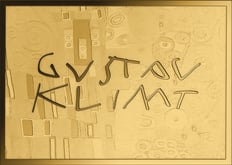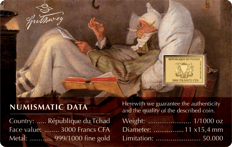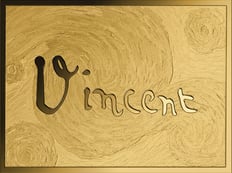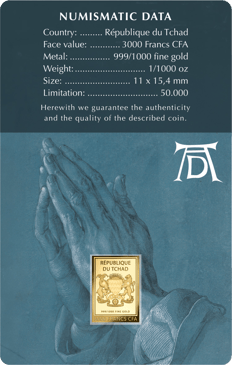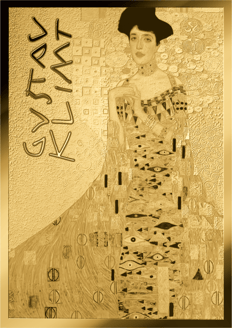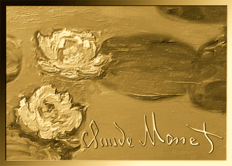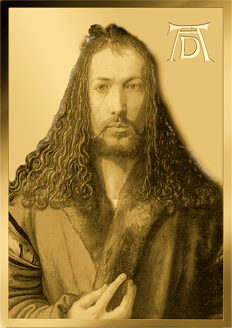
Gold Vincent van Gogh The Starry Night Coin
£29.26
VAT-free and excl. shipping
Available in 2–3 business days

 More than 310,000
 Over 30 years
 Secure shipping
 Google: 4.9/5


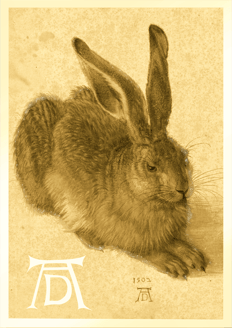
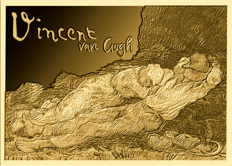
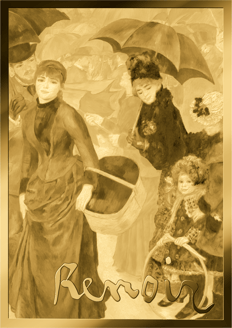
Fine art is among the most expressive design worlds in modern numismatics. On gold and silver coins, world-famous paintings by Gustav Klimt, Vincent van Gogh, Claude Monet or Leonardo da Vinci find a new, three-dimensional stage. This guide explores how painterly masterpieces are transferred onto precious metal, which minting techniques are used, how collector's items differ from investment products, and what to look out for when buying art coins.
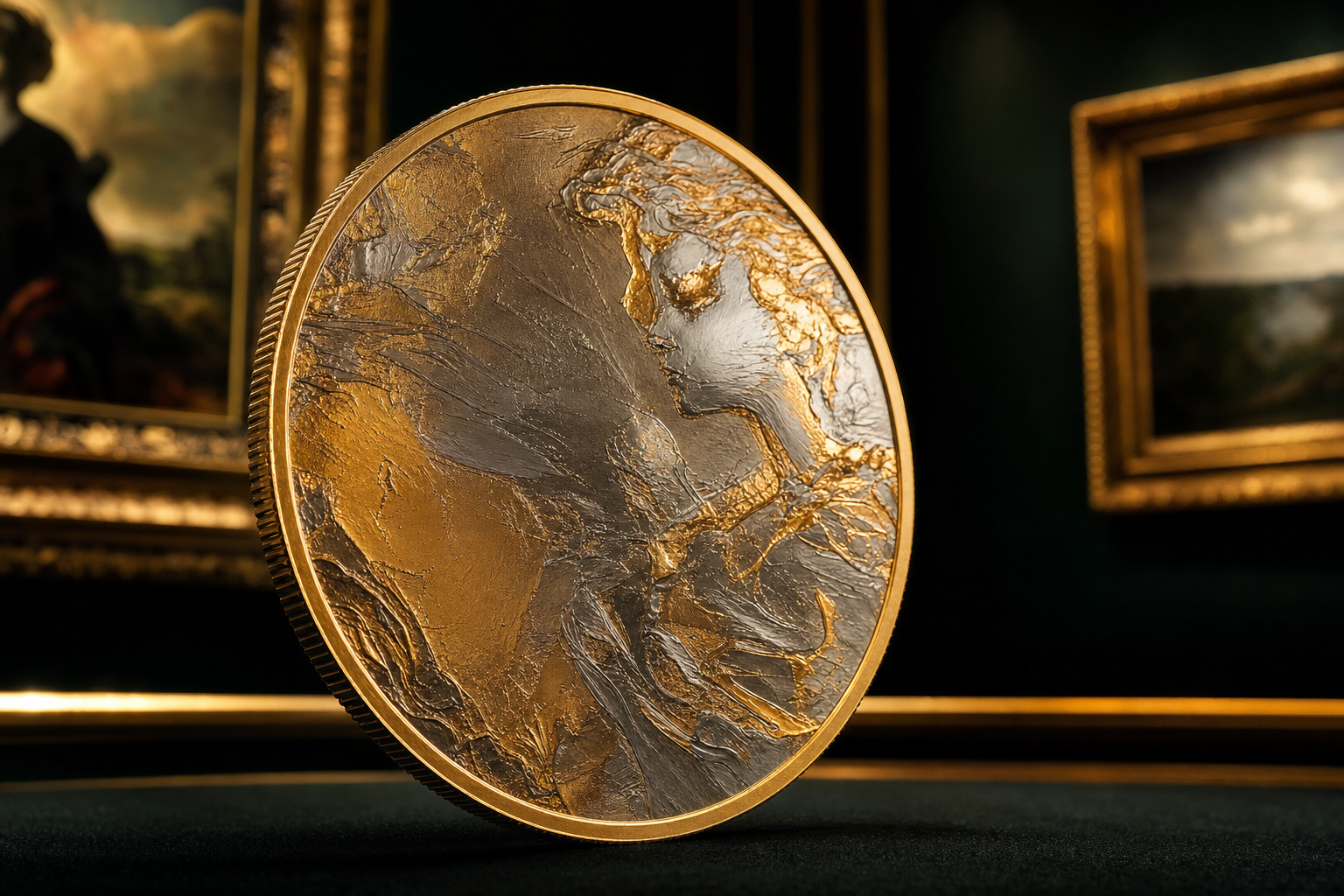
Coins from the field of fine art combine two collecting disciplines: classic numismatics and art history. Unlike pure bullion coins such as the Krugerrand or the Maple Leaf, the focus here is not on fineness and tradability but on the design as an independent work of art. Mints transfer iconic paintings and sculptures onto round metal surfaces, creating small, tangible reproductions of great masterpieces.
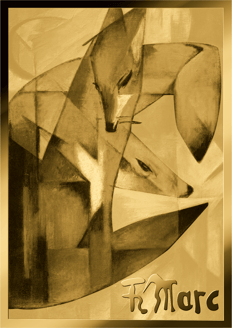
The spectrum ranges from the Renaissance and Baroque through Impressionism to classic Modernism. Frequently featured works include Klimt's The Kiss and the portrait of Adele Bloch-Bauer, van Gogh's The Starry Night and Sunflowers, Vermeer's interiors or Da Vinci's portrait painting. These painting coins appeal to art enthusiasts and numismatists alike and make a fitting representative collector's item as well as a gift idea for special occasions.
The motifs are not limited to painting alone. Architecture also finds its place, for instance with works by Antoni Gaudí, as do religious subjects such as The Last Supper or art-historically significant sculptures. The category thus covers a broad field of visual cultural history that is closely related to the neighbouring topics of literature and classical music.
Transferring a painting onto a coin poses particular challenges for mints. Colour, surface and brushstroke must be translated into relief, surface texture and, in some cases, colour printing. Accordingly, the minting qualities and finishes employed are highly varied and largely determine the visual character of an art coin.
Proof quality (also known as PP) is considered the highest minting quality. The mirror-like background contrasts with the frosted design elements, making the motifs stand out in relief. Related qualities include mirror finish and Prooflike, which produce a similarly reflective background. Mint State (MS, BU, Brilliant Uncirculated), on the other hand, denotes a condition fresh from striking without the elaborate polishing of the dies.
To reproduce the colourfulness of a painting, colour applications are used that depict the original in faithful detail. In other issues, the design is accentuated through partial gilding on a silver coin. Sculptures and three-dimensional motifs benefit from the high-relief technique, in which the image rises distinctly above the coin's surface. Anyone wishing to permanently protect such sensitive surfaces will find suitable coin capsules for safe storage.
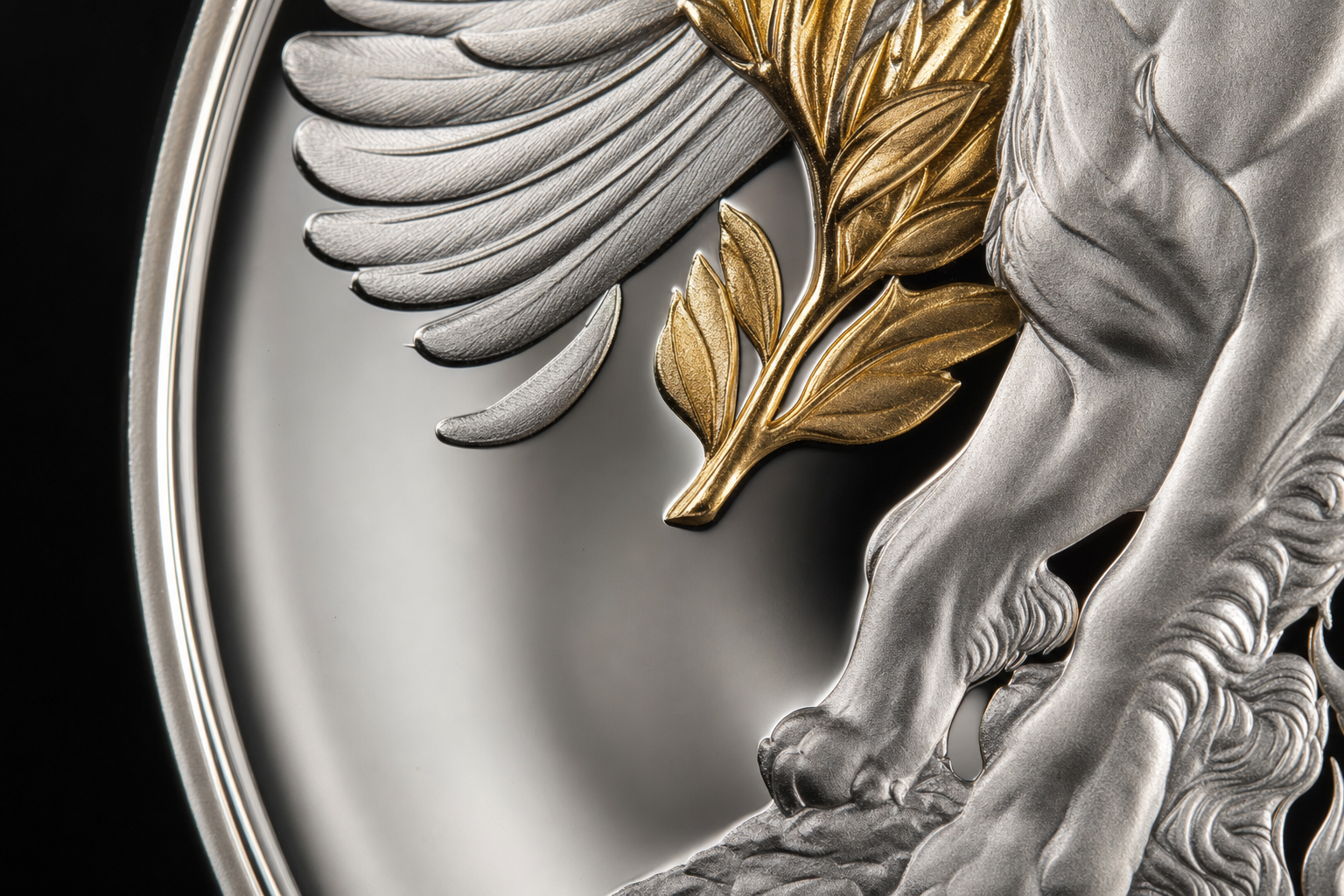
Art coins are issued in gold, silver and other precious metals, with the choice of metal influencing price, appearance and collector appeal. Silver offers a large surface for detailed motifs at comparatively moderate prices and is therefore particularly popular for large-format painting coins. Gold, on the other hand, emphasises the value character and is suitable for smaller, high-quality issues.
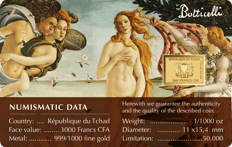
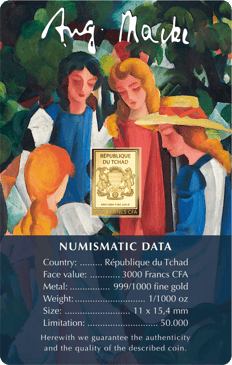
The range extends from delicate micro-formats such as 1/200 oz or 1/1,000 oz gold to substantial silver issues of 2 oz, 5 oz or several kilograms. Small gold coins are already available for double-digit amounts, making them an accessible entry point. Anyone interested in classic investment formats will find complementary options in the 1 oz gold bar category or among the silver coins.
Large-format silver coins in the range of one or more kilograms are aimed at ambitious collectors who value an impressive presentation. Such pieces are often supplied in coin cassettes or wooden boxes and form the centrepiece of a themed collection.
Good to know
In Germany, investment gold is exempt from VAT under § 25c UStG, provided the statutory criteria are met. This exemption applies to many art-themed gold coins, while silver coins are usually subject to margin scheme taxation. The precise tax classification depends on the individual product.
A key feature of art coins is the mintage. It ranges from strictly limited editions of just 100 or 199 pieces to larger mintages of 50,000 units. As a general rule, the smaller the mintage, the more exclusive the piece, an aspect that can help shape collector value over the long term, although no statement about future performance may be derived from it.
In addition to the sheer number of pieces, condition, the completeness of case and certificate, and the fame of the depicted work all play a role. A motif such as Klimt's The Kiss or van Gogh's The Starry Night enjoys high recognition and is accordingly in demand among collectors. Anyone specifically seeking limited issues will also find what they are looking for in the collector's coins and limited editions categories.
An art coin combines the material value of the precious metal with the intangible value of a cultural asset: it is a coin, a miniature and a collector's item all at once.
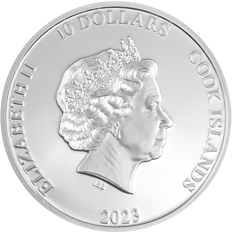
Art coins are produced by established mints and manufacturers, including the Monnaie de Paris, the minting house B.H. Mayer and the United States Mint. They are often issued by countries such as the Republic of Chad, Gabon, Liberia, Niue or the Cook Islands, which act as issuers for international collector series.
Authenticity verification includes checking the weight, diameter and fineness as well as comparing the coin with the enclosed certificate and the documented mintage. At Kettner Edelmetalle, products undergo an ISO-compliant authenticity verification before being shipped with insurance. Buyers should check the following points when purchasing an art coin:
Art coins are acquired for a variety of reasons. For many, the aesthetic and cultural appeal is paramount: a themed collection devoted to an artist or an era tells art history in miniature. Others appreciate the combination of precious metal value and design, or choose a single piece as a high-quality gift.
For storage, it is advisable to protect the surface from fingerprints, moisture and scratches. Sensitive minting qualities such as Proof react especially sensitively to touch. In addition to capsules, suitable options include coin pouches as well as high-quality coin cases for more extensive collections. Anyone wishing to expand their collecting field will find compatible motifs in related topic areas such as personalities or history.
With art coins, the design is the main focus, usually a famous painting, a sculpture or an architectural work. Classic bullion coins such as the Krugerrand or Maple Leaf, on the other hand, are purchased primarily for their precious metal value and worldwide tradability. Art coins are often issued in limited mintages and elaborate minting qualities.
Gold and silver coins are the most common. Silver offers a larger surface for detailed painting motifs, while gold emphasises the value character. Formats range from tiny issues such as 1/200 oz gold to large silver coins weighing several kilograms.
Proof quality (PP) is the highest minting quality. It is characterised by a mirror-like background and frosted design elements, which make motifs appear especially three-dimensional. Such coins should only be handled by the edges and ideally with gloves.
As a general rule, a small mintage is regarded as a feature of exclusivity. In addition to the number of pieces, condition, complete accessories such as case and certificate, and the fame of the depicted work influence demand among collectors. However, no specific statements about returns can be derived from this.
In Germany, investment gold is exempt from VAT under § 25c UStG under certain conditions, which applies to many gold coins. Silver coins, on the other hand, are usually subject to margin scheme taxation. The exact classification depends on the product and is stated in the respective item description.
It is advisable to store coins in coin capsules, cases or coin boxes to protect the surface from scratches, moisture and fingerprints. Proof issues are particularly sensitive. The original packaging should be kept together with the certificate, as it helps determine the collector value.
 Art and CultureFine Art
Stay informed with product launches, financial news and exclusive offers. Sign up for our free newsletter today.
By entering your email address and clicking the "Submit" button, you give the following consent: "I agree to be informed by email about new products, financial news and exclusive offers, and therefore consent to the processing of my email address for the purpose of sending the newsletter. I can revoke this consent at any time without giving reasons, with effect for the future. The lawfulness of processing carried out prior to revocation remains unaffected."