Only 6 left to order
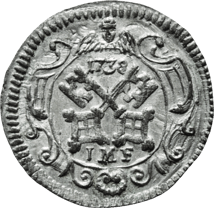
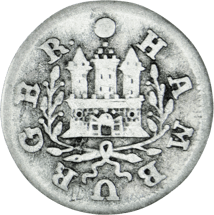
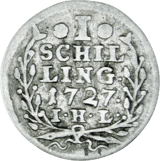
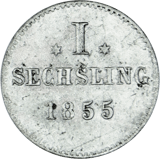
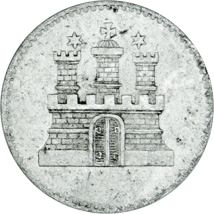
1 Sechsling Free Hanseatic City of Hamburg (1823-1855 | with City Coat of Arms)
£45.80
incl. VAT and plus shipping costs
Available in 2–3 business days

 More than 280,000
 Over 30 years
 Secure shipping
 Google: 4.9/5
Money from before the mark.
Genuine old German silver coins from four centuries.
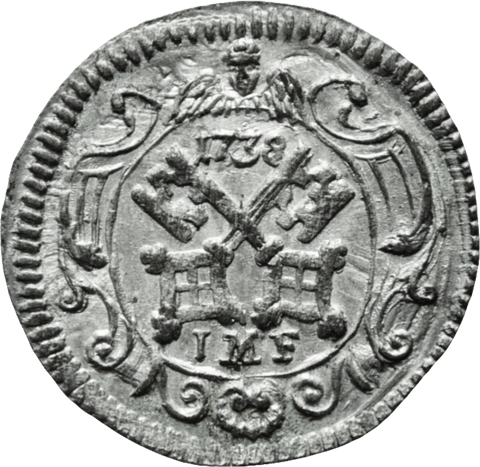


Regensburg
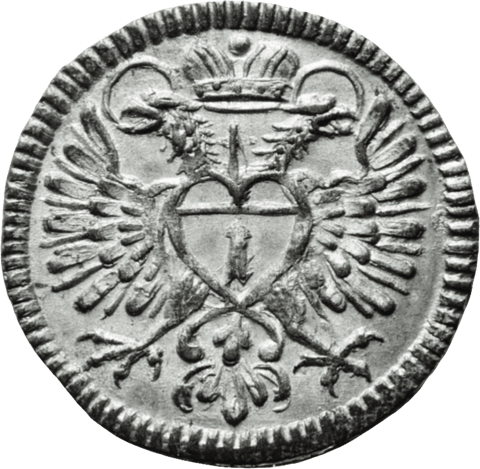
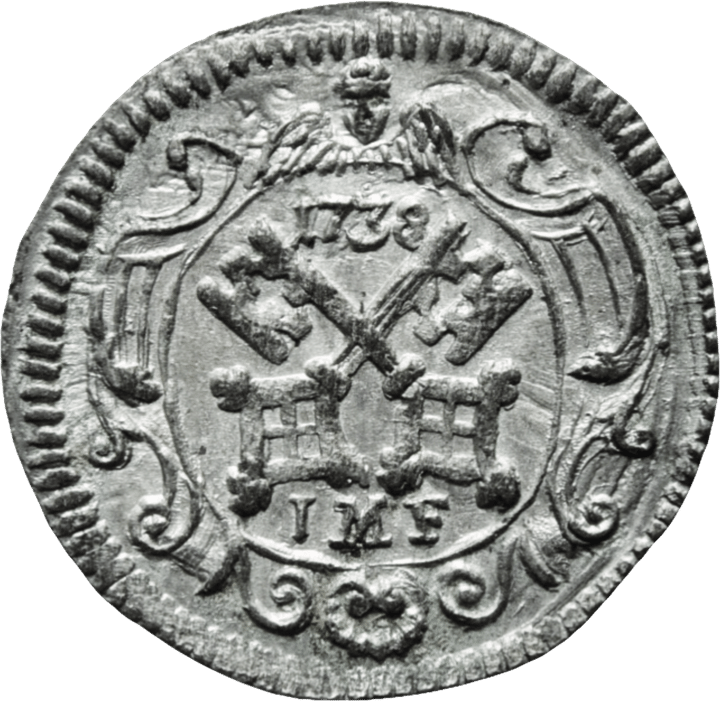
The arms of the Imperial City of Regensburg show two crossed keys. They are the emblem of Saint Peter, patron saint of the cathedral, and have appeared on the city’s coins since 1366.
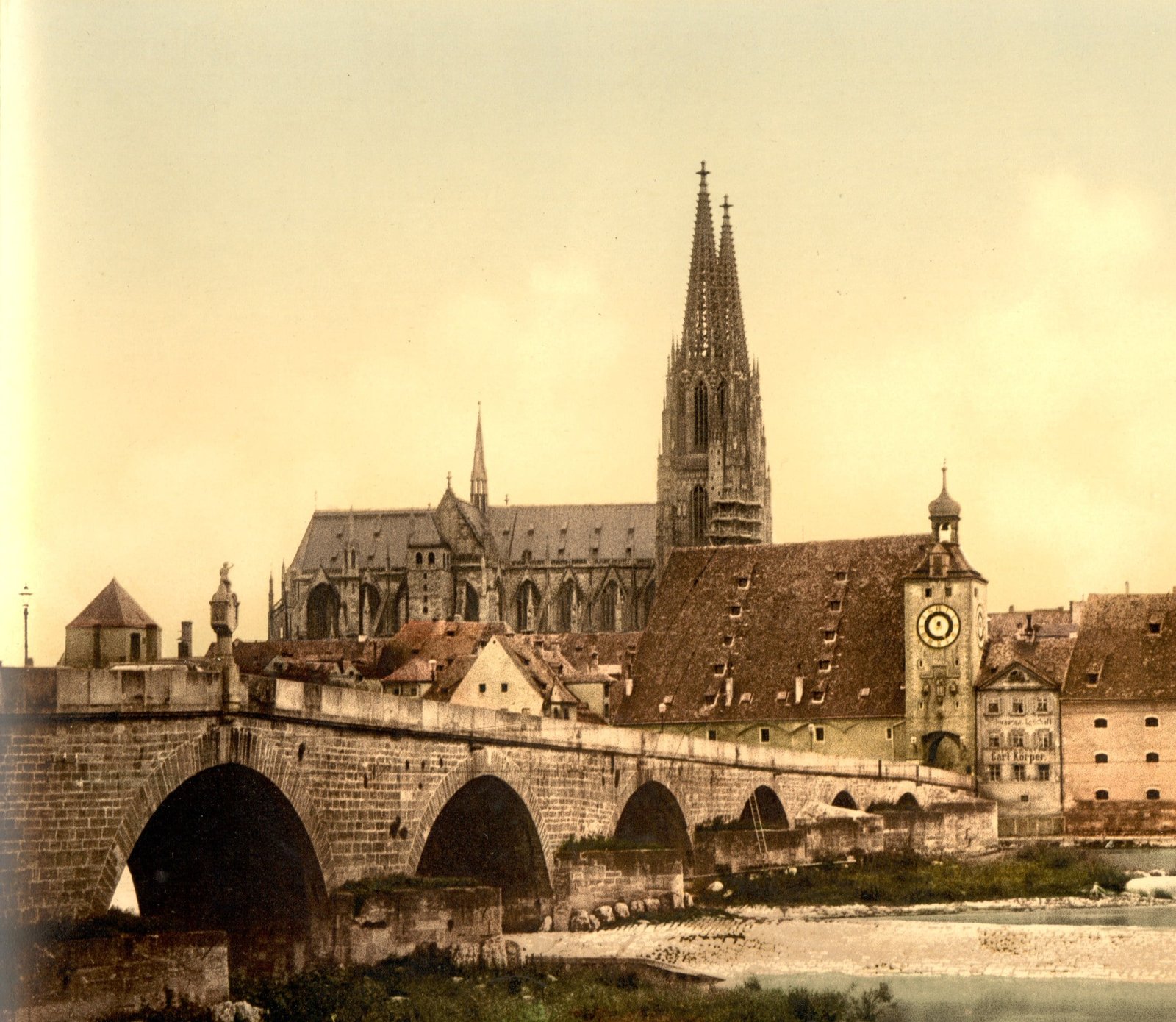
From 1663 to 1806 the Perpetual Diet, the permanent assembly of the envoys of the Imperial Estates, sat in Regensburg. It met in the Old Town Hall, not far from the Stone Bridge.
The kreuzer takes its name from the cross (Kreuz): it was first a coin with a cross in its design, struck in the 13th century in Tyrol. Later, 60 kreuzer made one gulden.
As of 1871
That is how many there still were in 1871 in the 25 federal states of the new German Empire, from ducats, thalers and gulden to groten, hellers and stübers. The old German silver coins here come from three large regions.
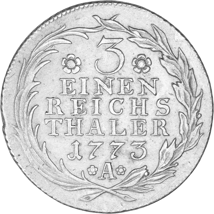
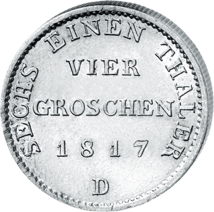
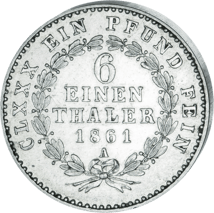
Source: Deutscher Bundestag, Kalenderblatt zum 24. November 1871In Prussia a thaler had 24 groschen; from 1821 it had 30 silbergroschen.
A gulden had 60 kreuzer. A batzen was worth 4 kreuzer, a half batzen 2.
A mark had 16 schilling, a schilling 12 pfennig. The sechsling was half a schilling.
1511 to 1814
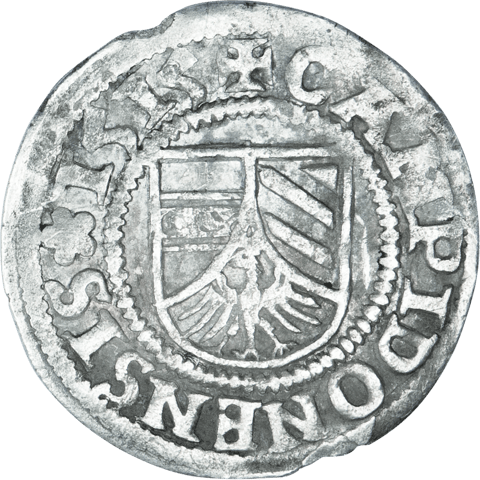
16th century
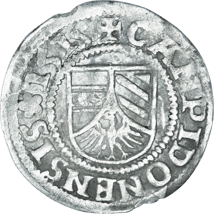
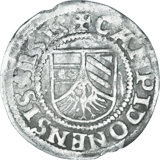
A Kempten half batzen of 1511 in the Landesmuseum Württemberg lay in a hoard that was probably hidden in 1525 and found only in 1929. In 1525 the prince-abbot, hard pressed by rebellious peasants, ceded to the city for 30,000 gulden all the rights the monastery still held within the city’s territory.
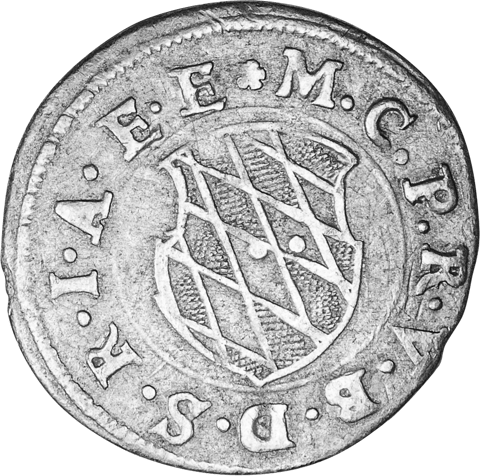
17th century
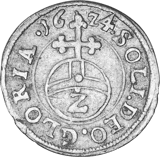
Shortly before came the “Kipper und Wipper” era, according to the Bundesbank the greatest inflation in the history of the Holy Roman Empire. With a balance, the Wippe, people sorted out the good coins. In 1623 and 1624 a return to the old imperial coinage ordinance began.
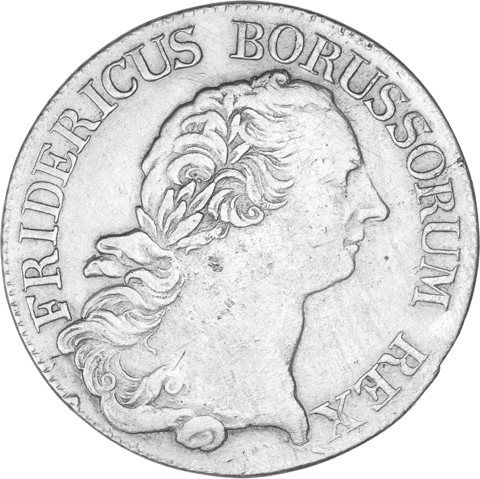
18th century
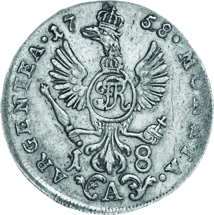
In the Seven Years’ War, Frederick II had millions of debased coins struck in Saxony and Prussia with backdated Saxon dies. After 1763 this war money was withdrawn and devalued by up to 60 per cent. From 1764 coins were again struck to the Graumann standard, 14 thalers from one mark of silver.
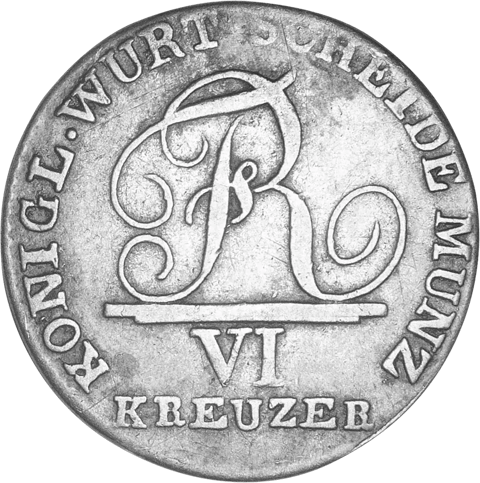
19th century
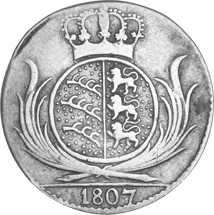
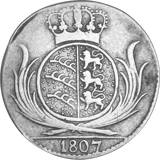
On 1 January 1806 Frederick became King of Württemberg. In July, according to the Neue Deutsche Biographie, he had to join Napoleon’s Confederation of the Rhine “despite strong reluctance”. On his 6‑kreuzer pieces he had KONIGL. WURT. SCHEIDE MUNZ struck: royal Württemberg subsidiary coin.
9 July 1873
The Coinage Act laid down what the old money was worth in the new mark:
The page on the gold coins of the German Empire tells how the thaler and the gulden became the mark.
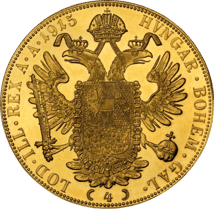
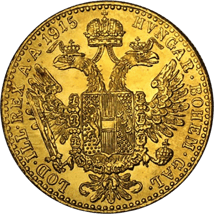
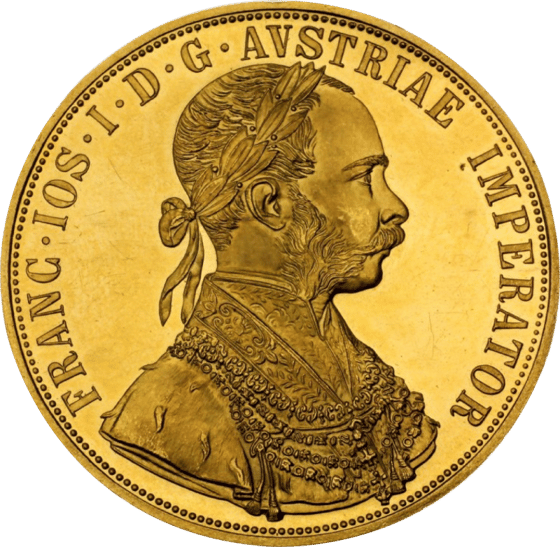
In gold we also offer official restrikes by the Austrian Mint here: 1 and 4 ducats dated 1915, and 4 and 8 florins dated 1892.
Stay informed with product launches, financial news and exclusive offers. Sign up for our free newsletter today.
By entering your email address and clicking the "Submit" button, you give the following consent: "I agree to be informed by email about new products, financial news and exclusive offers, and therefore consent to the processing of my email address for the purpose of sending the newsletter. I can revoke this consent at any time without giving reasons, with effect for the future. The lawfulness of processing carried out prior to revocation remains unaffected."