Only 1 left to order
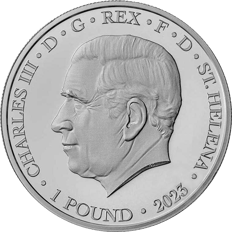
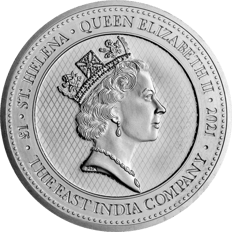
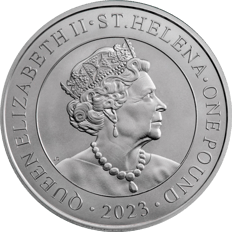
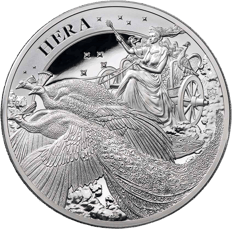
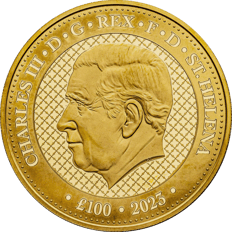
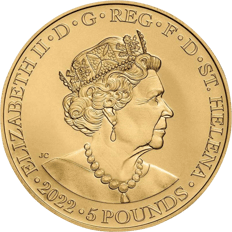
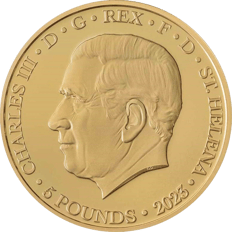
1 oz Gold Eos and the Horses 2023 (Mintage: 500)
£3,130.40
VAT-free and excl. shipping
Available in 2–3 business days

 More than 310,000
 Over 30 years
 Secure shipping
 Google: 4.9/5


The East India Company, also known as the British East India Company, was one of the most influential and powerful trading companies in history. It played a central role in the development of British imperialism in India and other parts of Asia. The British East India Company was dissolved in 1874 and then taken over again in 2003 by Sanjiv Mehta from India. Since then, the East India Company is no longer listed as a member of the LBMA and Good Delivery.


Authenticity
Every piece bears this name. Before it goes out to you, we check it ourselves.
Every bar shows its maker, weight and fineness. Most bars also carry a serial number and come with a certificate from their maker.
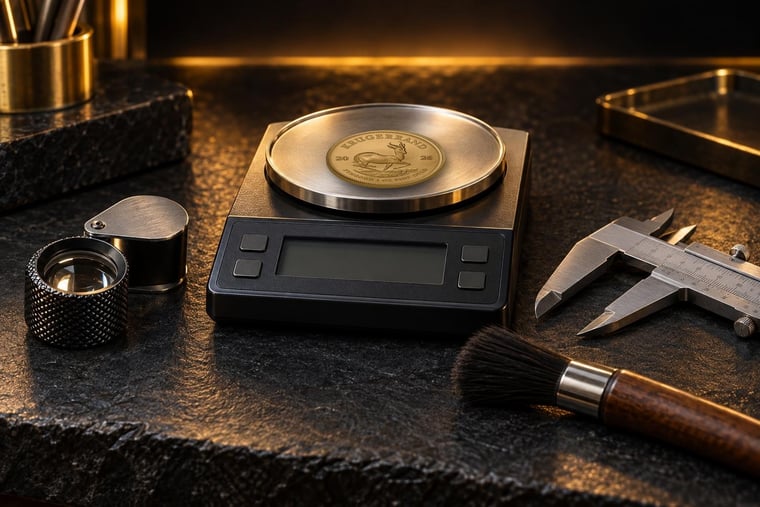
In our CCTV-monitored high-security area, two specialists check every order following the four-eyes principle, including its weight and, by X-ray, its authenticity.
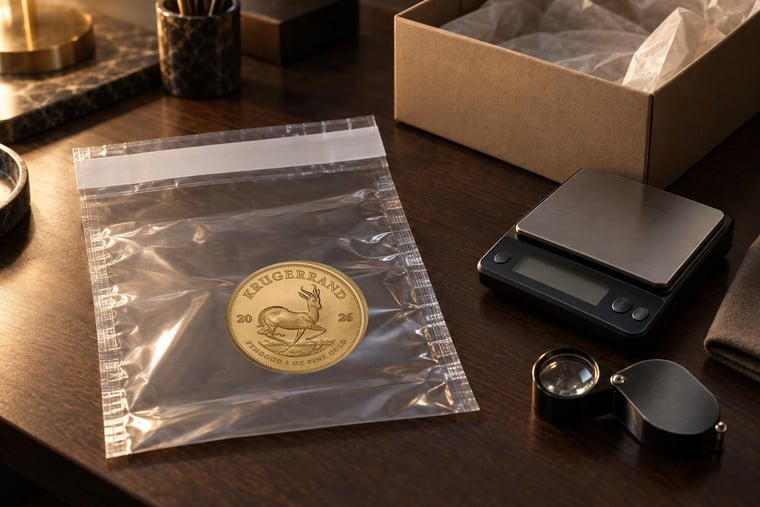
We then seal your order in a security bag that can only be opened once. You will be the first to open it.
Our testing methods
The house
Sources: manufacturer’s details, as of 14 November 2026
Hardly any name in economic history combines power, adventure and precious metal as closely as The East India Company. What began in 1600 as a trading company of London merchants grew into a quasi-state colossus that dominated trade between Europe and Asia for centuries and even maintained its own army. Today this name lives on in a range of modern bullion and collector coins issued for the remote Atlantic island of St Helena. This guide looks at the company's history, its historic coinage, today's coin series, as well as authenticity, taxation and storage.
The East India Company, often also called the British East India Company or known in German as the Ostindien-Kompanie, received its first royal charter on 31 December 1600 from Queen Elizabeth I. Its goal was a monopoly on trade with the Indian subcontinent and Southeast Asia, from spices and tea to textiles and precious metals. Trading posts were established in the merchant cities of Bombay (now Mumbai), Madras (now Chennai) and Calcutta (now Kolkata).
Over time, the company acquired far more than mere trading privileges. It administered entire regions, levied taxes and waged wars: a private enterprise that effectively acted as a sovereign power. At the height of its influence, the Company was credited with a substantial share of world trade at the time. History has rarely seen a comparable concentration of economic and military power in private hands.
A joint-stock company of London merchants that administered a global empire, and maintained its own army to safeguard its business interests.
From 1773, the company was subject to parliamentary oversight. Its decline accelerated after the Indian Rebellion of 1857, the so-called Sepoy Mutiny. As a result, the British Crown assumed direct rule, and the company's coinage and governmental duties came to an end in 1858. In 1876, Queen Victoria was proclaimed Empress of India. Those interested in the colonial-historical roots of British coin craftsmanship will find thematically related issues in the British history range and in the historic coins of Asia section.
Over the course of two centuries, the Company minted a bewildering variety of gold, silver and copper coins. To secure local acceptance, early issues even imitated the coinage of the Mughal emperors. It was not until the British Coinage Act of 1835 that a uniform currency system was introduced for the whole of India.
The highest denomination was the gold mohur, with a face value of 15 rupees. Originally created in the Mughal Empire, the company adopted its design and minting for its own use. Under King William IV (reigned 1830 to 1837), the portrait of a British monarch appeared on Indian coins for the first time; the reverse often bore the Company's coat of arms. Owing to their rarity, these early mohurs are highly sought after today among collectors of historic gold coinage, comparable to the classic Sovereign gold coins of the British Empire.
The silver rupee, weighing one tola (around 11.66 grams), became the standard coin. Small change consisted of copper pice and annas, and in South India of the so-called cash. The 1808 Madras cash coins achieved particular fame: loaded by the ton, they sank with the ship Admiral Gardner off the English coast in 1809, and were only recovered from the seabed as a treasure find in the 1980s.
In the mid-2000s, the entrepreneur Sanjiv Mehta acquired the brand rights and revived The East India Company as a precious metals brand. Today's coins are issued for St Helena (officially Saint Helena), that remote British island in the South Atlantic which went down in history as Napoleon's final place of exile and which had already served as a Company outpost at the time. The issues are minted by renowned mints in mintages ranging from highly limited gold rarities to larger silver series. Those wishing to keep an overview of the entire brand range will find all other manufacturers in the coin manufacturers overview.
These series are issued in various denominations and metals. Those who prefer animal designs will find thematically matching counterparts, for example among the Wildlife silver coins from Canada or in the predators theme section.
Modern issues cover a broad spectrum, from handy collector's pieces to heavy bullion bars. Typical weights are:
The 1 oz is regarded as the most popular size because it ideally combines material value and tradability, similar to the classic investment staples in the gold coins and silver coins range. Smaller denominations are suitable for gradually building up a holding, while larger units reduce the percentage premium per gram. Those wishing to buy regularly will find suitable entry formats in the savings plan products section.
Modern East India Company coins are struck to high fineness levels: gold usually as 999.9/1,000 fine gold, silver as 999/1,000 fine silver. High-quality issues are often accompanied by a certificate of authenticity (COA) and a numbered mintage, which makes traceability easier.
When buying, it is worth checking several features: correct weight and diameter, clean minted edges, sharp design details as well as undamaged capsule and case. Kettner Edelmetalle uses an ISO-compliant authenticity verification, so that every coin is checked before shipping. Those acquiring historic pieces should also pay attention to provenance records, as forgeries and later restrikes of old mohurs and rupees are not uncommon. Suitable material for safe storage can be found in the coin capsules section.
For investors, the tax framework is decisive. Investment gold is exempt from VAT in Germany under the regulations on investment gold, while silver coins are generally subject to the margin scheme.
Tax Note
Investment gold is exempt from VAT in Germany. Different rules apply to silver, platinum and collector coins. After a holding period of more than one year, a private capital gain is tax-free under current law. This information is general in nature and does not replace professional tax advice.
When it comes to storage: precious metal should be kept dry, protected from light and from direct touch, ideally in a capsule and case. For larger holdings, a tin safe or a bank safe deposit box is advisable. Those wishing to organise several pieces can turn to suitable coin cases. This way, the minted lustre and collector's value are preserved for years.
The company's historical significance reaches deep into the beginnings of organised gold trading. As early as the 17th century, East India Company ships transported gold; in 1697, Brazilian gold reached London for the first time, where it was held at the Bank of England. These early trade routes are regarded as the roots of the later London precious metals market, from which the London Bullion Market Association (LBMA) emerged.
The brand's modern coins are primarily aimed at collectors and investors who value design and mintage, rather than at pure wholesale trading in standard bars. Those who view precious metal mainly as wealth protection will find classic alternatives closely tied to the spot price in the bullion coins section and among gold bars. Comparable state mints such as the South African Mint or The British Royal Mint round out the picture of internationally recognised coin manufacturers.
The historic company lost its governmental duties when the British Crown took over in 1858 and was formally dissolved in 1874. The brand name was acquired by Sanjiv Mehta in the mid-2000s and continues today as a provider of precious metal coins issued for St Helena. However, today's brand has only the name in common with the former trading and colonial power.
The modern issues are issued for the British island of St Helena in the South Atlantic and are struck by renowned mints. St Helena was already an important outpost on the sea route to India at the time of the historic Company.
The gold mohur was the highest denomination of the historic East India Company, with a face value of 15 rupees. It served as a significant trading coin and is today a sought-after collector's piece, for example in the issues under William IV. Modern one-mohur gold coins also draw on this historic model.
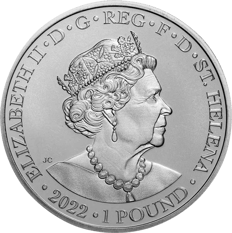
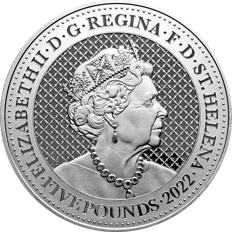
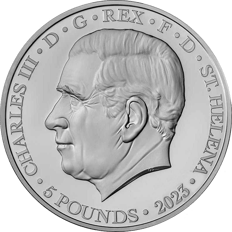
Among the best-known series are the Queen's Virtues, featuring the virtues of Queen Victoria, the Goddesses Series with mythological designs such as Eos or Hera, and the India Wildlife animal series. They are issued in gold, silver and, in some cases, platinum, and are often limited.
Both are possible. The high fineness levels make the coins attractive as a precious metal investment, while limited mintages, artistic designs and certificates increase their appeal to collectors. Those seeking pure material value should also consider classic bullion coins and gold bars.
Important indicators are the correct weight, the matching diameter, sharp minting details and an accompanying certificate of authenticity. At Kettner Edelmetalle, every coin undergoes an ISO-compliant authenticity verification before shipping. For historic pieces, a provenance record is additionally recommended.
 The East India Company

Personal advice
Our client advisers know the range of the East India Company and help you choose, by phone or at an appointment that suits you.
Monday to Friday, 8 am to 8 pm
Stay informed with product launches, financial news and exclusive offers. Sign up for our free newsletter today.
By entering your email address and clicking the "Submit" button, you give the following consent: "I agree to be informed by email about new products, financial news and exclusive offers, and therefore consent to the processing of my email address for the purpose of sending the newsletter. I can revoke this consent at any time without giving reasons, with effect for the future. The lawfulness of processing carried out prior to revocation remains unaffected."