




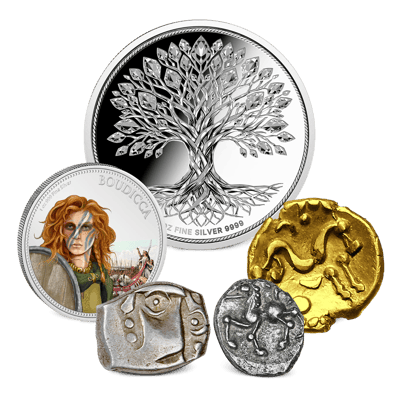

The Celtic Heritage - Prestige Collection
- New arrival: Product is new in the shop
- Secure shipping: 100% insured & anonymous delivery
- New arrivalProduct is new in the shop
- Secure shipping100% insured & anonymous delivery




- New arrival: Product is new in the shop
- Secure shipping: 100% insured & anonymous delivery
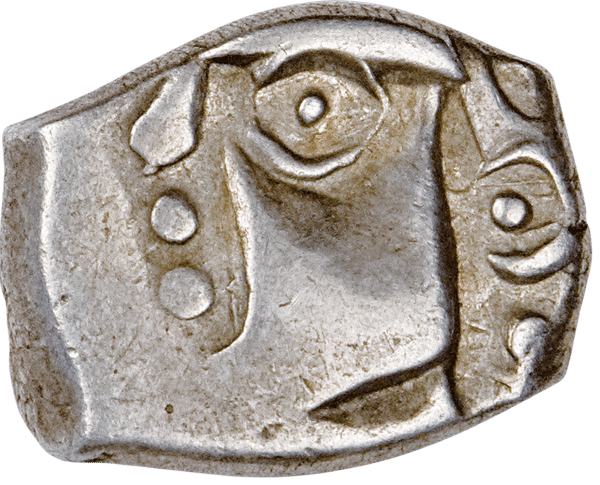 1 ×Silver Drachm of the Celts (1st Century BC | Tribe of the Volcae Tectosages)
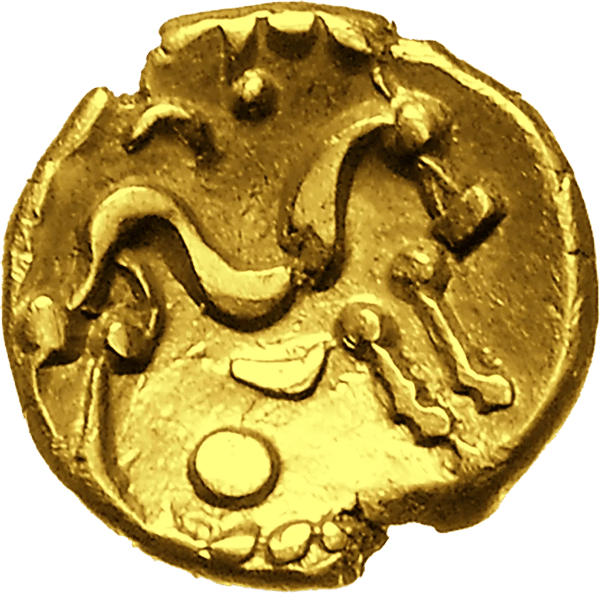 1 ×Gold Stater of the Celts (60-50 BC | Ambiani Tribe | Involved in the Resistance against Julius Caesar)
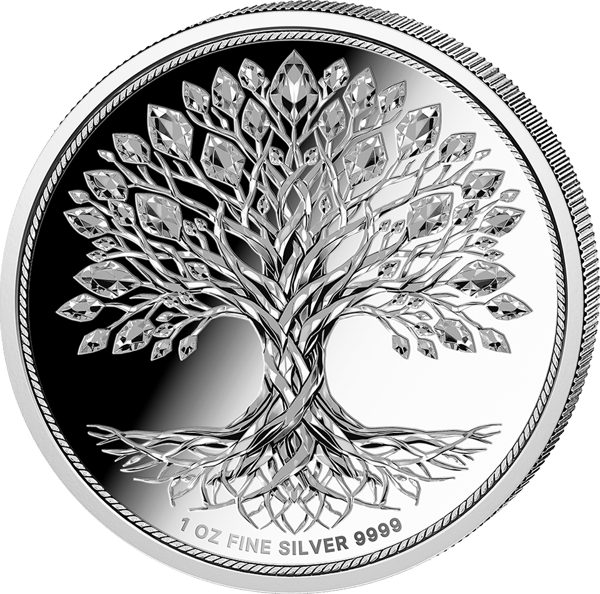 1 ×1 oz Silver Tree of Life 2026 (Mintage: 500 | 65mm | Proof)
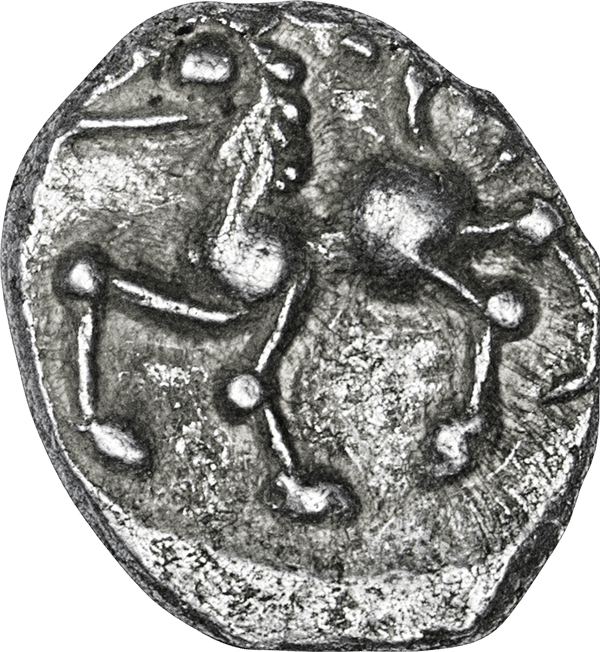 1 ×Silver Quinarius of the Celtic Vindelici (ca. 1st century BC | Alpine foreland between Lake Constance and the Inn)
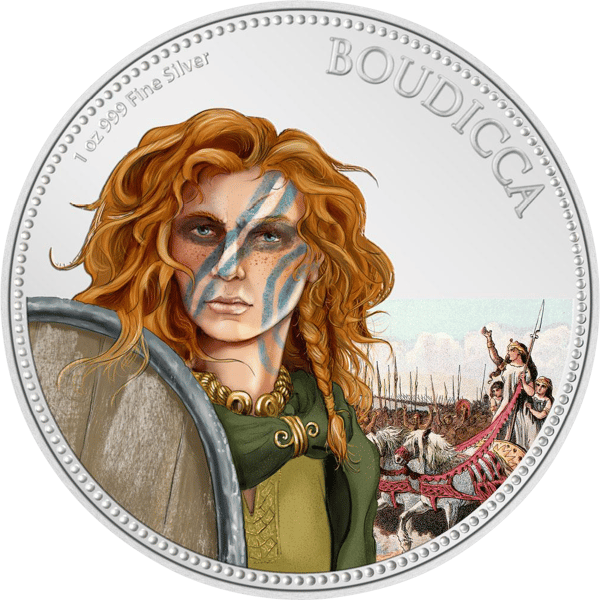 1 ×1 oz Silver Boudicca 2022 PP (Mintage: 2,000 | Proof)
This package saves you £19.58
 Price alert
 Share
The Celtic Heritage: Gold, Silver and Two Millennia of Resistance
Three genuine originals crafted by Celtic mint masters, plus two limited troy ounces in Proof: The Celtic Heritage - Prestige Collection brings together what would otherwise sit in separate display cases. Ancient money that Belgae, Gauls and Alpine Celts actually held in their hands meets modern silver coins celebrating the heritage of this culture. A set for anyone who wants not just to read about history, but to hold it in their hand.
Five Coins, One People: The Contents
- Gold stater of the Ambiani (60-50 BC): 6.1 g, approx. 14 mm, minted during the time of Caesar's Gallic War
- Silver drachm of the Volcae Tectosages (1st century BC): 2.3 g, approx. 12 mm, from the region around Tolosa, present-day Toulouse
- Silver quinarius of the Vindelici (approx. 1st century BC): 2.0 g, approx. 12 mm, from the alpine foreland between Lake Constance and the Inn
- 1 oz Silver Tree of Life 2026: 31.1 g fine silver (999.9/1,000), 65 mm, Proof, mintage 500 pieces
- 1 oz Silver Boudicca 2022: 31.1 g silver (999/1,000), coloured, Proof, mintage 2,000 pieces
The Gold Stater: A Horse from Caesar's War
In 58 BC, Julius Caesar marched into Gaul. In the north he encountered the Belgae, among them the Ambiani, who settled along the Somme. Their main settlement, Samarobriva, is known today as Amiens. In his account of the Gallic War (De bello Gallico II, 4), Caesar notes tersely: Ambianos X milia. The tribe pledged ten thousand warriors to the alliance against Rome.
The gold stater in this collection dates from precisely these years. Experts refer to it as the 'Gallic War' type, and it is what is known as a uniface: one side was left blank and convex. On the other, a horse gallops to the right, dissolved into a bold ornament of S-bands, crescent and dots. Its distant model was the gold stater of Philip II of Macedon, featuring the head of Apollo and a two-horse chariot. Over generations, Celtic die cutters turned this into something entirely their own. The metal is ancient gold, naturally alloyed with silver and copper; the exact fineness varies from coin to coin.
The find spots of many staters of this type are fascinating too: south-east England. They link Gaul with Britain, the very island on which, a good hundred years later, Boudicca rose up against Rome.
Drachm and Quinarius: Celtic Silver Coinage with a Style of Its Own
Celtic coins were produced between the 3rd and 1st centuries BC, struck in gold and silver, alongside small change made of bronze and potin, a cast copper alloy. No one knows what the Celts themselves called their coins. 'Drachm' and 'quinarius' are names coined by researchers, borrowed from the Greeks and Romans. The designs, however, are unmistakably Celtic.
The drachm of the Volcae Tectosages derives from Greek silver drachms of the colony of Rhoda in present-day Catalonia. Its female head evolved into an angular, abstract profile that French numismatics aptly calls 'tête cubiste' (cubist head). The rose on the reverse developed over a long process into a cross with symbols in its angles: spheres, crescents, occasionally an axe. This is why these pieces are also known as cross drachms. Hardly any ancient culture designed its money more abstractly.
The quinarius of the Vindelici takes us to southern Germany. The Vindelici lived in the alpine foreland between Lake Constance and the Inn; their best-known oppidum lay near Manching on the Danube. A stylised horse trots across the small silver piece, for the Celts a symbol of status, mobility and military power. In 15 BC, Tiberius and Drusus subjugated the tribe. Its name survives to this day: the Romans named their city on the Lech Augusta Vindelicum, present-day Augsburg.
Condition: Traces That Tell a Story
These pieces were coins that actually circulated and bear corresponding traces: darker patina, individual centring, nicks, wear and, in places, weaker areas of the legend. This is exactly what gives them their charm. Since the year of minting, the mint and the reverse variant can vary, the piece you receive will differ from the photo: you receive an original, not a mass-produced item. Please understand that the image in the shop is expressly a representative example and may differ individually from the item delivered in terms of appearance and condition, owing to historical circumstances.
Boudicca and the Tree of Life: The Heritage in Proof
Around AD 60/61, a woman rose up against the Roman occupation in Britain: Boudicca, queen of the Celtic Iceni. Her rebellion shook the province and turned her into a national heroine. In 2022, the New Zealand Mint dedicated the second issue of its 'Women in History' series to her, issued by Niue with a face value of 2 dollars. The coloured design shows the queen with flowing red hair, a face painted blue and white, and a shield. In the background, she leads her army into battle. Only 2,000 pieces exist worldwide.
The Tree of Life 2026 from Kettner Edelmetalle is the showpiece of the modern half of the collection. Instead of the usual roughly 40 mm, this ounce measures an impressive 65 mm. The trunk is woven from several strands, the roots spread almost as wide as the crown, and every leaf is faceted like a cut gemstone. The value side bears the triquetra, the trinity knot from the knotwork art of Ireland and Britain, along with 'REPUBLIC OF LIBERIA' and '20 DOLLARS'. Only 500 pieces were minted.
Both ounces demonstrate what makes Proof quality so special: mirror-like fields against which the relief stands out clearly, and a striking quality that brings out every detail. This surface is delicate, even a fingerprint remains visible. It is therefore best to leave the coins in their protective packaging and, if you must handle them, to touch them only by the edge. An honest note on the large format: the 65 mm Tree of Life is flatter than a classic ounce coin and does not fit into an ordinary coin album. In return, it unfolds an impact in a capsule or frame that no standard ounce coin can match.
Ancient or Modern? Why the Mix Convinces
- Ancient originals: genuine witnesses to their time, each piece a one-off. Their value is derived from age, type and collector interest, not from the metal alone. Accordingly, there is no standardised fineness.
- Modern coins: clearly defined fineness, exactly 31.1 g and a certified, low mintage. They tell history rather than having lived it themselves.
- Together: a complete arc from the Gallic War through Boudicca's rebellion to Celtic symbolism today.
Anyone who buys just a single Celtic coin owns a fragment. This collection, by contrast, tells a whole story: gold and silver, Gaul, Britain and Vindelicia, antiquity and the present.
Precious Metal That Has Outlasted Empires
Gold is humanity's oldest currency. It has outlasted Caesar, the Ambiani, and every paper currency in history. Silver has accompanied humankind as a coinage metal for millennia. Neither can be multiplied at will, and both hold an intrinsic value that does not depend on trust in a government. Many collectors and investors therefore value precious metals as a building block for inflation hedging, crisis provisioning and long-term value preservation.
Two thousand years after they were minted, these coins are still made of gold and silver. The empires that knew them are history. The metal has remained.
Good to know: in Germany, profits from the sale of physical precious metals are generally tax-free after a holding period of at least one year.
Who Is 'The Celtic Heritage' Suited To?
- For collectors of ancient Celtic coins seeking a genuine testament to the Gallic War
- For lovers of Celtic art, ornamentation and symbolism
- For history enthusiasts with a connection to Bavaria, Swabia and southern France
- As a meaningful gift that can be passed on to the next generation
The collection is delivered by insured shipping covering its full value. Secure a piece of Celtic history in gold and silver while this special assortment remains available.
Product image may differ from the actual product.
