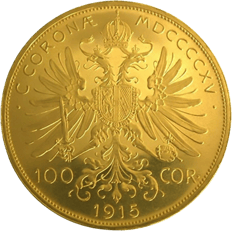
100 Gold Crowns Austria
£3,292.65
VAT-free and excl. shipping
Available in 2–3 business days

 More than 300,000
 Over 30 years
 Secure shipping
 Google: 4.9/5
As a gold investor, are you always on the lookout for something special? Holding the up to 100-year-old crowns from Austria in your hands gives you the feeling of directly participating in European history.
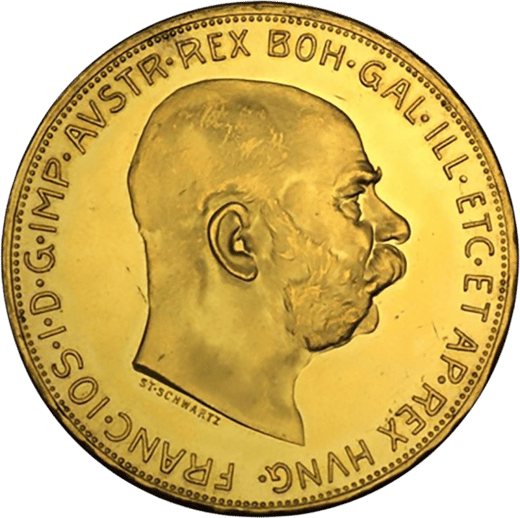
The portrait of Emperor Franz Joseph I of Austria is impressive and represents on the gold coin the qualities of the 68-year head of state: wealth, power and influence.


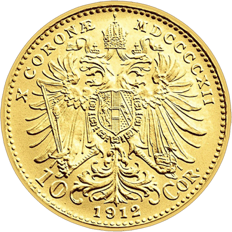
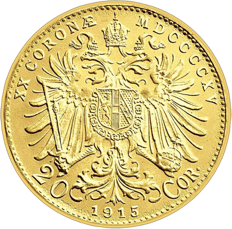
Austria: 10, 20 and 100 Kronen
Franz Joseph I reigned for almost 68 years, from 1848 to 1916. The portrait on these three coins is the work of the medallist Stefan Schwartz, and his name appears in small letters below the neck.
The 100 Kronen coin was not added until 1908, for the 60th anniversary of the emperor’s reign.
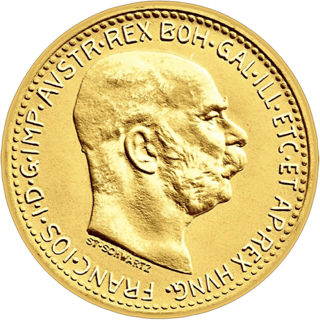
19 mm
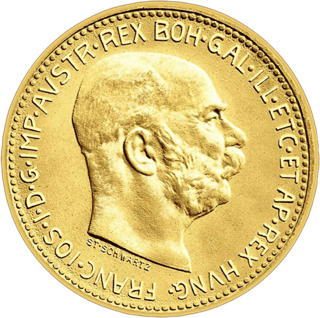
21 mm
37 mm
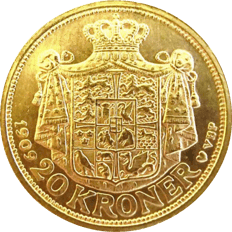
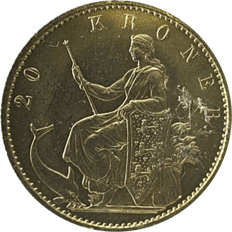
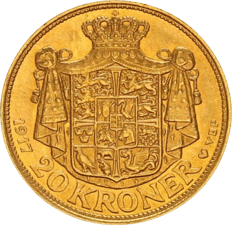
Denmark: 20 Kroner
The Danish 20‑krone coins show grandfather, son and grandson: Christian IX, Frederik VIII and Christian X.
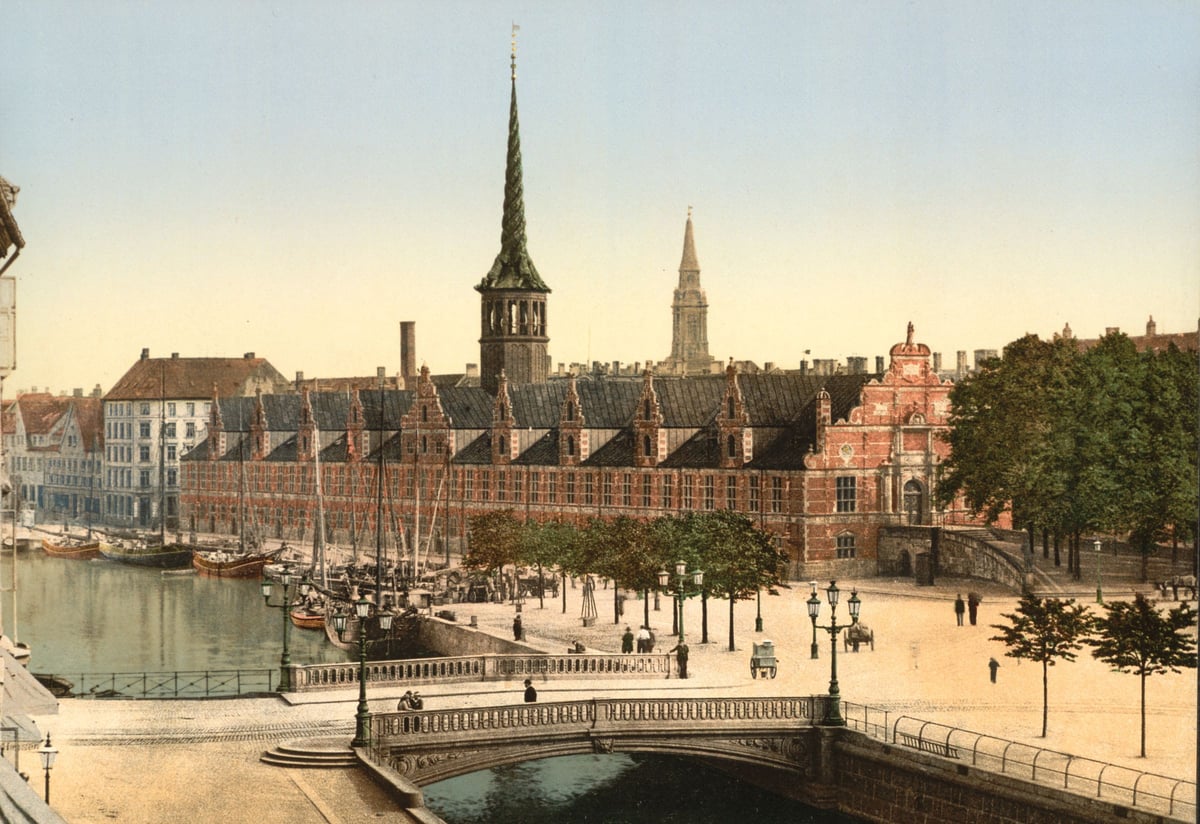
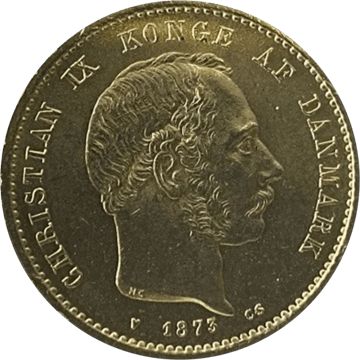
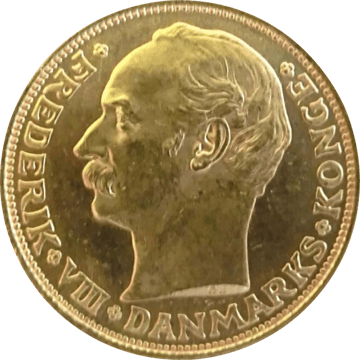
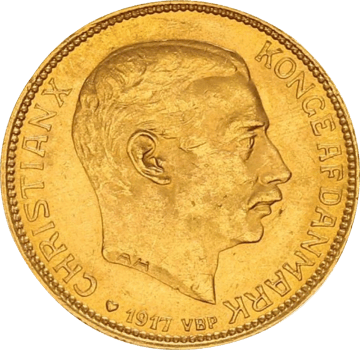
This is what Christian IX was called. His children became:
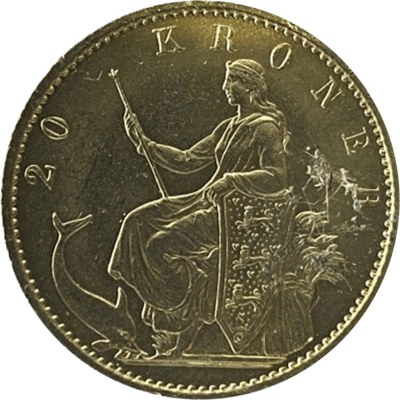
1873 and 1892
Its name comes from the Latin “corona”. Long before, coins bearing the image of a crown were already known by that name. In the 19th century the crown twice became a new currency, and both times gold replaced silver.
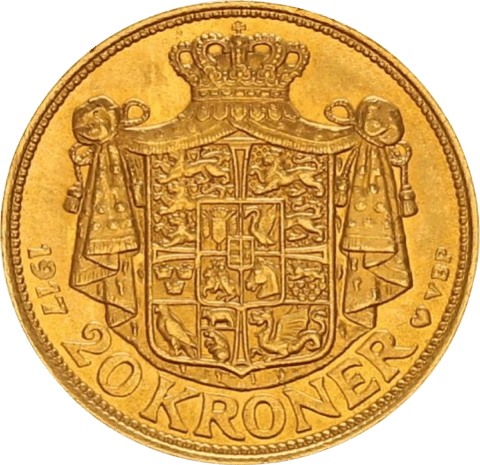
Copenhagen
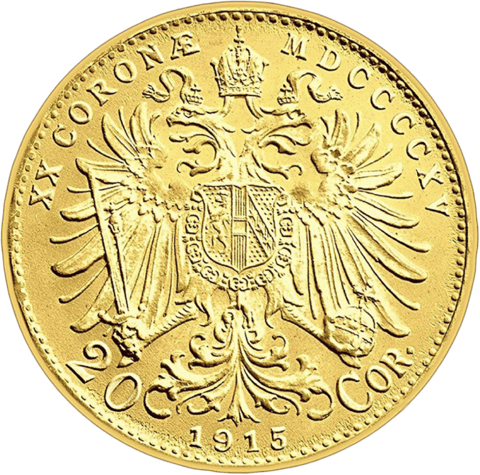
Vienna
| Country and year | Conversion |
|---|---|
| Denmark1873 | 1 rigsdaler2 kroner |
| Sweden1873 | 1 riksdaler1 krona |
| Norway1875 | 1 speciedaler4 kroner |
| Austria‑Hungary1892 | 1 gulden2 kronen |
Denmark, Sweden and Norway formed a monetary union. Their crowns had the same gold value, and the coins of each country were legal tender in all three.
Sources: Danmarks Nationalbank, Norges Bank, Store norske leksikon, Reichsgesetzblatt No. 126/1892, Wien Geschichte WikiSame name, different weight
The coinage laws laid down how many coins were to be made from one kilogram of fine gold. For the 20‑krone coins, that meant 124 pieces in Scandinavia and 164 pieces in Austria‑Hungary.
A Scandinavian crown therefore contained about a third more gold than an Austrian one: 0.403 instead of 0.305 grams.
You can tell by looking at the coins. The Danish 20‑krone coin measures 23 mm and contains 8.06 g of fine gold, the Austrian one 21 mm and 6.10 g.
Sources: Reichsgesetzblatt No. 126/1892, Article IV; Norwegian Act on the Monetary System of 17 April 1875, § 2; Store norske leksikonIn Austria, the schilling replaced it in 1925. But the name lives on in five European currencies.
 Crowns
Stay informed with product launches, financial news and exclusive offers. Sign up for our free newsletter today.
By entering your email address and clicking the "Submit" button, you give the following consent: "I agree to be informed by email about new products, financial news and exclusive offers, and therefore consent to the processing of my email address for the purpose of sending the newsletter. I can revoke this consent at any time without giving reasons, with effect for the future. The lawfulness of processing carried out prior to revocation remains unaffected."