





Silver Kreuzer Duchy of Tyrol (from approx. 1477 | Duke Siegmund of the House of Habsburg)
- Genuine Original: five centuries old
- Detective Work: identify the mint marks
- Coin History: origin of great coins
- Genuine OriginalOnce used to pay at markets and the Brenner Pass
- Detective WorkStars, dots or curls distinguish every issue
- Coin HistoryBasis for the Sechser, Pfundner and great Guldiner







- Genuine Original: five centuries old
- Detective Work: identify the mint marks
- Coin History: origin of great coins
 Price alert
 Share

Tyrol
The kreuzer of Tyrol.Silver from Schwaz for Sigismund, called Rich in Coin.
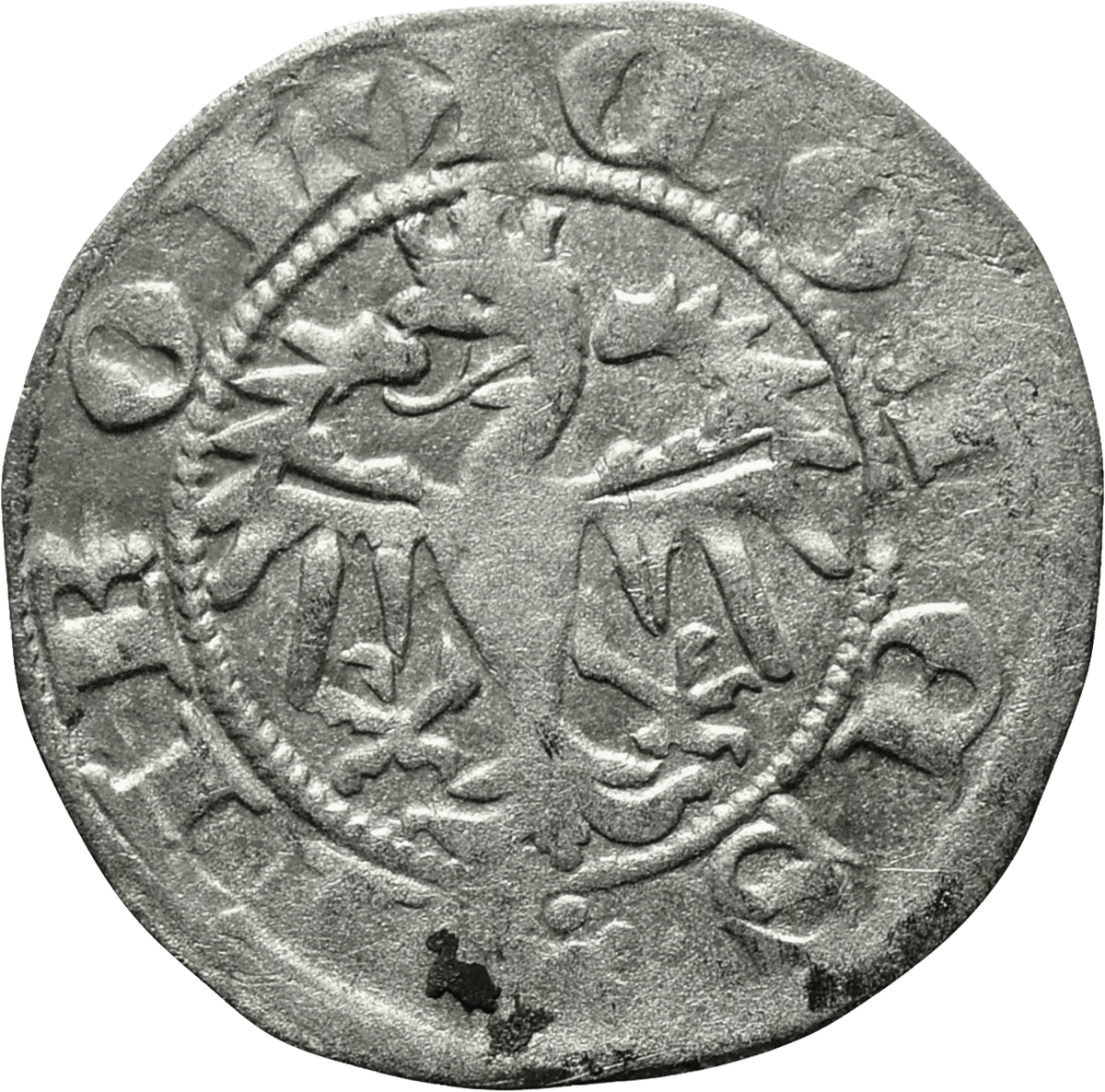
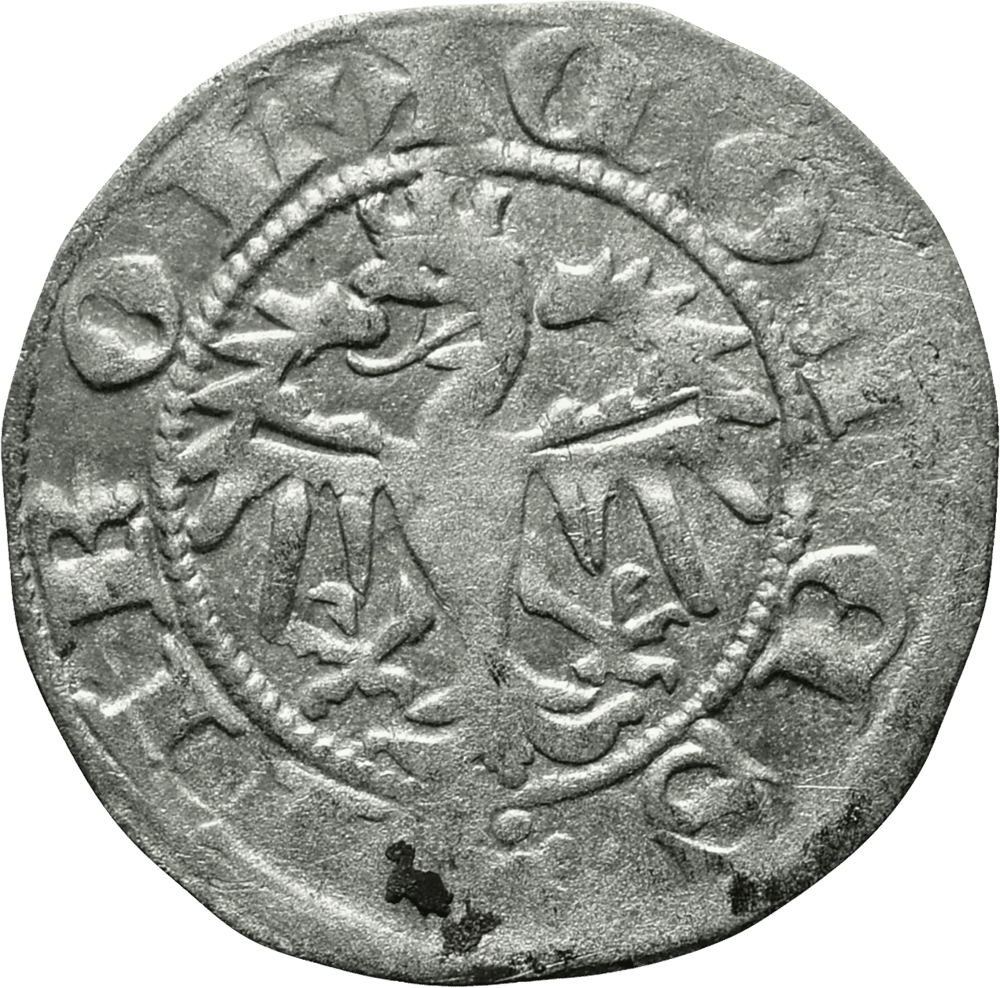
In 1477 Duke Sigismund moved his mint from Meran to Hall. The silver came from the mines around Schwaz, and on every kreuzer the Tyrolean eagle spreads its wings.
- Age
- over 500 years
- Coin
- Kreuzer, silver
- Weight
- 0.7 g
In 1477 Duke Sigismund moved his mint from Meran to Hall. The silver came from the mines around Schwaz, and on every kreuzer the Tyrolean eagle spreads its wings.
- Age
- over 500 years
- Coin
- Kreuzer, silver
- Weight
- 0.7 g
The other side
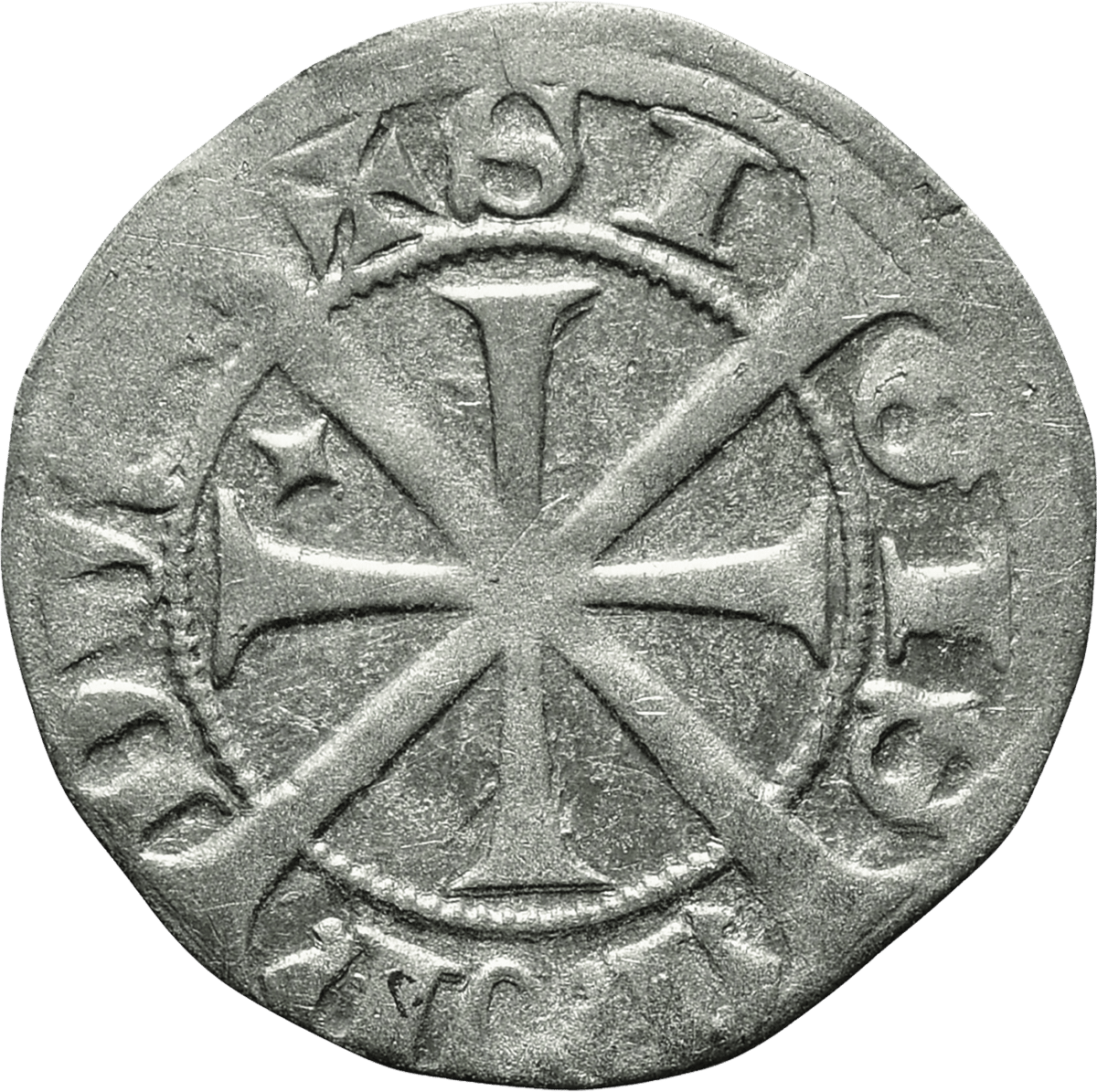
The double cross gave it its name.
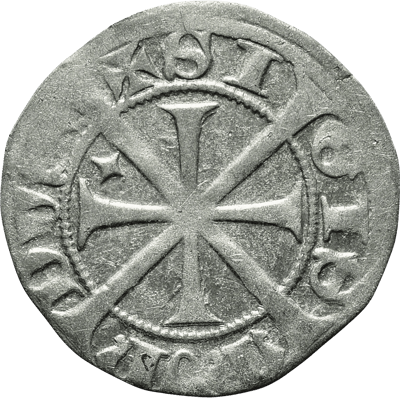
A long and a short cross one above the other, 8 arms in a circle of pellets. After this cross, Kreuz in German, the coin was called the kreuzer.
In 1486 Hall also began striking the guldiner, large silver coins worth 60 kreuzers. The guldiner is seen as one of the forerunners of the thaler.

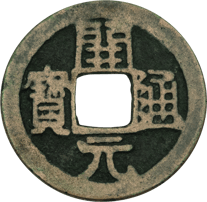
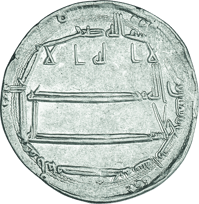
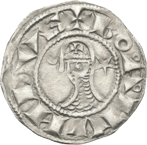
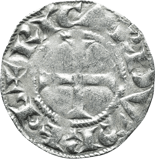
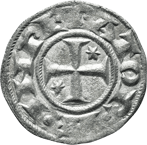
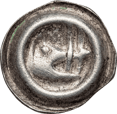
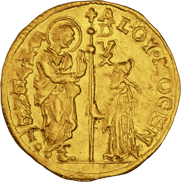
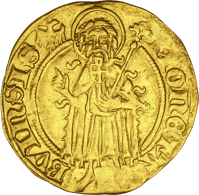
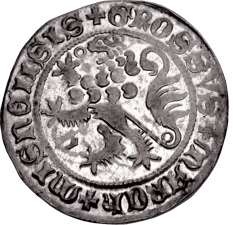
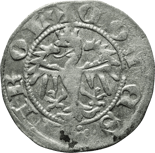

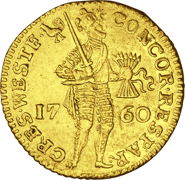
Size comparison
12 coins, one scale.
All 12 lie on the table in their true proportions, the oldest on the left. Your piece measures 18 mm.
- Cash coin24 mm · 2.6 g
- Dirham23 mm · 2.9 g
- Denier17 mm · 0.83 g
- Denier of Poitou18 mm · 1 g
- Denier of Sicily17 mm · 0.7 g
- Bracteate13.5 mm · 0.2 g
- Zecchino21 mm · 3.5 g
- Gold gulden23 mm · 3.9 g
- Prince’s groschen27 mm · 2.85 g
- Kreuzer18 mm · 0.7 gthis page
- Gold fanam8 mm · 0.3 g
- Trade ducat21.4 mm · 3.5 g
The heaviest piece is not the widest: the gold gulden weighs almost twenty times as much as the bracteate and is still narrower than the groschen. Gold is almost twice as dense as silver.
Timeline
From 621 to 1797.
Each bar shows the years from which the pieces of a type come. For the zecchino that is 468 years, for the prince’s groschen only 13.
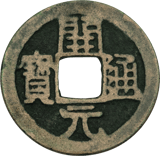 Tang dynasty621 to 907
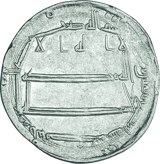 Abbasid caliphate8th and 9th centuries
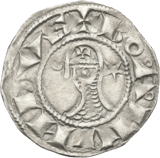 Principality of Antioch1163 to 1232
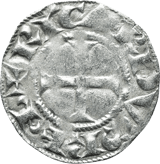 County of Poitou1189 to 1196
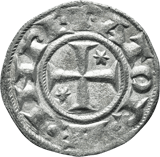 Kingdom of Sicily1194 to 1197
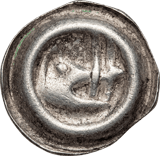 Town of Schweidnitz14th and 15th centuries
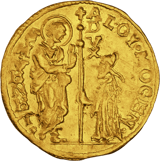 Republic of Venice1329 to 1797
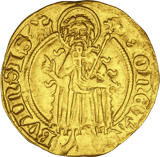 Electorate of Cologne1371 to 1463
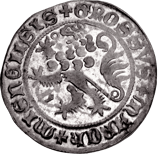 House of Wettin1393 to 1406
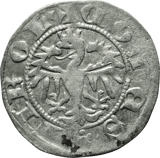 Tyrolfrom 1477 · Your piece
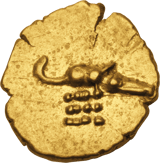 South India1600 to 1750
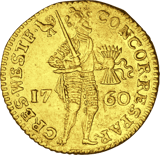 United Provinces1739 to 1794

12 coins.Over 1,100 years.
From 621 to 1797 and from China to the North Sea: every one of these coins was money that people paid with.
A piece of the late Middle Ages in your hand: the Tyrolean Kreuzer of Duke Sigismund
This coin has a good five centuries behind it. The Kreuzer made of silver was struck under Sigismund of the House of Habsburg, whom history, not by chance, calls "the Rich in Coin." With it, you hold genuine money of the Holy Roman Empire in your hand. It was used to pay for goods in the markets of Innsbruck, at the customs stations on the Brenner Pass, and in the inns along the trade routes between Venice and Augsburg.
Among historical silver coins, the Kreuzer holds a special place. It gave rise to a denomination that persisted for centuries in southern Germany, Austria, and Switzerland. A true classic of numismatics.
From the Etsch Kreuzer to the coinage reform: the history behind the denomination
The roots reach back to the late 13th century. Count Meinhard II of Tyrol had a new silver coin minted in Merano at that time, worth 20 Berners (Veronese pennies). Because of its striking double cross, the people soon called it "Kreuzer," a name that has survived to this day. It is also often referred to as the "Etsch Kreuzer." When Tyrol fell to the Habsburgs, they retained this proven coin design.
Sigismund (1427–1496) was the son of Duke Frederick IV. From 1446 he ruled over Tyrol and the Outer Austrian territories, until he handed his lands over to Maximilian I in 1490. In 1477 he was granted the title of Archduke. That same year, he relocated the Tyrolean mint from Merano to Hall in the Inn Valley. The reason lay in the mountains themselves: the silver mines of Schwaz produced metal in quantities previously almost unheard of. Building on this, Sigismund rapidly established new coins, first the Sechser and the Pfundner, and finally, in 1486, the Guldiner worth 60 Kreuzer. It is considered one of the forerunners of the later Thaler. Yet the foundation of the entire system remained the small Kreuzer.
Obverse, reverse, and mint marks
- Obverse: the typical double cross made up of a long cross and a short cross. It divides the legend bearing the name or title of the sovereign.
- Reverse: the Tyrolean eagle with outstretched wings within a beaded circle, surrounded by a legend bearing the title COMES TIROL (Count of Tyrol).
- Mint marks: small stars, dots, or rings in the angles of the cross or within the legend. These allow individual issues to be distinguished, turning the identification of a piece into exciting detective work.
In the specialist literature, Sigismund's Hall Kreuzer coins are documented, among others, by Moser/Tursky (M./T. 38 and variants).
Technical data at a glance
- Denomination: Kreuzer
- Country: Holy Roman Empire (of the German Nation), County of Tyrol, today Austria
- Sovereign: Sigismund of the House of Habsburg, known as "the Rich in Coin"
- Minting period: from approx. 1477, undated on the coin (year of minting varies)
- Material: silver alloy, fineness varies
- Gross weight: approx. 0.7 g
- Diameter: approx. 18 mm
- Condition: circulated (used), condition varies
Condition: traces that tell stories
These pieces are circulated coins, and it shows. A darker patina, individual centering, small nicks, wear, and in places weaker struck areas of the legend are not flaws. They are part of the coin's biography. Every trace comes from hands that, centuries ago, used it to settle payments for goods, freight, or debts.
As the minting year, mint, and reverse variant can vary, the piece you receive will differ from the image shown. Please understand the photo in the shop explicitly as a sample image: appearance, exact weight, and condition vary from piece to piece for historical reasons. You are purchasing an original.
For collectors, history enthusiasts, and as a special gift
What makes this Kreuzer so appealing? It is affordable, yet genuinely medieval. Next to the later Sechser or the large Guldiner, it appears modest. Yet it is the origin from which these larger denominations first emerged. The difference is also immediately apparent compared to the Kreuzer coins of the 17th and 18th centuries. Here you see Gothic lettering, a hand-engraved die, and a coin blank that is never perfectly round. Anyone collecting Habsburg coins, Tyrolean coinage, or the late Middle Ages will hardly be able to pass up this type.
Good to know: a single piece makes an ideal starting point. Several specimens with different mint marks, on the other hand, form a small type collection with genuine research appeal. And for people who are passionate about history, this gift provides plenty of conversation material for a long time.
Silver: the monetary metal with a long tradition
With a historical Kreuzer, the collector's value is clearly the main focus. At the same time, the coin is a reminder of why precious metal has been regarded as a store of value for thousands of years. For many generations, silver was money in the literal sense. It retains its physical properties permanently and possesses intrinsic value. Unlike paper money, it does not depend on a government's promise. Today, silver is traded worldwide as a commodity and is used in electronics, medical technology, and photovoltaics, while supply remains limited. Many people therefore value physical silver as a building block for their inflation hedge and crisis protection. In addition, such a value can be passed on to the next generation.
A note on taxation: under current German law, profits from the sale of physical silver are generally tax-free if at least one year has passed between purchase and sale.
Your original from the era of the Rich in Coin
This Kreuzer from Sigismund's Tyrol encapsulates the Middle Ages, the House of Habsburg, and the great silver history of the Alps, all on one coin. Secure your original at Kettner Edelmetalle. It arrives via insured shipping and deserves a place of honor in your collection.
Product image may differ from the actual product.
