





1/2 Prutah Bronze Jerusalem (1st Century BC to 30 AD | In Circulation in Judea at the Time of Jesus)
- From the Bible: Widow's mite
- Genuine Original: two millennia old
- Special Gift: for confirmation
- From the BibleThe smallest coin of Judaea, as offered by the widow
- Genuine OriginalPassed hand to hand in daily use, with grown patina
- Special GiftA witness of the New Testament for communion or baptism







- From the Bible: Widow's mite
- Genuine Original: two millennia old
- Special Gift: for confirmation
 Price alert
 Share

Ancient original · Judaea
½ Prutah from JerusalemAbout 2,100 years old.
In the Gospel of Mark a poor widow puts 2 lepta into the temple treasury. The lepton is taken to be a half prutah; which coins they were exactly, the text does not say.
- Ruler
- Alexander Jannaeus (type)103 to 76 BC
- Diameter
- 14 mm
- Weight
- c. 1.4 g
In the Gospel of Mark a poor widow puts 2 lepta into the temple treasury. The lepton is taken to be a half prutah; which coins they were exactly, the text does not say.
- Ruler
- Alexander Jannaeus (type)103 to 76 BC
- Diameter
- 14 mm
- Weight
- c. 1.4 g
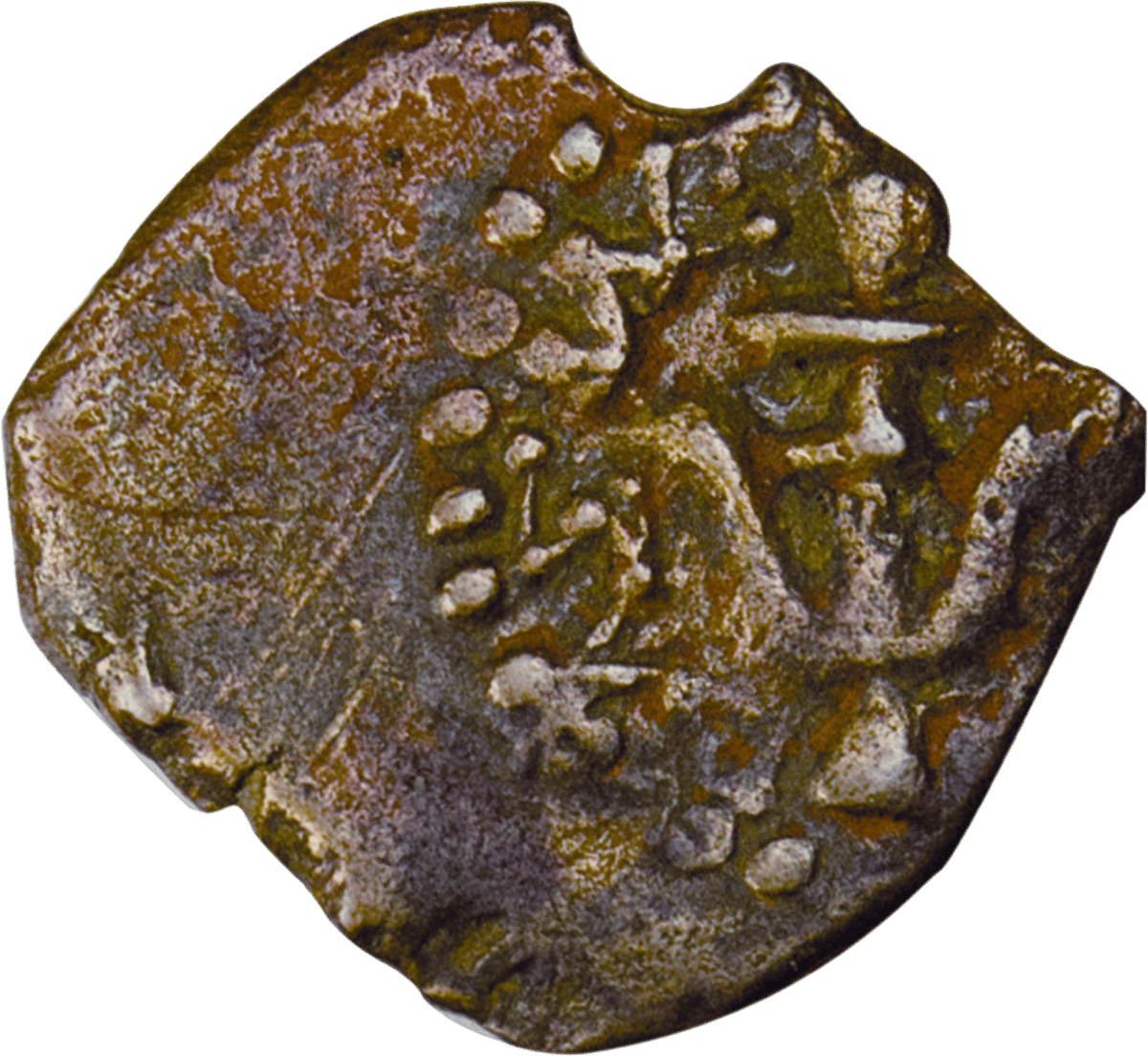
Judaea · 1st century BC to AD 30
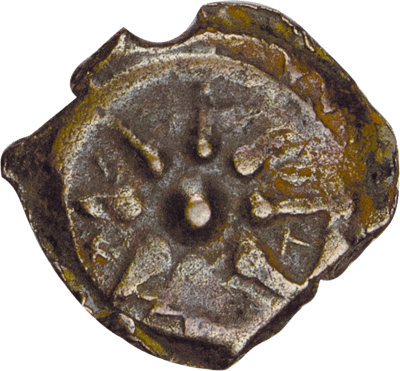
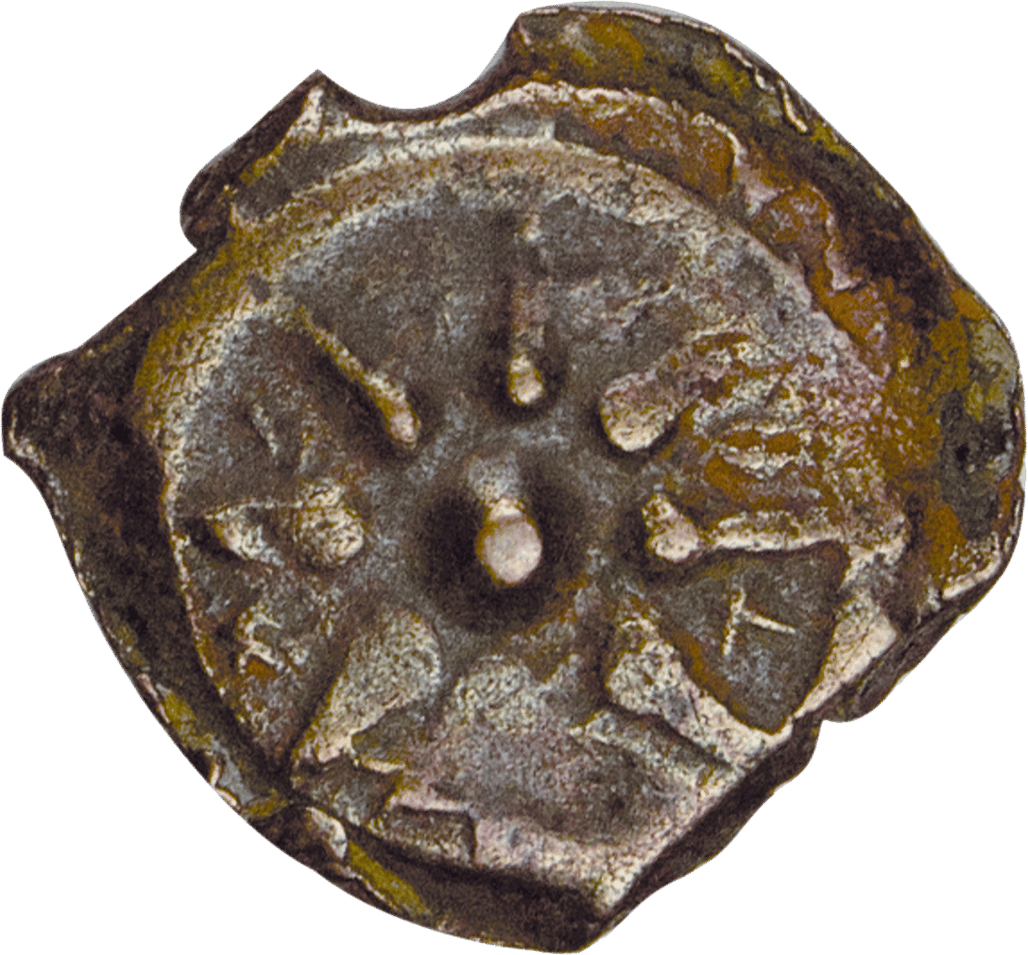
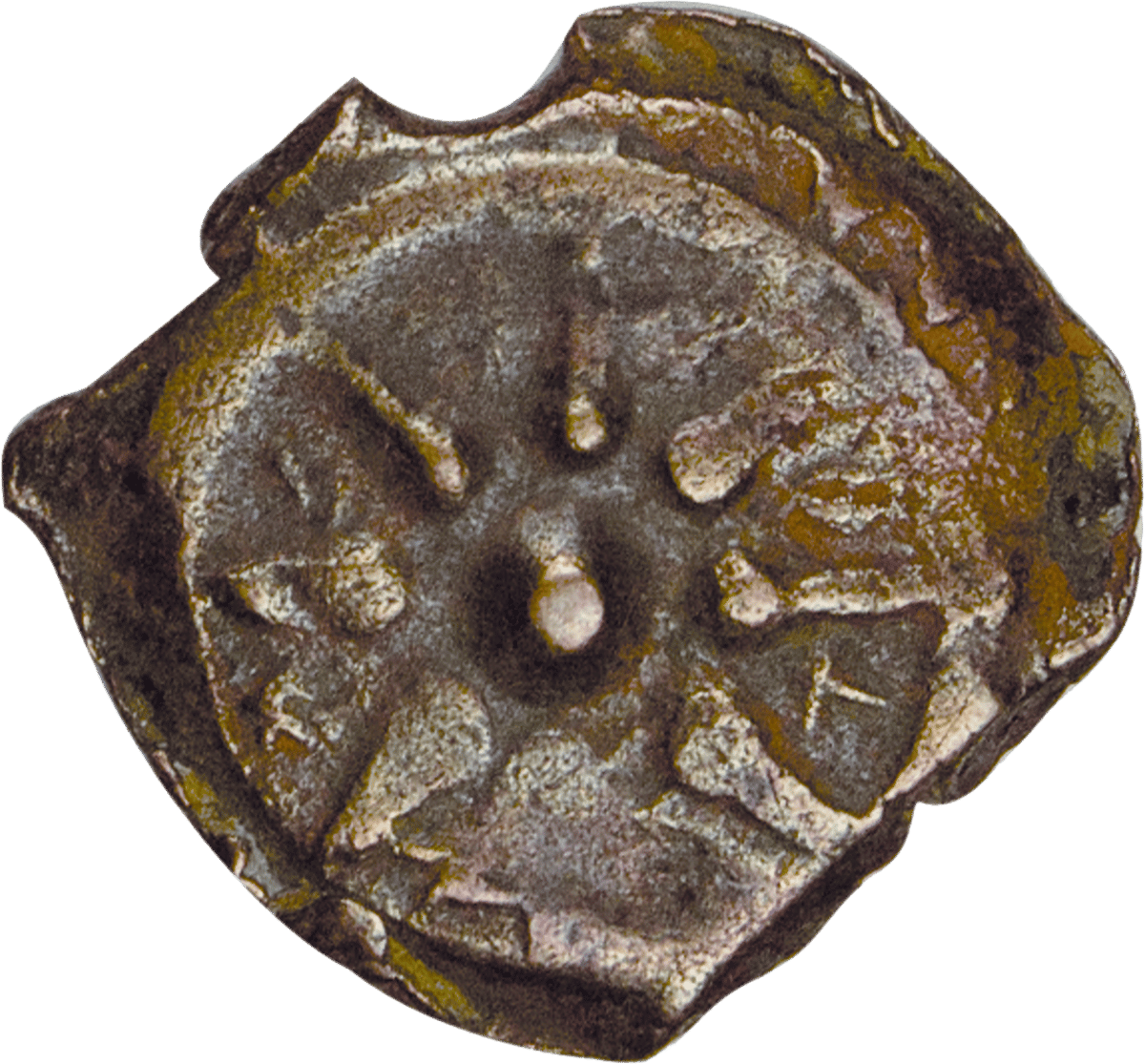
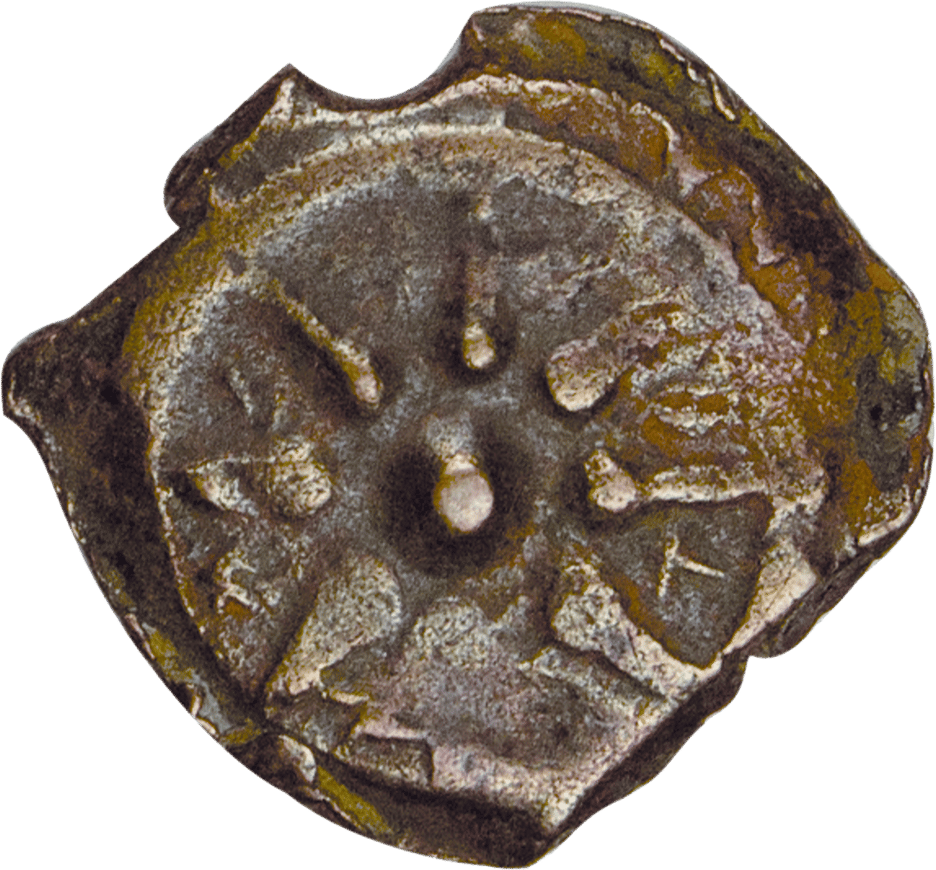
A star of rays in bronze: the half prutah from Jerusalem.
In Jerusalem King Alexander Jannaeus had bronze money struck for everyday use, with a star on one side and an anchor on the other. Later, more coarsely struck pieces of this type stayed in circulation into the 1st century AD.
The picture shows an example. The piece you receive may differ in detail. On the piece shown, the side with the anchor is worn and cut off by the edge.
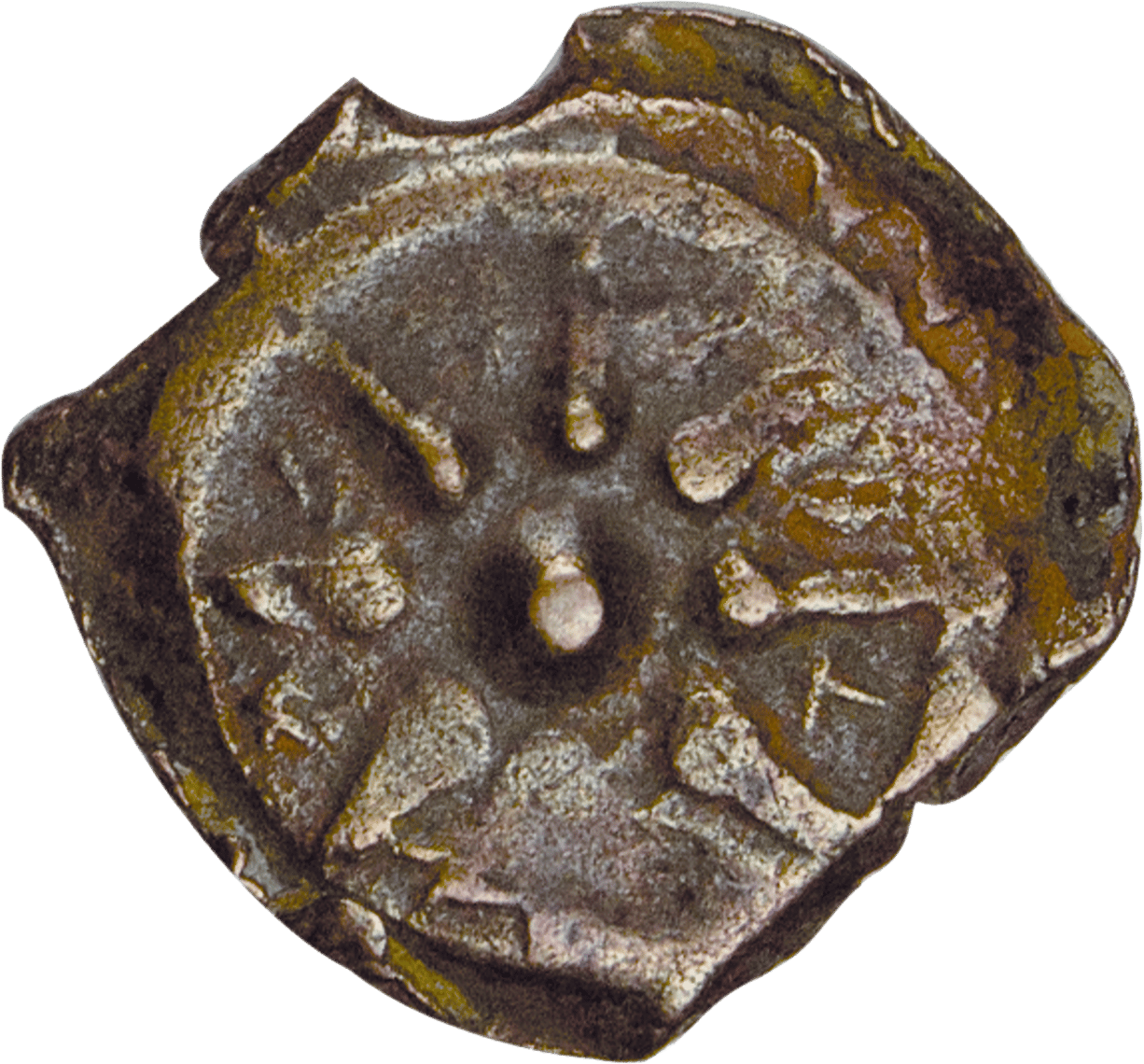
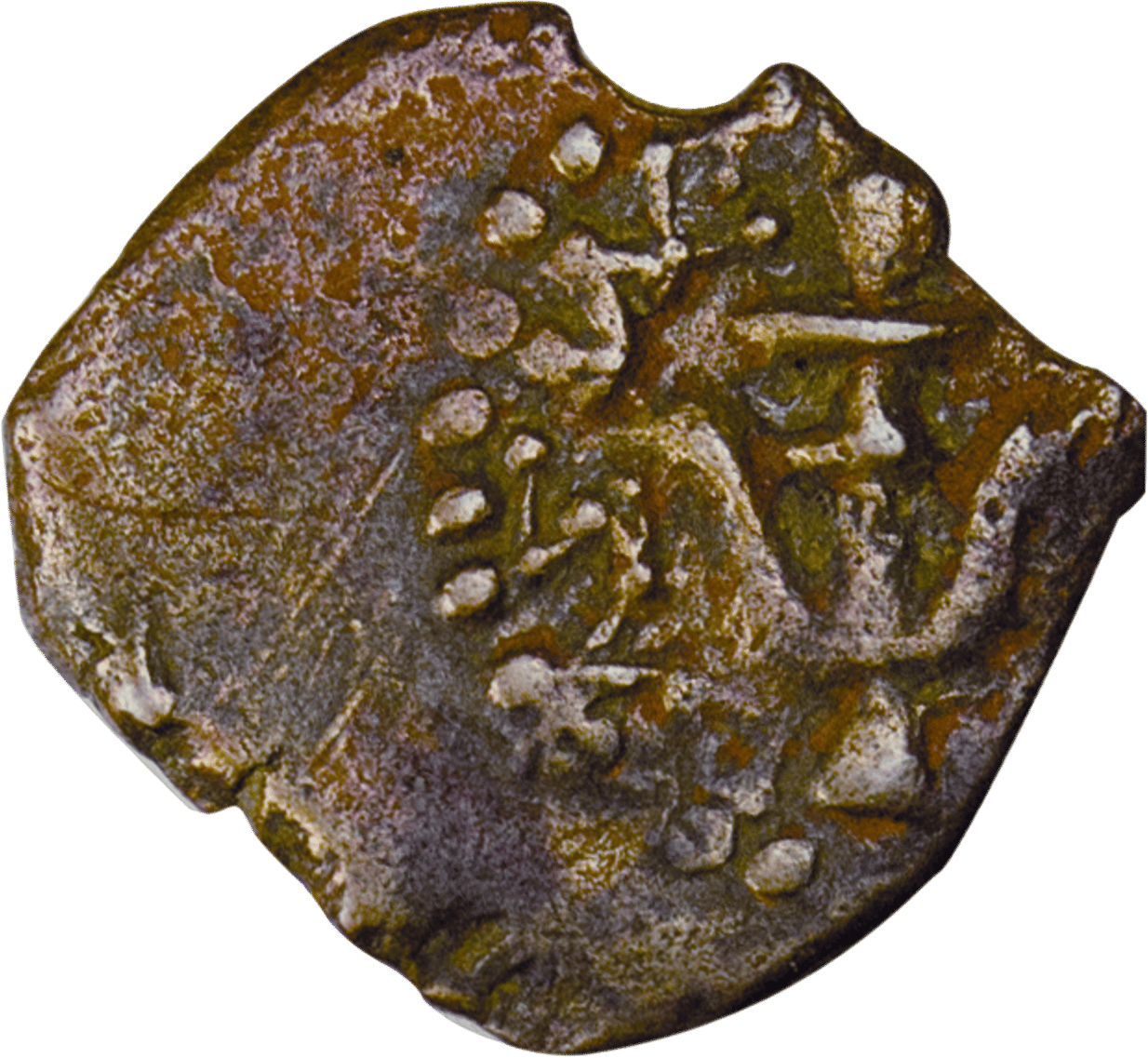
Under the lens
½ Prutah from Jerusalem up close: every detail about 2,100 years old.
At the same scale
Greeks, Persians, Carthaginians: coins side by side
From the diobol of Teos at 9 mm to the tetradrachm at about 26 mm. Under each piece you see its diameter as our product data give it.
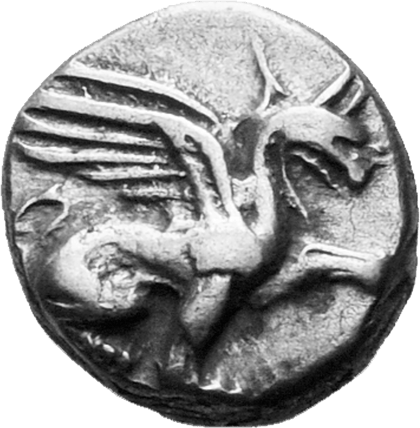 DiobolTeos
9 mm
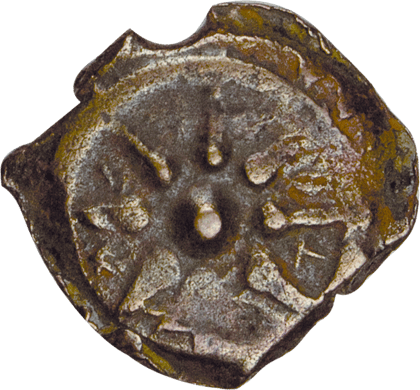 ½ PrutahAlexander Jannaeus (type)
14 mmthis page
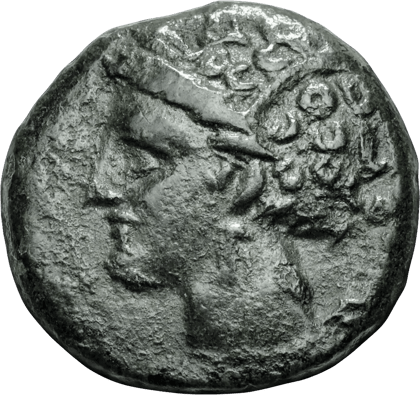 Bronze coinCarthage
16 mm
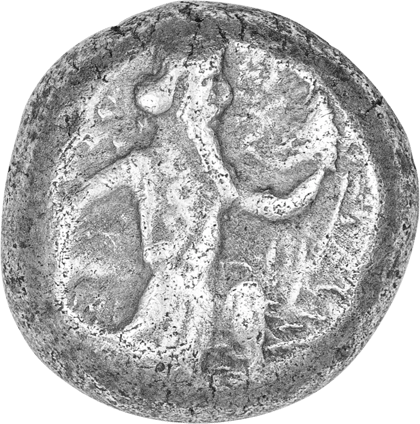 SiglosAchaemenids
18 mm
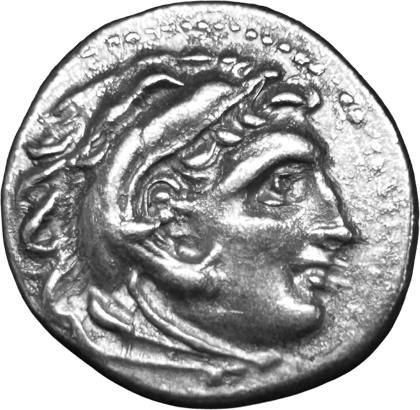 DrachmAlexander the Great
18 mm
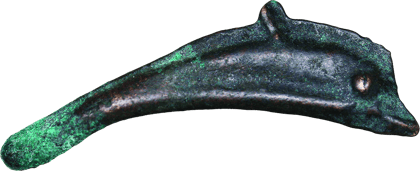 Dolphin moneyOlbia
c. 20 mm long
 1 eurofor comparison
23.25 mm
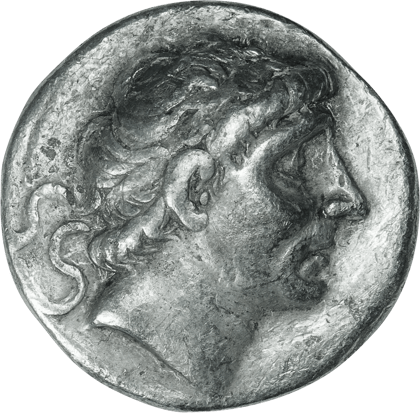 TetradrachmAntiochos I Soter
c. 26 mm
Where it belongs
42 originals from about 1,100 years
Each piece stands at the years of its ruler or of its type. The era of this piece is highlighted; choose another one to see its originals.
Judaea 1st century BC to AD 30 · 1 original
 ½ Prutah from Jerusalem103 to 76 BCthis page

Keeping it
First things first: do not clean it.
The dark layer on bronze and the matte grey on silver are called patina. It has grown over centuries and protects the surface. Polishing it away takes that protection from the piece.
- Hold it by the edgeSkin oil can etch itself permanently into the surface. Take the piece by the rim between thumb and forefinger, over a soft surface.
- Store each piece on its own, and dryKeep each piece on its own in a dry place, in a capsule or an acid-free case. PVC sleeves do not belong there, they attack the surface.
- No agents, no polishing clothNo vinegar, no silver cloth, no ultrasound. According to the Bank of Canada Museum, almost any attempt at cleaning without a conservator leaves damage, mostly from abrasion.

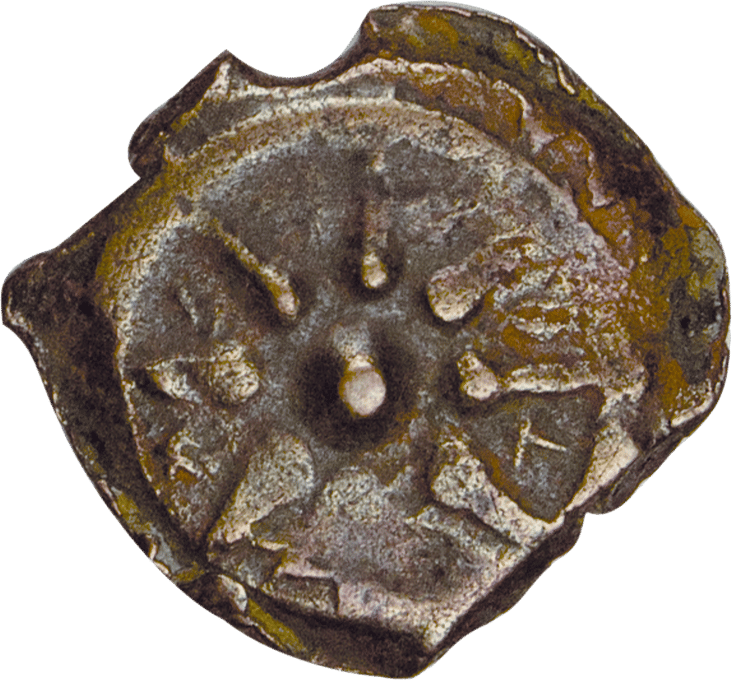
Struck about 2,100 years ago.
Alexander Jannaeus and his kingdom are long gone. The piece has remained, with the traces of its circulation.
A Piece of Jerusalem at the Time of Jesus – in Your Hand
This bronze coin holds more history than many a grand collector's piece. The 1/2 Prutah from Judaea was the everyday small change of Jerusalem. People paid for bread and oil with it, it passed over market stalls and through the courtyards of the Temple. It was minted between the 1st century BC and around 30 AD, precisely the years in which Jesus of Nazareth was active in Judaea and Galilee.
Whoever holds this original between their fingers is touching a coin that truly passed from hand to hand around two thousand years ago.
The "Widow's Mite": the Coin from the Gospel
In the Gospel of Mark (12:41–44) and in Luke (21:1–4), Jesus watches in the Temple as the rich throw large sums into the treasury. Then a poor widow comes and puts in two tiny coins. The Greek text calls them lepta. She gave more than all the others, Jesus says, for she gave everything she had to live on.
Mark even tells his readers the value: two lepta make one Roman quadrans. A quadrans was a quarter of an as, and an as was a sixteenth of a denarius. A denarius was thus equal to 128 lepta, and in the parable of the workers in the vineyard (Matthew 20:2) a denarius was considered a day's wage. The widow's gift was thus only a tiny fraction of that, and yet it was her entire fortune.
"This poor widow has put more into the treasury than all the others." – after Mark 12:43
In numismatics, the lepton is generally regarded as a half prutah, the smallest bronze coin that circulated in Judaea. The Bible does not say exactly which coin the widow gave. The expert author David Hendin, author of the standard reference "Guide to Biblical Coins," therefore considers every small bronze of the Hasmoneans, of Herod I and his son Archelaus, as well as those of the Roman prefects up to the death of Jesus, to be a possible candidate. Your coin comes from exactly this milieu.
Designs, Rulers and Mint
Most of these small coins were produced in Jerusalem. The best known are the bronzes of the Hasmonean king Alexander Jannaeus (c. 103–76 BC). On one side they show an anchor with the Greek legend "of King Alexander." On the other side is an eight-pointed star, often within a diadem, with an Old Hebrew inscription between the rays. These coins were minted in huge quantities and remained in circulation for generations after their ruler's death. More recent analyses of excavation finds suggest that smaller, cruder variants were not produced until around the middle of the 1st century BC. They circulated as half prutot into the 1st century AD.
Later, the Roman governors of Judaea also had their own small bronzes minted, including Valerius Gratus, the predecessor of Pontius Pilate. The image in the shop shows, as an example, a piece with a star and anchor. The year of minting, mint, and reverse variant are diverse, so your specimen may show a different type from the same era.
Key Facts at a Glance
- Denomination: 1/2 Prutah (Lepton)
- Material: Bronze
- Gross weight: 1.4 g
- Diameter: 14 mm
- Country: Judaea (present-day Israel)
- Period: 1st century BC to c. 30 AD
- Year of issue, mint and variant: varies
- Condition: circulated coin (used), preservation varies by piece
- Series: History
Marked by Two Millennia
This is not a polished new strike, but genuine currency that was in circulation for a long time. Each piece was struck by hand between two dies, quickly, in large numbers, and for everyday use. The coins show it. And that is exactly what gives them their appeal:
- Darker patina that has developed over centuries
- Individual centering: the design is often not centered on the blank
- Nicks and irregular edges from the manufacturing process
- Signs of wear from decades in circulation
- in some cases weaker areas of the legend, where individual letters can only be guessed at
You are receiving an original, not a mass-produced item. Please understand: the image in the shop is explicitly an example. Due to historical circumstances, the item delivered may differ from it in appearance and condition.
Half Prutah, Pilate Prutah or Tiberius Denarius?
Anyone who becomes enthusiastic about coins from biblical times will quickly come across other classics. The prutah of Pontius Pilate (in office 26–36 AD) is directly linked to the Passion story. However, it was only minted in a few precisely dated years and is correspondingly sought after. The silver denarius of Emperor Tiberius, the famous "Tribute Penny," represents the question of what should be given to the emperor. As a silver coin, however, it belongs to a quite different category.
The half prutah, by contrast, is the money of ordinary people. Its great advantage is the easy entry point it offers into ancient numismatics, combined with a moving story. It does not have the shine of a silver denarius. Instead, it is honestly worn, which fits well with the story it represents.
Who Is This Coin For?
For collectors of ancient coins, the half prutah belongs in every Judaea collection. For those interested in the Bible and lovers of history, it is a tangible witness from the world of the New Testament. It is also well suited as a gift for confirmation, communion or baptism, as well as for anyone enthusiastic about history. Its significance goes far beyond its weight. A piece of bronze with a great story, and an original that exists in this exact form only once.
Product image may differ from the actual product.
