





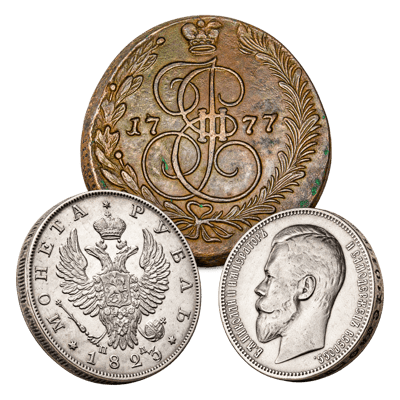
Splendor of the Tsars - Circulation Coin Collection (3 Coins)
- New arrival: Product is new in the shop
- Secure shipping: 100% insured & anonymous delivery
- New arrivalProduct is new in the shop
- Secure shipping100% insured & anonymous delivery







- New arrival: Product is new in the shop
- Secure shipping: 100% insured & anonymous delivery
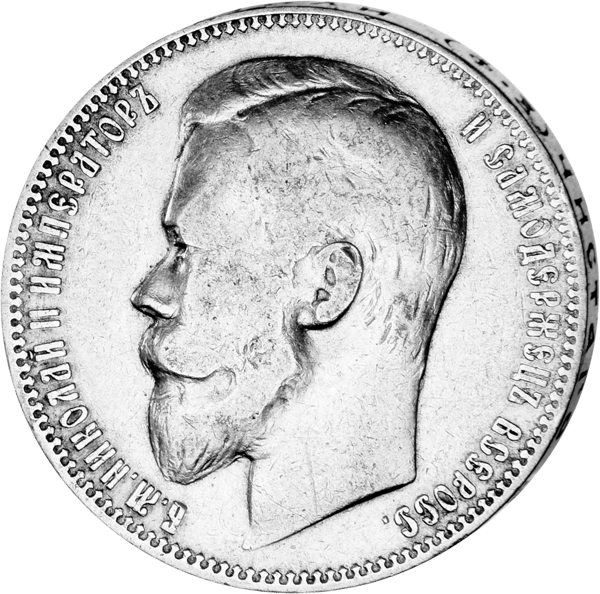 1 ×1 Ruble Silver Tsar Nicholas II (1895-1915 | Last Tsar | Cousin of Kaiser Wilhelm II)
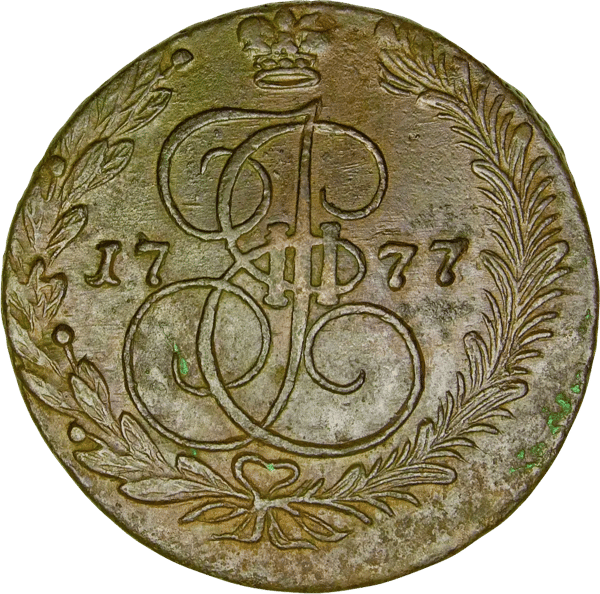 1 ×5 Kopecks Tsarina Catherine the Great (1762-1796 | German Princess on the Tsar's Throne)
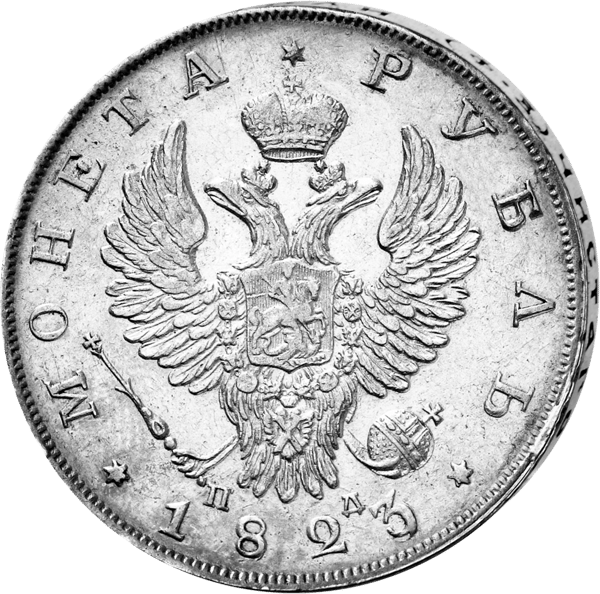 1 ×1 Ruble Silver Tsar Alexander I (1810-1826 | Rival of Napoleon)
This package saves you £20.03
 Price alert
 Share

Glory of the Tsars
3 coins of the Tsars.Real money of the Romanovs.
Catherine the Great, Alexander I and Nicholas II: 5 kopeks in copper and 2 silver roubles, money people paid with in the Russian Empire. Together they span more than 150 years of Romanov history.
- Fine silver
- about 36 g
- Time span
- over 150 years
- Age of each coin
- over 110 years
Catherine the Great, Alexander I and Nicholas II: 5 kopeks in copper and 2 silver roubles, money people paid with in the Russian Empire. Together they span more than 150 years of Romanov history.
- Fine silver
- about 36 g
- Time span
- over 150 years
- Age of each coin
- over 110 years
Copper and silver
2 Tsarist roubles, different weights, the same silver.
The rouble of Alexander I weighs about 20.7 g, that of Nicholas II 20 g at 900/1,000 silver. Both hold about 18 g of fine silver: the coinage reform of 1885 changed weight and fineness, the silver content stayed. Next to them lies Catherine’s 5 kopeks, a hefty piece of 18th century copper.
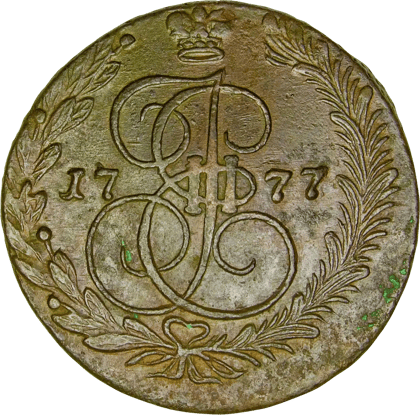
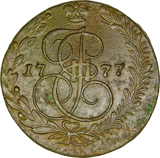 Catherine the Great5 kopeks in copper with the Empress’s crowned monogram. Depending on mint and year, a piece measures 42 to 46 mm.
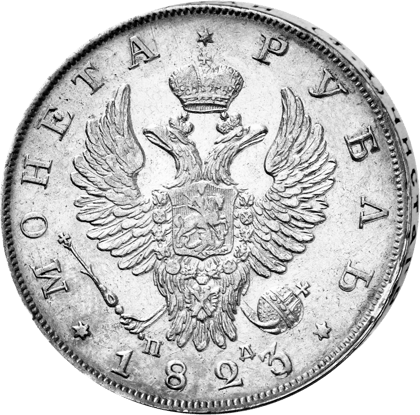
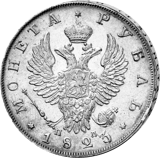 Alexander I1 rouble from the years 1810 to 1826. Alexander I led Russia through 1812 and entered Paris in 1814.
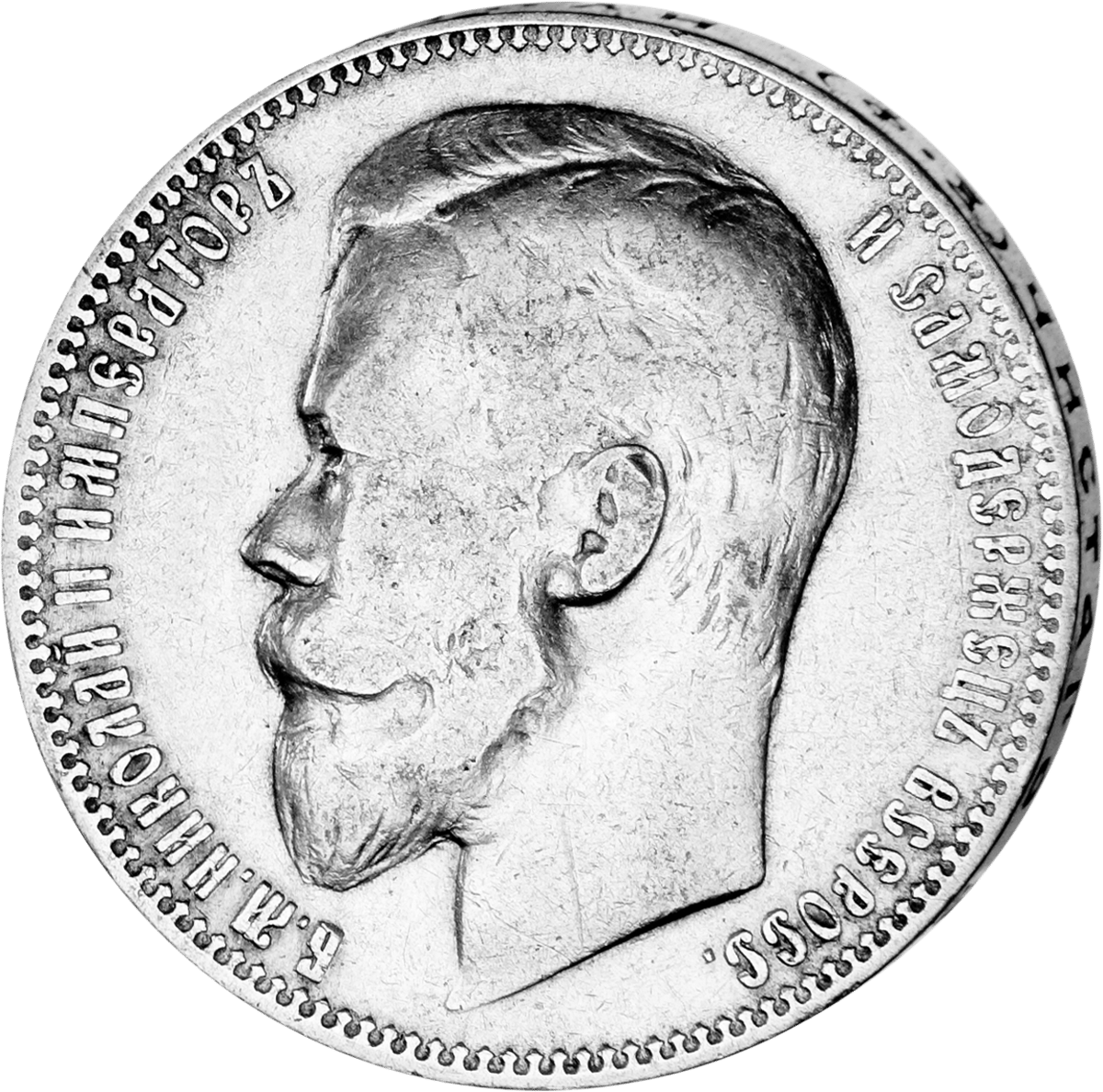
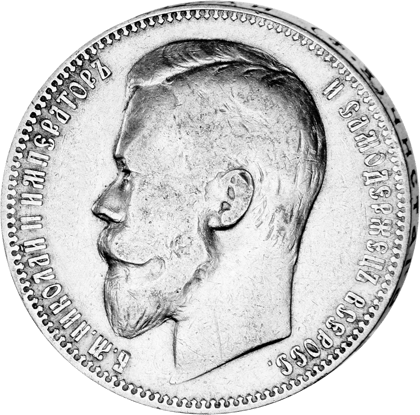
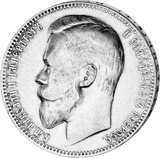 Nicholas IIThe last Tsar in profile. As “Nicky” and “Willy”, he and Kaiser Wilhelm II were still writing to each other in the July Crisis of 1914.

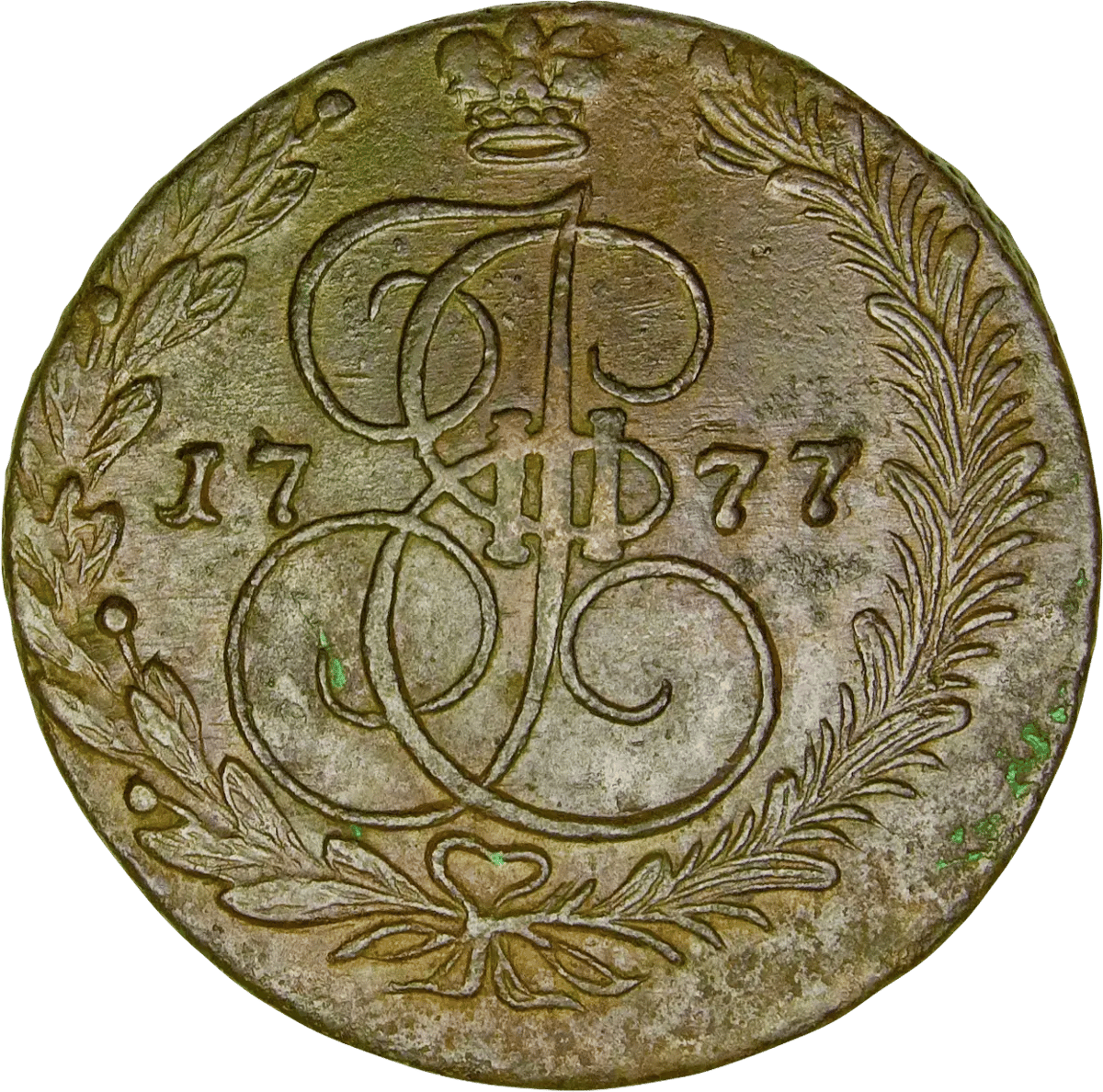
Yekaterinburg in the Urals
Catherine’s 5 kopeks: over 37 million from the Urals in 1777.
That many five kopek pieces left the Yekaterinburg mint in 1777 alone, marked with the letters ЕМ. Catherine was born in Stettin in 1729 as a princess of Anhalt-Zerbst and ruled Russia for 34 years, longer than any other woman on the Russian throne. Many of the heavy pieces later ended up in the melting pot for their copper.
Struck between 1763 and 1915
From Catherine’s copper to the rouble of the last Tsar.
- 1763 to 1796
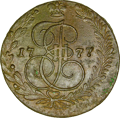 Catherine the Great
- 1810 to 1826
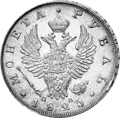 Alexander I
- 1895 to 1915
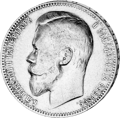 Nicholas II
Alexander’s rouble shows the eagle, not the tsar.Glory of the Tsars in 3 original coins.
Instead of a portrait, the rouble of Alexander I carries the crowned double eagle and the mint mark СПБ for St Petersburg. On the state table: Catherine’s monogram, Alexander’s eagle and Nicholas II in profile.
Splendor of the Tsars: three coins, three rulers, more than 150 years of Romanov history
Catherine the Great. Alexander I. Nicholas II. Hardly any other names have shaped the Russian Empire as profoundly – and with the "Splendor of the Tsars" circulated coin collection, you now hold their money in your hands. These are not restrikes and not medals. All three pieces are original circulation coins, with which merchants, farmers, and soldiers in the Tsarist Empire actually made payments. Two historic silver coins and one heavy copper coin span the arc from Catherine's accession to the throne in 1762 to the final years of the dynasty.
What's included in the collection
- 1x 5 Kopecks Tsarina Catherine the Great (reign 1762–1796): copper, approx. 46 g, crowned monogram within a wreath and double-headed eagle
- 1x 1 Ruble Silver Tsar Alexander I (type 1810–1826): approx. 20.7 g, 868 fineness silver, approx. 18 g fine silver
- 1x 1 Ruble Silver Tsar Nicholas II (type 1895–1915): 20 g, 900 fineness silver, approx. 18 g fine silver
Year of issue and mint vary from piece to piece. The images are therefore to be understood as representative examples.
Catherine the Great: the German princess on the Tsarist throne
She was born in 1729 in Stettin as Sophie Friederike Auguste of Anhalt-Zerbst. The daughter of a minor German princely house learned Russian with iron discipline, converted to the Orthodox faith, and placed herself at the head of the empire in 1762. She ruled for 34 years, longer than any other woman on the Russian throne.
Her 5 Kopecks are true heavyweights. With a diameter of a good 40 millimeters, they sit solidly in the hand. One side bears the Tsarina's crowned monogram between laurel and palm branches, the other the double-headed eagle above the inscription "ПЯТЬ КОПѢЕКЪ". Many of these coins come from the Yekaterinburg mint in the Urals, identifiable by the mint mark "ЕМ". It is quite normal for historical copper coinage to vary in weight, and this is part of the charm of these pieces, which are over 200 years old.
Alexander I: the Tsar who stood up to Napoleon
Catherine's grandson lived through the most dramatic years of Russian history. Austerlitz in 1805, the Peace of Tilsit, then in 1812 the invasion of the Grande Armée and the burning of Moscow. It all culminated in Alexander's entry into Paris in 1814. At the Congress of Vienna, he helped redraw the map of Europe.
You will search in vain for a portrait on his ruble, as Alexander did not have himself depicted on his circulation coins. Instead, you see the crowned double-headed eagle, the legend "МОНЕТА РУБЛЬ", and the mint mark СПБ for St. Petersburg. The coin weighs around 20.7 grams, has a fineness of 868/1000, and measures about 35.5 millimeters. It contains around 18 grams of pure silver. Because these rubles circulated for decades and were melted down in large quantities during later reforms, they are significantly scarcer today than coins from later tsars.
Nicholas II: the last Tsar
With him, the 300-year reign of the Romanovs came to an end in 1917. Nicholas II was related to Kaiser Wilhelm II. As "Nicky" and "Willy", the two still exchanged letters during the July Crisis of 1914, yet they were unable to prevent the World War.
His silver ruble shows the Tsar in profile facing left, surrounded by his title as Emperor and Autocrat of All Russia. On the reverse sits the double-headed eagle with the coats of arms of the empire's territories on its wings. The coin weighs 20 grams, consists of 900 fineness silver, measures 33.65 millimeters, and likewise contains around 18 grams of fine silver. The edge bears the silver content in old Russian units: 4 Zolotnik 21 Dolya.
Two rubles, two different coin standards, yet the same fine weight. Whether Alexander I or Nicholas II: both silver rubles contain around 18 grams of pure silver. The 1885 coinage reform changed the weight and fineness, but the silver content remained the same.
An honest word about condition
These coins were in circulation. They passed through countless hands, across markets and through times of war. Signs of circulation, fine scratches, and a developed patina – sometimes greenish spots in the case of the copper coin – are therefore typical and a mark of their age. How well each individual coin has been preserved is detailed in the respective individual product listings. These details apply equally to the pieces in this collection. In numismatics, the scale ranges from "fine" through "very fine" to "extremely fine", and for circulated coinage from the Tsarist Empire, the middle grades are the norm. Our advice: please do not clean the coins. The patina protects the surface, and for collectors it is part of the value.
Who is this collection suited for?
- Collectors of Russian coins who want to cover three eras of the Tsarist Empire with a single purchase
- History enthusiasts who want to hold the Enlightenment, the Napoleonic Wars, and the end of the monarchy in their hands
- Lovers of gold and silver, for whom genuine material value matters alongside collector appeal
- Anyone looking for a special gift, whether for an anniversary, retirement, or a study
A collector's item with substance, in comparison
Anyone who simply wants as much fine silver as possible for their money is better served by modern bullion coins made of 999 fineness silver. We say this quite openly. Historical circulated coinage is valued differently. Here, age, rarity, and history count, and with the two rubles you still get a solid silver core. Silver has preserved value for thousands of years, independent of central banks and paper money, and is therefore often seen as a hedge against inflation. Compared to other historical circulated silver, such as the 5 Mark silver coin of the German Empire, this collection offers more variety: three rulers, two metals, and a good one and a half centuries in a single set. Is there a drawback? No two pieces are alike, and condition and year of issue vary. Many collectors, however, find this precisely what makes it appealing.
History you can hold in your hand
The "Splendor of the Tsars" collection brings together what you would otherwise have to seek individually on the market: Catherine's copper, Alexander's money from the war years, and the portrait ruble of Nicholas II. Gold is considered the oldest currency in human history, and silver has accompanied it since time immemorial. These three coins show just how long real metal money can outlast empires, wars, and revolutions. At Kettner Edelmetalle, you receive this collection with insured value shipping.
Product image may differ from the actual product.
